Story: High Tide

December 1, 2024

1 Thessalonians 3:9-13
Luke 21:25-36

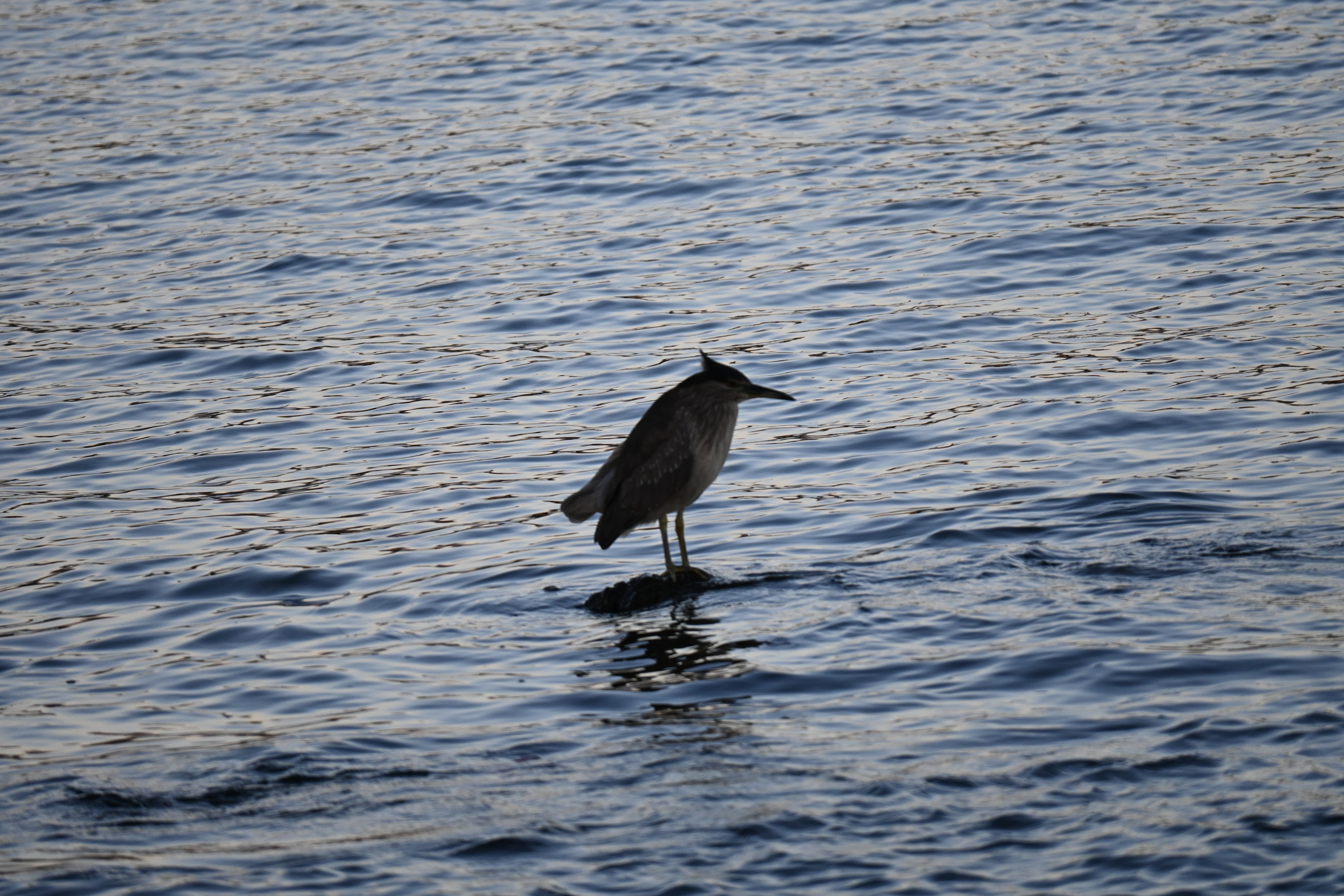
The auku’u, or black crowned night heron, likes to eat. If you look out along the shallows of Hilo Bay, or in the rivers of the valleys, you’ll find auku’u perched on rocks or grass or just standing in the water looking for fish. Although they’re called “night herons” in English, in Hawai’i auku’u fish during the day, and do pretty well at it.

One auku’u, however, developed a somewhat unusual habit. He didn’t like being wet, which is a sad thing for a bird living in Hilo, and he discovered that if he waited for high tide he could spend less time with his feet in the water, since the water, as it were, brought the fish to him.

The thing about a high tide is that it happens just about twice a day, roughly twelve and a half hours apart. That means that sometimes high tide will be in the middle of the day, but a couple weeks later it’s well into the evening. At some times there would be two high tides during daylight, but at other times one high tide would be in the middle of the night. That meant he’d go over a day between meals. And that would make him hungry.

He was moping on the shoreline one morning, waiting for the next high tide (coming in at noon) when a friend landed near him. Noticing that he looked unhappy, she asked him what was wrong.

“I’m hungry,” he said.

She looked at him. Auku’u have been known to say, “I’m hungry,” but they usually say it while they’re on their way to start fishing. An auku’u sitting near the water and saying, “I’m hungry,” was a new and different experience. She didn’t know what to say.

“I haven’t eaten since about this time yesterday,” he said.

“For heaven’s sake, why? Aren’t there any fish?”

Then he explained about fishing at high tide.

“Let me get this straight,” she said. “You’re going hungry for hours because you don’t want to get your feet wet?”

“Do you like wet feet?” he demanded.

“I like being hungry a lot less,” she replied.

He was silent because, he realized, he like being hungry less than he liked having wet feet.

“Sometimes things are perfect,” she said, “like when you get to fish at high tide. But most of the time, we have to muddle along with things as they are. At those times you do the best you can, and look forward to it getting better later on.

“Now come with me,” she told him. “Let’s go fishing. I’m hungry.”

The two of them flew over to the shore.

by Eric Anderson

Watch the Recorded Story

I write these stories ahead of time, but I tell them from memory (plus improvisation), so what you’ve just read does not match what I said.

Photo of an auku’u in Hilo Bay by Eric Anderson.

Aren’t You?

“[Jesus said,] Then they will see ‘the Son of Man coming in a cloud’ with power and great glory.” – Luke 21:27

I’m looking, Jesus.
I’m looking for those terrible disasters.
I’m looking for the sun-signs, moon-signs, star-signs.
Where is the earth distressed?
Where are the nations fuddled by the roaring of the seas?

I’m looking, Jesus,
and I’m finding all those terrible disasters.
The sun burns warmer on the sands than once it did.
Distressed, the earth would wrap itself in coolness,
water rising, inundating coastlines of both continents and islands.

I’m looking, Jesus:
where to find you?
The clouds still float along without your figure
stepping down to earth in glory and in power.
Where are you, Jesus, when the seas are salt with tears?

I’m looking, Jesus,
as disciples have been looking
for two thousand years, to see the reign of God
in light and thunderclaps and incense-scented wonder, but…
You’re just behind my shoulder, aren’t you?

A poem/prayer based on Luke 21:25-36, the Revised Common Lectionary Gospel Reading for Year C, First Sunday of Advent.

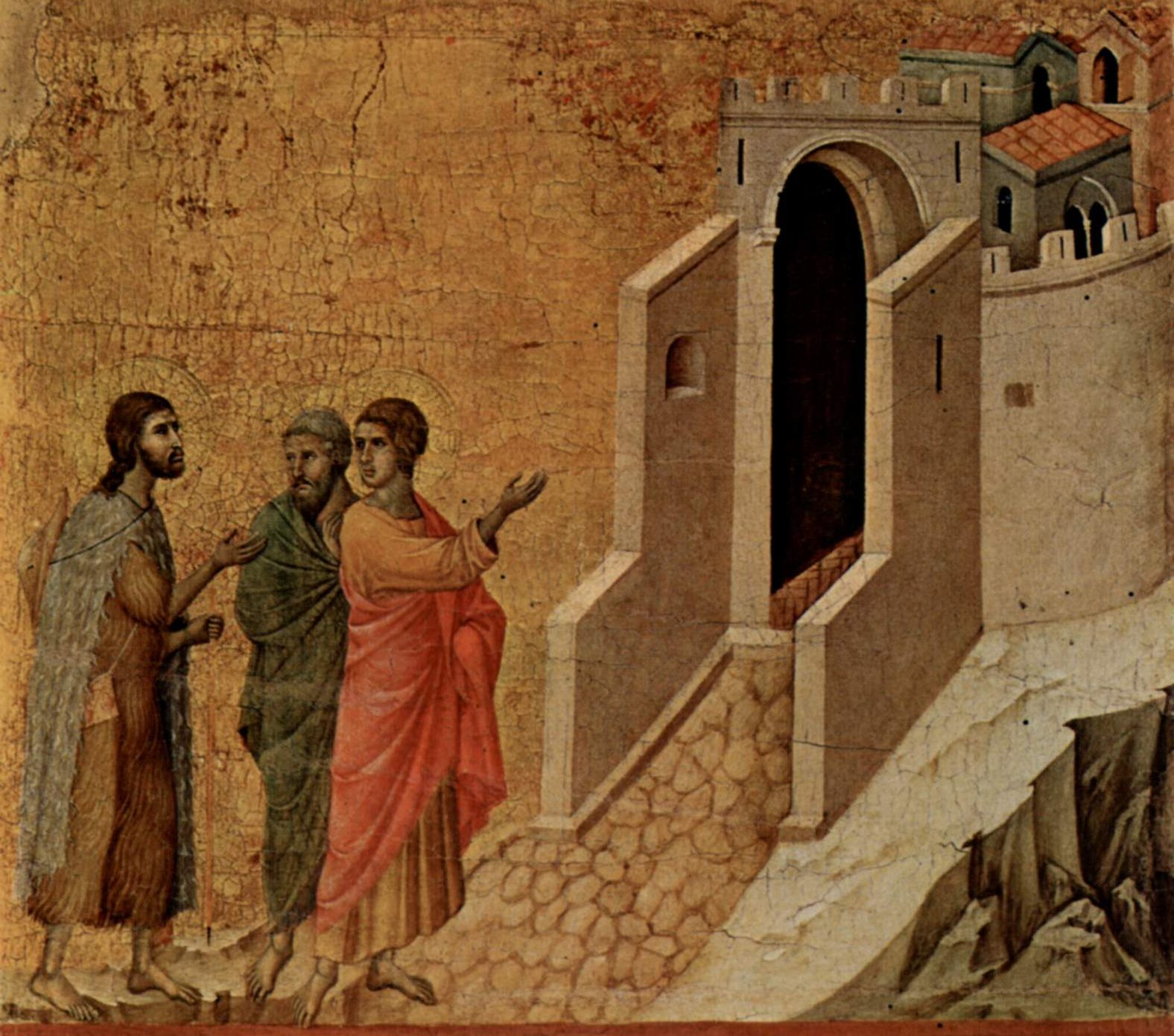
The image is Christ Appears to Two Apostles in Emmaus by Duccio di Buoninsegna – The Yorck Project (2002) 10.000 Meisterwerke der Malerei (DVD-ROM), distributed by DIRECTMEDIA Publishing GmbH. ISBN: 3936122202., Public Domain, https://commons.wikimedia.org/w/index.php?curid=3799693.

Story: Bully Price

November 24, 2024

2 Samuel 23:1-7
John 18:33-37

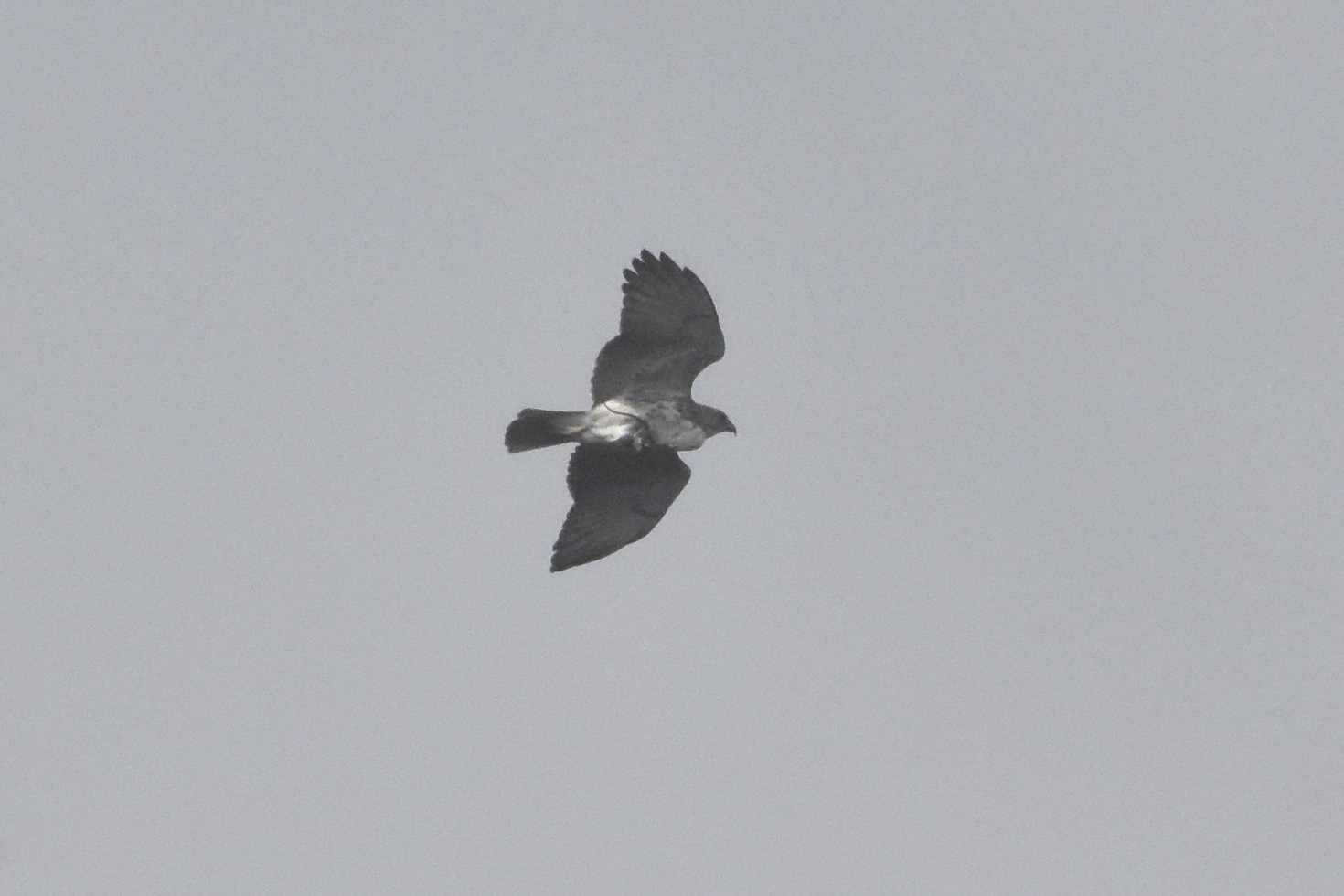
The noio, or black noddy, nests in the cliffs above the breaking waves on Hawai’i Island (and, actually, on lots of islands. They’re all over the Pacific and Atlantic Oceans). You’ll tend to find a lot of them close together. They raise their young together, they fly together, and they fish together.

One of the younger noio was fast, big, and strong. There were a few who were faster. There were one or two that were bigger. Nobody could remember anyone who was quite that strong, though. He used that strength to pick up fish that were just a little bigger than everyone else, and as you might expect, that was part of what made him big and strong.

One day as he was out fishing with lots of other noio, he saw an ‘Iwa, a great frigatebird, soaring around overhead. He didn’t think much of it until the ‘iwa dove down upon the flock of circling noio. It chased a noio who had just caught a fish until the noio dropped it, and then snatched the fish from the air, ate it, and climbed back into the sky.

Then the ‘iwa did it again. And again.

When it was no longer hungry it flew away. The frustrated noio returned to their fishing.

The big, strong noio was impressed. The ‘iwa had had a complete meal and never caught a fish on its own. That seemed like a lot less work than sweeping over the surface to pluck a squid from below.

So he tried it. He chased another noio, and it worked. The noio dropped its fish, and the bigger, stronger noio ate it. Then he did it again. And again.

The other noio squawked at him to no avail. He did it over and over until he was satisfied.

Nobody would speak to him later.

Nobody would speak to him the next day when he did it again. His friends, his cousins, even his own sisters wouldn’t say a thing except to squawk as he swooped and pecked to make them drop their fish.

Later, though, one of his uncles landed next to him on his ledge, which should have been crowded with noio, but everybody left when he landed. Except, now, there was his uncle, another big, strong bird.

“I heard what you’ve been doing,” said his uncle. “You’ve learned to be an ‘iwa.”

“I’m eating pretty well, too,” said the nephew. “You’re big enough to try it. It would work for you.”

“I did try it, long ago,” said his uncle, “but it wasn’t worth the price.”

“What price?” asked his nephew, though he already knew.

“The price of an empty ledge,” said his uncle. “The price of never having a friend, except for someone else who’ll bully with you, and who will bully you the first chance they get. The price of the skies emptying when they see you. The price of hearing only the wind and the waves when you should be hearing the cries of other noio.”

The nephew said nothing.

“Look around, nephew,” said the uncle. “Where are your cousins now? Who are your friends? Who do you fly with?

“Is it worth the price?”

by Eric Anderson

Watch the Recorded Story

I writes these stories in advance, but I tell them from memory (and improvisation), so what you read will not match what you see and hear.

Photo by Eric Anderson.

Paragon

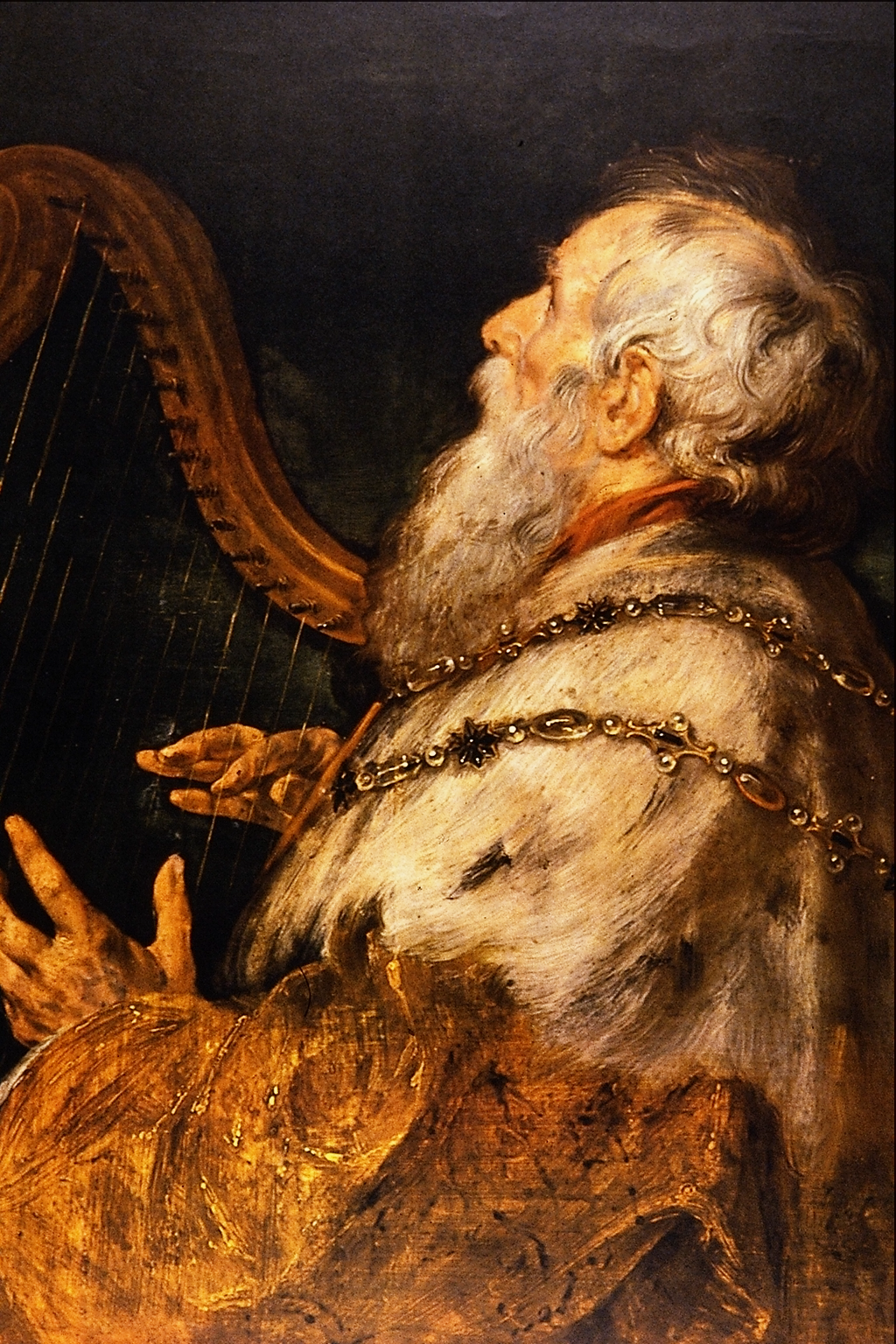
The God of Israel has spoken;
the Rock of Israel has said to me:
“One who rules over people justly,
ruling in the fear of God,
is like the light of morning,
like the sun rising on a cloudless morning,
gleaming from the rain on the grassy land.”
Is not my house like this with God?

– 2 Samuel 23:3-5

My eyes no longer see as far as they once did.
My hands are creaky, laid upon the strings.
My knees and elbows crack, and truth to tell,
I’d rather spend the day in memory than rule.

The time will surely shortly come when I
shall make my bed in Sheol rather than
within this palace of my grandeur. No more
shall Abijag console me with her warmth.

But then, no longer must I listen to
the not-so-welcome words of Nathan. There
are benefits to dying. Such as making peace
with shame and guilt (if not with those I slew).

And so:

Was not my reign a paragon of right?
(Ignore the tales of rape and sons’
rebellion, though another looms e’en now.)
Did I not shine as dew reflects the morn?

Who now will contradict my words? They’ll hold
them close and celebrate how wise I was
when, near the end, I sang the truth
that earthly power, even mine, is judged by God.

How will they know that as I played
my fingers caught upon the strings, my voice
was husky with the tears that streamed, because
I knew the truth and then composed the lie.

A poem/prayer based on 2 Samuel 23:1-7, the Revised Common Lectionary First Reading for Year B, Reign of Christ.

The image is King David by Peter Paul Rubens (by 1640) – Corel Professional Photos CD-ROM, Public Domain, https://commons.wikimedia.org/w/index.php?curid=10324682.

Story: The Easy Way to Fly

November 17, 2024

Hebrews 10:11-25
Mark 13:1-8

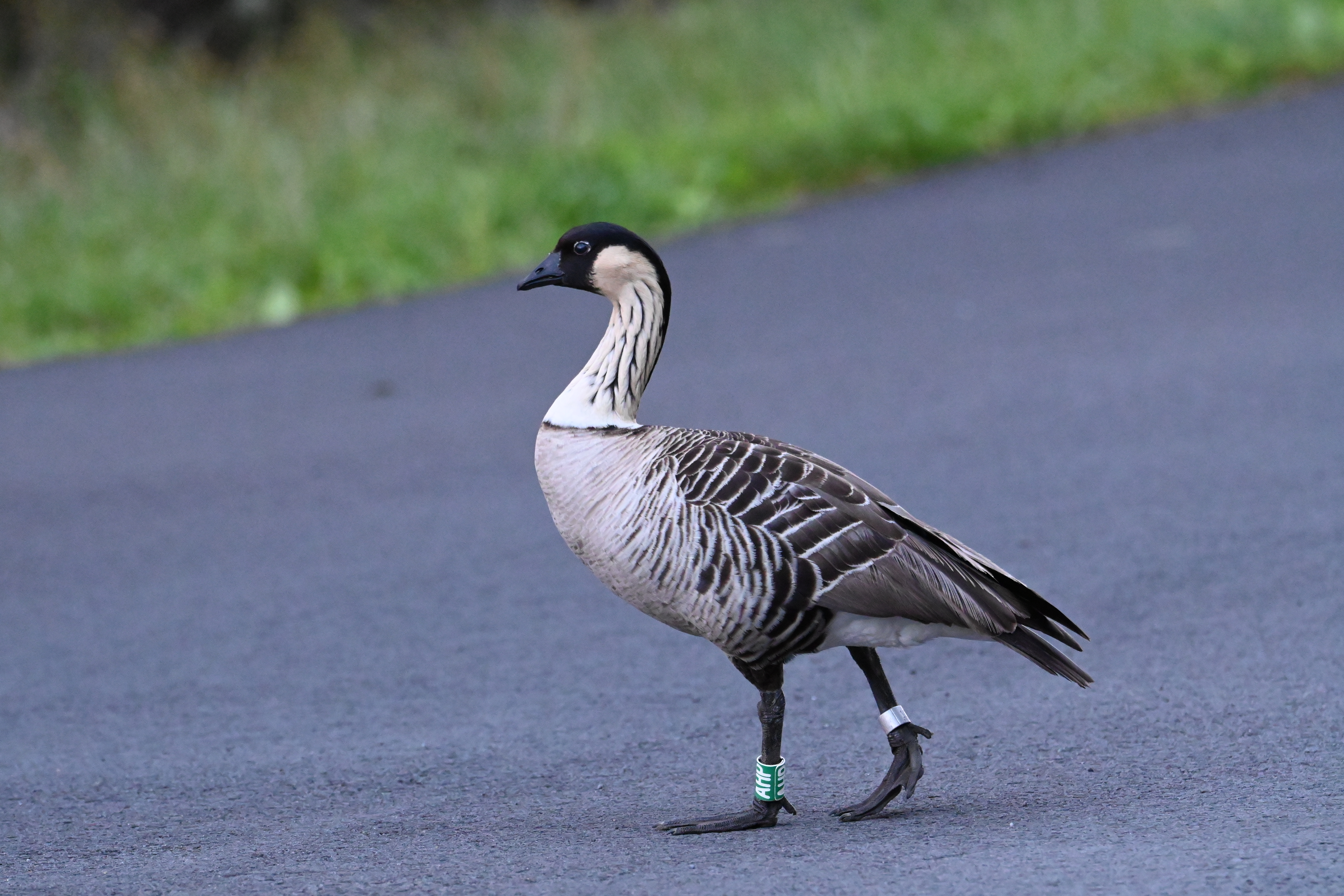
I’m afraid it’s true that there are not many nene. They are easily outnumbered by the ‘apapane, and more than easily outnumbered by people. You may wonder why, if there aren’t that many of them, you hardly ever see them one at a time. I mean, wouldn’t you expect that a nene would go its own way from time to time, just to find some ‘ohelo berries of their very own?

One nene thought that independence sounded like the way to go.

He’d been to nene school, so he thought he knew it all. He knew how to find food. He knew how to fly. He’d done the drills at formation flying without getting excited about it. He was going to be the nene who made his own way, without relying on (and, you know, sharing with) the other nene.

So off he went to find his own spaces.

There’s a lot more of Hawai’i Island than there are nene, so it wasn’t difficult. If he spotted a little flock of nene in the air or on the ground, he’d just go somewhere else that they weren’t. That was lots of places, and plenty of those places had food, and water, and places to rest and relax. All in all, he thought he was having a pretty good nene life.

One day as he was in the air looking for another place to relax and eat, he heard the calls of some nene behind him. Glancing back, there was a little “V” shape of five geese flying in formation. They called out a friendly greeting, to which he replied – he liked being alone, but he wasn’t going to be rude about it.

What surprised him, however, was that the little “V” of nene was catching up with him. In fact, they passed him in the air, still calling out their “Hello!” He thought he was a pretty good flier, but they sped on by and he couldn’t keep up. It didn’t take long before they’d disappeared into the clouds.

How had they flown past him so fast?

Sometimes when you don’t know something and you don’t have Google, the best thing you can do is ask someone who should know. So he sought out his nene school teacher. When he found her, she was just finishing up a formation flying class. He waited, mostly patiently, until she was done, and told her about being passed by those other nene.

“Am I just so slow?” he asked her.

“No,” she said. “You’re not slow. You’re alone. Flying together – in that ‘V’ formation – allows us to fly more easily. The wings of the birds in front create good flying air for the birds behind. It makes a difference. We can put more strength into it. We fly better together.”

“You mean,” he said, “that if I always fly alone, I’ll always fly harder and slower?”

“That’s exactly what I mean,” she told him. “Together is the easy way to fly.”

Never let it be said that nene won’t learn. He found his own place in a little flock, and there in its “V” he flew easier and faster than he could remember doing before. Together is the easy way to fly.

by Eric Anderson

Watch the Recorded Story

I write these stories ahead of time, but I tell them from memory plus inspiration. The story you just read will not match the recorded telling of it.

Photo by Eric Anderson

I Have to Choose Hope

Author’s note: I wrote this song in 2021 during height of the COVID-19 pandemic. The performance is from November 2024.

[Verse 1]

The road behind me has been rugged and rough.
The signs have directed me to sorrow.
The sun’s gleam has sparkled in tears
As it cast a tiny rainbow.

[Chorus]

I have to choose hope because my heart is wary.
I have to choose hope because my spirit is scarred.
I have to choose hope because I just can’t feel it.
I have to choose hope though I’m tired.

The day’s labor: was it worth the cost?
Did my heart and mind change at all?
Was a soul fed or a body lifted up?
Was anybody better off?

[Chorus]

Tomorrow’s shroud obscures its joy and pain.
Will hearts be wearied? Will hearts rise again?
I will summon a confidence far beyond my own
To believe in seeds that grow.

[Chorus]

© 2021 by Eric Anderson

Hearts Sprinkled Clean… for?

“…Let us approach with a true heart in full assurance of faith, with our hearts sprinkled clean from an evil conscience and our bodies washed with pure water.” – Hebrews 10:22

There are mornings when I revel in the water
which cascades along my form and carries off
the aggravating dust and clinging grime.

In likewise do I cast my grateful soul
into refreshment of a loving God,
who takes away the grunge, the guilt, the shame.

And then I step upon the shower mat,
to towel off the residue of cleanliness,
prepare to wrap my form in clothing for the day.

In likewise does my soul release forgiveness’ bliss,
replenished to the work which lies ahead,
and clothed (we hope) in righteousness’ array:

Provoking those around to love, to acts
of doing good, to mercy shared, to meet and raise
the courage of those souls who’d do the same.

A poem/prayer based on Mark 12:38-44, the Revised Common Lectionary Gospel Reading for Year B, Proper 27 (32).

Photo by Eric Anderson

Story: The ‘Io and the ‘Amakihi

November 10, 2024

Ruth 3:1-5, 4:13-17
Mark 12:38-44

There is a lot to learn when you’re a young bird. Or a young human, of course. But this story is about a young bird.

He was an ‘amakihi, and he’d hatched, fledged, and flown. He’d toured around with a little flock of various forest birds, and he’d seen plenty of sunrises and sunsets. All in all, he thought he was pretty wise.

Then he saw a creature he hadn’t seen before. It was big. It was impressive. It soared along in the air on broad wings. He watched it from an ohi’a branch with awe. Such presence. Such grace. Such magnificence. Such size.

To his surprise, it landed in a neighboring tree, where it seemed to rest.

“What are you?” asked the young ‘amakihi.

“I’m an ‘io,” said the big bird. “Haven’t you heard about me?”

In truth, the young ‘amakihi had been told about the ‘io, but he hadn’t been paying attention. These things happen sometimes, have you noticed?

“I can’t remember hearing anything about you,” said the ‘amakihi with some truth. “What are you like?”

“Oh, I’m a very friendly bird,” said the ‘io. “I fly around overhead and watch out for all the other birds in the forest. All the birds are safe when I’m around.”

“That’s really great,” said the young ‘amakihi. “And what do you eat?”

“Oh, this and that,” said the ‘io. “Kind of like yourself.”

“You mean, bugs and nectar and fruit?”

“Kind of like that,” said the ‘io.

“I’m a little hungry myself,” said the ‘amakihi, “and this tree has been pretty well picked over. If you don’t mind I’ll see you later.”

“That’s fine,” said the ‘io, who fortunately for the young ‘amakihi wasn’t hungry at the moment. “I’ll catch you later.”

The ‘amakihi flew off, and the ‘io didn’t chase him, fortunately. A little later he found his grandmother, and told her about the bird he’d just met.

“The ‘io told you he protects the other birds?” said his Tutu.

“Oh, yes,” said her grandson.

“Don’t you remember what your mother and father said about the ‘io?” asked his grandmother sternly.

“I’m afraid I don’t,” said the young ‘amakhi. “I may not have been listening all that well.”

“That wasn’t a good time to not listen,” she said. “Didn’t you notice the ‘io’s beak, and the talons on his feet? Do you think those are good for eating bugs and nectar?”

And she told him what an ‘io eats. He was horrified and pretty surprised that he’d survived that conversation.

“Those who are danger to you won’t always tell you so,” said Tutu. “Sometimes they’ll lie about it. Listen to the warnings of those who love you. We may not always be right, but we will always tell you what we know and what we believe we know.

“And keep an eye out for those ‘io.”

by Eric Anderson

Watch the Recorded Story

I write these stories in advance, and I tell them from memory during Sunday worship. Therefore, the story you’ve just read will likely differ from the story as I told it.

Photos of an ‘amakihi (top) and an ‘io (smaller photo on right) by Eric Anderson.

Her Whole Life

A painting of a well-dressed African man putting gold coins in a jar while a slim African woman carrying a baby and with a basket on her head puts two small coins in the jar. Others watch.
The Widow’s Mite – Luke 21:1-4

For all gave out of their abundance, but she—out of her poverty—gave all that she was having, her whole life. – Mark 12:44, translation by D. Mark Davis.

You’d warned about them, Jesus, all those who
devour widows’ houses with religious obligation.
I wonder, did you think you’d see it happen
there in front of you, so poignant and so soon?

She dropped her life into the box or jar
and heard it ring, so tinny and so small.

I wonder that you found the words
to say to your disciples “She gave all.
She gave her life, all that remained.”
I would have been struck silent in my tears.

A poem/prayer based on Mark 12:38-44, the Revised Common Lectionary Gospel Reading for Year B, Proper 27 (32).

I have written two other poems on this text: “Devoured” from 2021 and “All She Gave” from 2018.

The image is from JESUS MAFA. The Widow’s Mite, from Art in the Christian Tradition, a project of the Vanderbilt Divinity Library, Nashville, TN. https://diglib.library.vanderbilt.edu/act-imagelink.pl?RC=48392 [retrieved November 5, 2024]. Original source: http://www.librairie-emmanuel.fr (contact page: https://www.librairie-emmanuel.fr/contact).

Many Tears

A stone statue face of a woman with two tears dripping from her left eye.

The world is filled with tears.
They spring from eyes emotion-swollen,
running down the cheeks
across the bare or stubbled chin.
The world is filled with tears.

The fountains spray their eloquence,
responding to the pains of circumstance,
of body or of mind,
of tearing of the fragile soul.
The world is filled with tears.

From other eyes the liquid leaps for joy
like ocean spray and seething foam,
a coruscating rainbow of delight.
The world is filled with tears.

Oh, Holy One, I do not pray
for you to dry our tears today,
but that we weep, relieved of fear.
Oh, let these be our tears.

The image is a detail of the figure of Mary Magdalene in the sculpture The Entombment of Christ in the Church of St. Martin, Arc-en-Barrois, France. Photo by User:Vassil – File:Sépulcre_Arc-en-Barrois_111008_12.jpg, CC BY 3.0, https://commons.wikimedia.org/w/index.php?curid=16942922.