Story: Body of Nene

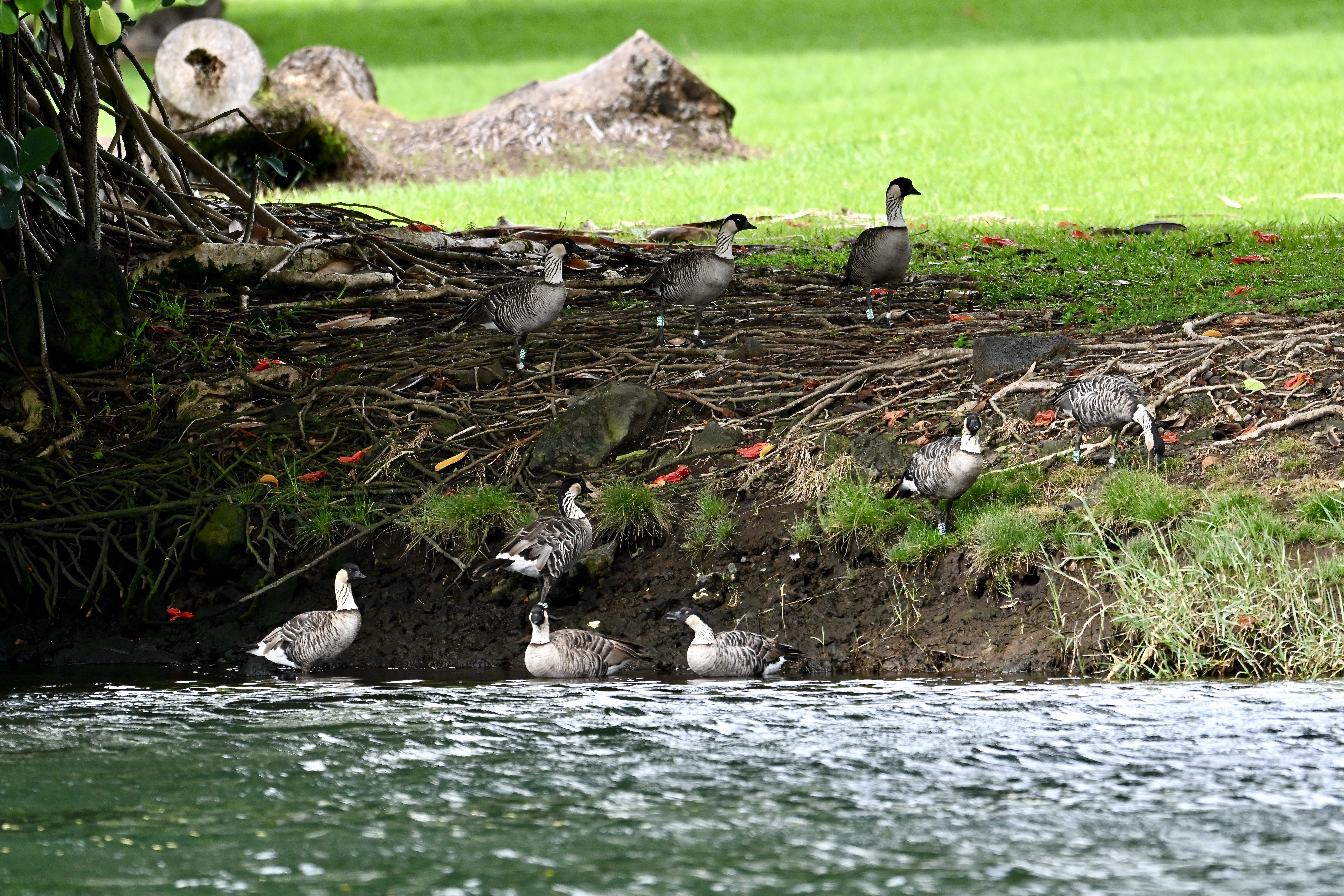
Nine gray, white, and black nene (Hawaiian geese) along a shore - two in the water, the rest standing on land.

August 23, 2026

Romans 12:1-8
Matthew 16:13-20

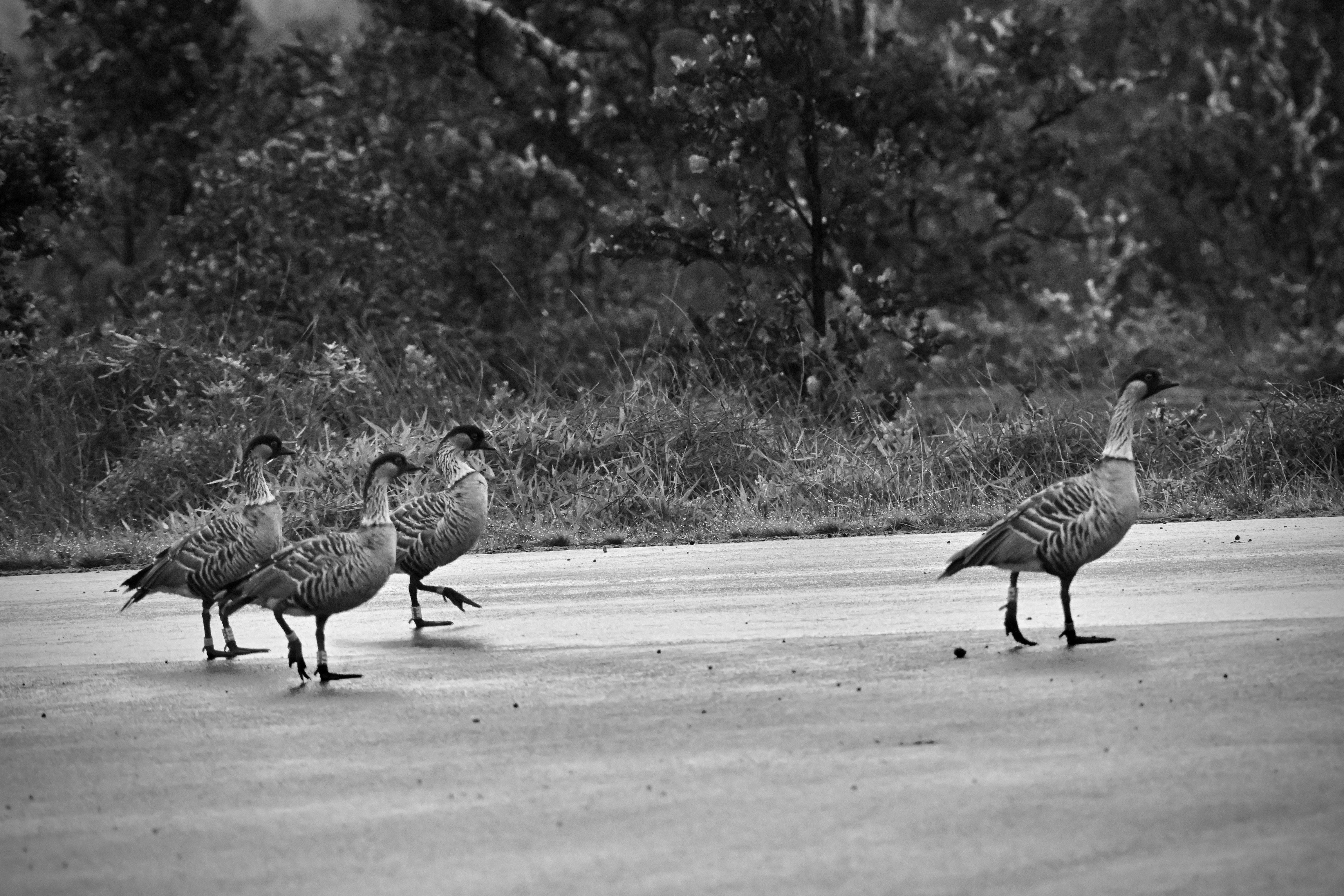
He’d done it at last. He’d graduated from nene school. He’d learned to forage, and he’d learned to fly even better, and he’d learned to fly in formation. He knew everything there was to know about living well as a nene.

I have to say that that’s a pretty good accomplishment for anyone moving on in school.

So now he formally joined the flock as a certified adult nene. He was pretty young, but he was also pretty confident. After all, he’d done very well in school. What more was there to being a nene?

It turned out that the little flock had a leader. That surprised him, and it shouldn’t have. Learning to fly in formation, there had always been a bird, usually the teacher, at the very front of the “V” of the flock. The same thing was true among the adults in flight. Somebody had to be at the point.

“Welcome to the flock, youngsters,” said the leader kindly. “We’re so glad to have you here with us and to increase the flock. Let me just introduce you to some of our specialists here.”

The young nene was caught again. Specialists? But he held his tongue – for a moment, anyway.

“This is our ‘ohelo specialist,” started the leader, but the youngster interrupted.

“I know how to find ‘ohelo,” he said. “It’s easy.”

“We can all find ‘ohelo,” said the leader, “but she’s been able to spot it farther away than any of the rest of us. By all means tell us when you find ‘ohelo, but the chances are that she will spot it first.”

The youngster thought that seemed unlikely, but he didn’t say it.

“This is our pukiawe specialist,” continued the leader, “and he’s also really good at spotting ‘aiakanene.”

“I can do that, too,” interrupted the youngster again, and the leader calmly continued:

“We’ll find out if you can do that faster than him. Now, this nene is the best among us at forecasting the weather. If there’s a storm coming, she’s been great at telling us to find shelter in time.”

“Seriously, can’t the rest of you do that?” burst out the young nene. “It’s simple!”

“It’s simple when the clouds are getting tall and dark,” said the leader. “It’s not so simple when they’re white and fluffy.”

“Can’t any of you do anything?” demanded the youngster. “I can’t believe a flock would be so full of birds that can do only one thing.”

The young nene’s former teacher – who was also his auntie, since nene flocks are small – answered him. “Of course we can do all these things, nephew,” she said. “We can forage for ourselves, we can fly for ourselves, we can see danger coming for ourselves. We can all do that. You can do that. I know because I taught you.

“But some of us went beyond what all of us can do. They got really good at seeing storms coming, or spotting ‘ohelo in the lava field. I’m not quite as good at holding formation in a high wind, so I don’t take the lead when flying, but I am pretty good at teaching other fliers, so that’s what I do.

“Think of the flock as a nene made up of nene. Some have really enhanced their skills, and that means that all of us benefit from it. I can’t spot the ripe pukiawe as far away as he can, but on the other hand, he can’t teach how to find pukiawe as well as I can.”

There was silence for a moment, and then the leader said, “Welcome to the flock, young nene. Over time we’ll find out which of your skills we’re all grateful to receive. And you’ll find out which skills you’re grateful one of these other birds possesses and shares.”

by Eric Anderson

Watch the Recorded Story

I write these stories in full ahead of time, but I tell them from memory and improvisation. The story as I wrote it does not exactly match the story as I told it.

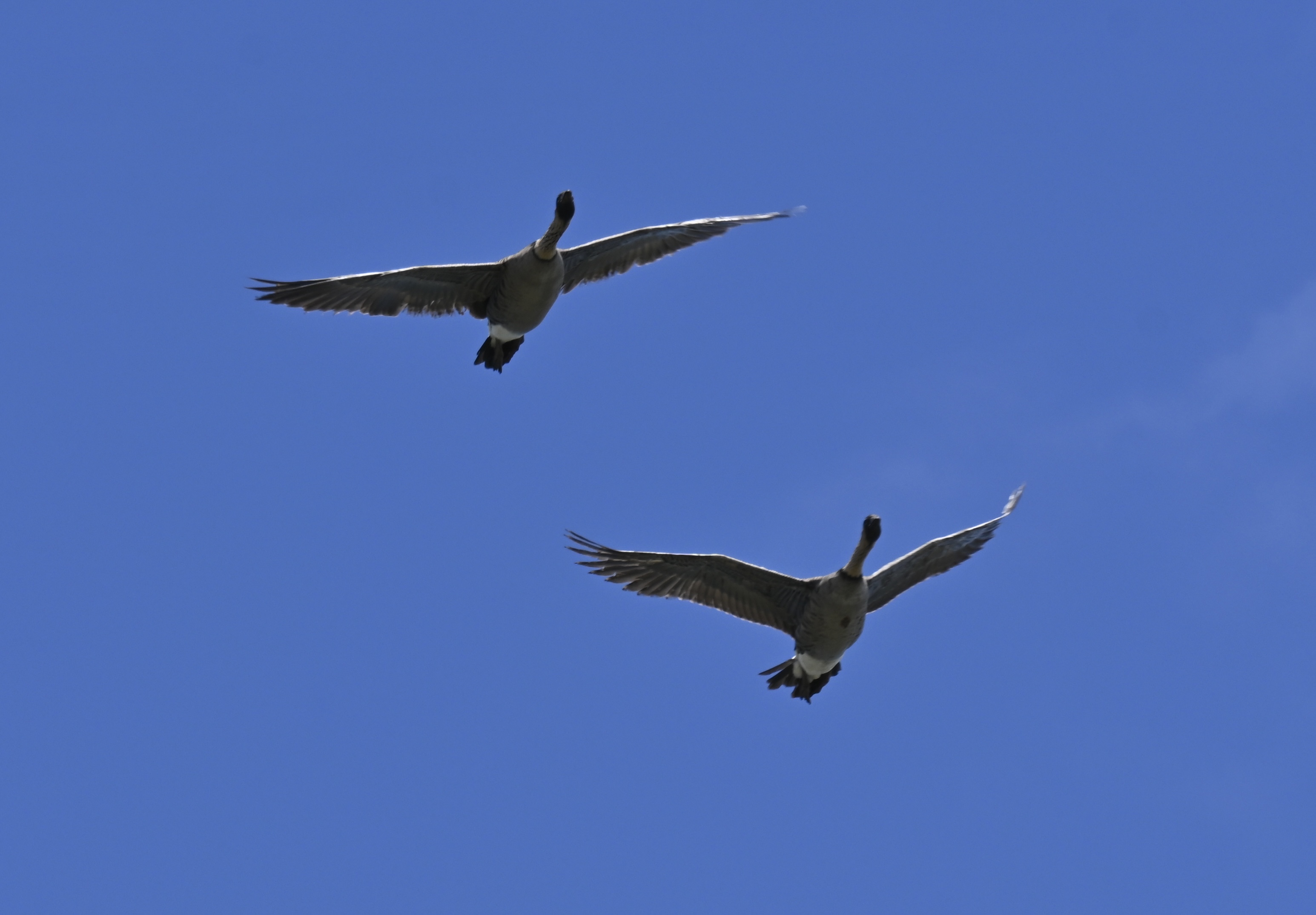
Photo of a small flock of nene by Eric Anderson.

Foreigners and Eunuchs, Eunuchs and Foreigners

A single image with three elements of the same story. In the upper left, a child flailing in bed. In the center, a woman leaves the home to follow a group of men, one of whom is Jesus. In the the lower right, she kneels to him in petition, with a dog next to her.

Do not let the foreigner joined to the Lord say,
    “The Lord will surely separate me from his people,”
and do not let the eunuch say,
    “I am just a dry tree.”
– Isaiah 56:3

Foreigners and eunuchs;
Eunuchs and foreigners.
Anathema they are in the words of the law.
Anathema they are in the tales of the histories.
Foreigners and eunuchs;
Eunuchs and foreigners.

Suddenly, inspired by God
a new word: “These I will bring
to my holy mountain,”
to joyfully raise up their prayers.
Foreigners and eunuchs;
Eunuchs and foreigners.

We have heard other words,
have we not, from this time,
from our time, from the times
of so many others rejecting outright
Foreigners and eunuchs;
Eunuchs and foreigners?

We can choose what we read
and believe from the Bible.
Foreigners and eunuchs;
Eunuchs and foreigners
Exiled from the homes that they made
with their families, commanded by Ezra.

Foreigners and eunuchs
Eunuchs and foreigners;
would challenge the limits that Jesus
imposed on himself and win
healing for children, not dogs,
with great wit and compassion.

Foreigners and eunuchs;
Eunuchs and foreigners
would read in Isaiah
of a lamb deprived justice,
and persuaded by Philip
would seek out the waters.

So which shall it be,
and how shall we be, with
Foreigners and eunuchs,
Eunuchs and foreigners?
The cruelty of Ezra?
The welcome of Philip?

Or perhaps we might follow
the quick turn of Jesus
to hear wisdom and heal
and to lay down our limits on
Foreigners and eunuchs;
Eunuchs and foreigners.

A poem/prayer based on Isaiah 56:1, 6-8, the Revised Common Lectionary Alternate First Reading for Year A, Proper 15 (20).

The image is Jesus and the Woman of Canaan by Lucas Cranach the Elder (1537) – https://www.sammlung.pinakothek.de/de/artwork/8eGVWjr4WQ, Public Domain, https://commons.wikimedia.org/w/index.php?curid=105154922.

The editors of the Revised Common Lectionary chose to omit Isaiah 56:2-5 from the reading, which specifically address the welcome for eunuchs in the prophet’s vision. I’ve chosen to include their inclusion in this poem.

Story: Bully’s Progress

May 17, 2026

1 Peter 4:12-14, 5:6-11
John 17:1-11

He was a year or so old, and he wore the red and black of an adult ‘apapane. He still thought of himself as young and growing and learning, and truly he was all of those things.

He was also the target of a bully in his generation and his neighborhood, and that wasn’t such a good thing.

There are, I’m afraid, bullies among the ‘apapane sometimes, as there are among the i’iwi and the ‘amakihi and, as I’m sure you know, among human beings. Like other bullies, this ‘apapane bully didn’t have much if any real reason to dislike our young and learning ‘apapane. He’d just taken it into his head that this was a good bird to pick on, and pick on him he did.

The bully would squawk at him when he saw him, and he’d call him names which I’m not going to repeat, because I don’t want you to go up to the mountain forests and start bullying ‘apapane. Sometimes the bully would dive at him while flying, and sometimes he’d dive at him when he was quietly perched in a tree. Worst of all, if the bully found him feeding on an ohi’a lehua, he’d land next to him and startle him away from his meal.

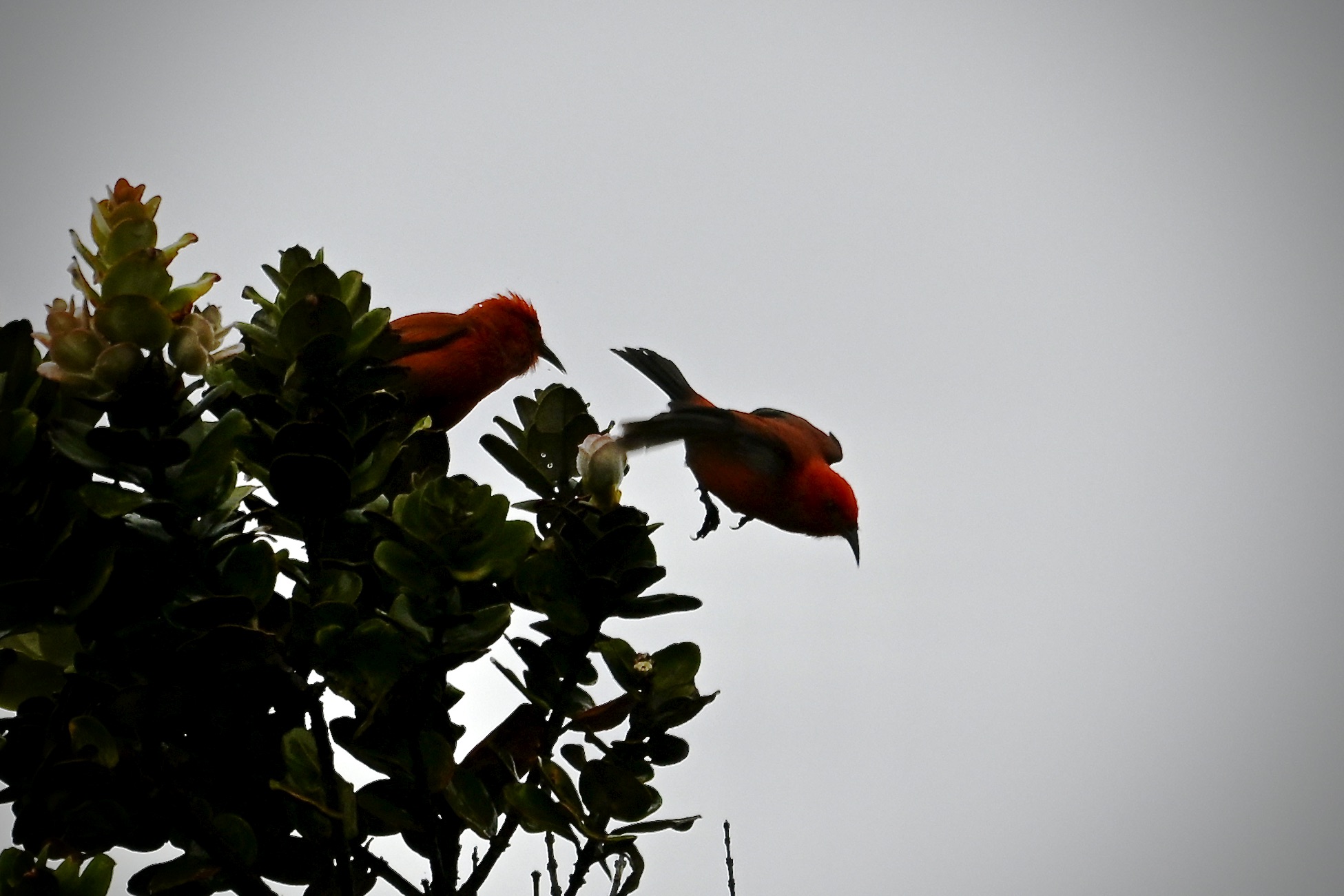
That’s pretty much what you’re seeing in the photo, isn’t it?

Our young and learning ‘apapane didn’t really know what to do about it. Not all, but all too many of the other birds in his flock and neighborhood seemed to egg the bully on. When he squawked, they’d stay silent. When he called him names, they’d laugh. When he swooped, they’d giggle. And when he drove him away from a meal, the most they’d do was cluck softly. The thing they simply wouldn’t do was help.

“What am I to do?” he asked his auntie one day. “Nothing stops this bully. Not soft chirps, and not loud protests. He’s pecked me more than once, and I’ve never pecked back, and if I even show signs of it he pecks harder. Nobody helps. Why? And what can I do?”

Auntie said, “I’ve seen more than a few bullies in the flocks, and there’s always someone they pick on worse than anyone else. It’s always bad and it’s always wrong. I’m really sorry it’s you.

“The other birds, I’m sorry to say, are afraid of the bully. They know that if it’s not you, it’s going to be somebody else, and that somebody will be one of them. It’s not very caring and it’s not very brave, but it’s what a lot of birds do.”

“So what do I do?” asked her nephew.

“You continue to be a kind, sensible, and caring bird,” said Auntie. “You help your flock to find food and sing songs and keep away from predators – even the bully. It takes time, and sometimes a long time, but the flock usually realizes that they are a flock, and a bully is just a bully, and when they realize that, the bully loses his hold on everyone, including you.”

“So I just wait?” asked our young and learning bird.

“You wait, and you show the rest of the flock what a good ‘apapane is,” said Auntie. “One of these days they’ll choose you.”

It took longer than it should have, but Auntie was right. The bully lost his power in the flock, and they stopped giggling and they stopped allowing him to pick on the other birds.

Among people, bullies can seem awfully strong, and they can be. Most of the time, communities figure it out and act to end the bullying, but it can take much longer than anyone thinks it should. We are also held in the heart and mind of God, who tolerates no bullying at all. So summon all your courage and summon all your heart, and remember that God wants you to be the best person you can be, and not to be like those who bully you.

by Eric Anderson

Watch the Recorded Story

I write these stories in full ahead of time, but I tell them from memory and improvisation. The story as I wrote it does not completely match the story as I told it.

Photo of two ‘apapane by Eric Anderson. In fairness, there’s no reason to believe either one is a bully.

Gate

“So again Jesus said to them, ‘Very truly, I tell you, I am the gate for the sheep.'” – John 10:7

It’s not your most compelling image, Jesus. In
a section where you said, “I am…”
three times, how many hold this one in memory?
To say the truth, I barely do.

And yet a gate is comforting. It guards a home,
a sheepfold, or a soul from harm.
It’s hardly perfect, since a thief may climb the wall:
They’ll have to work to work their ill.

The beauty of a gate is not protective force,
but its capacity to swing,
admitting those outside who’ve recognized the voice
and come to claim their place and home.

You tell us you are gatekeeper and gate. May we
remember that the gate is you,
and when we close it, we usurp your power, your
authority. and you yourself.

May we have faith and wisdom both to hold the gate
wide open for the gathering flock
and only close it in the most compelling circumstance,
then open it with welcome love.

A poem/prayer based on John 10:1-10, the Revised Common Lectionary Gospel Reading for Year A, Fourth Sunday of Easter.

Photo of a gate by Eric Anderson.

Story: The Fast and the Futile

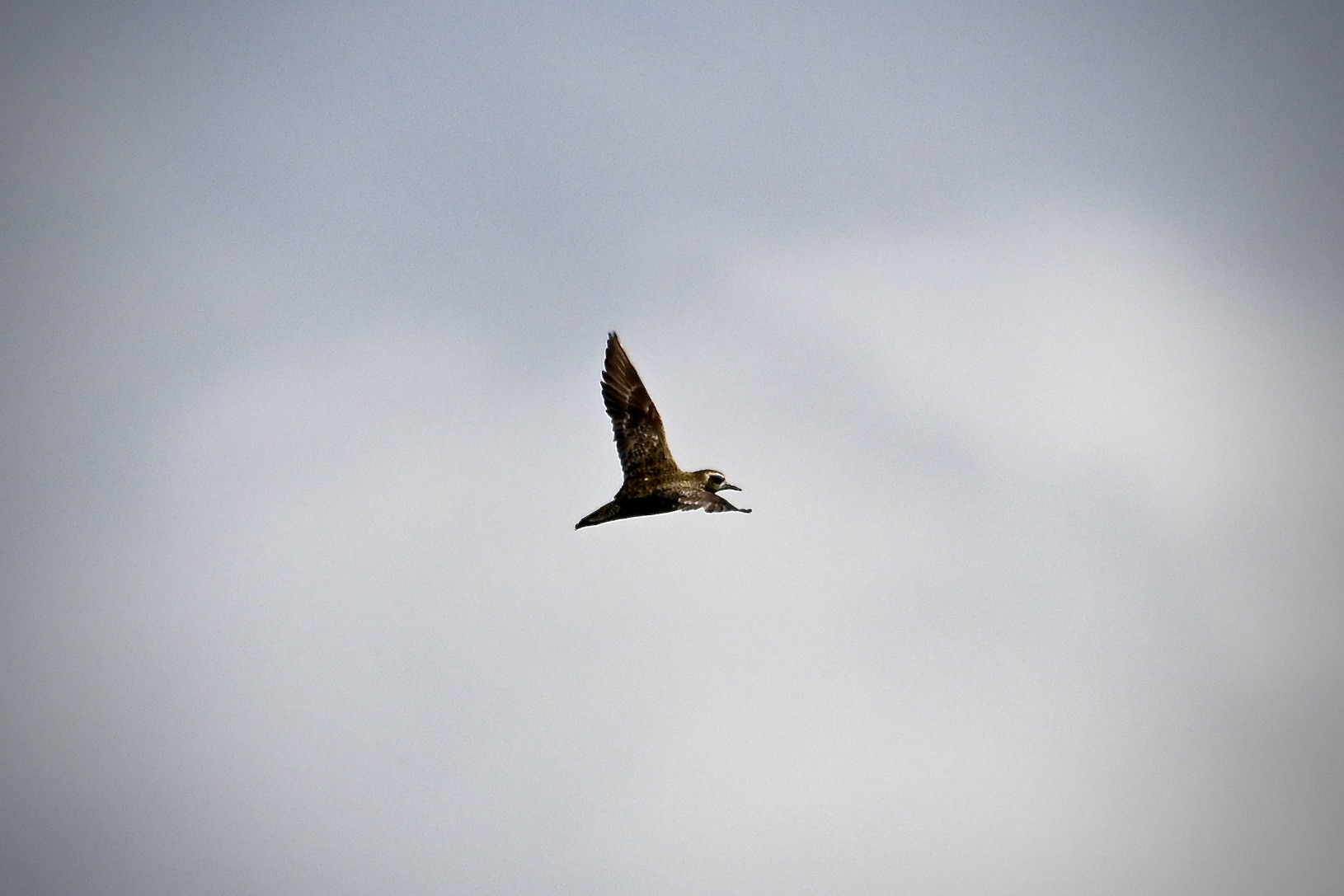
A bird in flight, wings spread wide. The bird coloring is mostly brown.

March 1, 2026

Romans 4:1-5, 13-17
John 3:1-17

Saltiness, sweetness, bitterness, and sourness. Those are the four senses of the human tastebuds. I’ve told stories about the first three over the last three weeks. Shall we go for sour?

Let’s go for sour.

He was the fasted akekeke in his generation (the English name is ruddy turnstone, and there is some reddishness in their brown feathers, and they do turn stones when looking for food). Yes, the fastest akekeke in his generation, and everybody knew it.

After hatching and fledging he’d quickly begun winning races among his siblings and cousins and friends in Alaska. They’d made a short journey to the shoreline where they’d munched on crabs and fish and snails before making the long flight to Hawai’i. That had been his first time, so even though he could fly very fast, he stayed with the other birds and they arrived on the island together.

But as spring approached and the return to Alaska, he started to think about winning.

“I’m going to win the race,” he announced to his friends and cousins.

“What race?” they asked.

“The race back to Alaska,” he said. “I’m going to win.”

“There’s a race?” they said, and they looked at one another in confusion.

“And I’m going to win,” he said firmly, and leaped into the air to practice.

“What are you talking about, son?” asked his father later on. “What race are you flying in?”

“The race to Alaska,” said the young bird. “I’m going to win.”

“But there’s no race,” said his father. “We just fly to the same place.”

“What good is that?” said the fastest akekeke in his generation. “There has to be a race. And I’m going to win.”

And that was that. His father, his mother, his sisters and brothers, his tutus, his cousins, his friends: Nobody could convince him that there wasn’t a race, that there wasn’t anything to win.

“I’m going to win the race,” he insisted.

When the day came for the akekeke to begin their flight to Alaska, he was among the first to take to the sky. He pressed on hard, and rapidly drew to the front of the flock, then beyond it. He was the fastest flyer in his generation, after all.

It wasn’t long before he couldn’t make out the other birds behind him. He was alone in the sky. He was confident, though, that he knew where he was going, and he was also right. He did. It was a long tiresome journey, but he made a successful landing on the Alaskan shores and began hunting for food.

He’d won.

But as he satisfied his hunger, he realized that another hunger remained unsatisfied. He’d won, but there was no celebration. There was nobody there. He was the only akekeke on a long empty beach. He was lonely. It was a sour victory.

It took quite some time before the other akekeke began arriving. It took longer for his father to find him. “How was your race?” he asked his son.

“The flight was all right,” he said, “but you’re right. It wasn’t a race.”

“The victory wasn’t what you thought?” said the father.

“It was sour,” said the son.

“How about now?” asked the father, “with everybody else here?”

The son looked around at the busily feeding akekeke, and the sourness subsided. He felt good again.

“Everybody is in the same place,” he told his father. “We’ve all won.”

by Eric Anderson

Watch the Recorded Story

I write these stories ahead of time, but I tell them from a combination of memory and improvisation. On this day, for example, one of the youngsters raced up to the front, which was a little unfortunate given the theme of the story.

Photo of an akekeke in flight by Eric Anderson.

Story: The Fishing Game

January 25, 2026

Isaiah 9:1-4
Matthew 4:12-23

One of the things that humans do, you’ve probably noticed, is play games. Sometimes they’re running around games, sometimes they’re tossing things back and forth games, sometimes they’re sit around the table and hope you get to move the number of spaces you want to move games. Sometimes they’re quiet. Sometimes they’re noisy. Hopefully they’re fun, because after all, that’s the point.

Humans aren’t only ones who play games. Lots of creatures do. We see it all the time, and probably sometimes without realizing that they’re playing a game. Even when we do recognize that they’re playing, we may not understand the rules.

Some ae’o – that’s the Hawaiian black-necked stilt – were organizing a game and no, I’ve never understood the rules. I know it had something to do with fishing and something to do with cooperating and beyond that, I’m at a loss. It doesn’t matter to this story, though, because this story is about getting the teams together for the game. Which needed teams. You’ve probably had to put together teams for a game, right?

It can be hard to do.

The two ae’o who were recruiting the teams had very different approaches. One of them basically flew and waded and strutted around and screeched at the ae’o that he wanted to be on his team. “You’re on my team! Get over there!” he’d call, usually without indicating where “there” was, and always without asking if they wanted to be part of the game or not. Some of them did want to play, it’s true, and a few wanted to be on his team, but fewer of them wanted to be on his team when they’d been screeched at like that, and even some of those who did want to be on his team couldn’t figure out where the team was gathering, so that didn’t work very well, either.

The other ae’o, it must be said, took more time at it. She went up to each bird, told them she was putting together a team, and asked them if they wanted to play. If they did, she asked them if they wanted to be on her team. And if they did, she invited them to come along with her while she went to ask the next bird. By the time her team was complete, she was being followed by a trail of ae’o, all of them ready to play the game.

The other team leader had finished screeching, but didn’t actually have a full team. Some were lost. Some had said no. And some had decided they had better things to do than be screeched at while playing a game.

Games are supposed to be fun. Which group of ae’o do you think had more fun?

Being a follower of Jesus is supposed to be a blessing. How do you think you might encourage people to follow Jesus?

This is just me thinking, but I think it would look a lot more like what that second ae’o did: one at a time, gently and lovingly, and with a growing flock behind to show that yes, this is how you can find blessing.

by Eric Anderson

Watch the Recorded Story

I write these stories in advance, but I tell them from memory combined with inspiration. The text above does not precisely match the story as I told it.

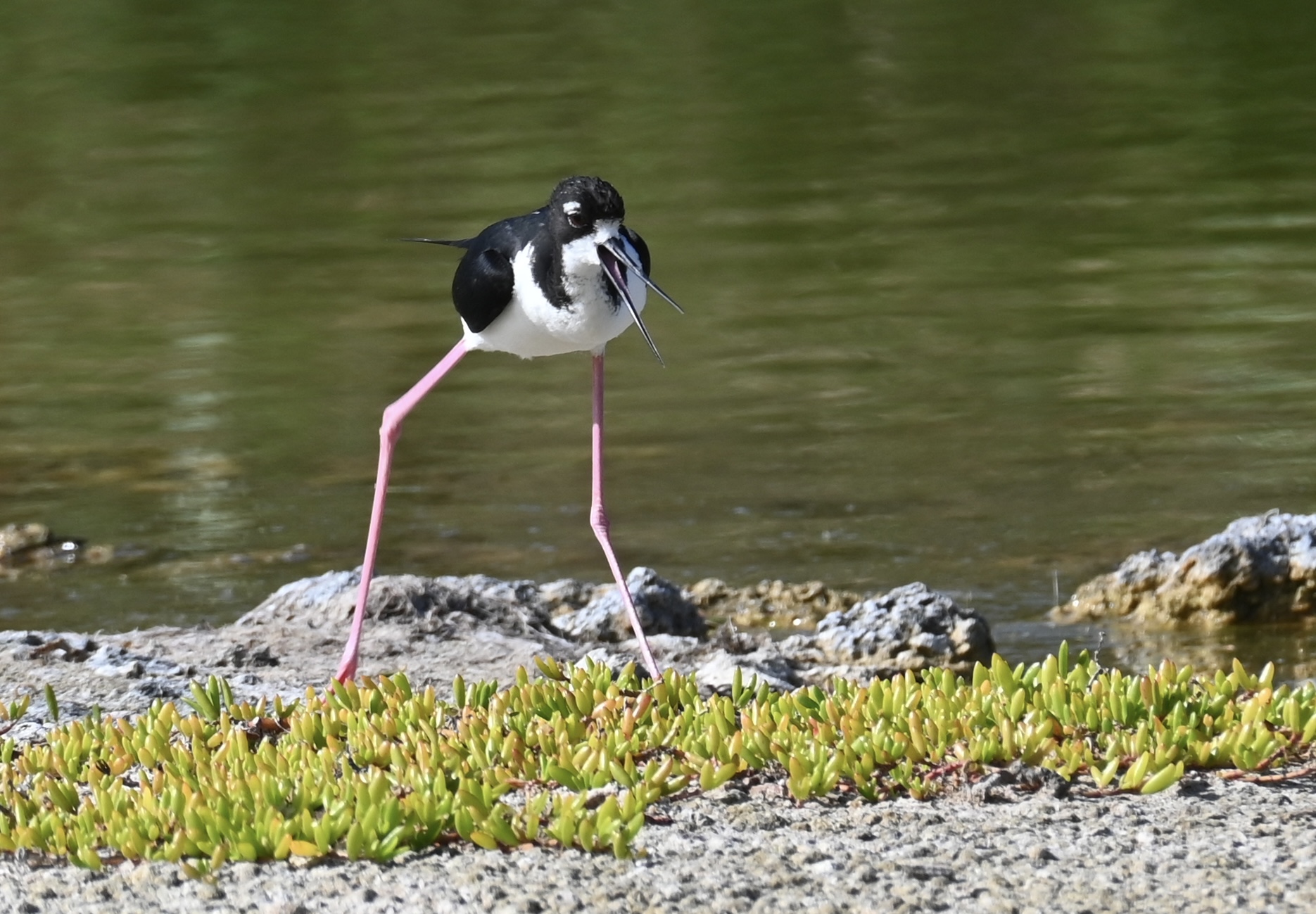
Photo of an ae’o screeching by Eric Anderson.

Story: The ‘Apapane’s Christmas Pageant (2025 version)

December 21, 2025

Isaiah 7:10-16
Matthew 1:18-25

I don’t know how it came into the ‘apapane’s head to organize a Christmas pageant. I don’t even know how he’d heard about Christmas, let alone a Christmas pageant. Nevertheless, he flew all over the island, searching for creatures to take part in the pageant.

He asked the I’iwi, who was feeling grumpy that day and didn’t say yes, or no, or anything at all.

He asked the ‘io, which was very brave of him. The ‘io said she might come and looked… hungry.

He flew down to the shoreline to ask the honu. She said no, she wasn’t going to swim up to the mountain forest, which seemed fair. A house sparrow said he might fly up after he’d finished his bath.

A saffron finch thought it sounded odd but said he might hang around for it. The ‘apapane asked a yellow-billed cardinal and a myna. They both looked doubtful, and then the myna started an argument with some other mynas that wasn’t over when he left to talk to more shorebirds.

The auku’u looked puzzled, but said he’d come. “I’m coming, too,” announced a kolea. “I’ve flown thousands of miles for this. I wouldn’t miss it.”

“If the kolea is coming, I’m coming, too,” piped up an ‘akekeke, and a hunakai said the same.

The koa’e kea announced that she would play Mary, because didn’t Mary have a long tail? The ‘apapane wasn’t sure, so he didn’t argue. An ala’e ke’oke’o asked if there was a good fish pond up in the forest, and when he was told there wasn’t, looked skeptical.

The ae’o said she might turn up. If she felt like it. If she didn’t have anything else to do. The cattle egret said, of course he’d be there. One of his ancestors had been present at the original birth, hadn’t she?

The ‘apapane left the shorebirds to spread the word further and returned to the forest. The oma’o stopped singing barely long enough to say, “Yes.” The ‘alawi just looked nervous and kept hunting insects without saying anything.

He searched long and hard for an ‘akiapola’au, who asked, “What’s that all about?” After listening to the ‘apapane’s explanation, he gave a whistle and flew off into the forest. The nene just stared at him.

When it was pageant time, it was chaos. Creatures stepped into the clearing the ‘apapane had selected, then faded back into the trees again. Frightened chirps flew back and forth, and so did frightened birds. Mejiro and ‘elepaio peeped out from the trees. The mynas announced that they would be the angel chorus, then exploded into another argument.

“What do you need to settle down and play your parts?” shouted the ‘apapane from a tree.

“Is the ‘io here?” asked an ‘amakihi. “Yes,” said the ‘io from the sky overhead. “Are you going to eat us?” asked the ‘amakihi. For a moment there was silence. Then the ‘io said, “No. Not today. Today there’s a pageant to do.”

The ‘apapane spent the next hour answering the questions. The koa’e kea had just flown in from a lava fountain, and since she wanted to play Mary, she did. A kioea had flown up from the shore and wanted to play Joseph. “You’re a rare bird,” said the ‘apapane, so he did. The little ‘elepaio played shepherds while the nene played sheep. The I’iwi didn’t want to cheer up, so he played the grumpy innkeeper. The sleeping pig was cast as a sleeping cow and did it very well.

High overhead the ‘io provided the voice of Gabriel, while ‘apapane, ‘amakihi, mejiro, and mynas sang as the angel chorus. Seabirds and shorebirds took places as creatures of the stable.

When the time came, birds from other shores – a northern cardinal, a red junglefowl, and a pair of zebra doves – played the magi.

The ‘akiapola’au lay just one egg and very rarely, so a young one played Jesus.

When it was over, the creatures vanished back into the trees, leaving the ‘apapane alone in the silence. He’d answered every question, met every need, somehow.

The trees rustled in the breeze, applauding the ‘apapene’s Christmas pageant.

The End.

by Eric Anderson

Watch the Recorded Story

On this occasion, I read from the prepared text (and still made a couple of changes).

Photos by Eric Anderson.

Story: The Best Flock

December 7, 2025

Isaiah 11:1-10
Matthew 3:1-12

An ‘apapane wanted to know what the best way to be a flock is.

There are plenty of examples if you journey around the island. He found an i’iwi, who said, “Keep it small, less than ten. And chase everybody else away. Speaking of which, ‘apapane, it’s time you got out of here!”

He checked with a myna, who said, “Oh, just get a few birds together.” “Yeah,” said a second myna, “but make sure they don’t argue.” “What do you mean by that?” demanded a third myna. “Don’t you get cross with me!” said the first, and the ‘apapane flew away as the mynas argued about… nothing.

The ‘akiapola’au, the ‘akepa, and the ‘amakihi said that it’s useful to join a flock because then some of the predators, like cats and such, get intimidated. “A good flock is one that keeps us safe,” they told him.

That sounded pretty good.

He looked in on the ‘akekeke, who said, “Just stay together!” He asked the kolea, who prefer to keep some distance from one another. He thought about asking some fish, but they weren’t coming to the surface to talk to any hovering birds.

It was the nene, however, who gave him the most to think about.

When he found a nene to talk to, they were gathered around one of their number who’d hurt her wing. The little group was hungry and rather footsore as they trooped along, looking for ‘ohelo berries (or pretty much anything they could eat).

“Why aren’t you flying?” he asked one of them.

“Because she can’t fly for a while,” said the one in front.

“Can’t you leave her while you go eat?” he said.

The nene looked at him as if he’d lost his mind.

“A good flock is one where nobody gets left behind,” the nene said.

The ‘apapane returned to his part of the forest, and gathered his friends and family and any other birds he could. Together they could find food and shelter. Together they could scare off some of the dangers. But most of all, he told them:

“A good flock is one where nobody gets left behind.”

by Eric Anderson

Watch the Recorded Story

I write these stories ahead of time, but I tell them from memory plus inspiration. As a result, the recording of how I told it does not match how I wrote it.

Photo of four nene by Eric Anderson.

Story: Teacher’s Example

November 16, 2025

Isaiah 65:17-25
2 Thessalonians 3:6-13

It’s been a while since I’ve talked about nene school, which hasn’t changed what’s gone on there a bit. Goslings have gone to school, they’ve learned about advanced eating and flying, and some of them have wondered about becoming nene teachers themselves.

There was a time when there were just two nene teachers. Both of them were solid at the job. They could coax a timid flyer into dramatic aerobatics. They could coach a fussy eater into finding a much wider diet – sort of a nene version of heavy pupus. They held their students’ attention. They taught their lessons. Best of all, the students learned.

That’s the mark of a good teacher, when the students learn.

One of the students noticed something else, too.

Both teachers taught that it was important for nene to care for the flock. If you see a storm coming, they said, warn your neighbors. If it looks like a mongoose might be close to a nest, drive them away. If you found a good clump of ‘ohelo berries, call your friends over. Take care of the flock. The other members of the flock will take care of you.

That was an important lesson, and they mentioned it every day.

One of the teachers, though, seemed a little confused about its application. When her students were learning about finding food, she was very helpful. “Look for these colors as you’re flying about,” she’d say. And when they found some, she gave them lots of praise. “Well done, my friends!” she’d say to the beaming young nene.

And then she’d eat the food they’d found.

The other teacher did things differently. He was helpful about finding food, too. “These are the colors to watch for,” he’d say. “Make sure to look side to side.” And like his colleague, he had good things to say to his students when they found that tasty clump of ‘ohelo. “That’s exactly right,” he’d tell them. “Well spotted.”

But then he said, pretty much every time, “Call the other students in. Is anybody hungry?”

As I said, one of the students notice this, and one day he asked his parents about it. “My teachers help me a lot,” he told them, “but when we find food, one of them eats it. I suppose that’s OK; she is the teacher, after all. But the other one invites us to share. Which one am I supposed to learn?”

His parents looked at one another, and then they looked back at him. “Which one makes you feel better?” they asked. “Which one makes you feel like you’re an important part of the flock? Which one seems to be strengthening the flock as a whole?”

“Well, that’s easy,” said their son. “It’s the one who invites us to eat.”

“So which example will you follow?”

He thought about it.

“I spotted some ‘ohelo a few minutes ago,” he told them. “Are either of you hungry?”

by Eric Anderson

Watch the Recorded Story

I write these stories in full ahead of time, but I tell them on Sunday morning from memory and inspiration. The recording does not match the prepared text.

Photo of two nene in flight by Eric Anderson.

We Have the Right

“This was not because we do not have that right but in order to give you an example to imitate.” – 2 Thessalonians 3:9

We have the right to claim whatever we want.
We say.
We have the right to say offensive things
and sneer at those who hear.
We have the right to say to one, “Go here,”
and to another, “Go there,”
and they will go.
We enforce.
We have the right.

Are we any more than irresponsible,
mere busybodies,
tearing down the building of
a blessed community?

Is it not true that we who say,
“The one who does not work,
we’ll let that one not eat,”
do little for our neighbors?

Is it not true that we who say,
“The one who does not work,
we’ll let that one not eat,”
will underpay their workers?

Is it not true that Paul’s example,
sparing those he served from burdens,
that the greatest burden, ignorance of love,
might lift from them, is our greatest call to work?

Is it not true that we are Paul’s
“mere busybodies, not doing any work,”
not building up community.
How can we claim our right to eat?

A poem/prayer based on 2 Thessalonians 3:6-13, the Revised Common Lectionary Second Reading for Year C, Proper 28 (33).

The image is The Multiplication of the Bread and the Fish by Jacopo Tintoretto – http://catalogo.fondazionezeri.unibo.it/ricerca.v2.jsp?view=list&batch=100&sortby=LOCALIZZAZIONE&page=1&decorator=layout_resp&apply=true&percorso_ricerca=OA&locale=it, Public Domain, https://commons.wikimedia.org/w/index.php?curid=79669072.