June 28, 2026
Jeremiah 28:5-9
Matthew 10:40-42
I’m not a fisherman. You’re not likely to find me along the shore with a long fishing rod or standing in the shallows somewhere with a net. What I do know about fishing, however, is a piece of advice I’ve only picked up in recent years.
“It’s called fishing, not catching. There’s a reason for that.”
People who fish spend more time not catching fish than they spend actually catching fish, and that matches my admittedly limited experience.
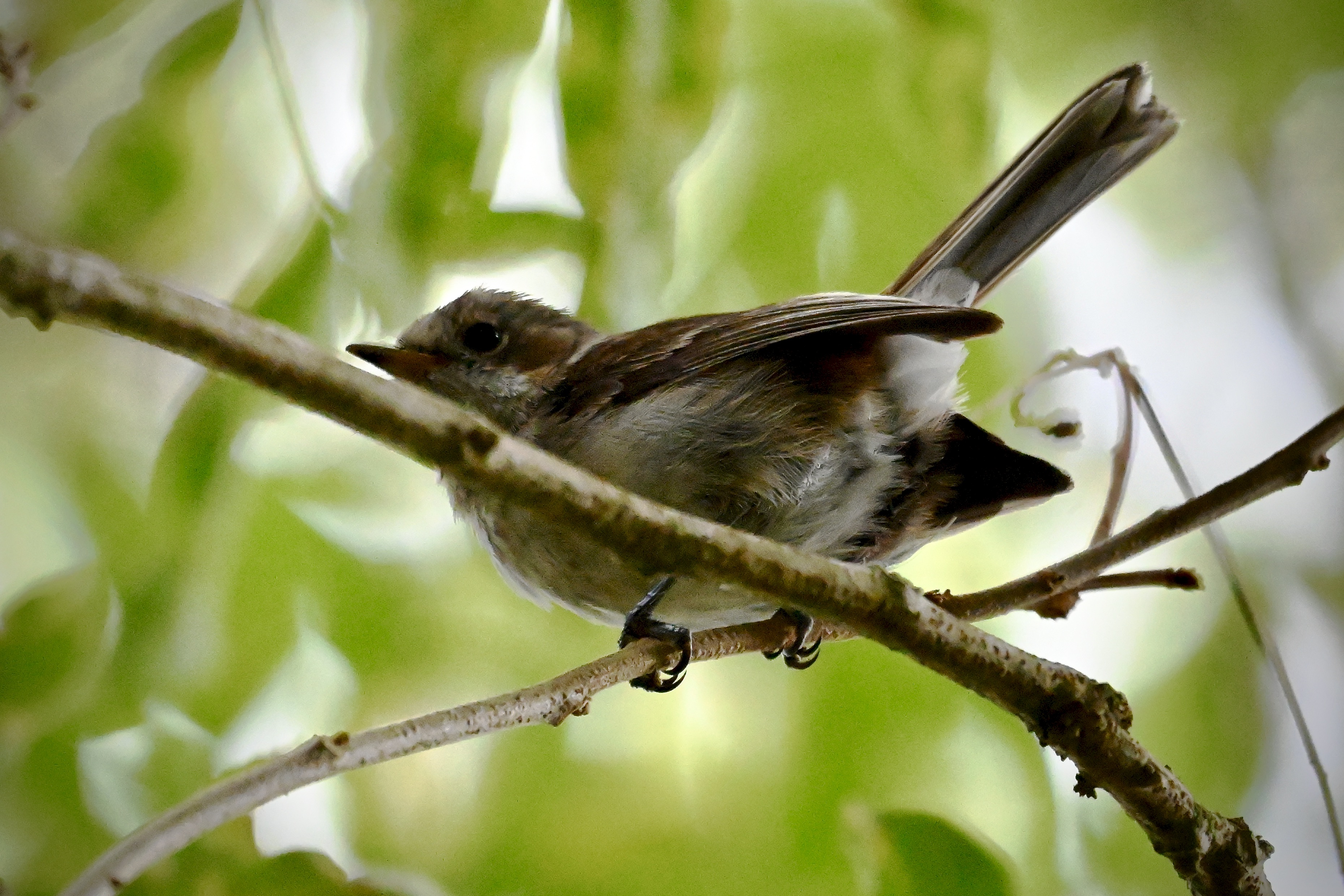
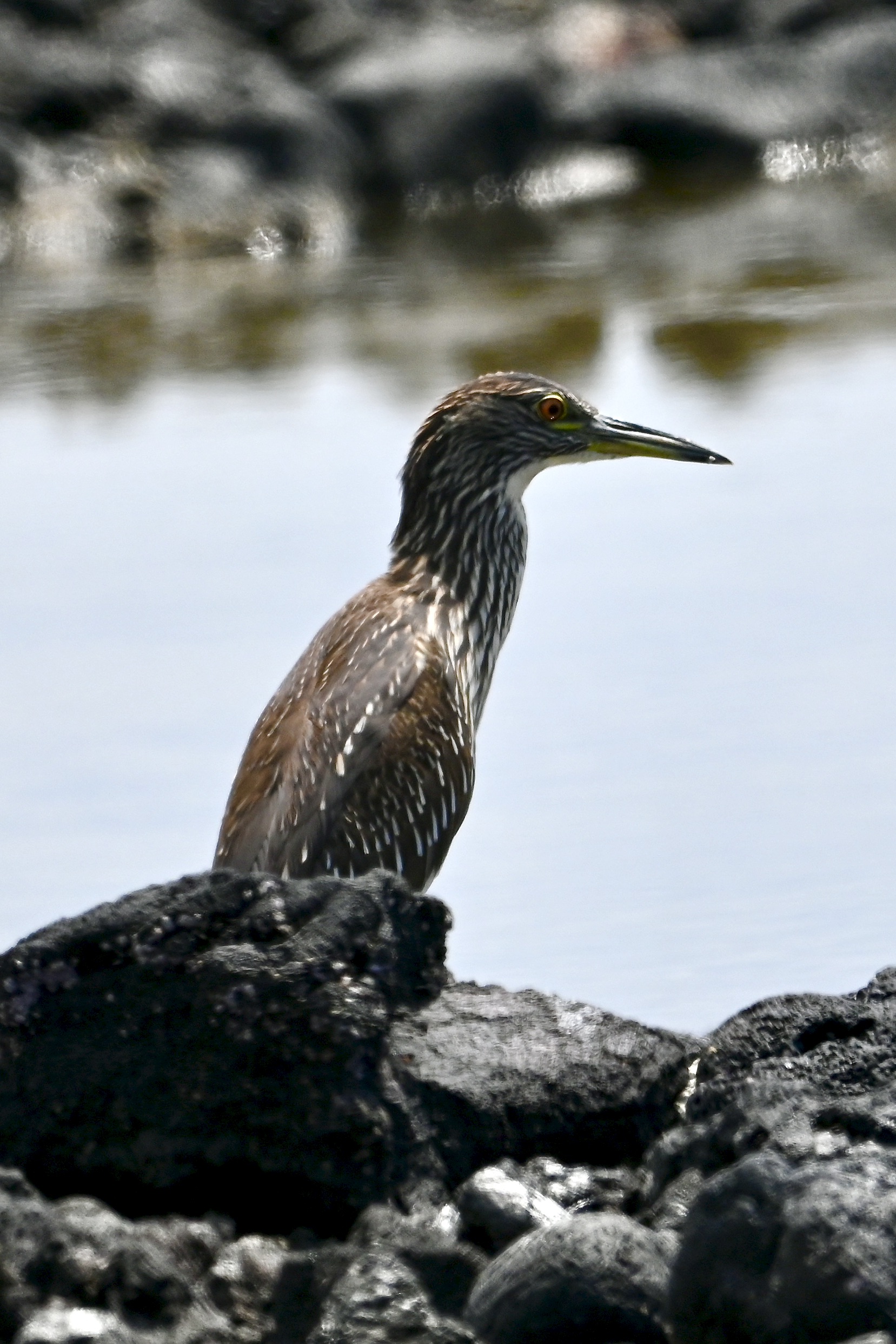
The ‘auku’u doesn’t have much choice about whether to go fishing or not. If you want to eat, and your diet is basically fish, well, you’ve got to go fishing. For our young ‘auku’u here (you can tell she’s young because of her brown feathers and orange eyes; the older ones have blue-black feathers and red eyes), that wasn’t a problem. She liked fishing.
She liked catching better, but she didn’t mind fishing, at least if it led to some catching. The problem was that she wasn’t entirely clear on where to go to minimize the fishing and maximize the catching. That’s one of things you learn if you’re a young ‘auku’u, and she was still learning.
She knew two older ‘auku’u who were happy to give her advice. One was a cheerful uncle of a bird who was always enthusiastic about guiding her to good spots. The other was a rather gloomy auntie, and she was much more likely to say, “Don’t go to this spot; there’s no fish there.” The number of spots she could tell you had no fish in them was impressively long, but also downright depressing. The young ‘auku’u wanted to be told where to go, not where not to go.
So she tended to listen to the happy uncle.
It worked out less well than you’d hope. When she asked him, “Uncle, are there fish in that pool in the next cove?” he tended to say something like, “Oh, my, yes. I’m sure there are. Go have a good breakfast!” Reassured, she’d go see. Sometimes there were fish there, but more times than not, there weren’t.
She learned to ask him, “Have you checked that lately?” but he always said he’d checked it today, and strangely, the fish had often gone somewhere else by the time she arrived.
She did far more fishing than catching in the spots uncle suggested.
Gloomy auntie, on the other hand, didn’t get things wrong very often. There were times when uncle said, “Fish here!” and auntie said, “There’s no fish there,” and auntie had been right. When auntie said she’s found fish recently, there were always fish to catch there. She was always gloomy, but she was often right.
The young ‘auku’u asked her straight out one day: “Auntie, why do you and uncle tell me different things about fishing, and why don’t I find fish where he says more often?”
Auntie considered this question rather sadly, then said, “Niece, I tell you what I actually know about. I know the spots I’ve been to on the day, so I know when there’s no fish there. I might not always know where the fish are, but I can tell you where I haven’t found them.
“Your uncle, on the other hand, likes to tell happy stories, and he doesn’t check things before he tells them. Sometimes he’ll be right by pure chance, but most of the time he just doesn’t know and he says it anyway.”
The young ‘auku’u considered this. “Sunny stories are all very well,” she said to her auntie, “but fishing is fishing and catching is catching, and one of them will have me hungry and the other won’t. If it’s all right, auntie, I’ll ask your advice more than uncle.”
“That’s fine,” said auntie, “and when you have nieces and they ask your advice, try to tell them what you know, and not what you’d like to believe. They’ll eat better that way.”
by Eric Anderson
Watch the Recorded Story
I write these stories in full, but I tell them from memory and improvisation. The story as I wrote it does not precisely match the story as I told it.
Photo of an immature ‘auku’u (black-crowned night heron) by Eric Anderson.