Story: A Tree Falls

July 20, 2025

Amos 8:1-12
Luke 10:38-42

The oma’o’s heart was in the right place, mostly. The physical heart was, of course, in the right place in his chest and beating regularly. His emotional and spiritual heart was maybe a little bit off to the side, because while he was thinking a little bit about another living thing, it has to be said that he mostly was thinking about himself.

It was a thinnish koa tree that he chose to protect. Its leaves were pretty thick even if its trunk wasn’t the widest. He liked the flavor of its flowers. There were some other birds that did, too, and he began to chase them away whenever he saw them. “I’m preventing them from over-feeding,” he said to himself. “That way the flowers can bloom and the fruit will grow.”

There were also bugs and caterpillars on the trunk and branches of the tree. Some of those he ate, because an oma’o will eat just about anything. Most of them he ignored. Oma’o might eat anything, but when there’s fruit around, they’ll eat that.

But he also wouldn’t let other birds approach the tree to eat the bugs, either. He chased away ‘apapane and ‘amakihi, ‘alawi and ‘elepaio. He even chased away the hook-beaked ‘akiapola’au after he caught one digging into the tree bark with its short lower beak.

“Stop digging into this tree!” he shrieked. “You’re hurting it!”

“This caterpillar in the bark is hurting it,” said the ‘akiapola’au. “I’m getting it out.”

“Not while I’m around!” shouted the oma’o, and chased the other bird away.

As the days went on, the koa leaves started to turn funny colors and droop. When the oma’o landed on a branch, it didn’t spring back up the way it had. Twigs dried up and fell away. Leaves littered the ground around the base of the trunk.

“That tree is sick,” said an ‘elepaio to the oma’o. “It’s got too many bugs. Let us help!”

“No,” said the oma’o. “You’ll hurt it.”

“Look at all those caterpillar tracks below the bark,” said an ‘akiapola’au. “Let us dig them out. The tree will get better.”

“I’m not letting you anywhere near this tree,” said the oma’o.

Even he had to admit that things weren’t going well. He no longer ate flowers from the tree, because there weren’t any. He visited other trees for fruit. There were plenty of bugs to eat, but when he ate some, there were always more.

When a tree falls in the forest, it does make a noise. The birds hear it. And they cry about it.

The birds heard the oma’o’s tree fall. And they cried.

“Why are you crying?” the oma’o asked an ‘elepaio. “It was my tree, not yours.”

“I’m crying because that tree could have been a place to nest for decades,” said the ‘elepaio. “It would have sheltered my family in the rain,” said an ‘amakihi. “It would have fed my children and my grandchildren,” said an ‘akiapola’au.

Looking around, the oma’o realized that not only had he hurt the tree he’d called his own, he’d hurt all the birds around. Not only that, he’d hurt future generations.

When a tree falls in the forest, the sound of its fall echoes into the future.

by Eric Anderson

Watch the Recorded Story

I write these stories in advance, but I tell them from memory (plus improvisation), so it does not match the text you just read.

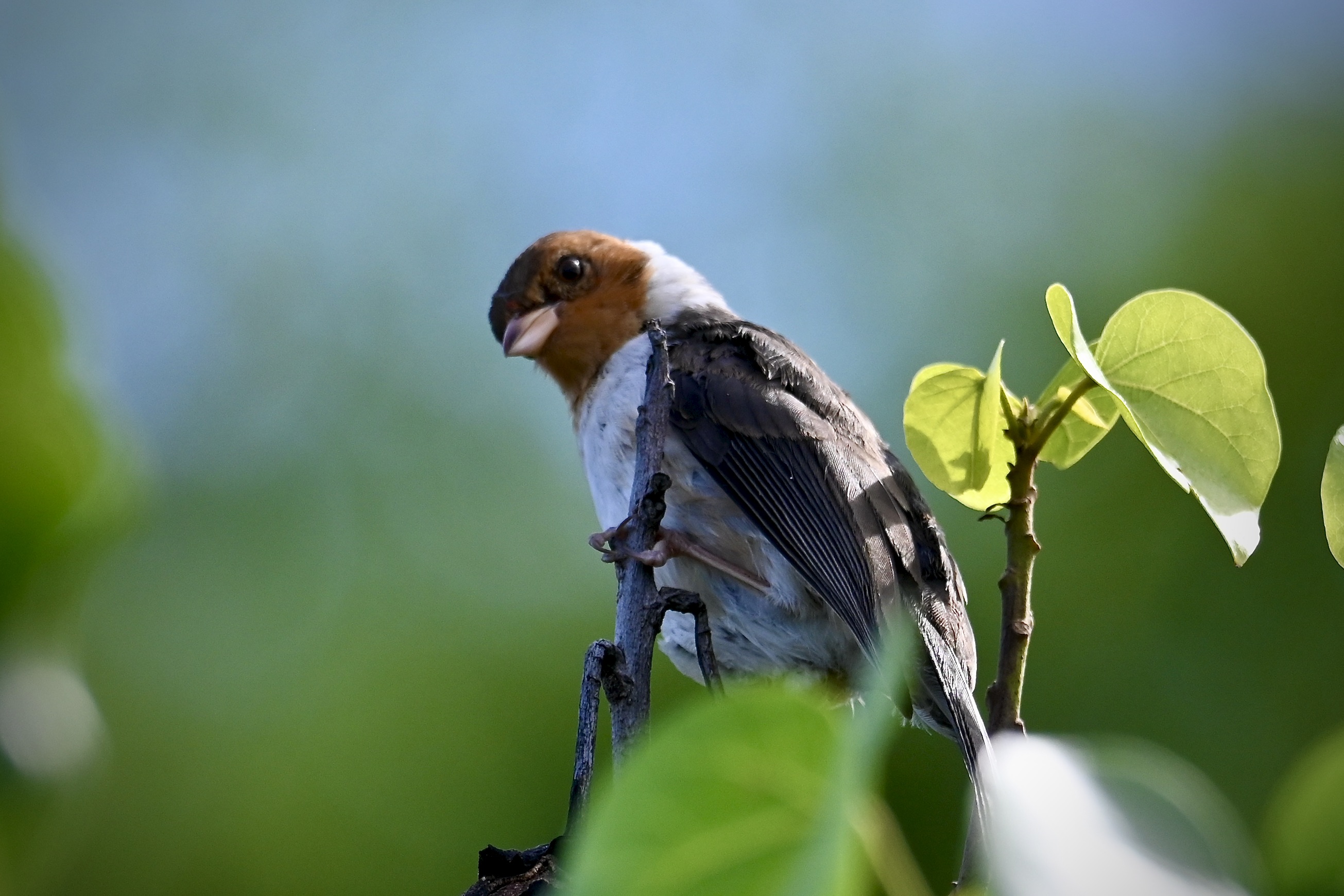
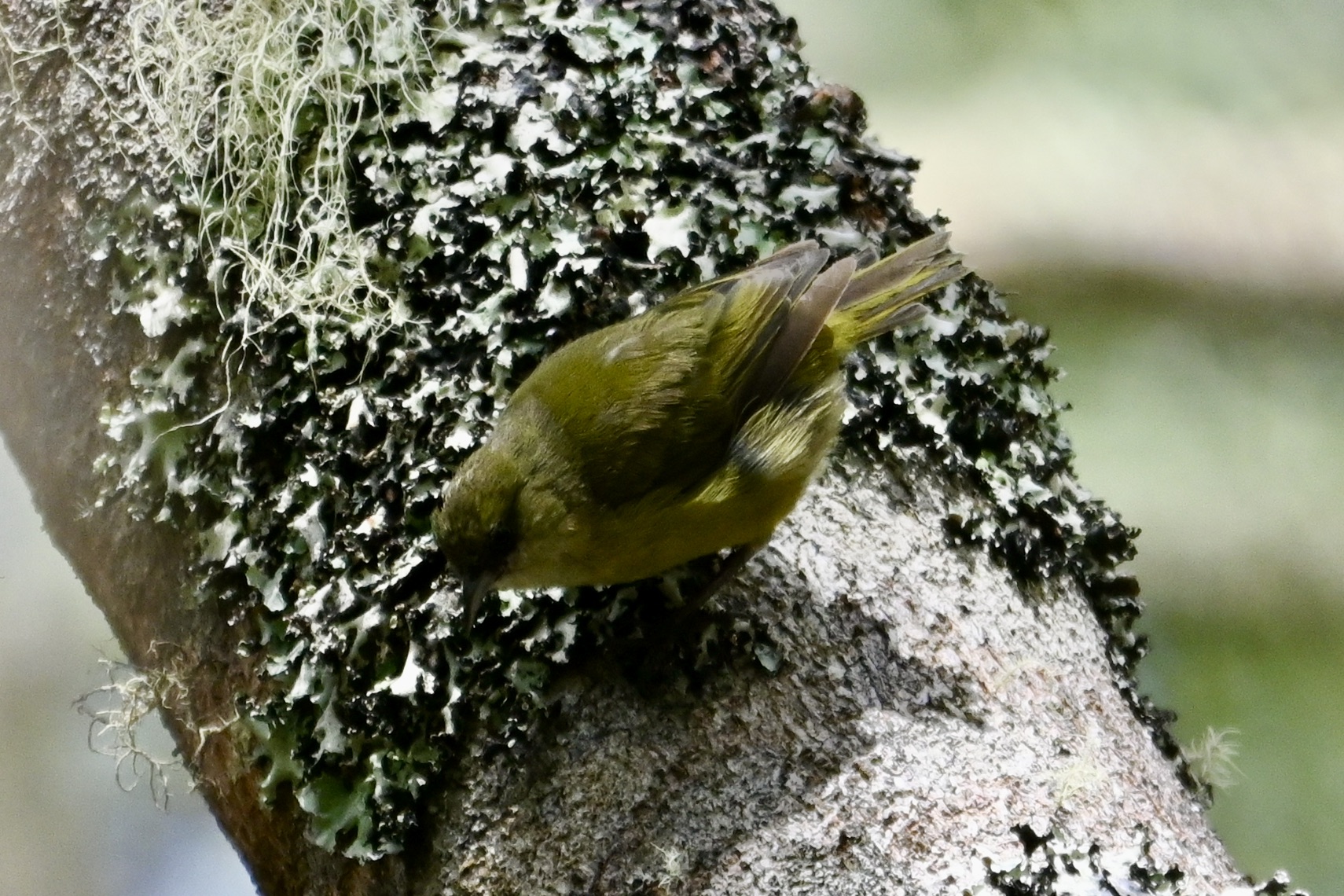
Photo of an oma’o by Eric Anderson.

The Fading of Summer Fruit

“This is what the Lord GOD showed me: a basket of summer fruit…

“The time is surely coming, says the Lord GOD, when I will send a famine on the land, not a famine of bread or a thirst for water, but of hearing the words of the LORD.” – Amos 8:1, 11

Your summer fruit, O God
(and in these islands fruit of winter, fall, and spring),
is filled with flavor, brightly colored,
nourishing to body and to soul.

Your summer fruit, O God,
is not like fruit of human avarice,
which may be rich in flavor,
but when it grows from stems of greed

It rots much quicker in the heart.
It sickens not just those who eat,
but also those who see the way
to grow rapacious wealth

And plant their poisonous seeds as well.
So we have seen, and now we see,
your warning via Amos, God,
against the ones who grow their fruit

by trampling on the needy,
ravishing the poor,
rushing to sell short
and place their thumbs upon the scales.

The poor are sold for silver and
the needy are worth less than shoes.
E’en so the fruit of greed decays
and poisons all who breathe its stench.

A poem/prayer based on Amos 8:1-12, the Revised Common Lectionary First Reading for Year C, Proper 11 (16).

Photo by Alan Levine (cogdogblog) – https://www.flickr.com/photos/cogdog/5073842069/, CC BY 2.0, https://commons.wikimedia.org/w/index.php?curid=57008876.

Caption from the original photo

@dailyshoot: 2010/10/11: Let’s start out the new week by making a photo with a red point of interest. Make sure your subject really stands out. #ds330

Don’t get close to my rotten tomatoes. After all the effort to grow them, being sick, I’ve not had time or energy to cook with them. These two went to the compost, the basket to the trash, and the remaining toms to a neighbor who can use them right away.

Neighbor

“[Jesus asked the expert in the law] ‘Which of these three, do you think, was a neighbor to the man who fell into the hands of the robbers?’ He said, ‘The one who showed him mercy.’ Jesus said to him, ‘Go and do likewise.'” – Luke 10:36-37

We all know the story, O Jesus – a credit to you
that we understand its scandalous message
even today. “Who is my neighbor?” “The one who shows mercy.”
Even the one whom we view eyes askance.

We all know the story. We’ve not softened its meaning.
If we would be neighbors, the model Samaritan
shows us the way. I just have one question:
When did we choose that we would not be neighbors?

Mercy lies bleeding on the stones of the highway.

A poem/prayer based on Luke 10:25-37, the Revised Common Lectionary Gospel Reading for Year C, Proper 10 (15).

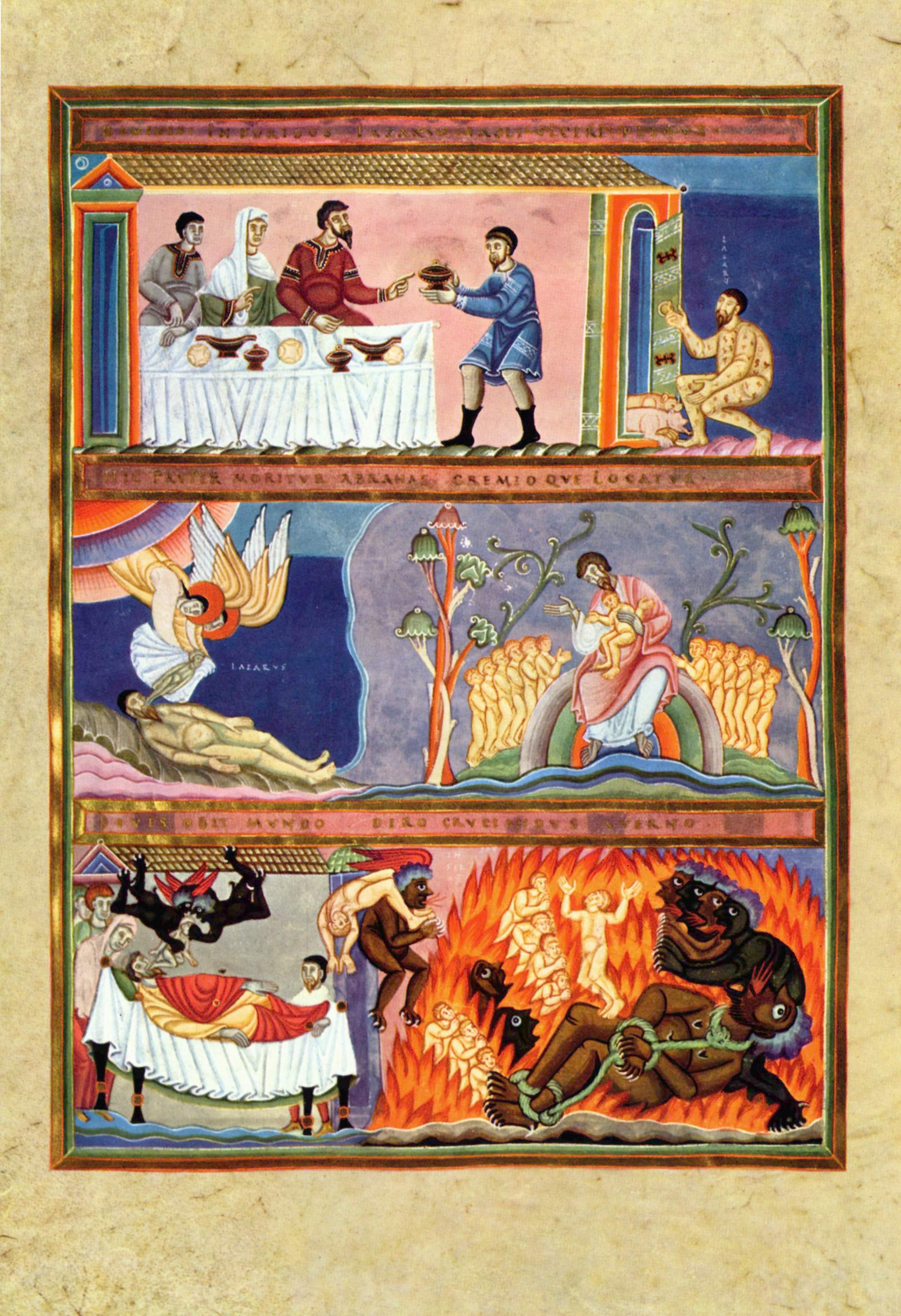
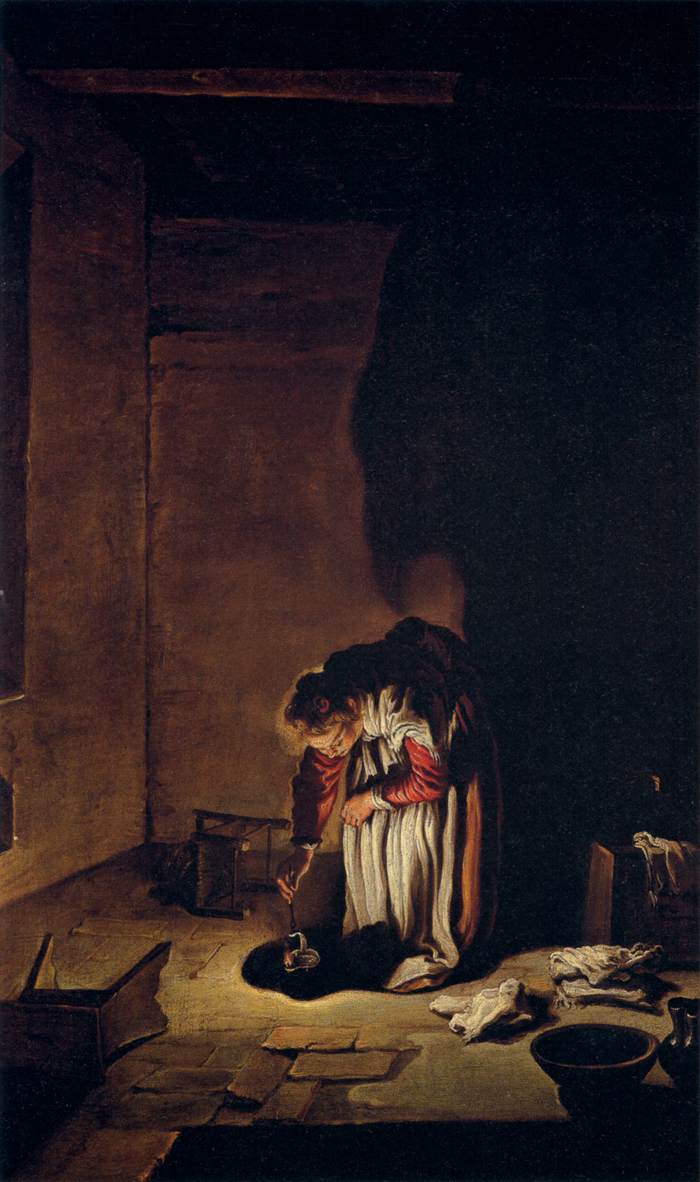
The image is Den barmhjertige samaritaner (The Good Samaritan) by Elisa Maria Boglino (1928) – Eget foto af maleri udført af (own photo of painting of) Elisa Maria Boglino, CC BY-SA 4.0, https://commons.wikimedia.org/w/index.php?curid=73771804.

Story: The Soaring Hero

July 6, 2025

Galatians 6:1-16
Luke 10:1-11, 16-20

If you go up to the summit of Kilauea, look around for some white birds with long white tails flying about. I mean, they might be there when you’re there, and they might not, but take a look. If they seem to be gliding about on the warm air that rises above the volcano, you’ve seen a koa’e kea, the white-tailed tropicbird.

Koa’e kea fish far out to sea, so they’re not flying about the volcano summit looking for food. They do like to nest on the pali, the cliffsides, around Kaluapele. And, unusually for this bird that’s found all around the world, they like to soar.

It’s not just at the Kilauea summit. I’ve seen koa’e kea soaring above the water pool below Wailua Falls on Kauai. Those birds certainly looked like they were having fun.

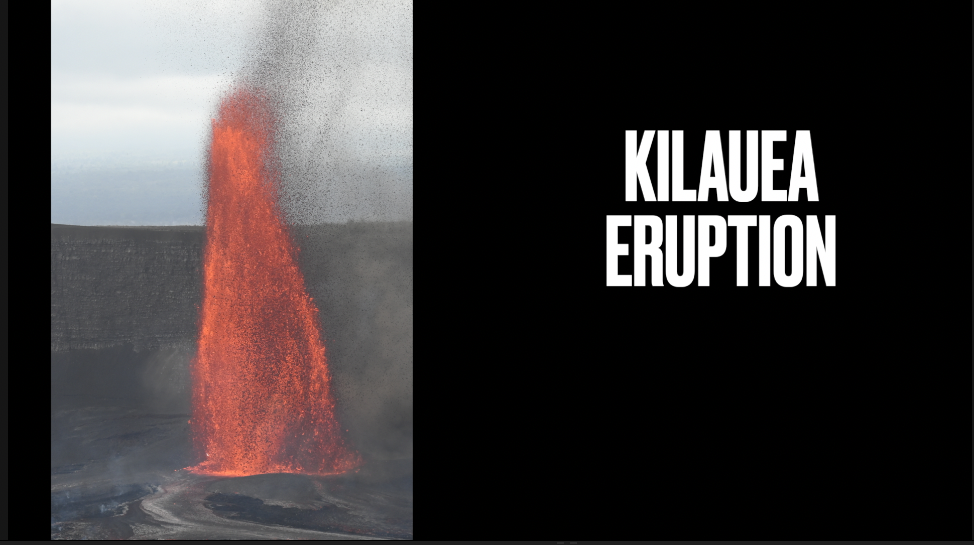
Something Kilauea has that Kauai doesn’t is hot lava. For these last few months, Kilauea has sent these amazing plumes of lava high into the air, and it’s been flowing out on the crater floor and raising it higher. It’s been impressive. So what have the koa’e kea been doing when there’s been hot rock of about 2,000 degrees flying in the air?

Well, they’ve been flying right next to it, riding the hot air rising over the pooling lava, and getting far closer to the lava fountains than I would ever go.

One young koa’e kea was particularly fond of soaring over the lava, and every time the jets spouted into the air, there he’d be. He liked to toy with getting closer and closer to the plumes. He was sensible enough to keep from getting burned, and he stayed away from the rain of hot rock and ash, but he got close enough to make all the other birds of his generation go, “Wow!”

A photo of a lava fountain with a white bird flying between it and the viewer.

“Wow! You got so close!”

“Wow! You must be brave!”

“Wow! You must be a hero!”

I’m afraid it went to his head. He started to strut when walking, which is a difficult thing for a koa’e kea to do. It’s built for flying, not walking. More than that, though, he started to look down his beak at his friends who wouldn’t fly as close to the lava as he would. “You’re not so brave, are you?” he’d ask. “When are you going to be a hero?” he taunted. He left a lot of bad feeling behind.

Even his flying showed how arrogant he was, and it wasn’t pretty. It just said, “I’m better than you.”

His father joined him as he soared one day. “You’re flying well, son,” he said, “but maybe you could turn down the attitude. It doesn’t suit you.”

“It certainly does,” said the son. “I’m the brave one. I’m the best. The rest can just deal with it.”

“You’re certainly brave,” said his father, “but do you know what ‘koa’ in our name means?”

“No,” said the younger koa’e kea, who spoke bird, but not Hawaiian.

“It means ‘hero,’” said his father. “We’re all heroes. And if you’re a little braver than most, realize that someone else is certainly as brave as you. Be glad that you can fly in the rising air, and take joy in all the wonder of it all. Others of our kind don’t get that chance, and plenty of other birds can’t do what we do at all.

“Be glad, son, but leave the pride behind. It doesn’t add to your happiness. It just hurts the ones who love you.”

by Eric Anderson

Watch the Recorded Story

I write these stories in advance, but I tell them from memory and interaction, so the way I told it is different from the way I wrote it.

Photos of koa’e kea and lava fountains by Eric Anderson.

Exultant

“[Jesus said,] ‘Nevertheless, do not rejoice at this, that the spirits submit to you, but rejoice that your names are written in heaven.'” – Luke 10:20

Jesus – May I call you Jesus?
“Mister of Nazareth” doesn’t glide from the tongue.
Jesus – yes, Jesus – can I offer some help?
Your marketing skills are frankly first century.

You’ve got seventy people who are all on a high!
What things they accomplished!
What heights they’ve attained!
They may not have seen the fall of a devil,

But then, who has?

Now, Jesus – yes, Jesus – let’s get to brass tacks.
They’re open. They’re glowing. They’re all fired up.
That’s the time when the iron is hot. So strike!
Whatever it is that you’re selling, they’ll buy.

But Jesus – oh, Jesus, may I call you Jesus? –
why throw cold water on bright red-hot steel?
They’d follow you anywhere, until that sad moment
you quenched their enthusiasm at the power they’d found.

C’mon, Jesus, why?

So try it again. This is a disaster,
but you can recover. I know that you can.
Praise them for their power. I tell you, they’ll love it.
And then, O and then, what they’ll buy! What they’ll buy!

Oh, yes. What they’ll buy.

A poem/prayer based on Luke 10:1-11, 16-20, the Revised Common Lectionary Gospel Reading for Year C, Proper 9 (14).

The image is “Christ Came into Galilee” by Phillip Vere. From “An illustrated commentary on the Gospel of Mark” by Phillip Medhurst, between 1791 and 1795. FAL, https://commons.wikimedia.org/w/index.php?curid=34448342. This isn’t an illustration of the return of the Seventy, but I really like the way Jesus’ extended hands seem to be pushing down on the emotional level.

Myna Distraction

June 29, 2025

Galatians 5:1, 13-25
Luke 9:51-62

It had been hot and dry. Most creatures, including people, don’t get too surprised by warm weather in East Hawai’i. We get upset if the trade winds subside for very long, but let’s face it. We’re in the tropics. Hot weather comes with that.

Dry, however, was strange and uncomfortable. The grasses didn’t grow as well, so there weren’t as many seeds around. Bugs went looking in different places for their meals, so they were harder to find. As for the worms, well. They dug deeper into the soil, making it harder and harder for the birds to find a meal.

Some of the birds started getting anxious.

“We have to do something,” announced a myna as they hopped around a lawn, picking over the picked-over grasses for a seed somebody had missed, or a careless spider, or a worm that had, for no reason anyone could think of, taken a wrong turn and emerged on the surface.

“Yes, we do!” agreed the other mynas.

“What do we do?” asked one after it became clear that the first myna had said all he was going to say.

“We need to find more worms,” said one.

“We need to find more seeds,” said another.

“We need to keep the worms and seeds we find for ourselves,” said a third. And now, everybody listened.

“Yes!” said another myna. “We’ll drive other birds away and we’ll have all the food.”

“Great!” said yet another myna. “And who will do the driving away?”

“The biggest ones,” said a smaller myna. “They’ll scare the finches away.”

“And while we’re driving them away,” said a big myna, “what will you smaller ones be doing?”

“Waiting for you,” said a smaller myna innocently.

“Yeah, right,” said a big myna, and suddenly the whole flock erupted into an argument about who would guard, and who would eat, and who would wait to eat.

While they argued, a pair of house sparrows landed on the lawn nearby and started hunting for seeds and bugs. They didn’t find a lot, but they did find some.

“What are the mynas arguing about?” said one of the sparrows to the other.

“Who gets to eat,” said the second.

“Why?” asked the first. “While they’re arguing nobody gets to eat.”

“I don’t know,” said the second. “It seems like a distraction to me.”

“That’s what it is,” said the first. “It’s a myna distraction.”

The two of them ate together for a while, then flew off to another place, while the myna distraction went on.

by Eric Anderson

Watch the Recorded Story

I write these stories in advance, but I tell them from memory and with a certain amount of improvisation, so what you have just read will not match how I told it on Sunday.

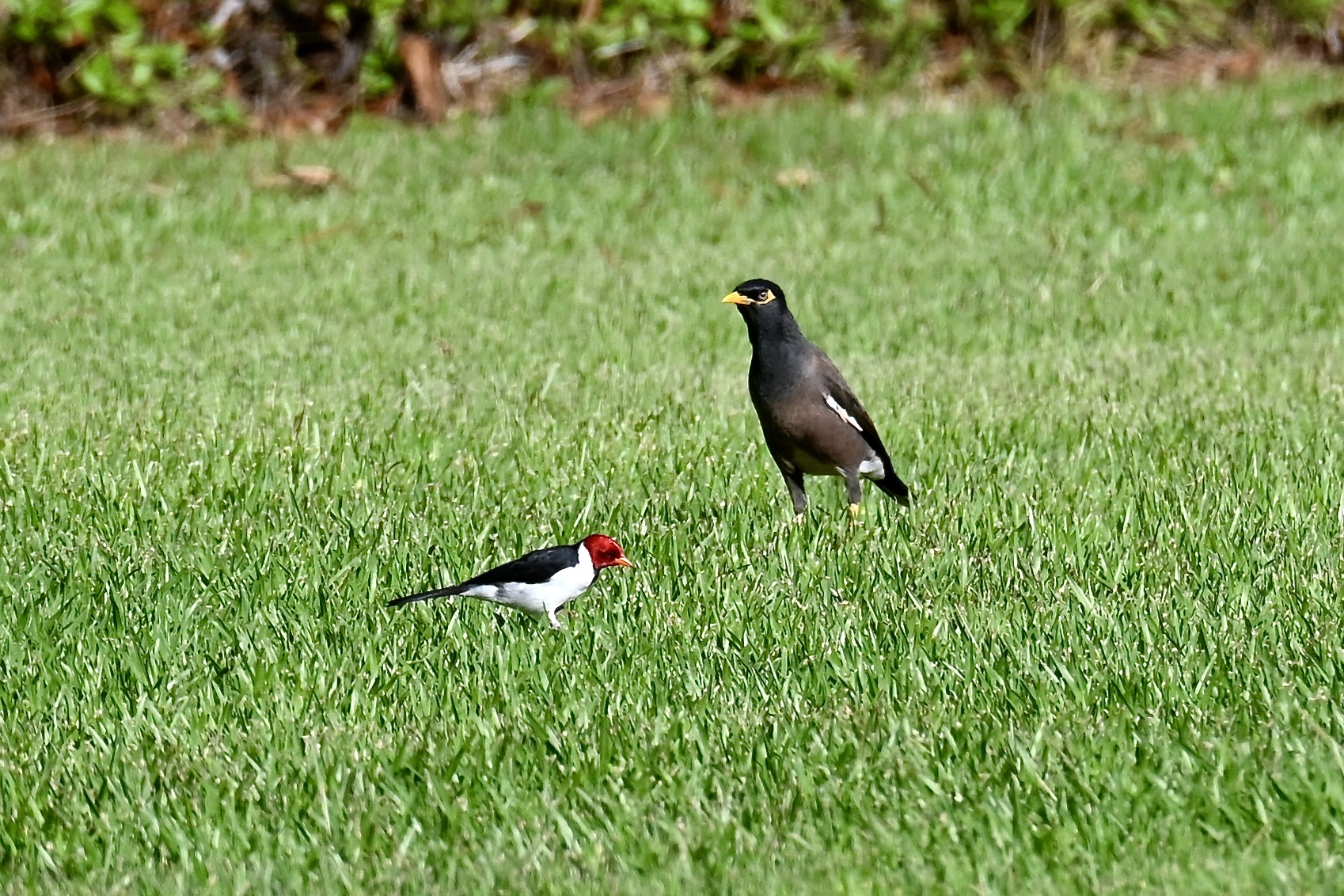
Photo of two common mynas by Eric Anderson.

Who Do You Say I Am?

“And he sent messengers ahead of him. On their way they entered a village of the Samaritans to prepare for his arrival, but they did not receive him because his face was set toward Jerusalem. When his disciples James and John saw this, they said, ‘Lord, do you want us to command fire to come down from heaven and consume them?’ But he turned and rebuked them.” – Luke 9:52-55

Did I not ask you, not so long ago, who you say I am?
James? John? Do you remember that?
I guess you thought I was Elijah, after all
(or that you were?), to call down fire
on the captains and the fifties, or onto their
Samaritan descendants in this village.

Did I not say that those who’ll follow me will bear
a cross, and lose their life to save it? And were
you listening to me, or to your glorious dreams?
No wonder that the heavenly voice which called me “Son”
demanded that you listen to me – since you weren’t.
And now you want to destroy lives with heavenly fire.

Well, no, my friends, we won’t do that.
We’ll make our way on by, and take our rest
where people offer welcome out of grace,
not out of threat, and we will tread
a Via Dolorosa, you and I and all our friends,
to show God’s love will not be bounded by

rejection much more thorough, drenched
in blood’s finality, a breath unfinished,
body broken, and forsaken by my friends.
No, James and John, the world is filled with fires;
no need to summon them from heaven’s vault.
What’s needed is to love, and love, and love.

A poem/prayer based on Luke 9:51-62, the Revised Common Lectionary Gospel Reading for Year C, Proper 8 (13).

Photo of lava fountains on Kilauea by Eric Anderson (May 25, 2025).

Angels

“Then [Elijah] lay down under the broom tree and fell asleep. Suddenly an angel touched him and said to him, ‘Get up and eat.'” – 1 Kings 19:5

Be the angel, O God,
when I am weary and frightened,
when the burdens oppress me,
and I despair of my life.

Bring me food.
Bring me water.
Let me rest.

When another is weary
and frightened, O God,
when the burdens weigh down
the hope of new life,

May I bring food.
May I bring water.
May I bring rest.

May I be your angel.

A poem/prayer based on 1 Kings 19:1-15a, the Revised Common Lectionary First Reading for Year C, Proper 7 (12).

The image is Elijah in the Wilderness by Frederic, Lord Leighton (1877-1878) – uQG9WGfbc10kDw at Google Cultural Institute maximum zoom level, Public Domain, https://commons.wikimedia.org/w/index.php?curid=21878932.

Story: Truth and the ‘Akiapola’au

June 15, 2025

Proverbs 8:1-4, 22-31
John 16:12-15

Birds are pretty honest creatures. They sing when they’re happy, and they screech when they’re mad. They give alarm calls when they’re scared, and they make hungry noises when they’re hungry.

An ‘akiapola’au  used to follow ‘elepaio through the forest to find food. The funny thing is that ‘elepaio and ‘akiapola’au don’t eat the same things. ‘Elepaio like bugs and spiders, which I don’t, to be honest. ‘Akiapola’au will eat those, it’s true, but they prefer the worms, caterpillars, and bugs that burrow into the wood of koa trees. It’s been noticed that a tree full of bugs and spiders is probably also one that’s full of burrowing insects, too. The Hawaiian canoe makers knew that, and the ‘akiapola’au knows it, too.

The ’elepaio could be trusted to tell the truth.

This one ‘akiapola’au, however, came up with a new idea one day. You see, while he was following the ‘elepaio, other birds were following him. He worried that they’d eat all the food before he did. The fact that none of them ever left the trees hungry didn’t seem to make a difference. He had to protect his food.

He thought.

Not that it was his food before he ate it, but anyway.

So he developed the habit of tapping at tree branches that didn’t have bugs in them. ‘Akiapola’au do that to find where things have burrowed into a tree, but he started doing it, and then digging where he hadn’t found any. It attracted other birds. They’d come in to see.

And he’d fly off to some other tree where he’d try to find something he could actually eat.

The result was a fair number of frustrated birds, who’d look around where he’d been tapping and find fewer spiders and insects than they expected. They went to bed somewhat hungry.

He was pretty satisfied with his trick when his auntie turned up after a day of tapping on insect-free trees. “Nephew, why are you spending so much time hunting in trees without food?” she asked.

“Don’t tell anyone, but I’m drawing the other birds away from the good trees,” he said. “I don’t want to run out of food and be hungry.”

“So you’re lying to them?” she asked. “And before you say, ‘No,’ don’t think about lying to me.”

“I don’t think I’m lying to them,” he said.

“You’re acting as if there’s food where there isn’t. You don’t have to say a word. It’s still a lie. It’s a lie that’s bringing hunger to our forest when it isn’t necessary. There’s plenty to eat. Isn’t there?”

“I guess so,” he said.

“As for you, you’re spending so much time in trees without food: how hungry are you when you go to sleep?” she asked.

He realized that, in fact, he spent so much time in trees without caterpillars that he was hungry at the end of most days. His lie meant that he wasn’t eating enough.

“No lying, nephew,” said auntie. “It’s not worth it and it never was. Go find the trees with food in them, and share the word with the other birds around us. We’ll all be better for the truth.”

by Eric Anderson

Watch the Recorded Story

I write these stories in advance, but I tell them from memory and inspiration. On this particular day, I’d happened to speak to one of the young people the night before on a video call, where I told him that I’d be telling him a story the next day.

Photo of an ‘akiapola’au (adult male) by Eric Anderson.

Guide to Truth

“[Jesus said,] ‘When the Spirit of truth comes, he will guide you into all the truth; for he will not speak on his own, but will speak whatever he hears, and he will declare to you the things that are to come.'” – John 16:13

May the Spirit of Truth visit me, O Holy One,
for I live squinting into trees, struggling to
discern the movements of the Spirit’s wings
from the motions of the tossing wind,
a wind which might reflect the Spirit, too.

I strain to disentangle fern and feather, branch and beak,
blossoming lehua from the nectar-feeder there.
Through magnifying glass and brightening screens
you’d think I’d recognize the truth above,
but still I struggle to keep focus on the Truth.

Perhaps I should lay down the lenses and
the sensors that record the light, set my ears
to listen to the Spirit’s various calls,
and find the Truth in other medium
than sight.

A poem/prayer based on John 16:12-15, the Revised Common Lectionary Gospel Reading for Year C, Trinity Sunday.

Blurry photo of an i’iwi in juvenile plumage by Eric Anderson.