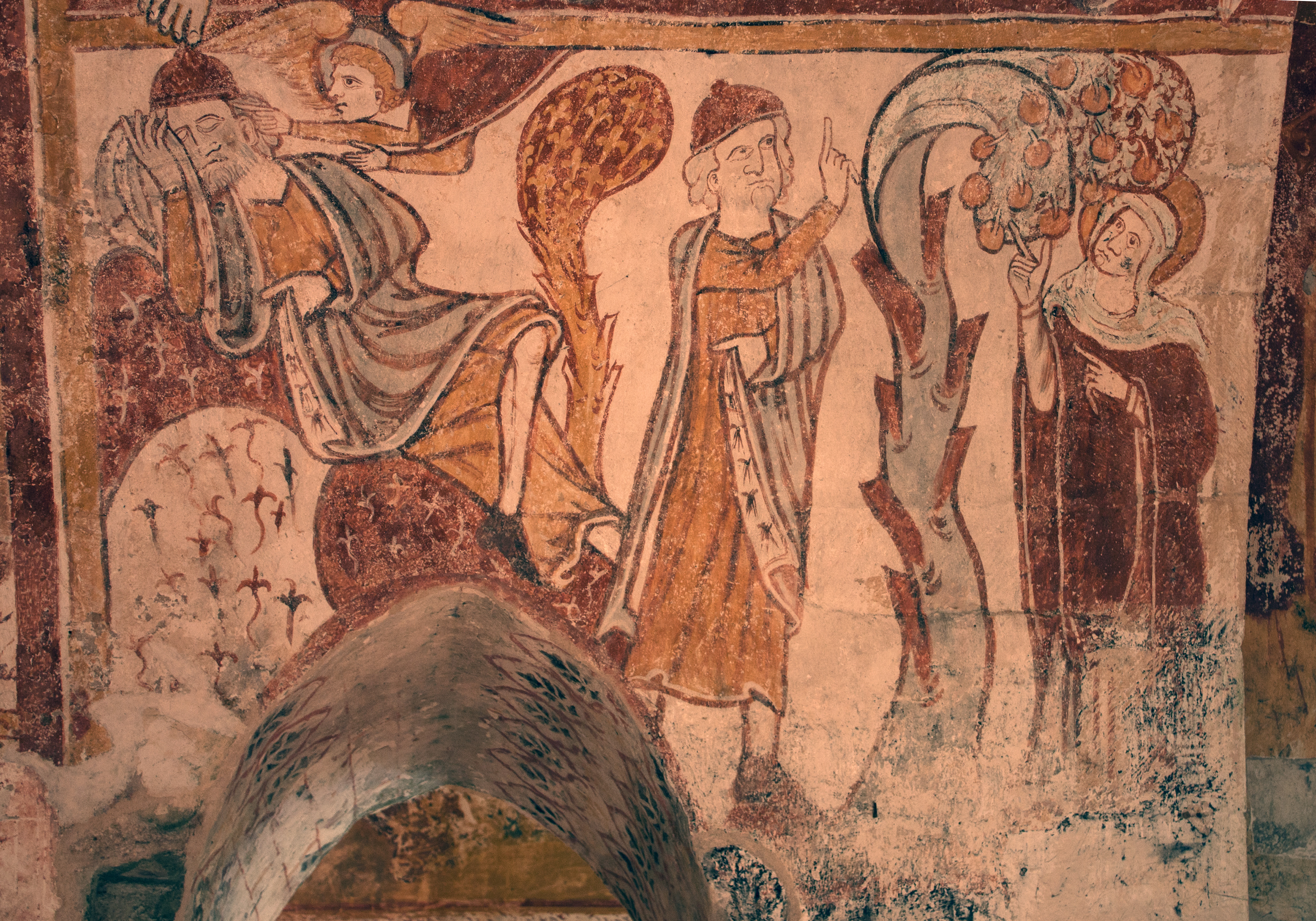
Take Your Watchpost

“[Jesus said,] ‘Would you not rather say to him, “Prepare supper for me; put on your apron and serve me while I eat and drink; later you may eat and drink”?'” – Luke 17:8

Stand at your watchpost, Holy One, and see,
if I have brought your sustenance to table
where the hungry you have called are blessed
by word, and heart, and bread.

Stand at your watchpost, by the door,
to see if any leave with bellies pinched,
with faces sad, with spirits quenched.
See if your banquet has been served.

Stand at your watchpost, Jesus, to observe
if I have nurtured that so precious seed of faith
into a shelter for the birds and beasts and people.
O Jesus, have I grown my faith in you?

A poem/prayer based on Luke 17:5-10, the Revised Common Lectionary Gospel Reading for Year C, Proper 22 (27), with an additional nod to Habakkuk 1:1-4, 2:1-4.

The image is a photo of the shrine at the Tomb of Habakkuk in Tuyserkan, Iran. Photo by hamid3 – Own work, CC BY 4.0, https://commons.wikimedia.org/w/index.php?curid=99699676. The tower may date to the 11th or 12th centuries, an architect’s attempt to render Habakkuk’s vision of the watchtower.

Send Me


“[Jesus said,] [The rich man] said, ‘Then I beg you, father, to send him [Lazarus] to my father’s house–for I have five brothers–that he may warn them, so that they will not also come into this place of torment.'” – Luke 16:27-28

O Holy One,

When I should find myself (again)
in torment I have made myself,
may my compassion and
my wisdom be enough to call
a warning to the ones I love,
and to the ones I don’t,
with my own voice, and not rely
upon the voice of those I have oppressed.

A poem/prayer based on Luke 16:19-31, the Revised Common Lectionary Gospel Reading for Year C, Proper 21 (26).

The image is “The Parable of the Rich Man and the Beggar Lazarus,” an illustration in the Codex Aureus Epternacensis (Golden Gospels), by the Master of Codex Aureus Epternacensis – The Yorck Project (2002) 10.000 Meisterwerke der Malerei (DVD-ROM), distributed by DIRECTMEDIA Publishing GmbH. ISBN: 3936122202., Public Domain, https://commons.wikimedia.org/w/index.php?curid=155243.

Where is this Quiet and Peaceable Life?

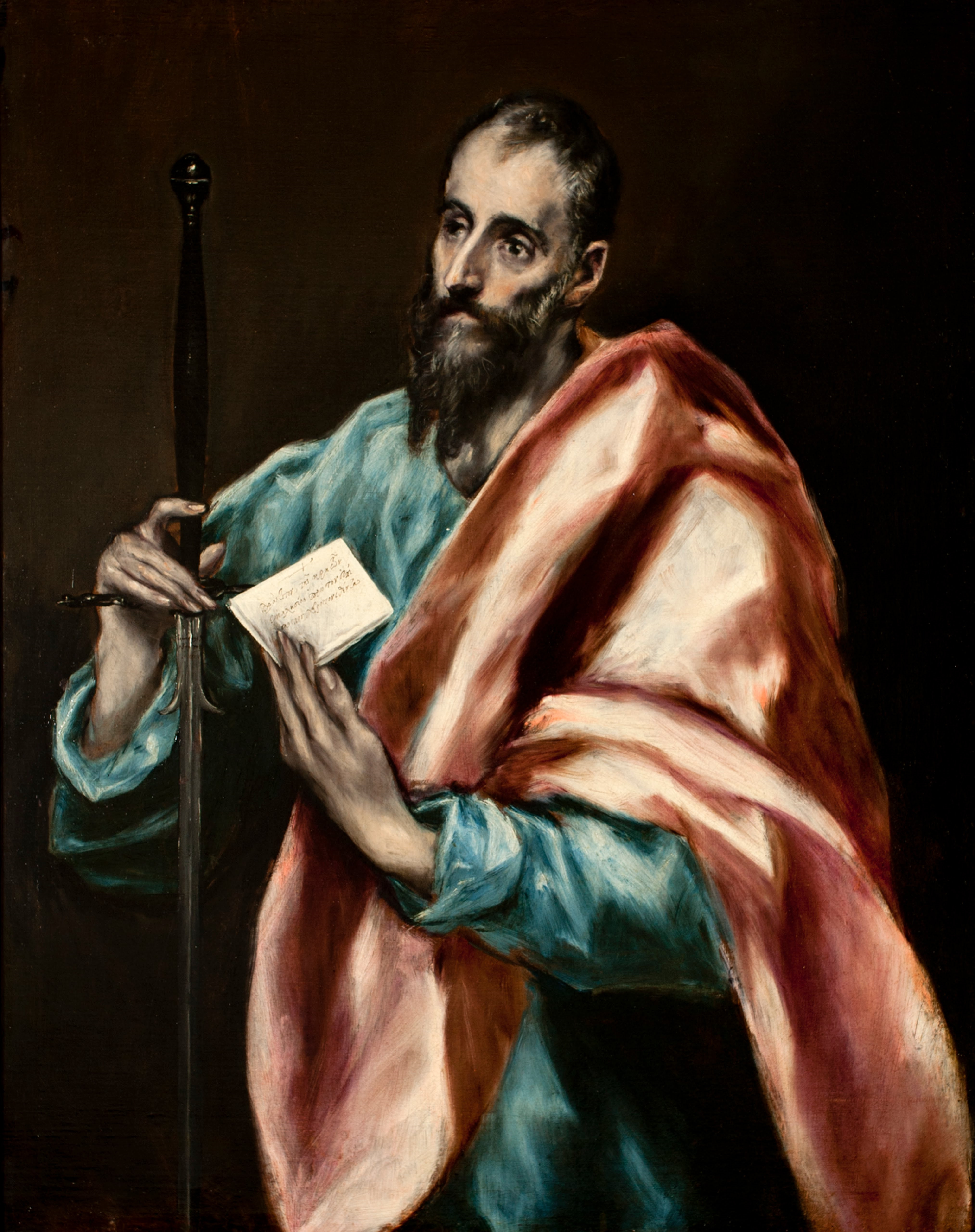
A mosaic image of the beheading of Saint Paul.


First of all, then, I urge that supplications, prayers, intercessions, and thanksgivings be made for everyone, for kings and all who are in high positions, so that we may lead a quiet and peaceable life in all godliness and dignity. – 1 Timothy 2:1-2

In a perfect world, prayer should have been enough
to win a quiet life in peace, in godliness and dignity.
In a perfect world, the Emperor would offer thanks for prayer,
would offer to his subjects tranquil peace.

But it is not a perfect world, now is it, Paul?
Instead of peace, the emperor presented you a sword,
and not to hold. It stilled your tongue, your pen,
your breath, and yes, your prayers.

We struggle still to pray for those who persecute
our neighbors and ourselves, whose hands
retain their firmest grip upon the sword, and strike
the pen, the lips, the breath, the prayers from us.

A poem/prayer based on 1 Timothy 2:1-7, the Revised Common Lectionary Second Reading for Year C, Proper 20 (25).

The image is of the mosaic including the beheading of Saint Paul in the Cathedral of Monreale, Sicily (ca. late 12th early 13th centuries). Photo by Holger Uwe Schmitt – Own work, CC BY-SA 4.0, https://commons.wikimedia.org/w/index.php?curid=128492483.

Value

“[Jesus said,] ‘Or what woman having ten silver coins, if she loses one of them, does not light a lamp, sweep the house, and search carefully until she finds it?'”

What is the value of a single coin?
Not much today, when we make money
with printing upon paper, or with
electronic imagination.

What is the value of a single coin?
It might be little even in those ancient days,
unless, of course, it was a tenth
of everything she owned.

What is the value of a single coin?
It might be food to take me through the day,
or into a coming week,
or possibly next year.

What is the value of a single coin?
Enough to set me searching high and low,
to bear the cost of burning oil in the lamp,
to celebrate the sudden silver gleam amidst the dark.

What is the value of a single coin?
A better question might be this:
What is the value of a single human soul?
Enough, said Jesus, for the heavens to rejoice.

A poem/prayer based on Luke 15:1-10, the Revised Common Lectionary Gospel Reading for Year C, Proper 19 (24).

The image is Parable of the Lost Drachma by Domenico Fetti (1618) – Web Gallery of Art:   Image  Info about artwork, Public Domain, https://commons.wikimedia.org/w/index.php?curid=15453383.

Building

A pen and ink drawing of a ruined wall and arch.


“[Jesus said,] ‘For which of you, intending to build a tower, does not first sit down and estimate the cost, to see whether he has enough to complete it? Otherwise, when he has laid a foundation and is not able to finish, all who see it will begin to ridicule him, saying, “This fellow began to build and was not able to finish.”‘” – Luke 14:28-30

What are we, Jesus, except people
(men, women, beyond the binary)
who have begun to build
and have not finished?

The Church may be your body, Jesus
(an image which you did not create),
but if it is, it’s a growing body.
Growing, perhaps, and barely born.

It’s a tower rising slowly.
Is there a course of stones
or even less above the ring
of the foundation?

How many Christ disciples
over the millennia
have hesitated, dropped their stones
before they’ve placed them on the wall?

It is no wonder that
so many ask derisively,
“Do you still hope to finish
this construction, grow this Church?

“The walls are fragile, trembling
in a gentle breeze. They waver
from their courses so that any stone
which rests upon them will inevitably fall.”

Well, Jesus, here’s my stone.
I’m not sure it’s well shaped.
I’m not sure it’s well placed.
But here it is. Long may it stand.

A poem/prayer based on Luke 14:25-33, the Revised Common Lectionary Gospel Reading for Year C, Proper 18 (23).

The image is captioned “Ruined Foundation at Jericho – the Jordan” in Through Bible Lands : notes of travel in Egypt, the desert, and Palestine (1878) by Schaff, Philip, 1819-1893 – https://www.flickr.com/photos/internetarchivebookimages/14578232189/ Source book page: https://archive.org/stream/throughbibleland00scha/throughbibleland00scha#page/n350/mode/1up, No restrictions, https://commons.wikimedia.org/w/index.php?curid=44116530.

I’m Waiting

“[Jesus said,] ‘But when you are invited, go and sit down at the lowest place, so that when your host comes, he may say to you, “Friend, move up higher”; then you will be honored in the presence of all who sit at the table with you.'” – Luke 14:10

Is it fair to tell you I’m waiting, Jesus?
Yes, waiting for you to return in power.
Yes, waiting for resurrection’s dawn.
Yes, waiting for the Day of the Lord.

But I’m also waiting for your advice to work.

For truly, and sadly, I’m just as proud
as ever I was. When others are honored,
a part of me waits to hear my name called
though I know that it’s not about me.

But Jesus, you know, it’s still about me.

I’ve no cause to complain. I’m aware
that the praise I’ve received is more
than I’m due. I know it, and know I should head
for the end of the room, and take my place there,

But Jesus, you know I don’t like to be there.

I like the limelight, the spotlight, the office.
I like the small pond where my frog looks big.
I like it, and sure I’ve received it quite often.
I’ve heeded the summons of, “Friend, move up higher.”

But Jesus, I don’t always think I should be.

I can’t say I’ve bidden the poor to my table.
I can’t say I’ve done all the work I could do.
I can’t say I’ve lifted the spirits beside me.
I can’t say I’ve always been guided by you.

So Jesus, I’ll wait, and I’ll pray that you call.

A poem/prayer based on Luke 14:1, 7-14, the Revised Common Lectionary Gospel Reading for Year C, Proper 17 (22).

The illustration is The Parable of the Humble Wedding Guest (1782) by Bartsch, Adam Von (1757-1821), based on an unfinished drawing by Rembrandt van Rijn – http://hdl.handle.net/1887.1/item:1629982, CC BY 4.0, https://commons.wikimedia.org/w/index.php?curid=99478604.

Of all the temptations to which I’m subject, pride is the greatest.

The Work to Set Free

“But the Lord answered him and said, ‘You hypocrites! Does not each of you on the sabbath untie his ox or his donkey from the manger, and lead it away to give it water? And ought not this woman, a daughter of Abraham whom Satan bound for eighteen long years, be set free from this bondage on the Sabbath day?'” – Luke 13:15-16

It’s awkward, Jesus. You had a way to know
the ways in which the people who surrounded you
were bound. Now, I do not perceive as truly or
reliably as you. I can, and do, assume too much.

I have to ask, “Are you restricted? Are
you tethered in some way? What holds
you back, or ties you down, or bars your path?”
Because it might be what I see, or what I don’t.

My prayer, then, Jesus, on this day
is that you liberate me from my expectations,
so that when I put my shoulder to the door,
I push upon the door I should, and not one I should not.

A poem/prayer based on Luke 13:10-17, the Revised Common Lectionary Gospel Reading for Year C, Proper 16 (21).

The image is an illustration of the episode of the bent woman found in a Coptic illuminated gospel prepared by a monastic copyist and artist (ca. 1250) – From the Evangéliaire copte http://ipac.icp.fr/uPortal/page/decouvrir/expo/evangeliaire_copte/presentation.htm, Public Domain, https://commons.wikimedia.org/w/index.php?curid=8548976.

Grim Stories


“By faith Rahab the prostitute did not perish with those who were disobedient, because she had received the spies in peace. And what more should I say? For time would fail me to tell of Gideon, Barak, Samson, Jephthah, of David and Samuel and the prophets…” – Hebrews 11:31-32

Rahab and Samson, heroic opposites.
She was the foreigner betraying her nation,
saved by her pledge to the ruthless invader.
Her neighbors all died, but she and her family did not.

Samson the Strong, a leader and judge,
praised for his strength but not for his folly.
Like Rahab, he trusted an enemy, losing his strength.
But when it returned, he died with his foes.

Grim heroes. Grim stories of warfare,
betrayal, coercion, and death. No wonder
that neither received “the promise” in full.
How could they, when the promise of Jesus is life?

A poem/prayer based on Hebrews 11:29:12:2, the Revised Common Lectionary Second Reading for Year C, Proper 15 (20).

The image is of two mosaics in Santa Maria Maggiore, Rome (ca. 430). Above: Joshua meets the commander of the Lord’s army. Below: Israel’s scouts flee from Jericho, aided by Rahab. Photo by Fabrizio Garrisi – Own work, CC0, https://commons.wikimedia.org/w/index.php?curid=157025271.

Where Is My Treasure?

“[Jesus said,] ‘Sell your possessions and give alms. Make purses for yourselves that do not wear out, an unfailing treasure in heaven, where no thief comes near and no moth destroys. For where your treasure is, there your heart will be also.'” – Luke 12:33-34

Jesus, I am not a wealthy man… by some standards.
Were I to leave my work, I’d quickly run through savings,
have no home, sell the things I use to give me joy –
the instruments, the cameras, the things that prompt my memory.

By other standards, I have wealth beyond imagination.
I do not know where my next meal will come from, but
I know that it will come. I know that if a wave arises
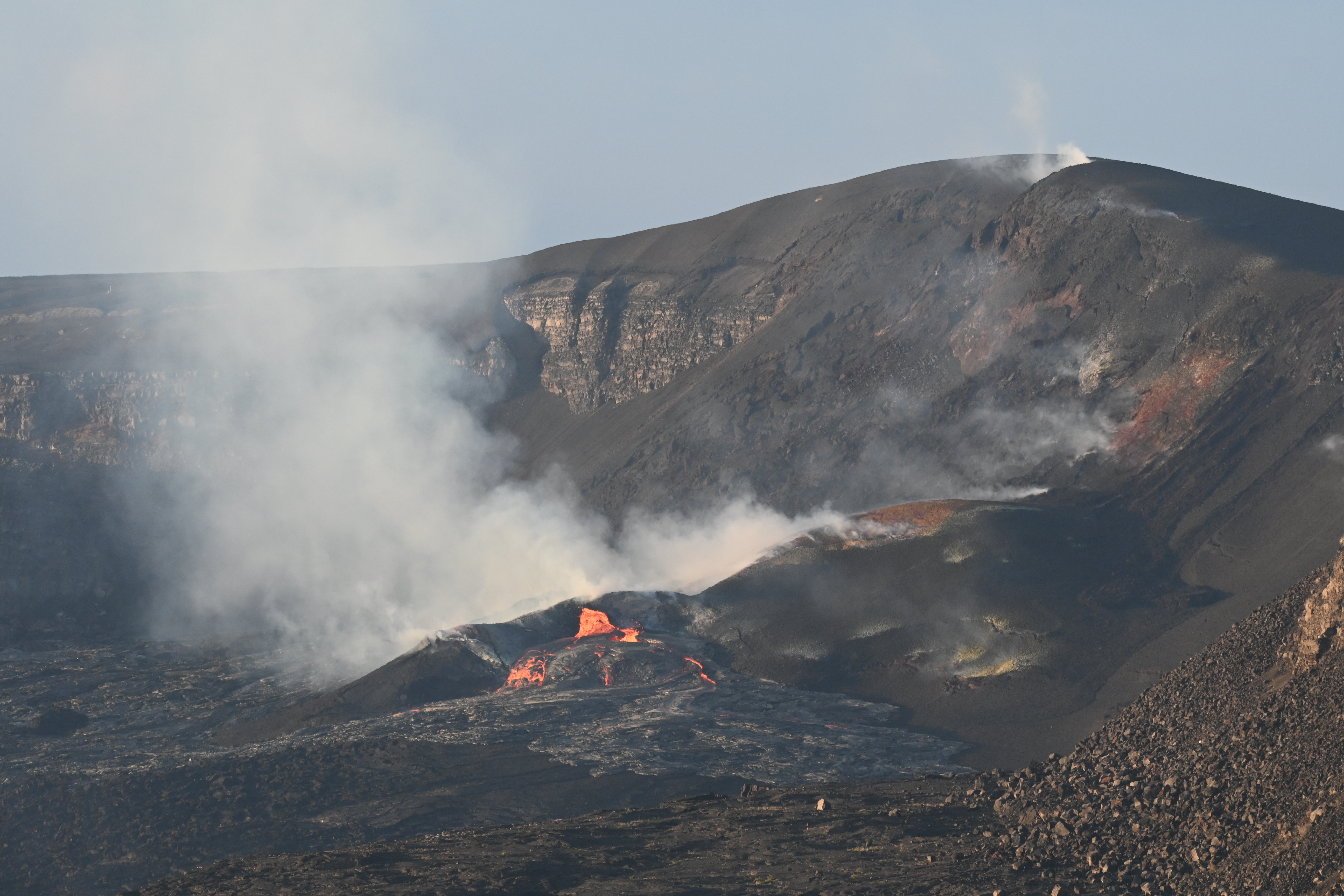
or a lava river flows, I’ll have a place where I am safe.

My wealth be great or small, I must confess, it still is mine.
In honesty, I’d sooner heed Isaiah’s words: do good,
seek justice, rescue the oppressed, defend the orphan, raise
my voice in favor of the widow. But.

You, Jesus, raised the bar. The tithes has turned to everything:
my ukulele, photographs; my work time and my leisure,
what I think and write and speak and make.
For you demand all these be yours, be God’s, be holy gift.

So Jesus, I confess that though I give you much,
it is not all. I may give alms; I may give time;
I’ve taken on the role of the religious, but:
it is not all. It is not all.

Dear Jesus, please accept my offerings, my alms
of treasure and of time, of sweat and contemplation. Take
the portion of my heart that unreservedly I give to you. And
forgive the heart, and treasure, which I still keep for myself.

A poem/prayer based on Luke 12:32-40, the Revised Common Lectionary Gospel Reading for Year C, Proper 14 (19).

Photo by Eric Anderson.

You Fool

A skeleton stands beyond a seated man in fine clothes with food and coins before him.

“But God said to him, ‘You fool!'” – Luke 12:20

It hardly seems fair to call him a fool.
Call him a practical man,
call him far-seeing,
call him descendant of Joseph, I say.

What did he do when faced with a surplus?
He saved! Did the thing I’ve been told since a lad
I’m to do with the coins that remain.
When the rainy days comes, I’ve been told, they’ll be there.

In Egypt, the dreams of a monarch warned Joseph,
“Prepare when it’s fruitful for days when it’s not.”
And so I’ve been taught (if not followed so well),
and so I have urged when it’s my turn to tell.

What’s wrong the rich man? Why was he a fool?
He followed the ancient advice to the letter:
Built barns that would hold all a good year
produced; saved grain for the needs a bad year would demand.

Is that what he did? No, he said, “I’ll make merry
with all of my goods in my barns and my hand.
I might give a pink slip to all of my workers.
They’ve done all I want, and I want to be done.”

Whose will the grain be? And whose all the wealth
when the soul and the body divorce in the night?
Not his. He has gone where the soul is the seed,
and gold is the spirit which he had ignored.

How easy, how likely, to play such a fool,
to mistake greed for prudence and pride
for precaution. How often, I wonder, have I
played the fool, for much lesser riches

And hubris as great? You know, Storyteller,
and though you disclaim it, I know that
you judge with a knowledge I lack.
Though I’ve no grain for barns,

And no fruit for freezers, I’ll spend
what I have for the people around me:
a poem, a song, or even a sermon.
May God bless these gifts. May God bless us all.

A poem/prayer based on Luke 12:13-21, the Revised Common Lectionary Gospel Reading for Year C, Proper 13 (18).

The image is Der reiche Mann und der Tod (The Rich Man and Death) by David Kindt (1622) – CC BY-SA 3.0, https://commons.wikimedia.org/w/index.php?curid=22079990.

I really like this painting. Subtle it’s not.