Story: Why Do You Fly So Far?

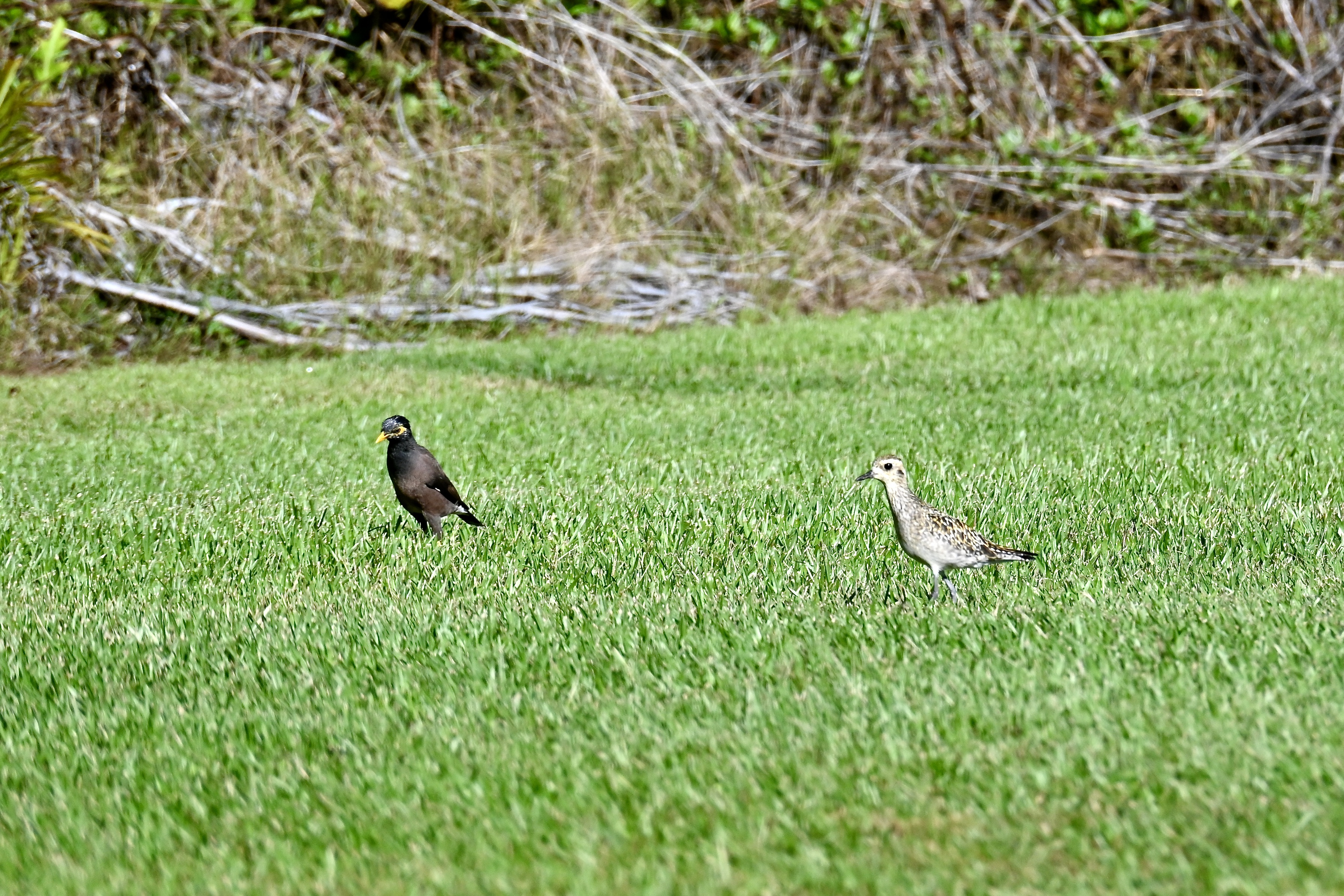
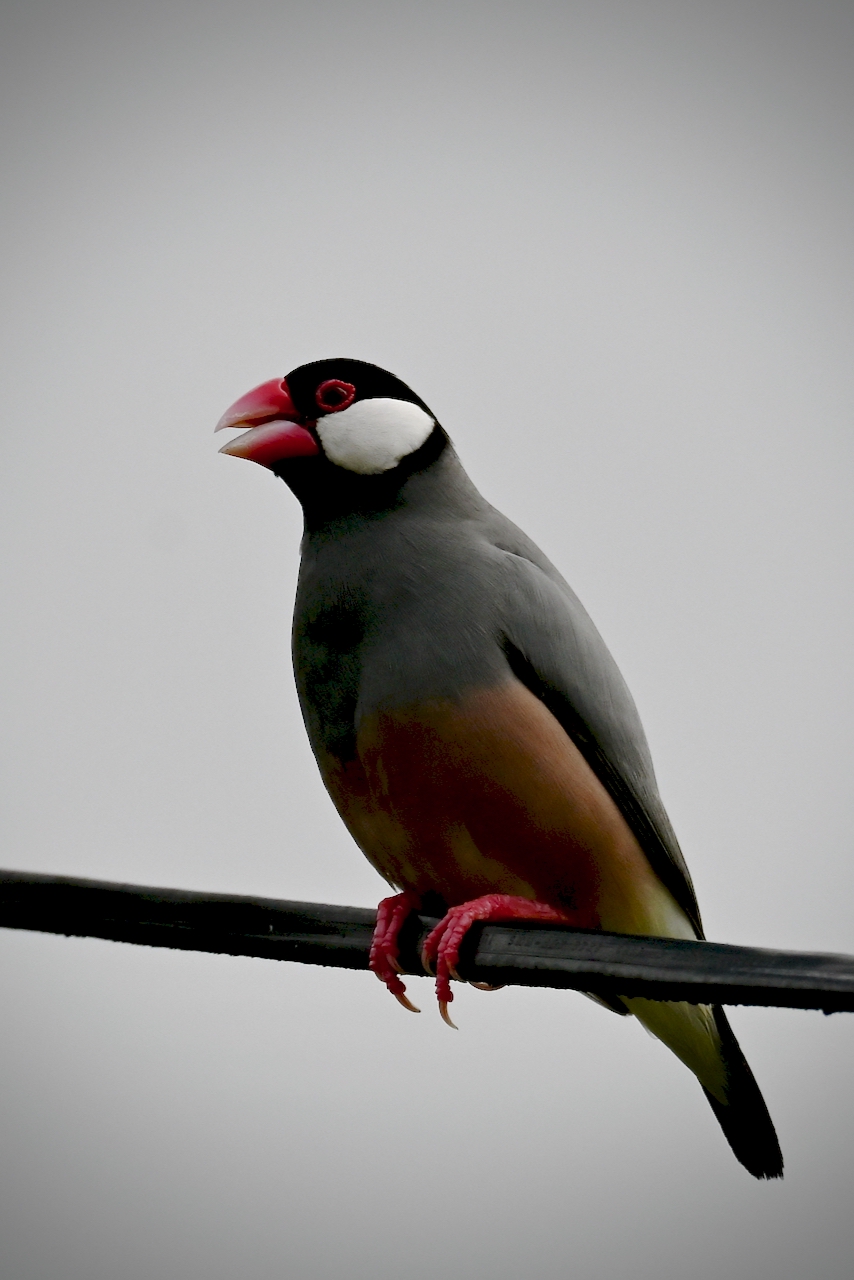
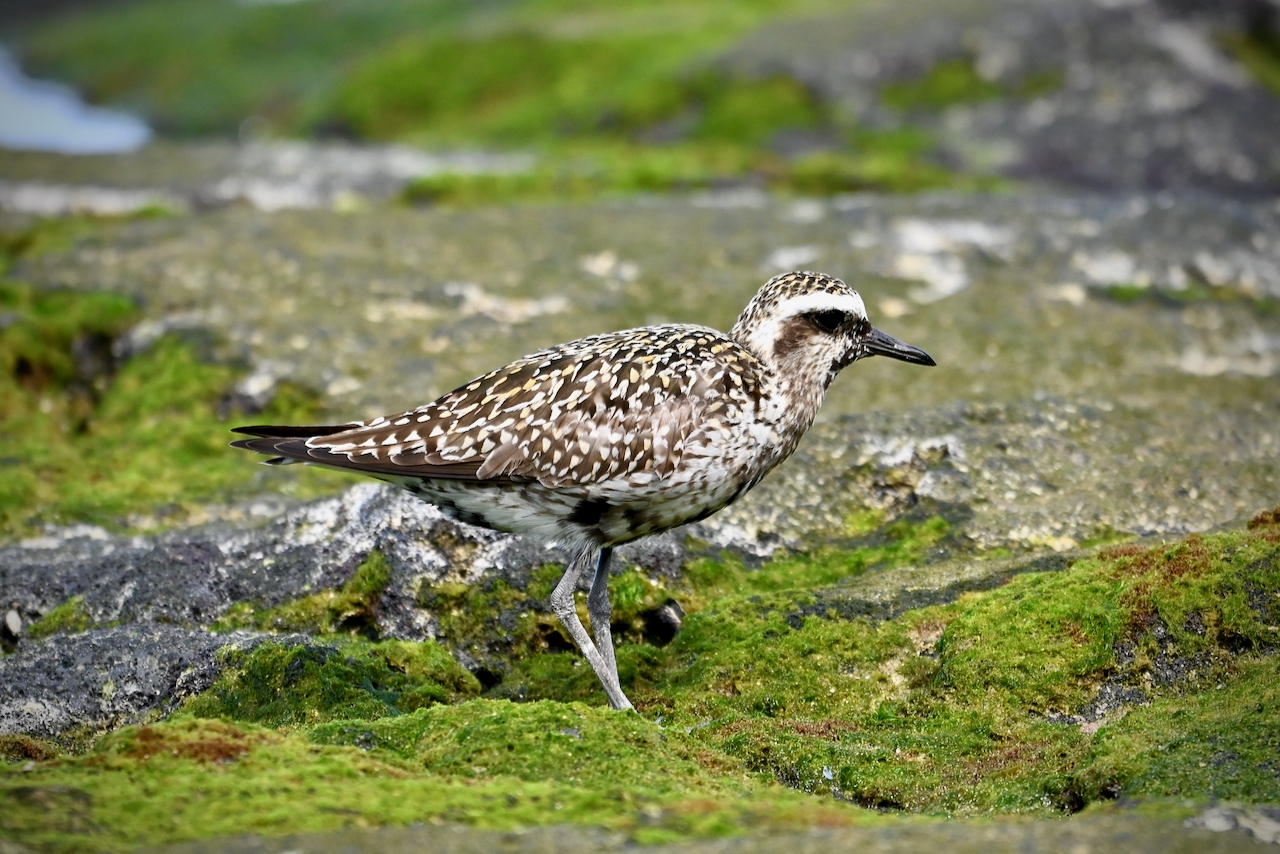
A myna (a dark colored bird with yellow feathers around the eye) and a kolea (Pacific Golden-plover, a light brown bird with darker brown spots) in a grassy field.

December 14, 2025

Luke 1:46-55
Matthew 11:2-11

The kolea is a pretty mellow bird. They’re not terribly skittish, though some will keep a sensible distance from people. We are a lot bigger than a kolea and probably look kind of scary to them.

The myna, on the other hand, is not a mellow bird. They sing a fair amount, but they also screech and argue. They’re pretty sociable with one another, and one moment everybody is happy and content, and the next moment everybody is hollering at one another.

Which makes them a lot like some people, now that I think of it.

Mynas fly, of course, but you could call them homebodies. They don’t tend to go very far. Kolea, on the other hand, fly long distances from where they nest in Alaska to where they spend the winter here in Hawai’i. If you’ve ever flown on an airplane to the North American continent, you know that’s a long flight. Well, kolea fly it with their own wings and they don’t go as fast, so it takes longer.

The mynas find it all rather puzzling and strange.

A myna was picking worms and seeds alongside a kolea one day. The two of them were quiet most of the time, because by chance most of the myna’s other friends had had a big argument and flown off to continue it somewhere else. So it was just the two of them.

“I’ve always wanted to know,” said the myna to the kolea. “Why do you fly so far?”

The kolea thought about it. “I’m not sure anyone has asked me that before,” he said.

“Well, I’m asking,” said the myna.

“I do like the change,” said the kolea, “and I know that it gets awfully cold in Alaska during the winter.”

“Then why not stay here?” asked the myna.

“There are different things there,” said the kolea, “and it just feels right to raise chicks there.”

“Then why fly all the way here?” asked the myna. “What do you come here to see?’

The kolea was quiet for so long that the myna was about to ask the question again, but then the kolea spoke:

“I come to see different trees, trees that blossom red and purple and gold. I come to see soaring mountains crowned with snow when there’s green all around the island. I come to see waterfalls that make rainbows. I come to see mountains with fire and beaches with black sand.

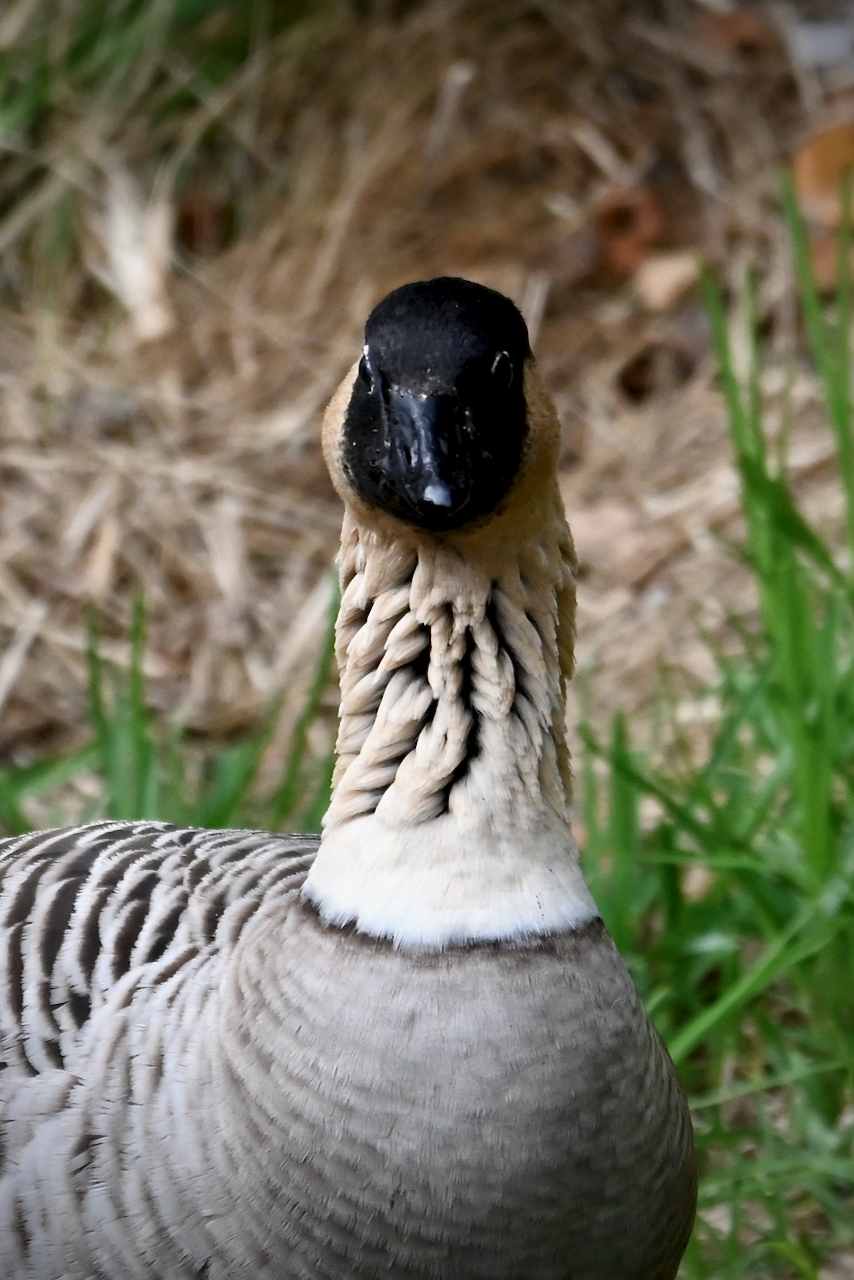
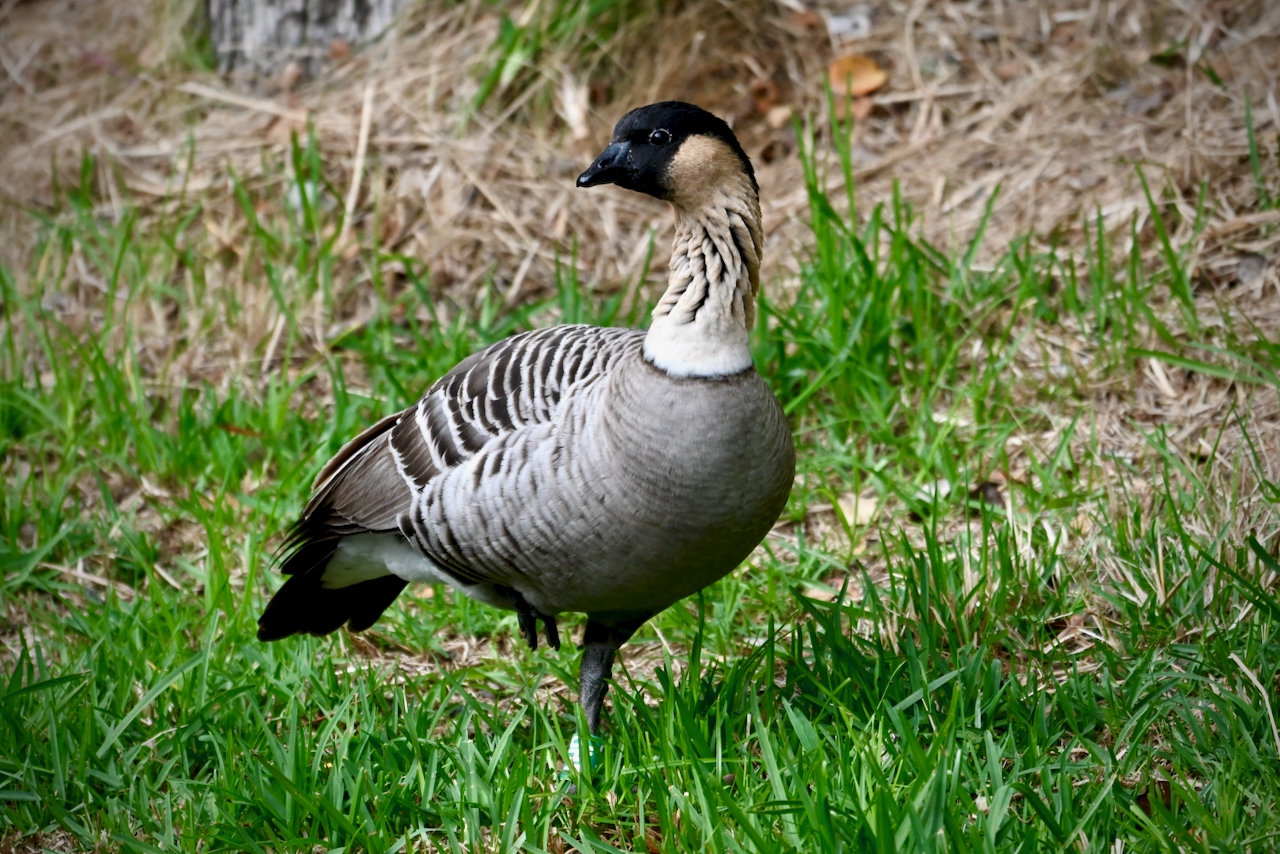
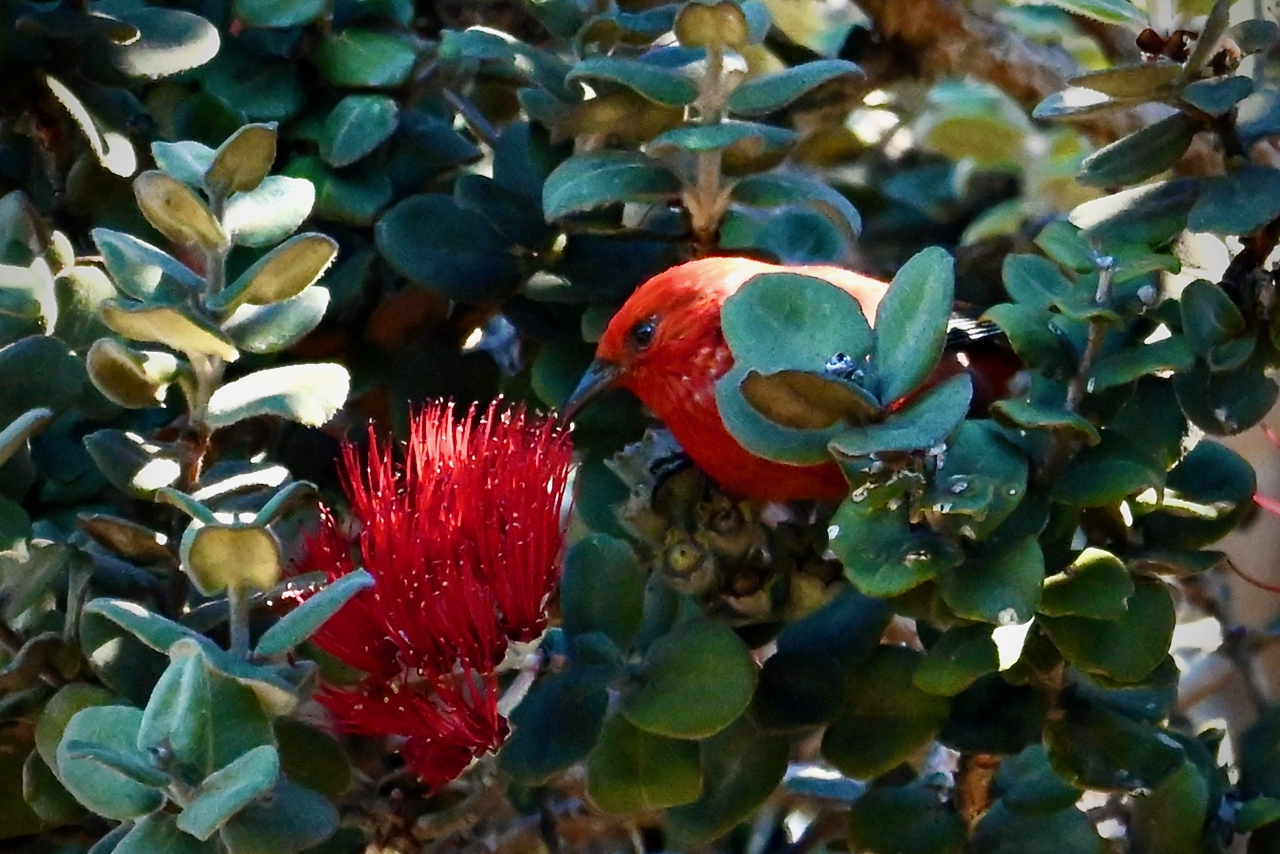
“I come to see birds that also live in Alaska, like ‘akekeke, and birds that don’t live in Alaska, like ‘apapane and nene and saffron finches.

“I don’t think I’d appreciated, though, that I also come to see mynas, and to be asked questions I was never asked. The next time I fly to Hawai’i, I’ll be coming to see you.”

“I’m glad,” said the myna. “Next time you fly from Alaska, I’ll be very glad to see you.”

by Eric Anderson

Watch the Recorded Story

I write these stories in advance, but I tell them from memory (and inspiration). The story you have just read is not identical to the story as I told it.

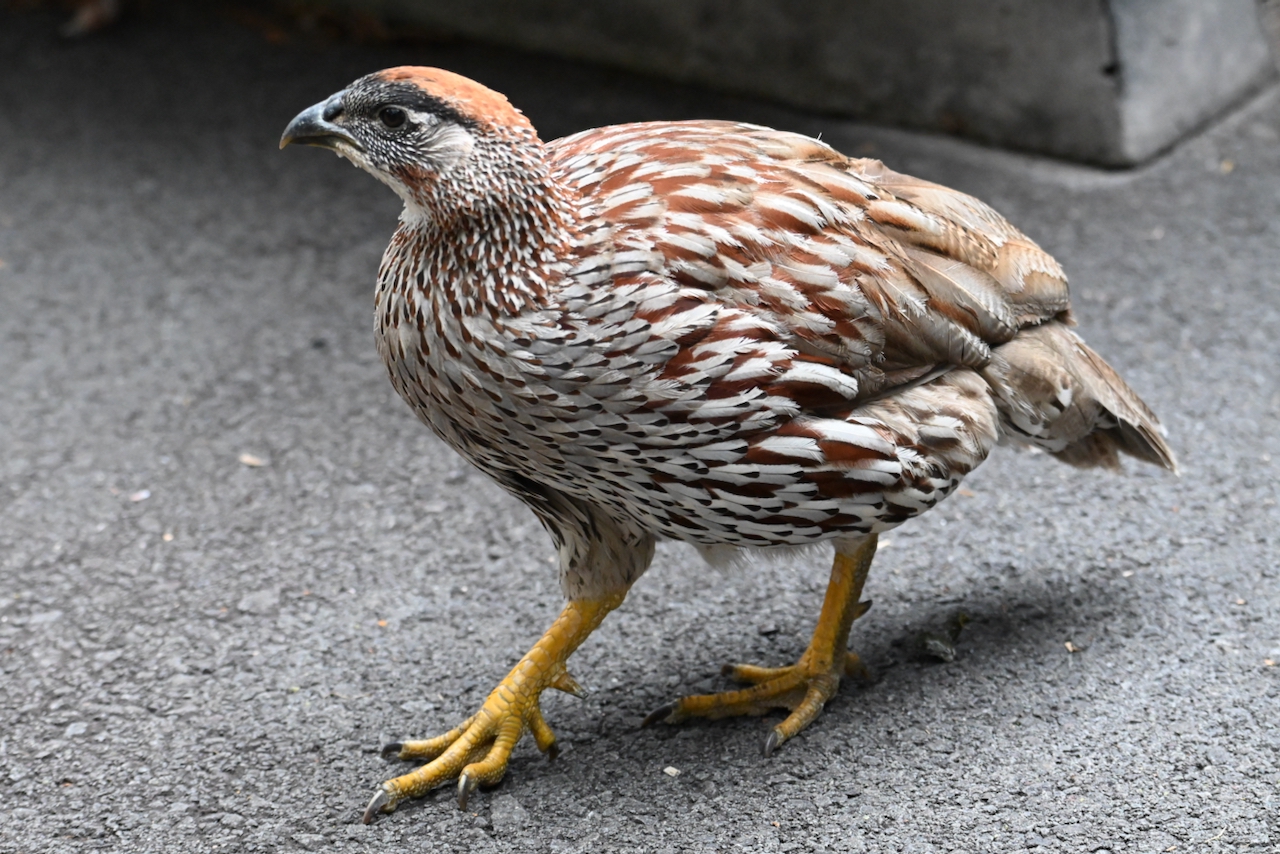
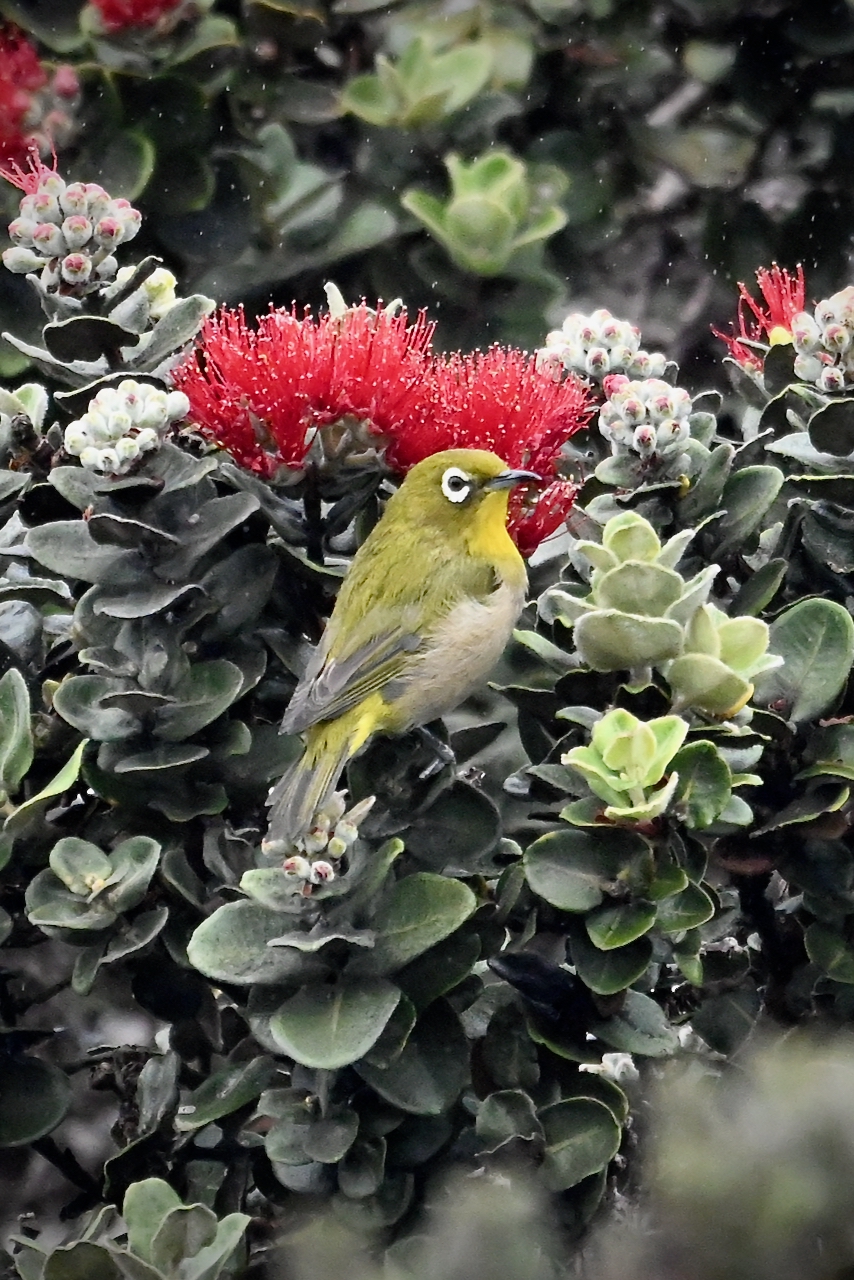
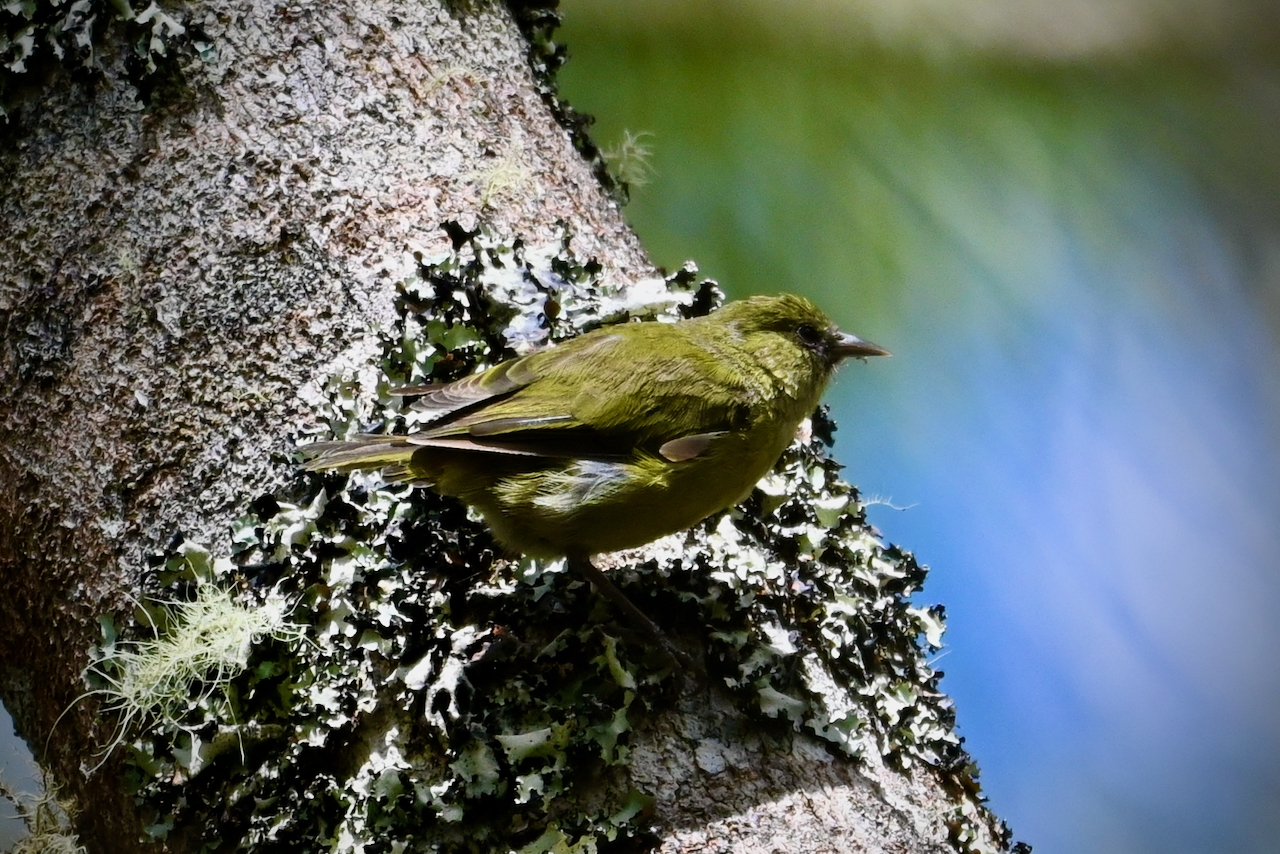
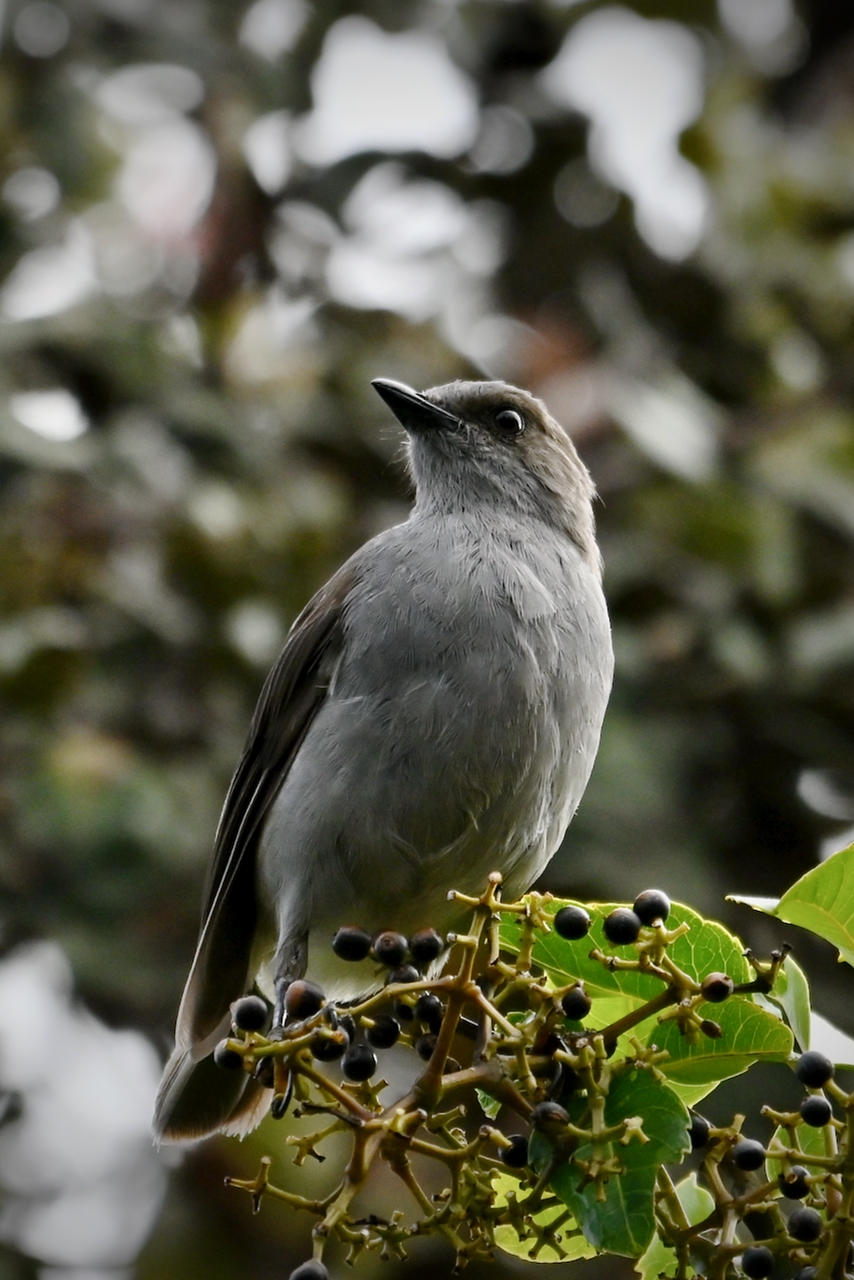
Photo of a myna (on left) and a kolea (on right) by Eric Anderson.

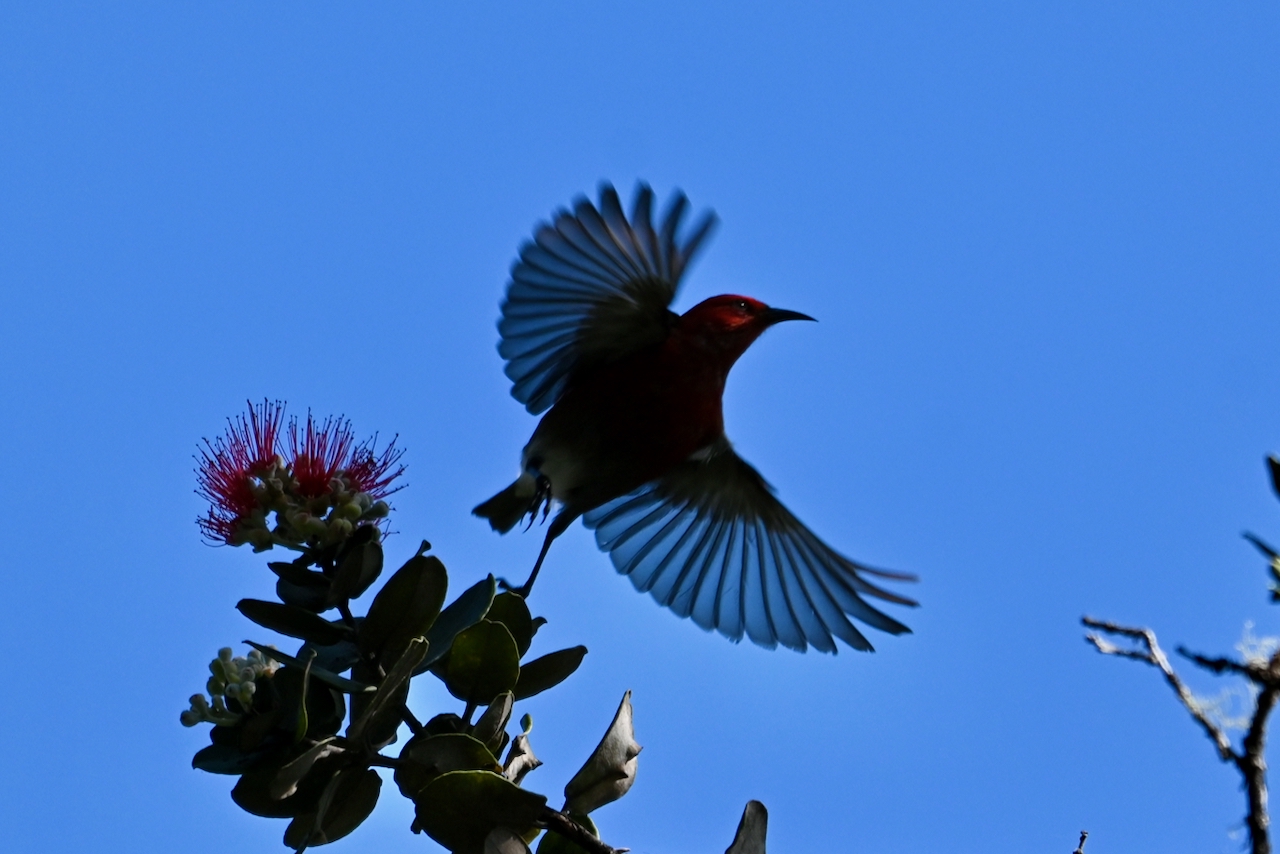
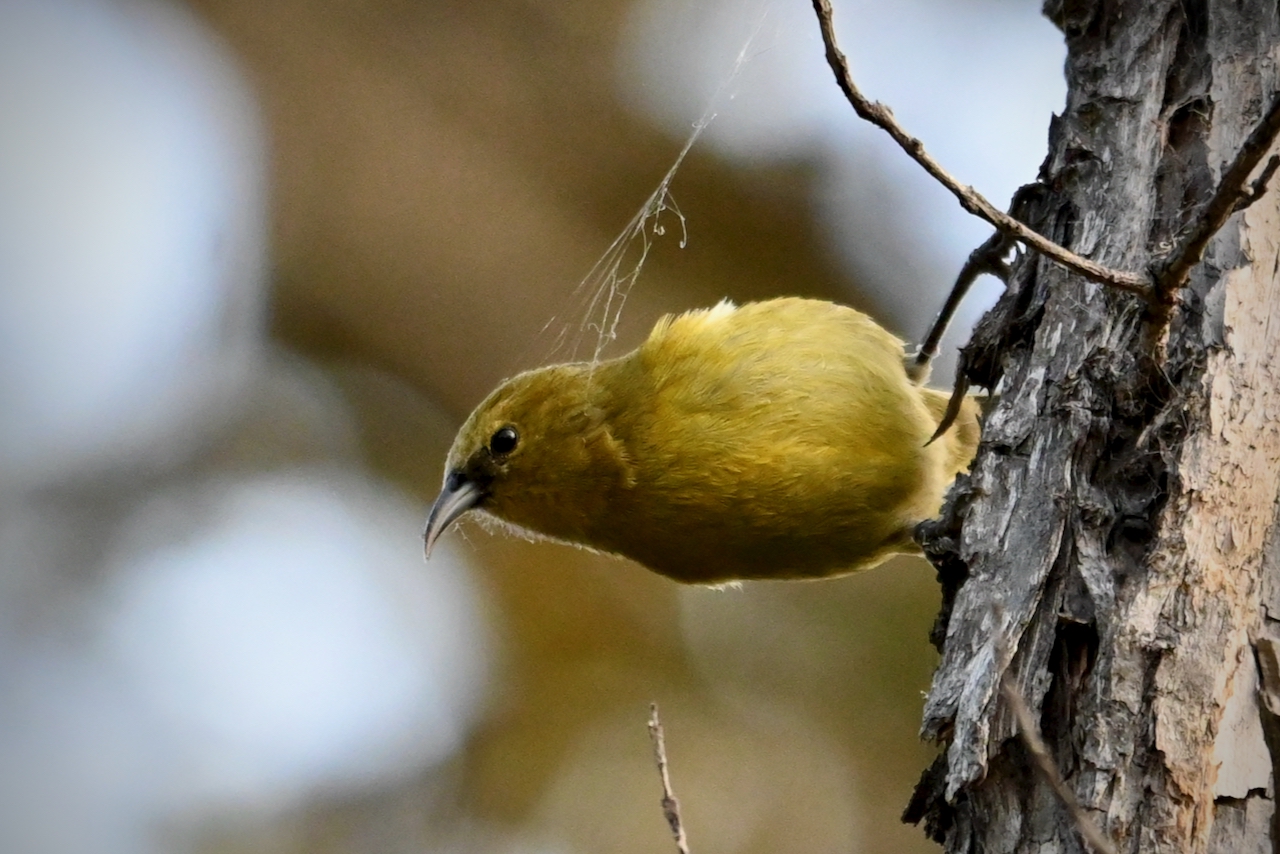
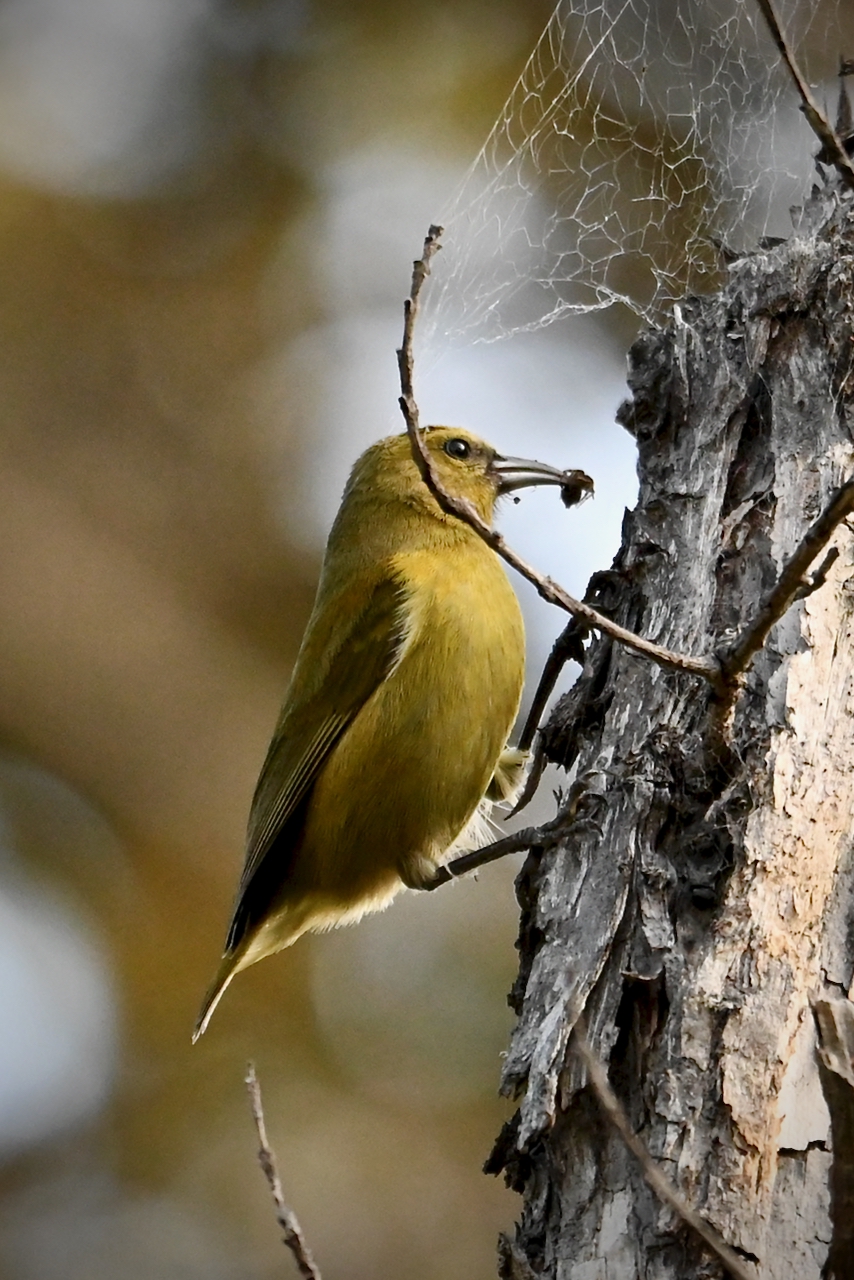
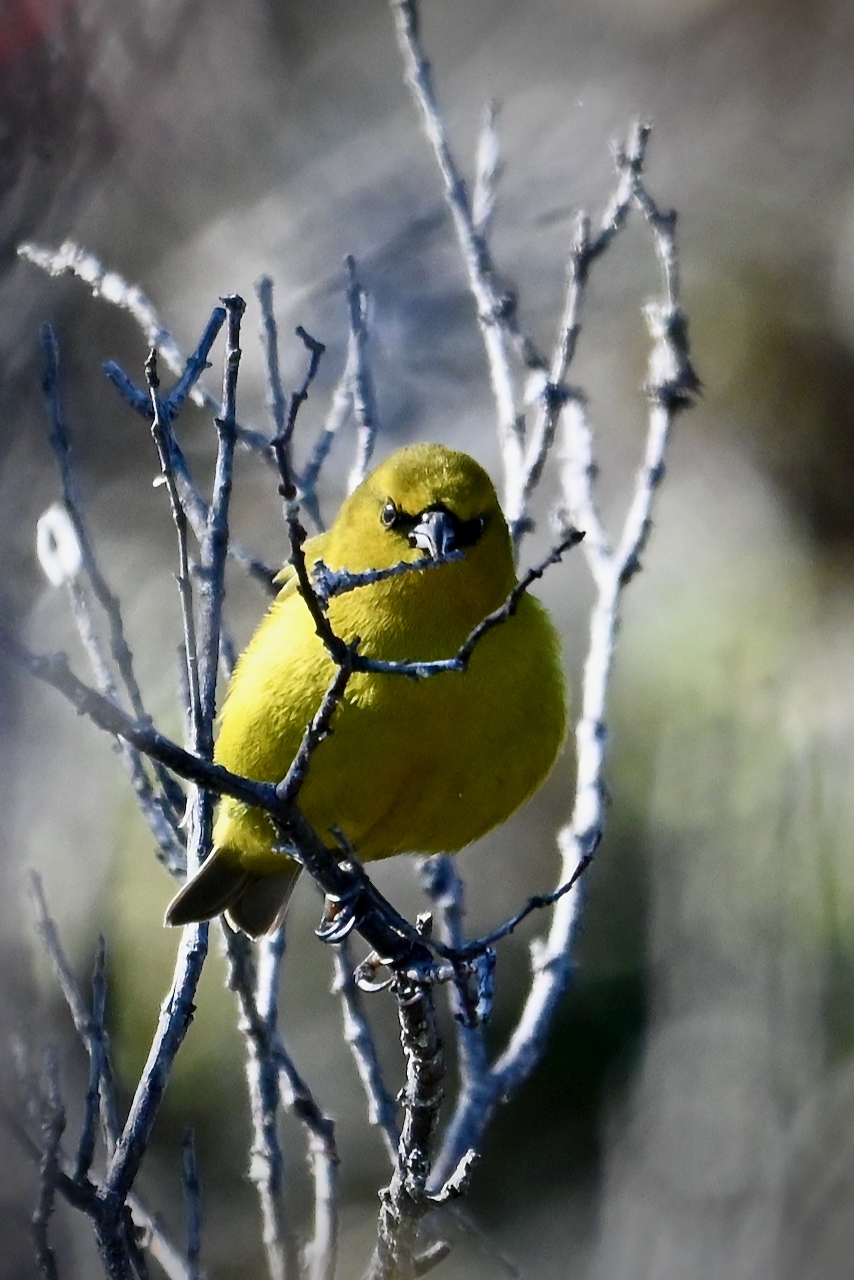
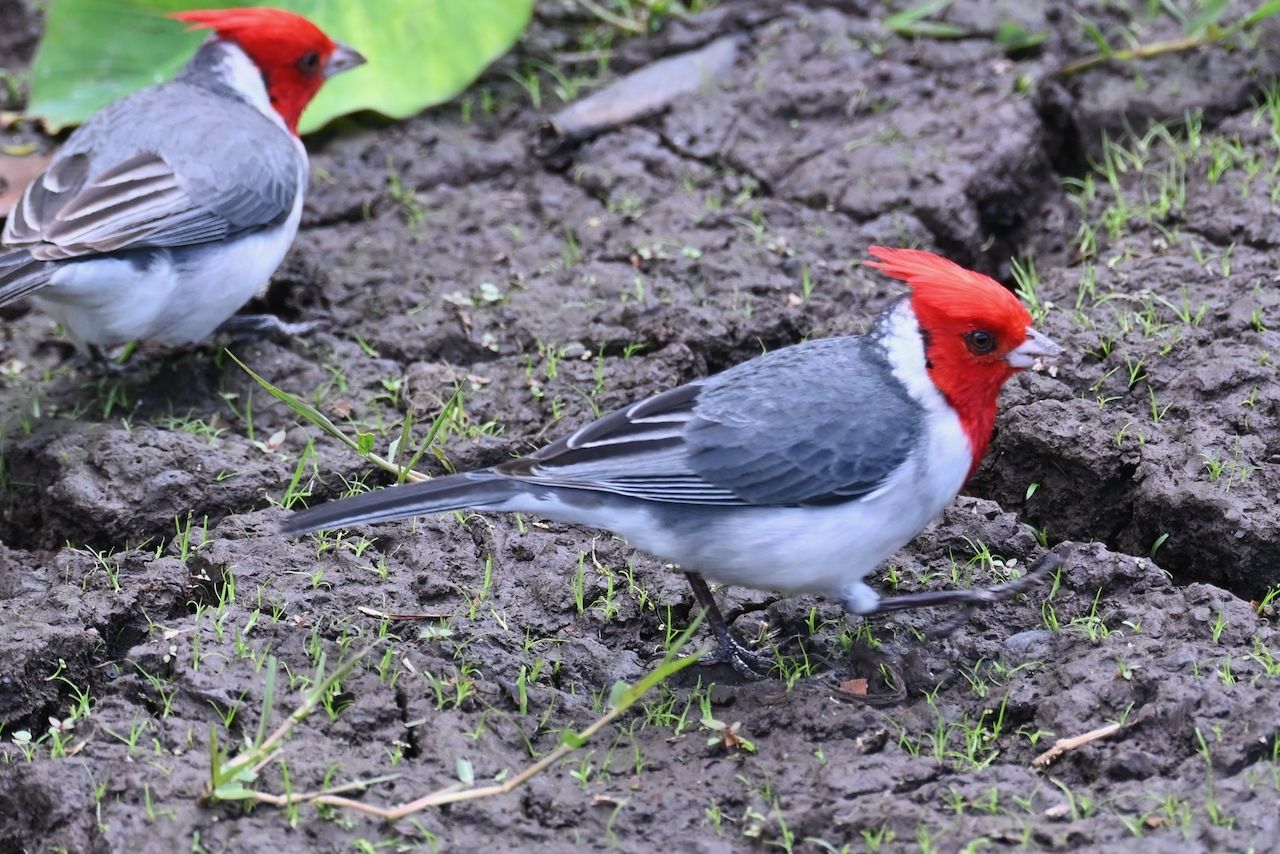
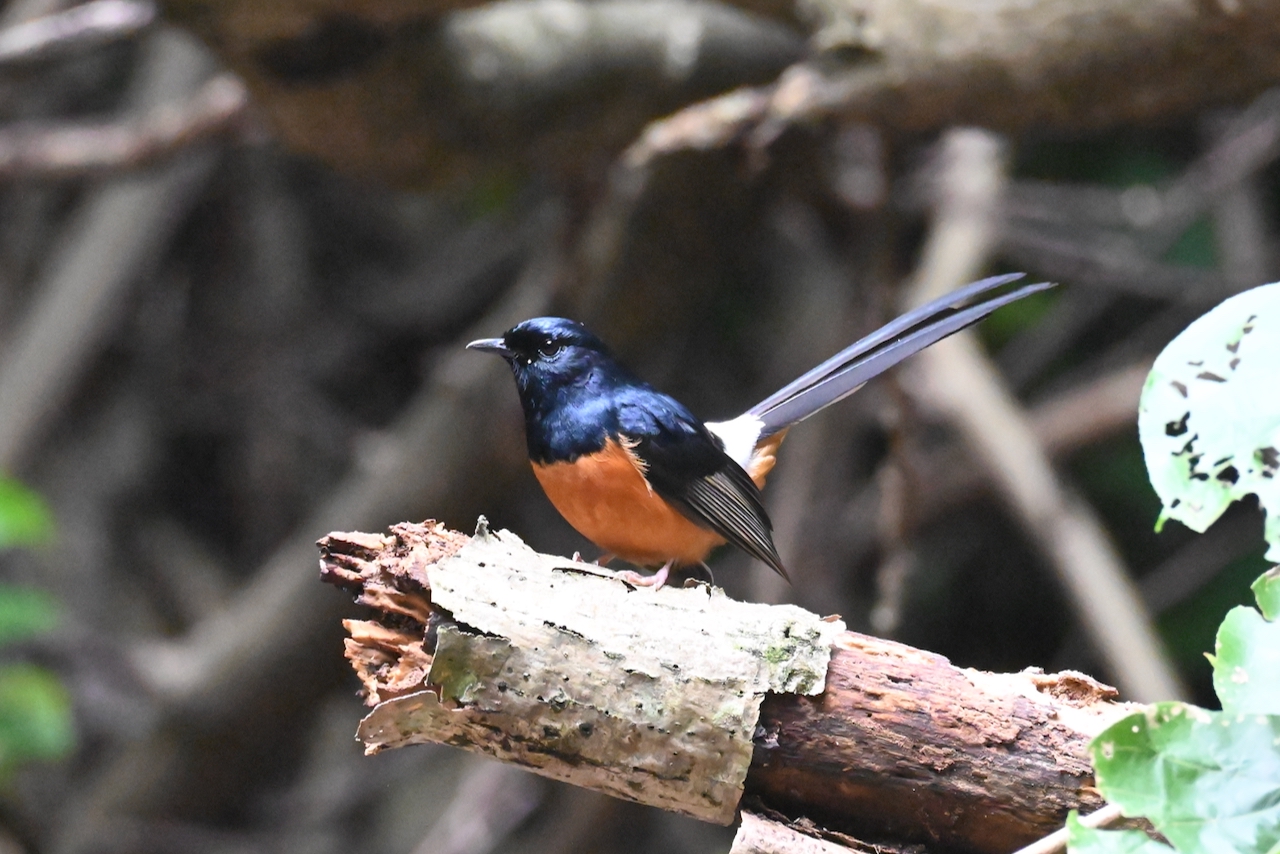
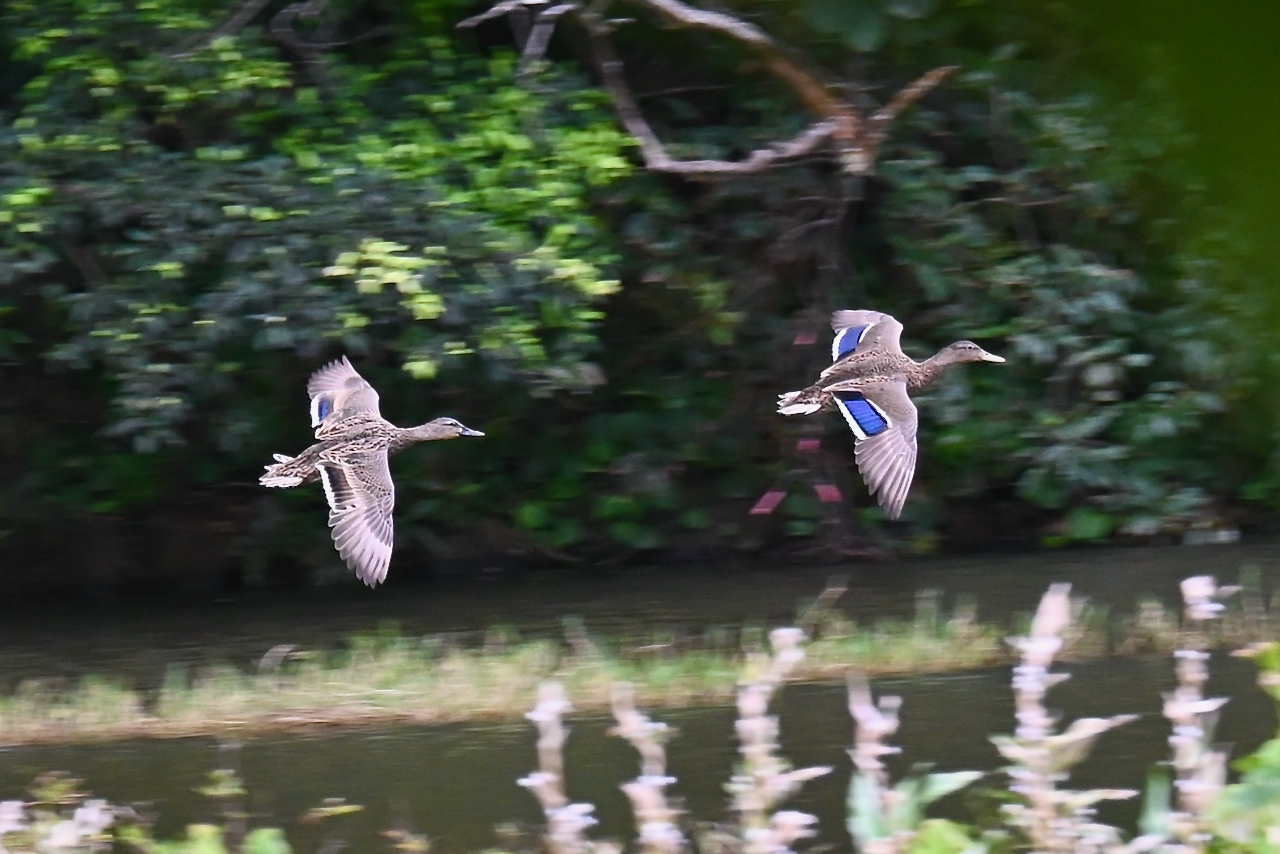
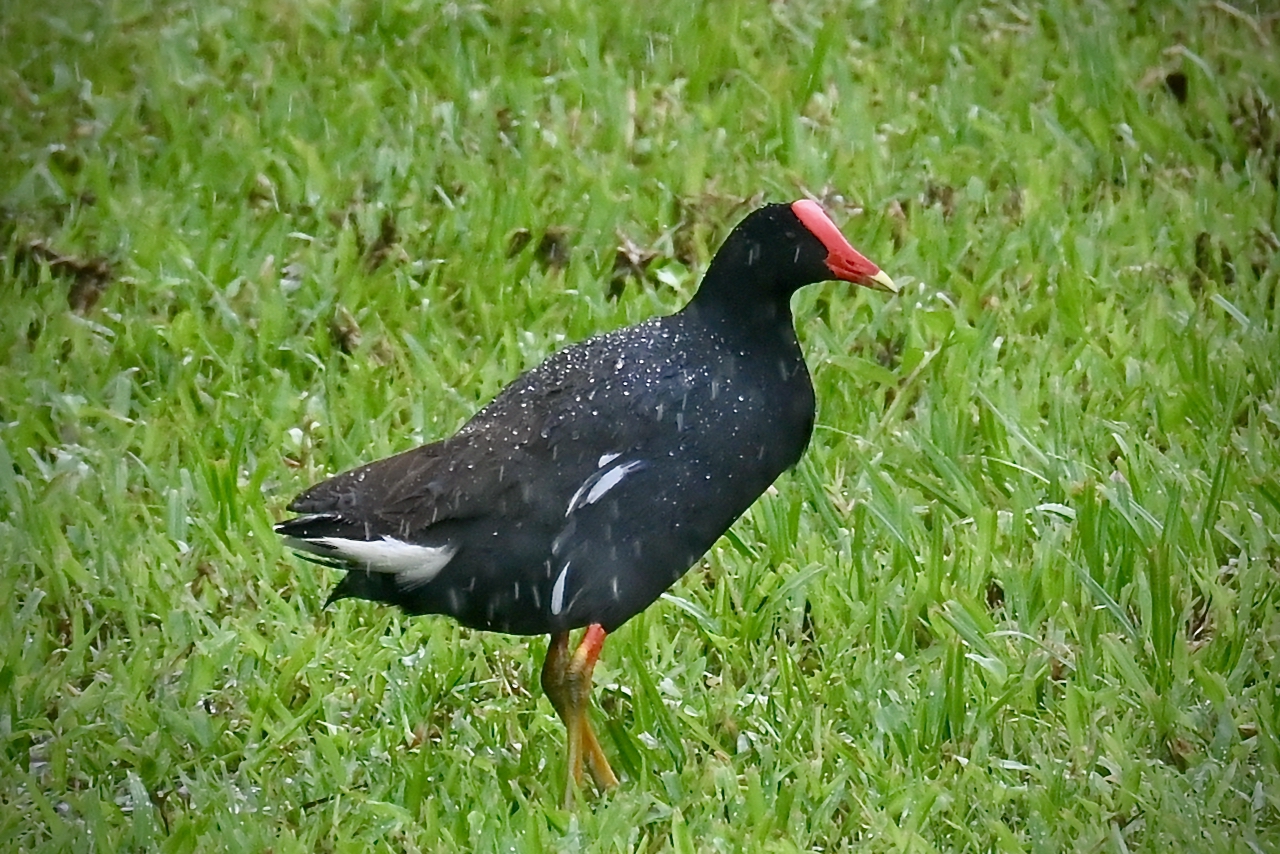
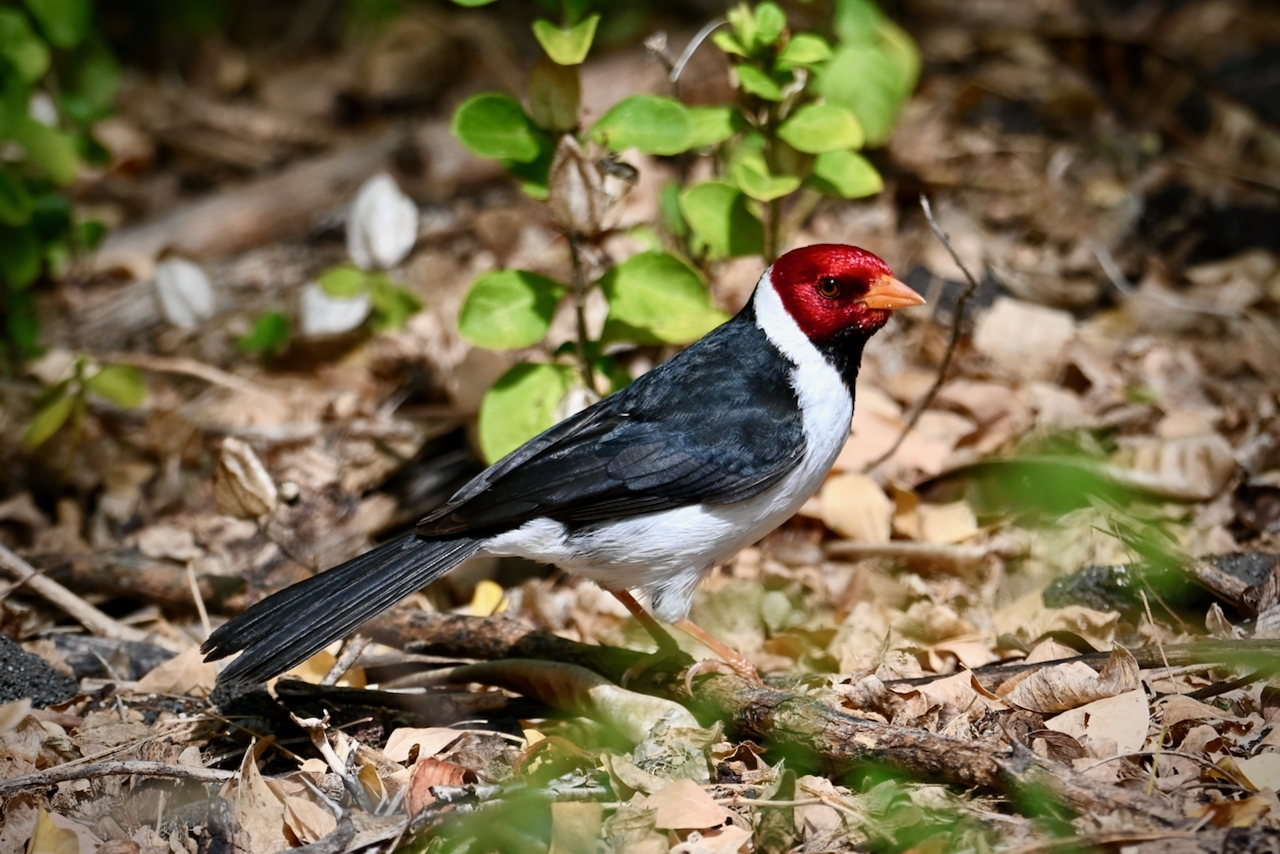
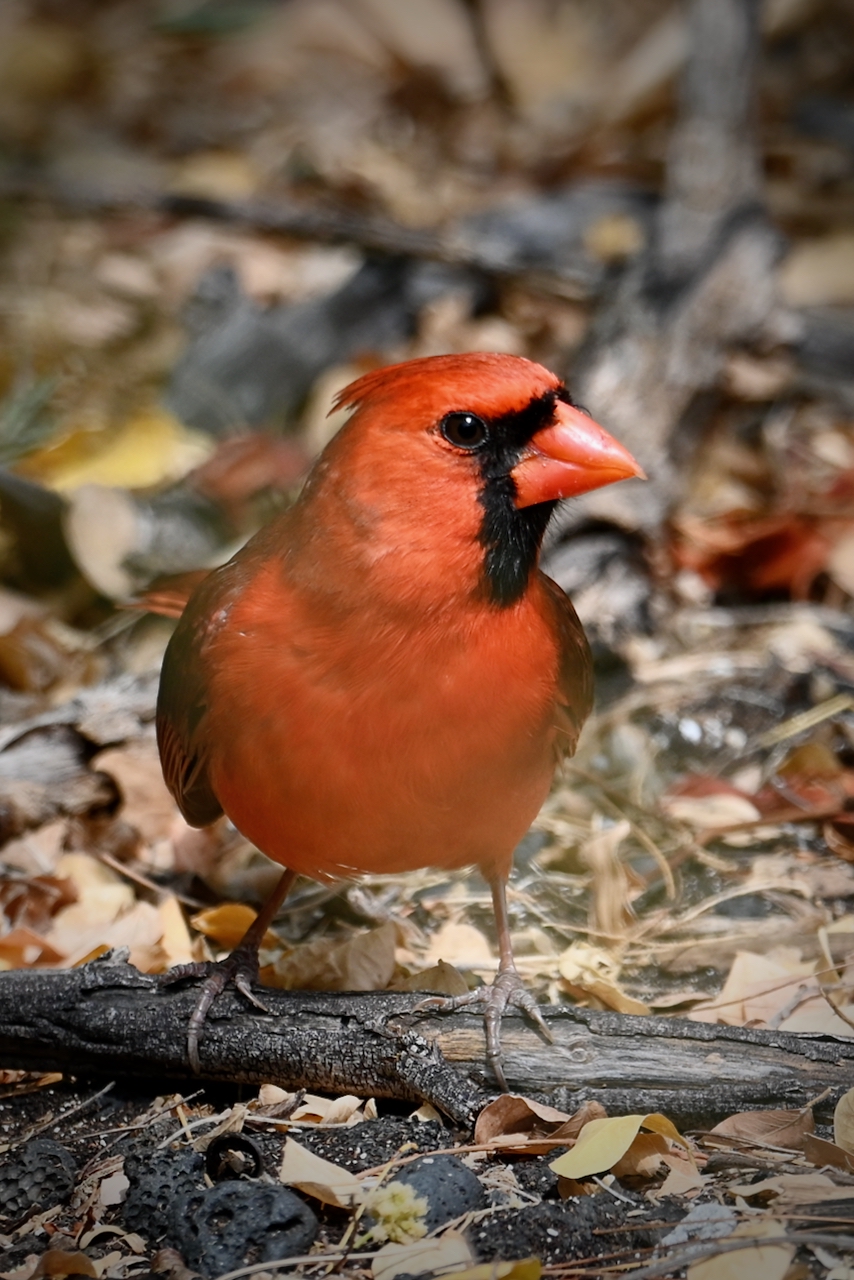
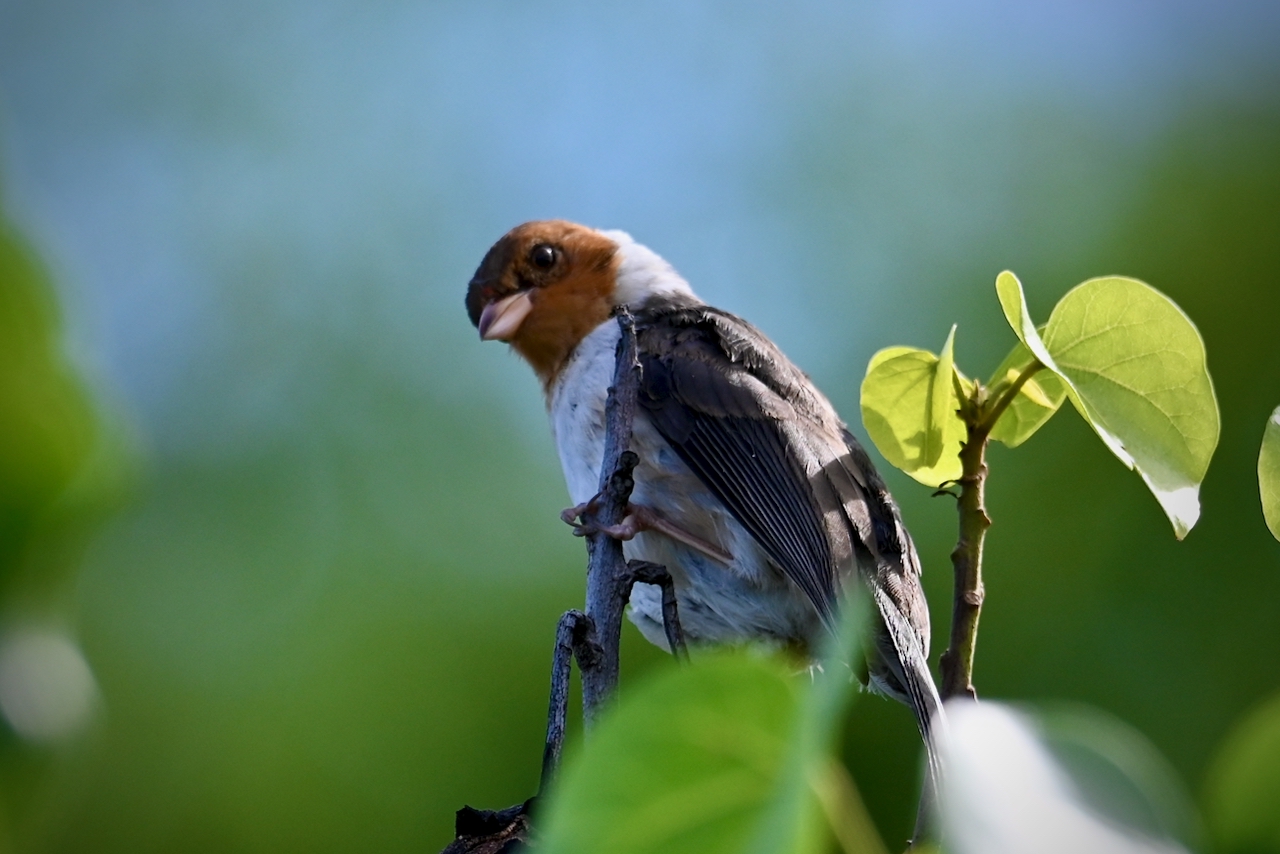
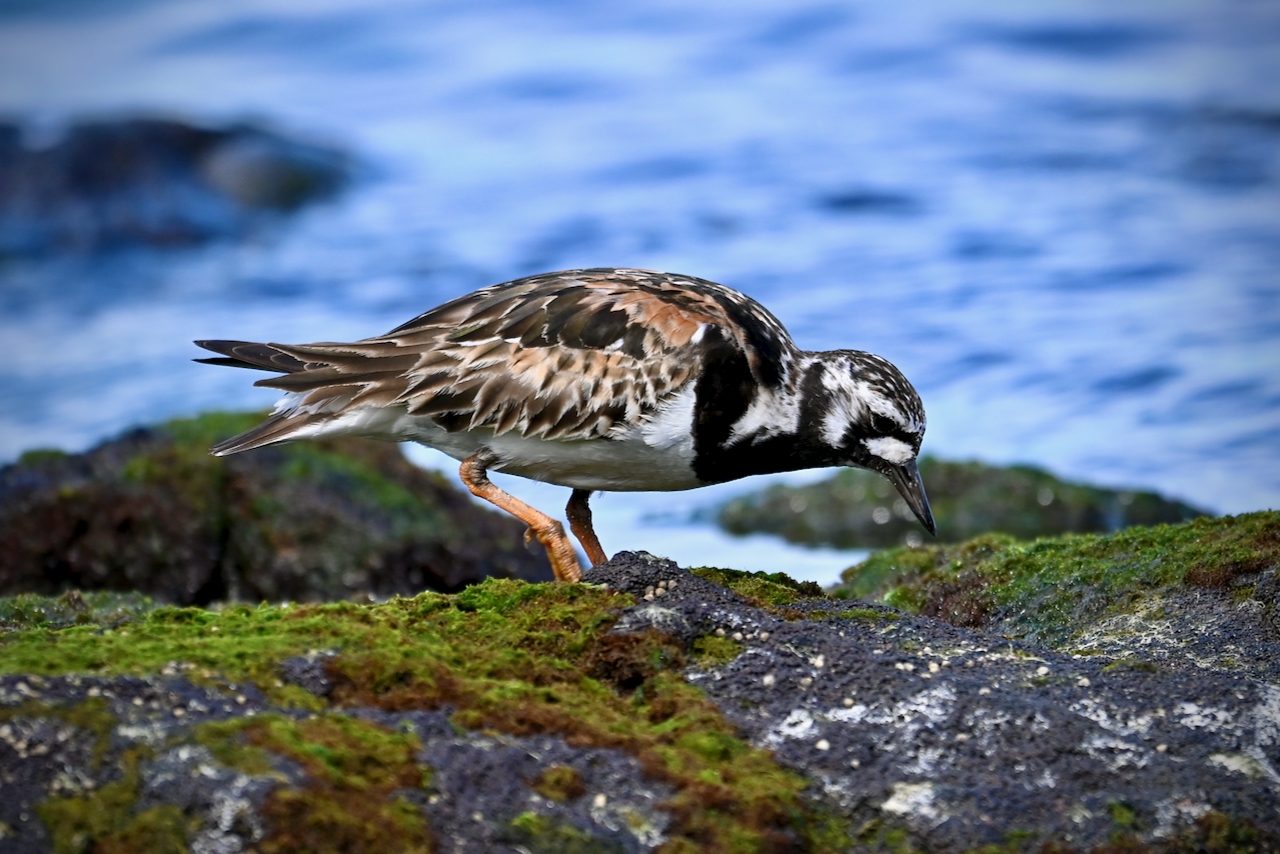
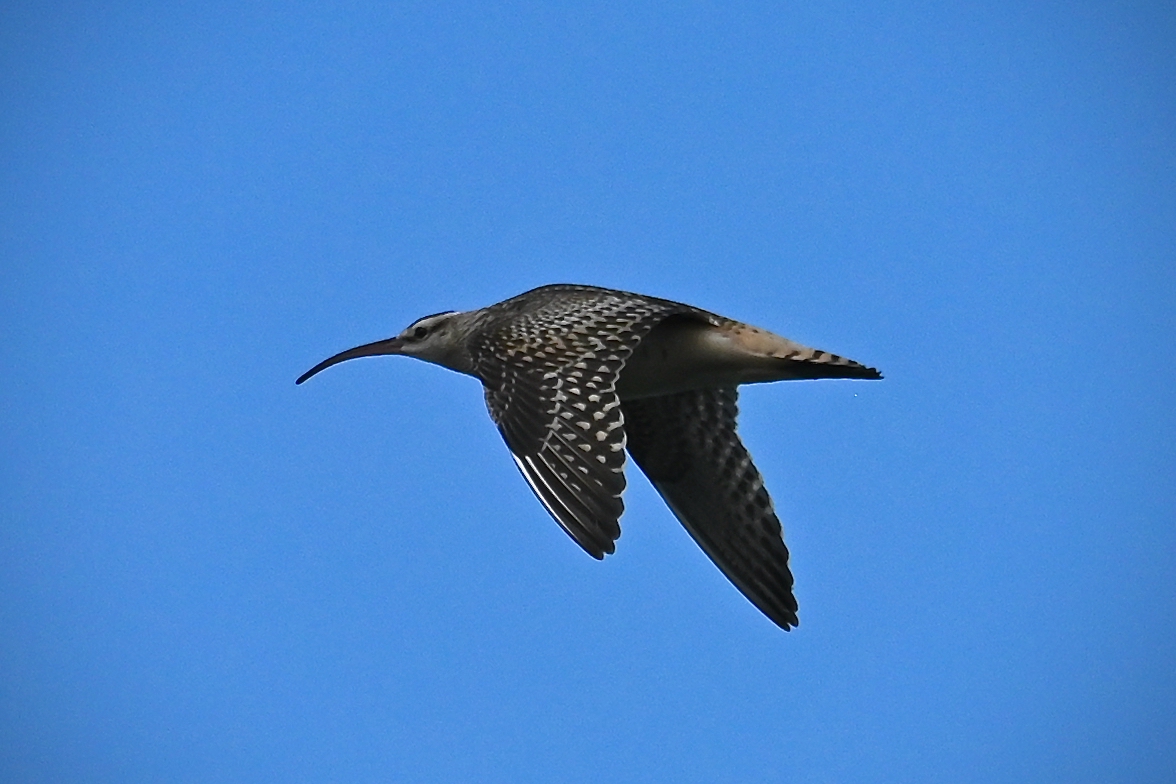
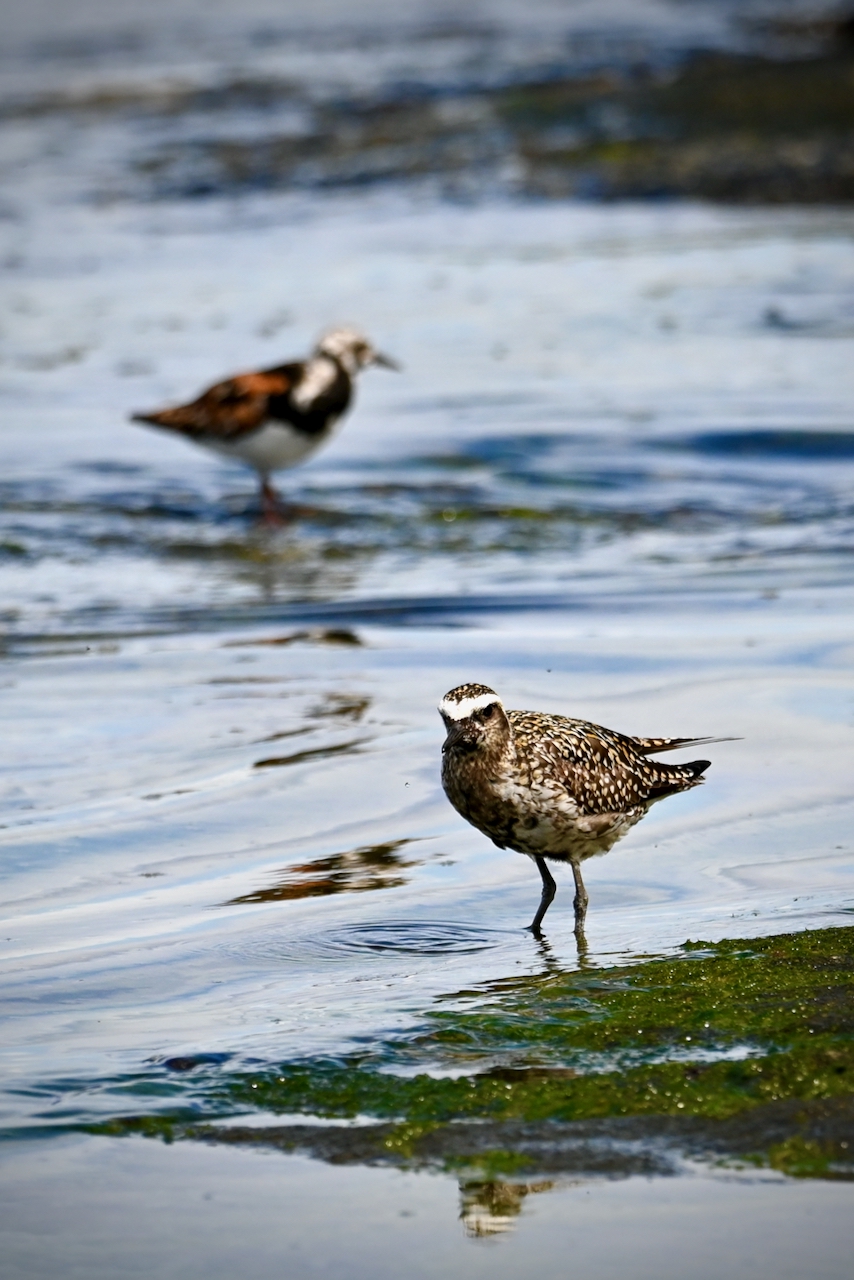
Birds of 2025

I’m a neophyte birder. I give credit for prescience to former Connecticut Conference Minister the Rev. Dr. Davida Foy Crabtree, who gave me Hawaii’s Birds (Audobon, 1997) as I was moving to Hilo. As I’ve said elsewhere, I began learning about local birds in order to tell stories during worship services. Most of the creatures that I grew up learning and knowing about simply don’t live here. On an island with very few native mammals, I turned to birds as the inspiration and characters for these stories. Many of those stories are archived here.

It was only last year that I began formally recording bird sightings through a service of the Cornell Lab of Ornithology called eBird. In 2025 I completed 43 checklists, attaching photos to twelve of them. I took 1,191 photos and 107 videos that I’d be willing to show somebody else. The sightings covered 45 species on three of the Hawaiian Islands and in Connecticut.

That’s not a lot of species for a serious birder, but that’s a part of living in Hawai’i. It is a lot of photo and video material. As the end of the year approached, I realized that I had more bird material than I could include in my annual “A Year” video. The result is the video above, featuring some of the birds I saw and photographed in 2025.

Some of my favorite photos are, of course, in the video, but here they are in a gallery as well.

Enjoy!

Photo Gallery: Birds of 2025

Story: Decisions, Decisions

November 23, 2025

Jeremiah 23:1-6
Luke 23:33-43

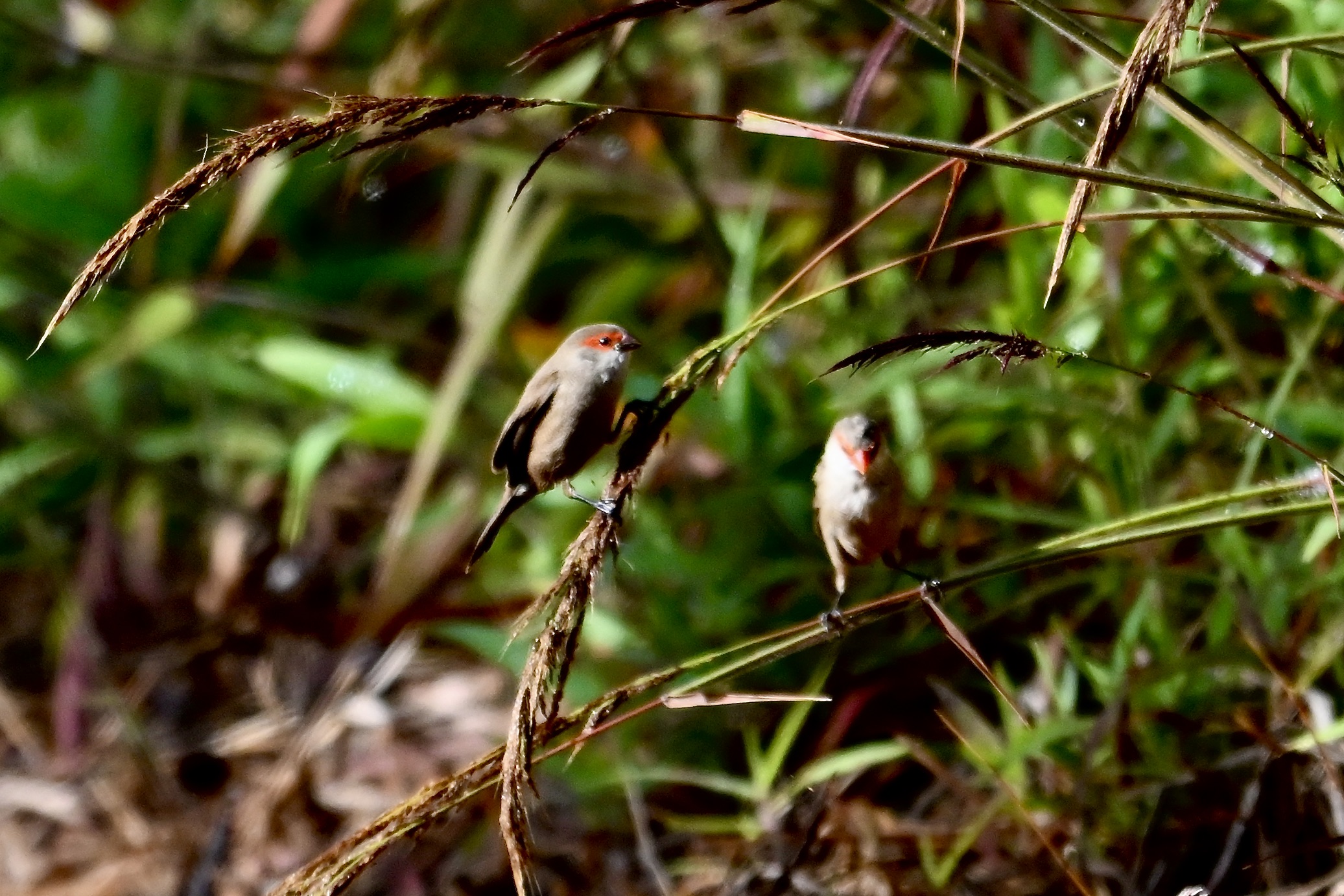
The common waxbills may be the smallest birds in Hawai’i – meaning how big the adults get. Newly hatched chicks even of very large birds can be smaller. But if you see a very small bird with a rosy beak, it’s likely to be a common waxbill.

They like to eat the small seeds of grasses and herbs, and they tend to move about in flocks of anywhere from a pair up to thirty or forty birds. With a flock, of course, comes the problem of decision. If I’m the only one who needs to make a choice, well, I can make the choice. I decide whether to go this way or that way. When there’s somebody else, though, now we have to work out our direction, our left or right, our up or down.

Waxbills have the same problem. When they’ve eaten the seeds in this plot of grass, how do they decide where to go next?

A waxbill decided one day, after a certain amount of chirped argument, that somebody had to take charge. Somebody had to make the decision. Somebody had to rule.

“We’re going this way,” he called, and took off. Most of the other waxbills took off with him, but not all, so he circled back and screeched at them until they, too, joined the rest of the flock and flew with him. Some of them were relieved not to have to argue any more. Others were irritated that they had ideas that nobody listened to. And there were a few that didn’t want to go in this direction at all.

One of the nice things about being a bird that eats grass seed is that, pretty much any direction you go is likely to have grass in it. They flew. They found. They ate. But not everybody in the flock was happy.

The next day, the waxbill in charge decided to take charge again, but this time some of the waxbills wouldn’t go at all. He chirped at them. He screeched at them. He even flew at them as if he was going to hit them with his wings. But they wouldn’t go.

Eventually the flock settled back to the ground again, and one of them said, “I don’t mind following you, but we need to take trouble to agree which way we’re going to go.”

“No, we don’t,” said their self-appointed leader. “I know what I’m doing. I’m in charge.”

“We all have ideas about where to find seeds,” said the waxbill speaking for the others. “Some might be more right. Some might be more wrong. And that includes you. If we all share, we’ve got a better chance that the ones who are more right will be heard, and that we, as a group, will find more seeds.”

“You’re a fine leader,” he went on, “but you’re not the only one with good ideas. We’ll follow – but we’ll also contribute. If you don’t want to listen, well, somebody else will have to lead.”

It took longer that way. It did. But this little flock of little birds did better than they ever had before at finding good clumps of grasses in seed, and they did it with birds who felt better about their leadership and their fellow fliers in the flock than they ever had before.

It can be a challenge to make decisions. It might be that the most important decision you can make is how you make a decision for yourself and with others.

by Eric Anderson

Watch the Recorded Story

I write these stories in full ahead of time, but I tell them from memory (plus improvisation). As a result, what you read and what you hear will be different.

Photo of common waxbills by Eric Anderson.
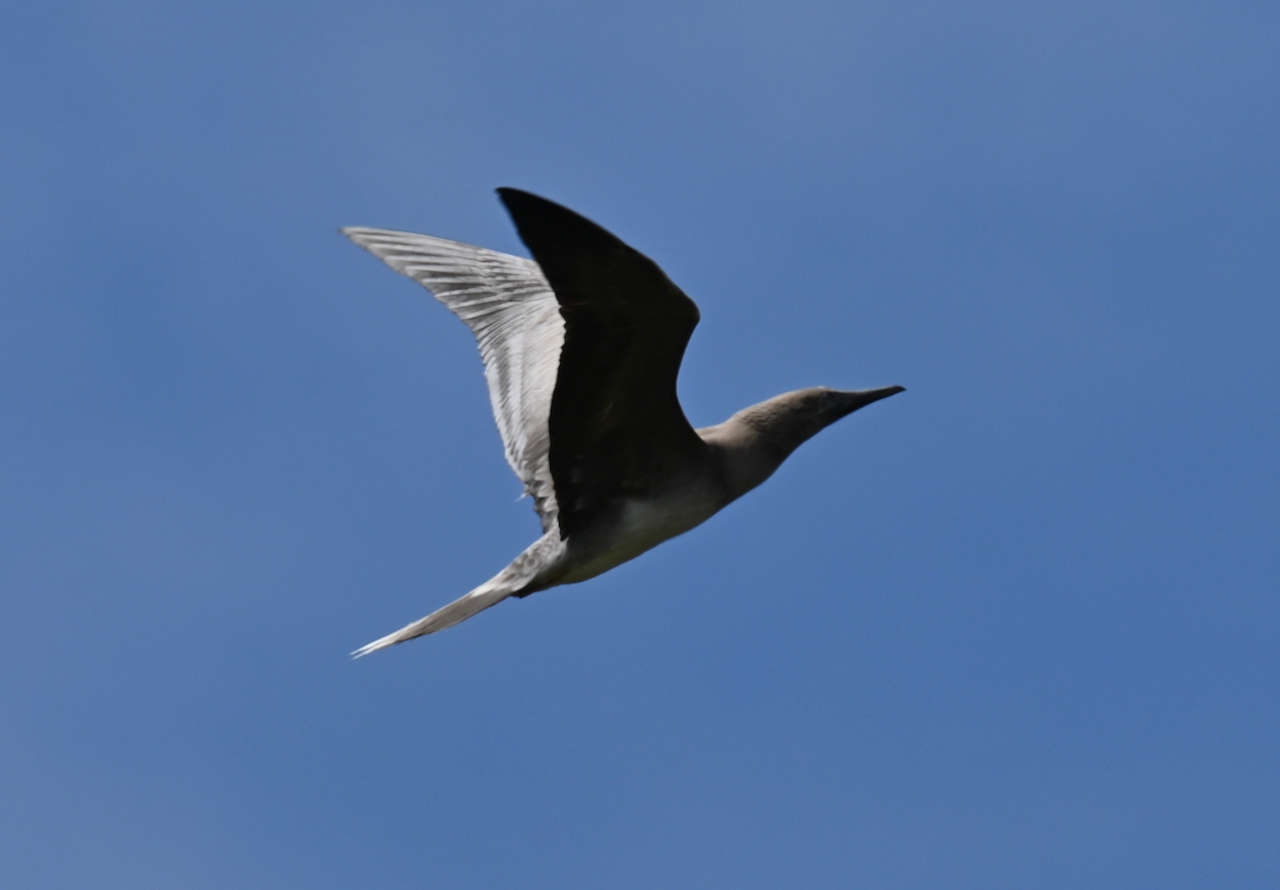
Story: Flowers and Friends

November 9, 2025

Haggai 2:1-9
2 Thessalonians 2:1-5, 13-17

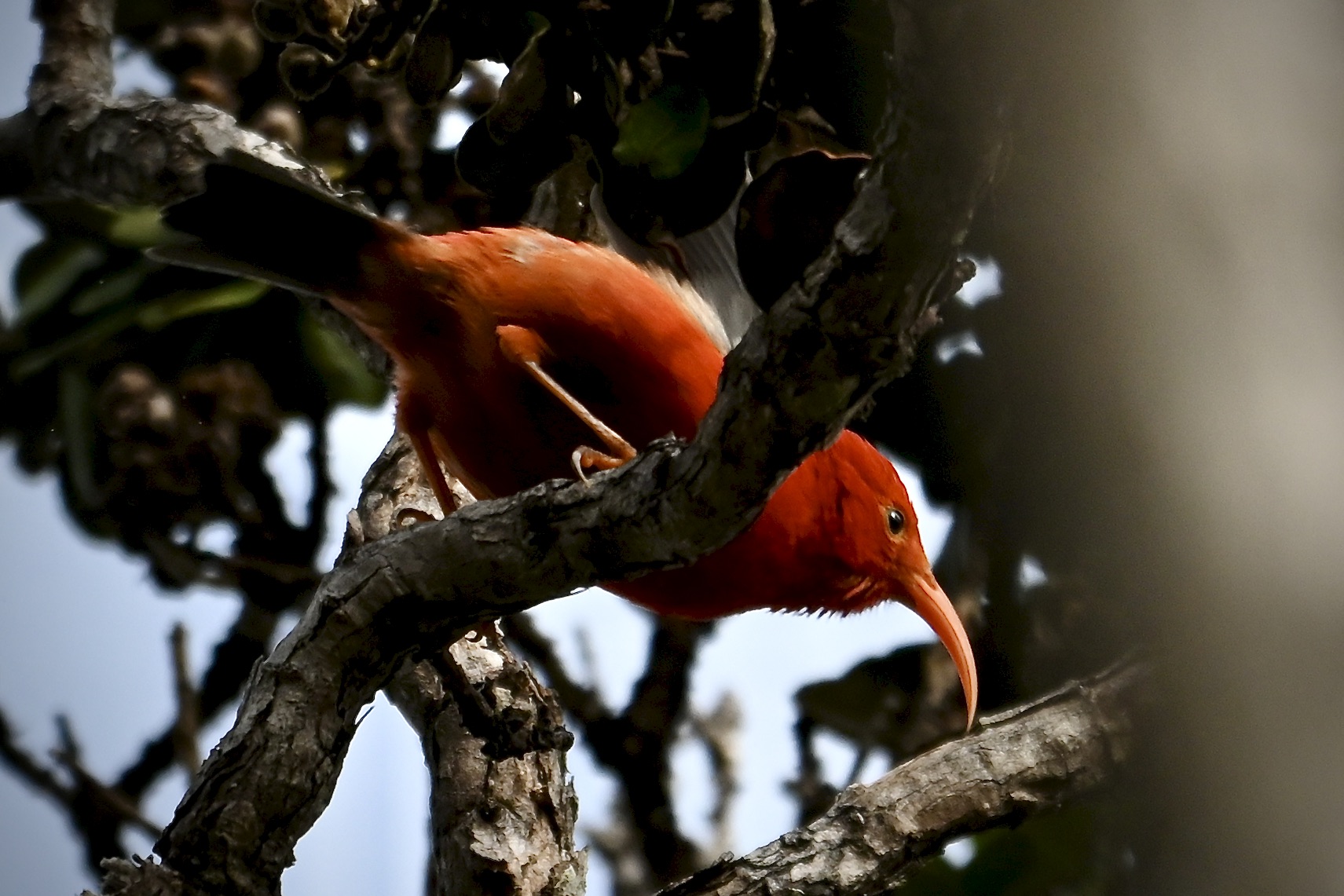
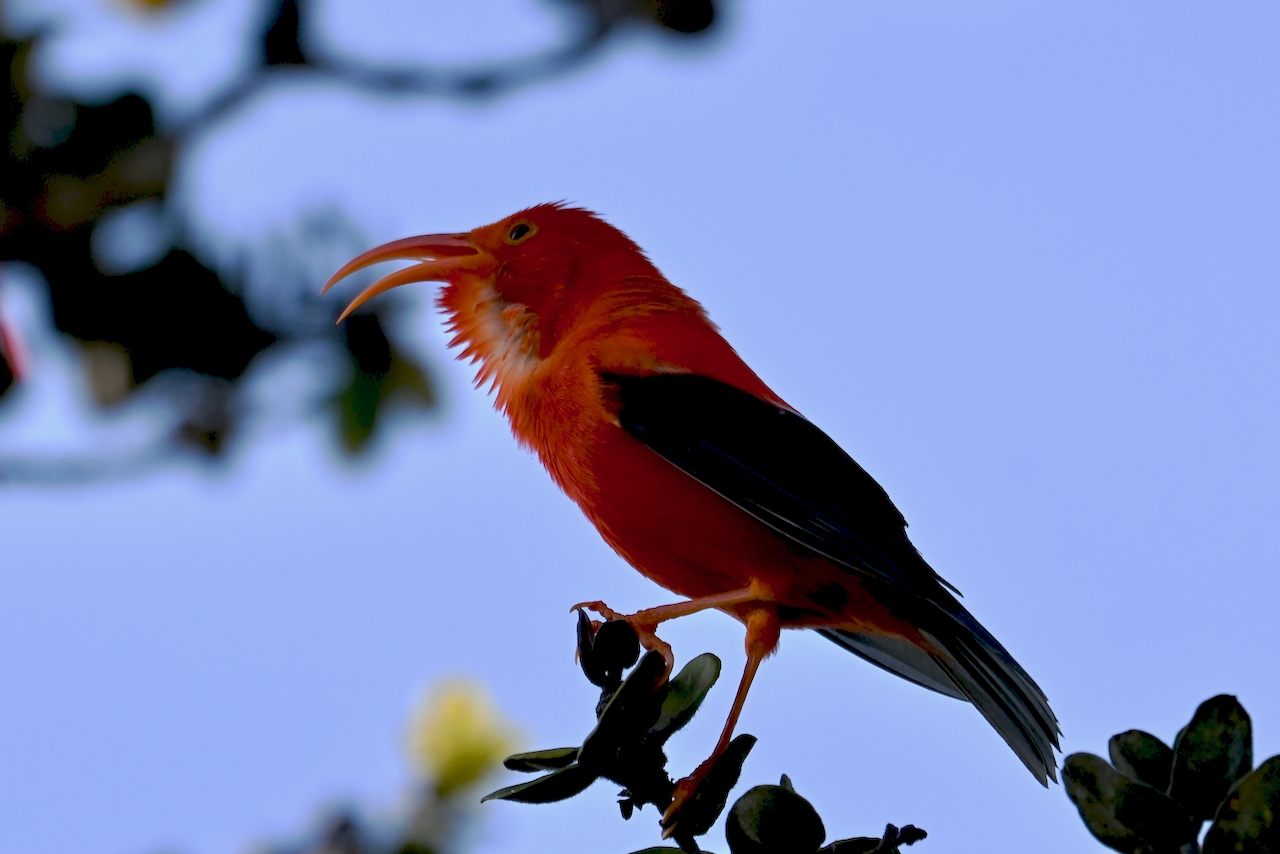
Life isn’t always easy in the mountain forests. Sometimes it gets really wet and uncomfortable, and while feathers are pretty good at keeping you warm and dry, they’re not perfect. Sit in the rain long enough, and an i’iwi will feel pretty cold and wet.

Worse, though, is when it gets dry, because the trees and the plants rely on water. When there’s been no rain for a good while, they have to save their energy. It’s like when you’ve been running around a lot and need to rest for a while. The way a tree rests, or another kind of plant rests, is to hold off on making flowers or fruit. When there’s more water, then it’s time to bloom.

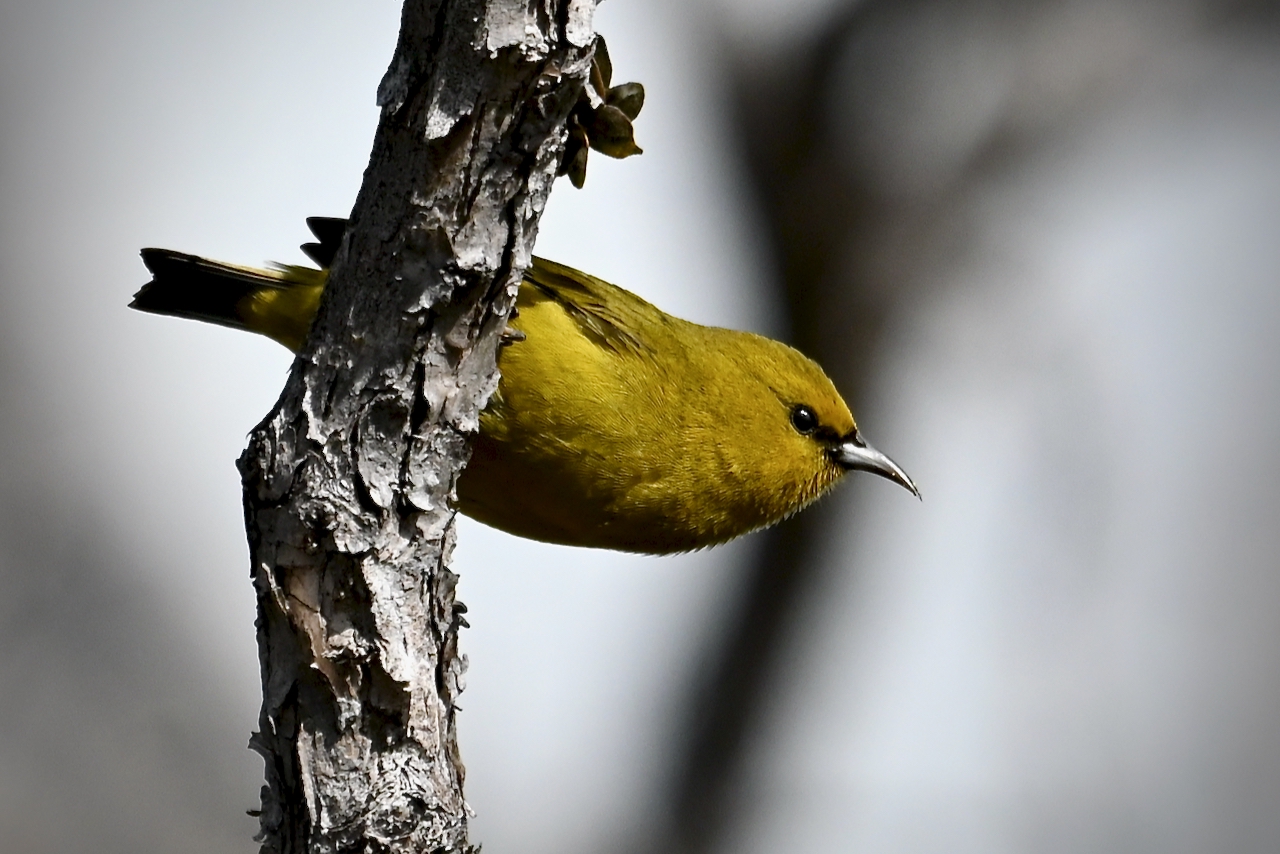
The birds can mostly cope with that. The ‘elepaio eats bugs, and lots of the bugs eat things other than nectar. The ‘apapane and the ‘amakihi eat lots of nectar, but they can make a good meal from worms and spiders. They miss the nectar, but they can feed themselves.

The i’iwi has a rougher time. They will eat bugs, but they’re built to eat nectar, not bugs, and when the flowers aren’t blooming, they get hungry.

It was dry on the mountain. And the i’iwi were hungry.

As I’ve mentioned, while some i’iwi don’t get along with other birds, some i’iwi get along just fine. So there was a little flock of ‘apapane and ‘amakihi and ‘akepa that were worried about their i’iwi friend, who wasn’t saying much, but she was clearly getting hungrier and hungrier.

“What can we do?” an ‘amakihi asked an ‘apapane, who replied with a bird shrug, because he didn’t know, either.

“What can we do?” an ‘elepaio asked his friend the i’iwi, which was the same question but had the advantage of being asked of the right bird. Unfortunately, she didn’t know either.

“You’ve showed me where you’re finding some bugs to eat, and that’s helped some,” she said, “but I’m afraid I’m not as good at catching them as you. I don’t think you can get me more food any better than that.”

“I still want to help,” said the ‘elepaio, and all the other birds did the same.

“You know how you can help?” said the i’iwi. “Stay right where you ware. Stay close to me. Show me you care.”

“How will that help?” asked the ‘apapane, who had a very practical mind. “You can’t eat that.”

“Perhaps not,” she said, “but when you’ve done all you can to help me eat, I’m glad to have your company. It may not feed my stomach, but it feeds my heart.”

So they perched there together in the same tree. Sometimes one or the other birds would sing, and once the ‘amakihi caught a spider and gave it to the i’iwi, who ate it with a hearty “Mahalo.”

Mostly, though, they sat in friendship, friendship that fed the heart even better than flowers.

by Eric Anderson

Watch the Recorded Story

I write these stories in full ahead of time, but I tell them in worship from memory (and improvisation). The story when you watch it will not match the story when you read it.

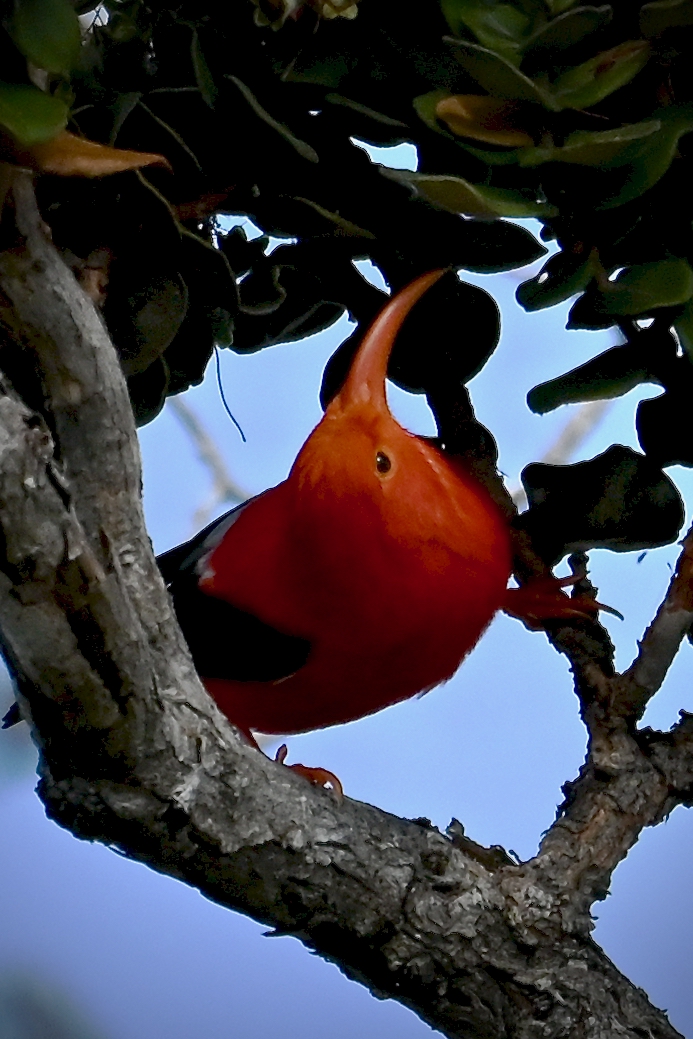
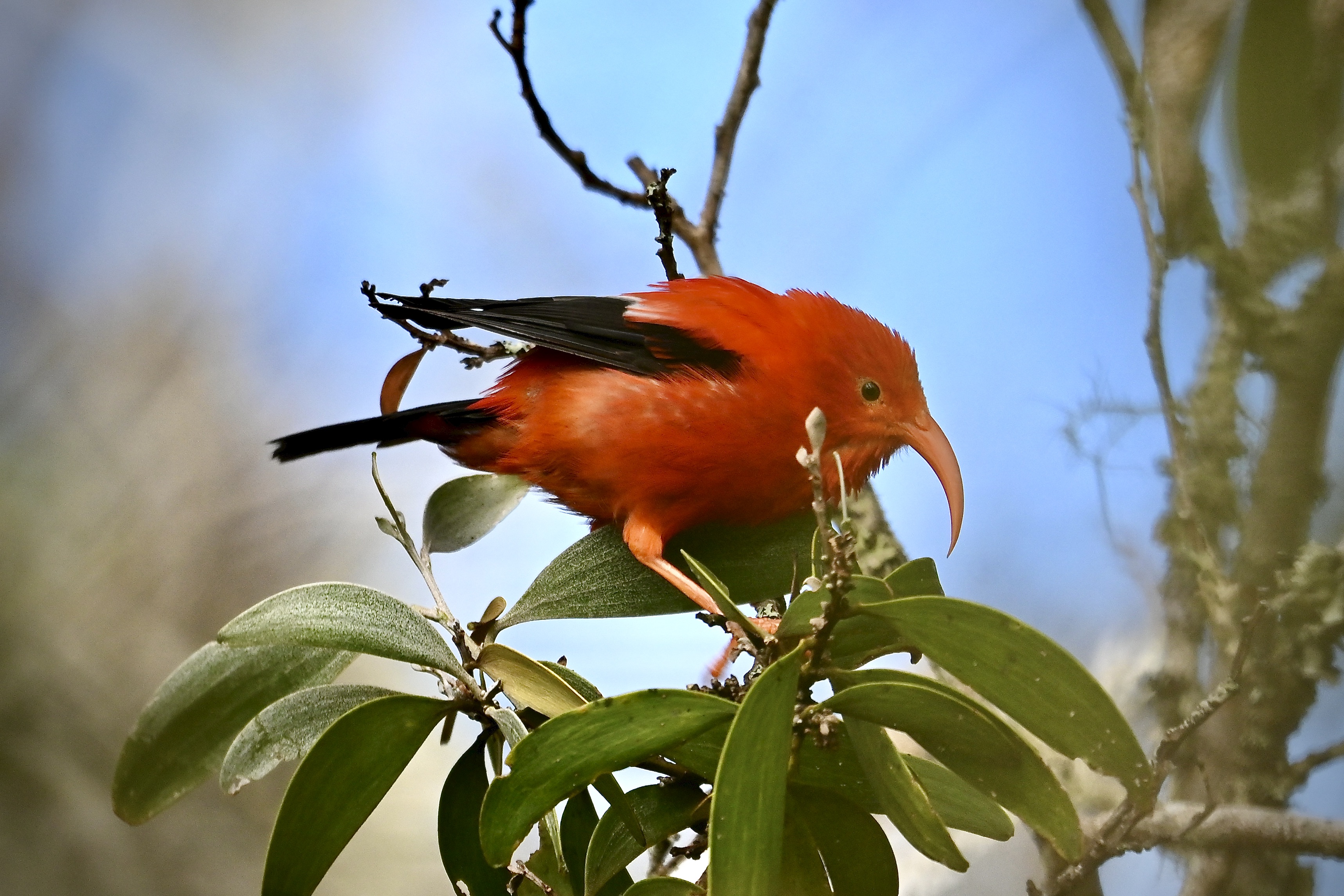
Photo of an i’iwi (who hopefully isn’t hungry) by Eric Anderson.

Story: Hold On

October 19, 2025

Genesis 32:22-31
Luke 18:1-8

Where I grew up on the shores of the Atlantic Ocean, there are birds that eat worms. In fact, a lot of birds eat worms. Some of them would eat worms (and bugs, and spiders) that burrow into trees. Some of these would use their beaks to dig holes into the bark to get those caterpillars out. Some would even carve pretty big holes in the wood.

Those birds are called woodpeckers.

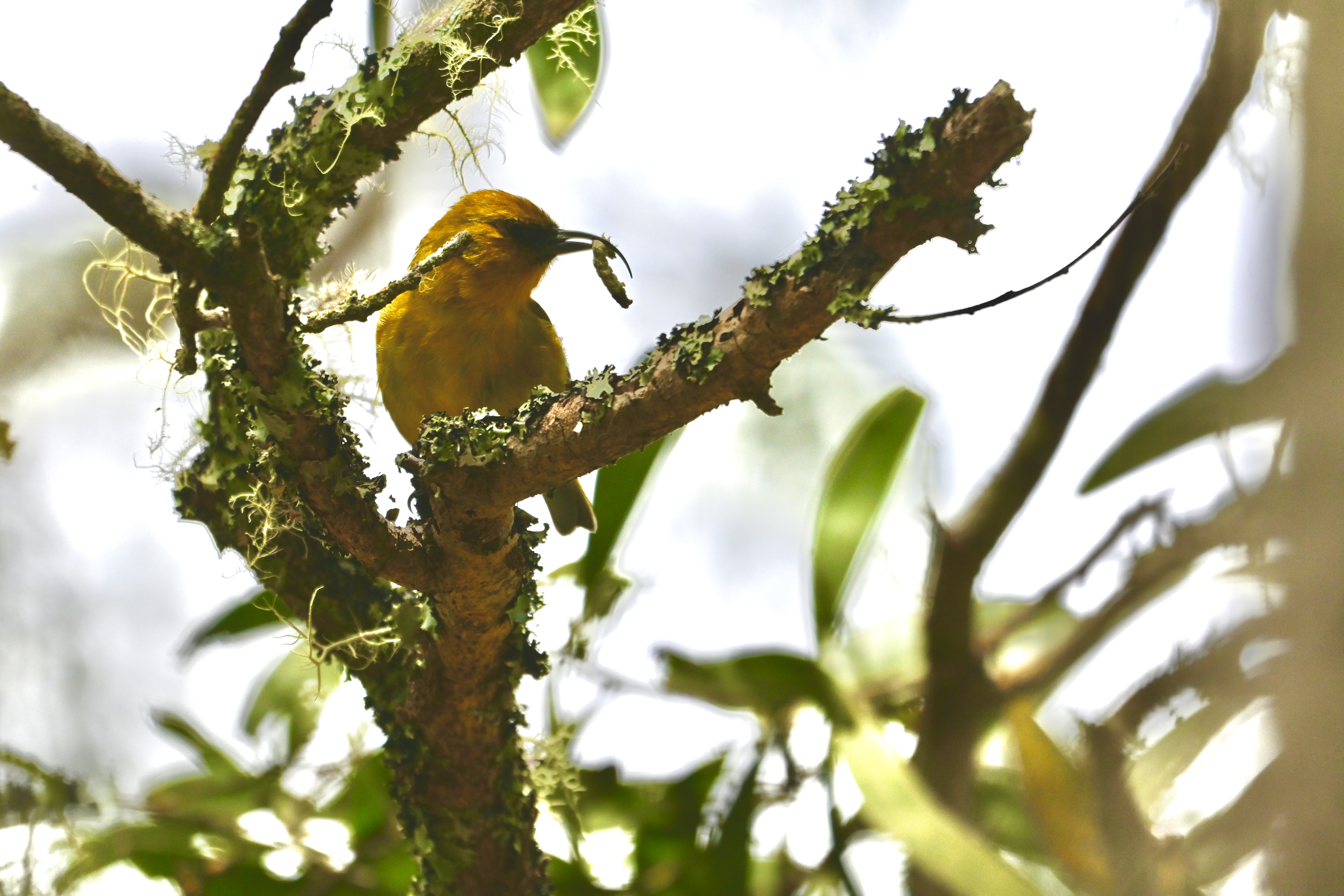
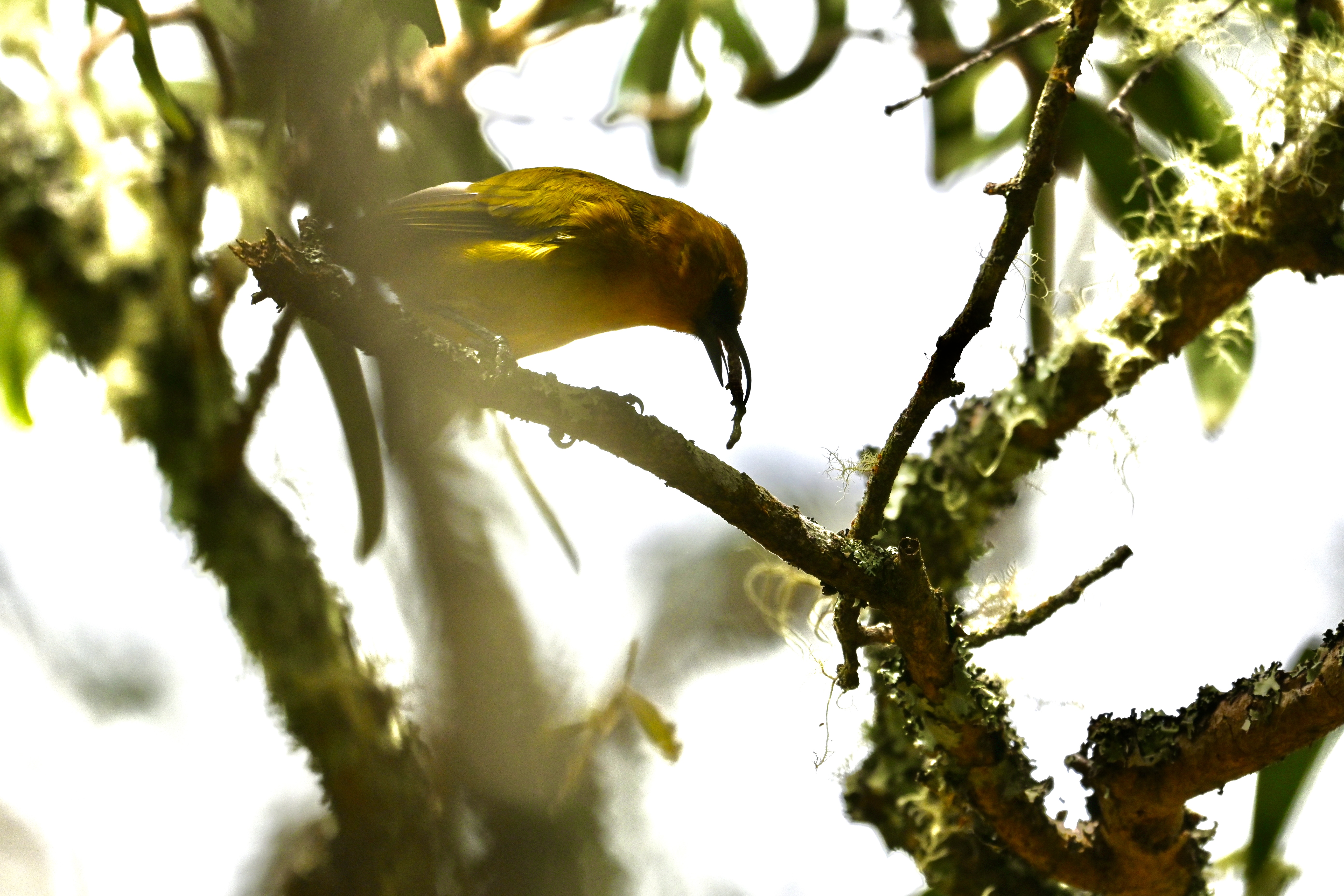
On our island, we don’t have woodpeckers, we have the ‘akiapola’au, and I think I’ve mentioned before that it’s a very rare bird. They only live on our island, and there are less than two thousand of them. They have a short lower beak, and they use that to dig into tree bark where caterpillars or worms might be hiding. When they find one, they use the curved top beak like a fishhook, only they’re catching the worm.

I guess you could say they use both the upper and lower beak to actually eat what they’ve caught.

One day an ‘akiapola’au caught a caterpillar, but he wasn’t alone when he did. There were several other birds around, and none of them had the unique beak of an ‘akiapola’au. Therefore they had a lot of different ideas about what the ‘akiapola’au should do with his newly caught caterpillar.

“It’s stuck on your beak,” said an ‘apapane. “You can’t eat it from there. How are you going to get it into your mouth?”

“He could put it down,” suggested an ‘amakihi, who may have said that because he was hungry and thought he could get to the caterpillar if it crawled off.

“Is it too big to eat?” asked an ‘elepaio, which isn’t a very big bird but neither is an ‘akiapola’au. “You could bite it into smaller pieces.”

“That sounds like a good idea!” said the hungry ‘amakihi, who hoped to get one of the smaller pieces.

The ‘akiapoloa’au swung the caterpillar around, using the twigs and branch to get it from the hook of his beak toward his mouth. The other birds chimed in with advice like “Left!” “Right!” “Up!” “Down!” which wasn’t very helpful.

The worst advice came from an i’iwi, whose beak curves pretty dramatically, too. “Just put the caterpillar down,” she said. “Get some flower nectar instead. I mean, yuck!”

The hungry ‘amakihi echoed her, but the ‘akiapola’au ignored them all, all except an ‘alawi, another bird that likes a menu of bugs and caterpillars, who simply said, “Hold on.”

Hold on.

The ‘akiapola’au held on as he used the twigs to get the caterpillar lined up just right, and then, well, he was a happier ‘akiapola’au because he wasn’t as hungry. He looked at the helpful ‘alawi, who was searching for a caterpillar of her own.

“When you find what you need,” he said, “hold on.”

There are plenty of things in life that it’s good to let go of. Hot pans. Mosquitoes. Sharp things. There are plenty of habits in life that it’s good to let go of. Greed. Making fun of other people. Eating too much sugar.

But when you find what you need, whether it’s the food for the body or the food for the soul, the best advice there is, is: “Hold on.”

by Eric Anderson

Watch the Recorded Story

I write these stories ahead of time, but I tell them from memory, so what I said will not match what I wrote.

Photos of an ‘akiapola’au (and his lunch) by Eric Anderson.
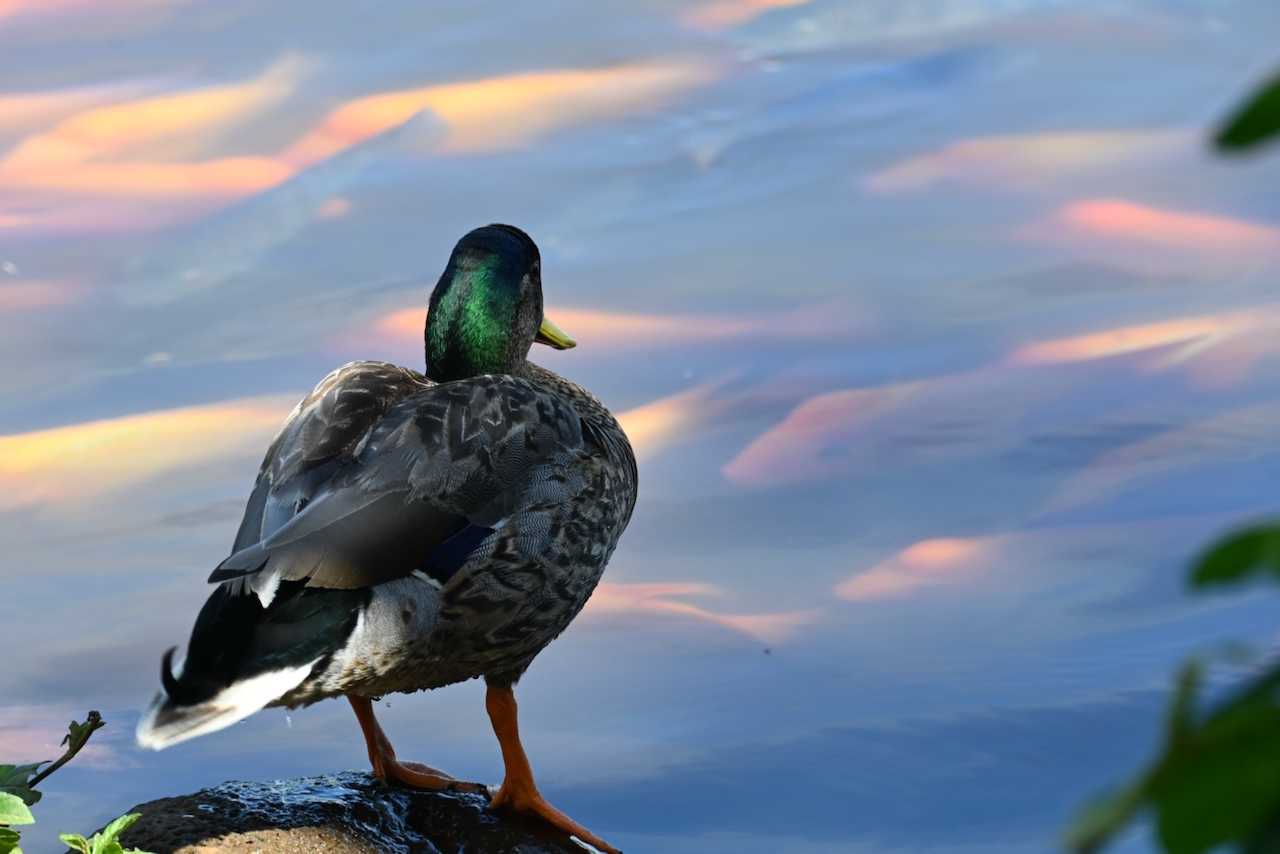
Story: Following the I’iwi

August 17, 2025

Jeremiah 23:23-29
Hebrews 11:29-12:2

During the summer, plenty of the forest birds form small flocks which may include ‘apapane, ‘amakihi, ‘akepa, and so on. Plenty of those birds may fly about and forage by themselves as well, but one little flock on the slopes of Mauna Loa was having a bad day. They just weren’t finding much in the way of food.

“I’m hungry,” complained an ‘amakihi.

“We all are,” replied an ‘apapane, and the other birds agreed.

“What are we going to do about it?” asked the first ‘amakihi.

“Does anyone have any good ideas?” asked another ‘apapane, looking around at the other birds. From the shaking heads, nobody did.

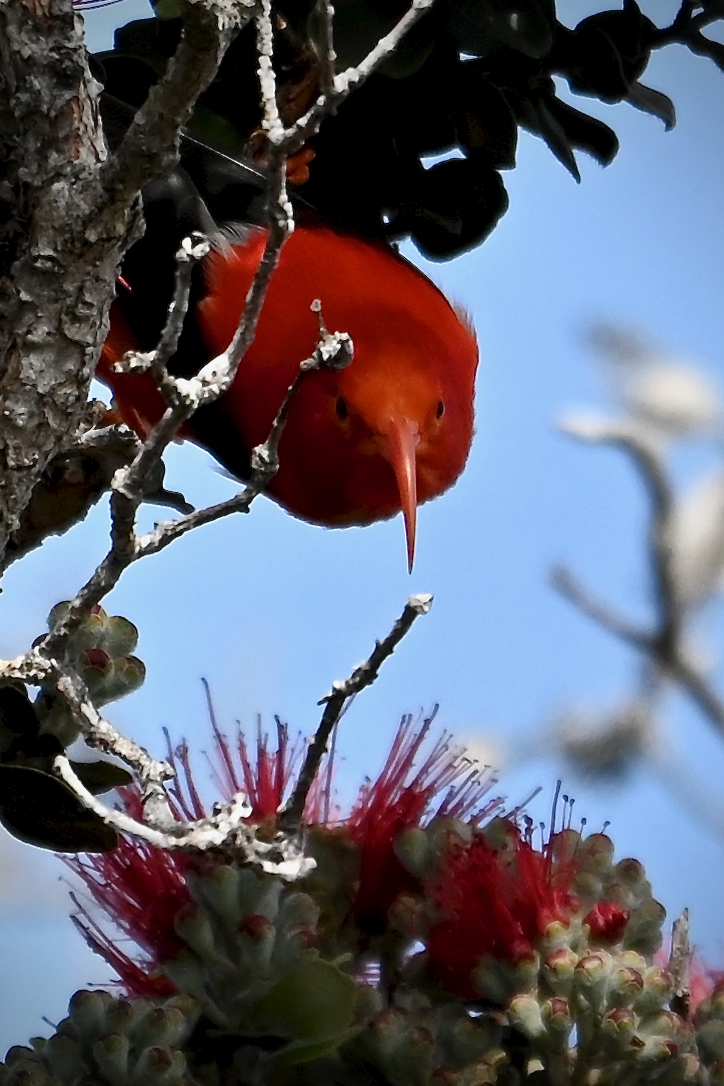
That’s when the heard they heard the squeaky sound of an i’iwi. They watched as he rose from a nearby tree – one which didn’t have much in the way of flowers on it, circled once or twice, and flew off.

“What was that about?” asked an ‘apapane.

“I don’t know,” said an ‘akepa.

“How about we follow him?” said the first ‘amakihi, the one who was hungry.

Nobody could think of a good reason not to, so the little flock took to the air and flew in the same direction the i’iwi had taken. For a little while they just flew over flowerless trees, but then a few ohi’a blossoms appeared. Things were looking up. Eventually the i’iwi settled in a tree just dripping with flowers, surrounded by plenty of other blossoming trees as well.

The i’iwi squawked a little unpleasantly at them – they’re not great singers, the i’iwi – but didn’t come out to chase them away as they settled into surrounding trees and began checking the flowers for nectar and the branches for bugs. There wasn’t much sound for a while other than some satisfied songs and wing flutters as they shifted from branch to branch.

“How did you know?” said an ‘apapane to the ‘amakihi.

“How did I know what?” said the ‘amakihi.

“How did you know that the i’iwi would lead us to flowers?”

The ‘amakihi shrugged. “I didn’t know,” he said, “but as sad as it is that the i’iwi isn’t a great singer, and as nasty as they can get when they’re upset about something, they’re really good at finding trees in blossom. I’d trust them to find food any day of the week.”

“You’d trust an i’iwi?” said the ‘apapane in wonder.

“I trust an i’iwi to do what an i’iwi does,” said the ‘amakihi. “And look. This one did.”

The i’iwi, who had overheard all this, let out a contented squawk, hopped to another flower, and settled in to sip the sweet nectar.

by Eric Anderson

Watch the Recorded Story

I write these stories in advance, but I tell them from a combination of memory and improvisation, so what I wrote and how I told it do not match.

Photo of an i’iwi by Eric Anderson.
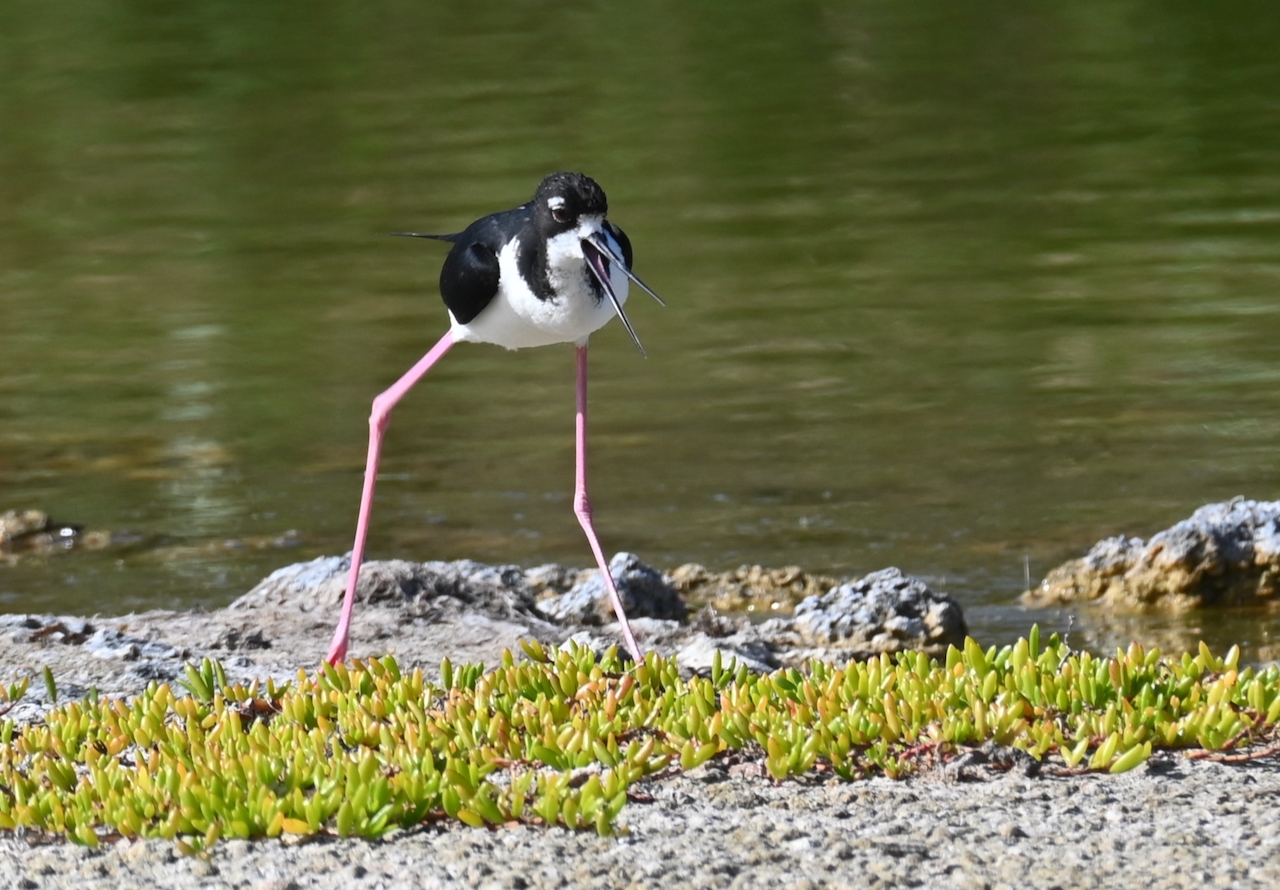
Story: A Tree Falls

July 20, 2025

Amos 8:1-12
Luke 10:38-42

The oma’o’s heart was in the right place, mostly. The physical heart was, of course, in the right place in his chest and beating regularly. His emotional and spiritual heart was maybe a little bit off to the side, because while he was thinking a little bit about another living thing, it has to be said that he mostly was thinking about himself.

It was a thinnish koa tree that he chose to protect. Its leaves were pretty thick even if its trunk wasn’t the widest. He liked the flavor of its flowers. There were some other birds that did, too, and he began to chase them away whenever he saw them. “I’m preventing them from over-feeding,” he said to himself. “That way the flowers can bloom and the fruit will grow.”

There were also bugs and caterpillars on the trunk and branches of the tree. Some of those he ate, because an oma’o will eat just about anything. Most of them he ignored. Oma’o might eat anything, but when there’s fruit around, they’ll eat that.

But he also wouldn’t let other birds approach the tree to eat the bugs, either. He chased away ‘apapane and ‘amakihi, ‘alawi and ‘elepaio. He even chased away the hook-beaked ‘akiapola’au after he caught one digging into the tree bark with its short lower beak.

“Stop digging into this tree!” he shrieked. “You’re hurting it!”

“This caterpillar in the bark is hurting it,” said the ‘akiapola’au. “I’m getting it out.”

“Not while I’m around!” shouted the oma’o, and chased the other bird away.

As the days went on, the koa leaves started to turn funny colors and droop. When the oma’o landed on a branch, it didn’t spring back up the way it had. Twigs dried up and fell away. Leaves littered the ground around the base of the trunk.

“That tree is sick,” said an ‘elepaio to the oma’o. “It’s got too many bugs. Let us help!”

“No,” said the oma’o. “You’ll hurt it.”

“Look at all those caterpillar tracks below the bark,” said an ‘akiapola’au. “Let us dig them out. The tree will get better.”

“I’m not letting you anywhere near this tree,” said the oma’o.

Even he had to admit that things weren’t going well. He no longer ate flowers from the tree, because there weren’t any. He visited other trees for fruit. There were plenty of bugs to eat, but when he ate some, there were always more.

When a tree falls in the forest, it does make a noise. The birds hear it. And they cry about it.

The birds heard the oma’o’s tree fall. And they cried.

“Why are you crying?” the oma’o asked an ‘elepaio. “It was my tree, not yours.”

“I’m crying because that tree could have been a place to nest for decades,” said the ‘elepaio. “It would have sheltered my family in the rain,” said an ‘amakihi. “It would have fed my children and my grandchildren,” said an ‘akiapola’au.

Looking around, the oma’o realized that not only had he hurt the tree he’d called his own, he’d hurt all the birds around. Not only that, he’d hurt future generations.

When a tree falls in the forest, the sound of its fall echoes into the future.

by Eric Anderson

Watch the Recorded Story

I write these stories in advance, but I tell them from memory (plus improvisation), so it does not match the text you just read.

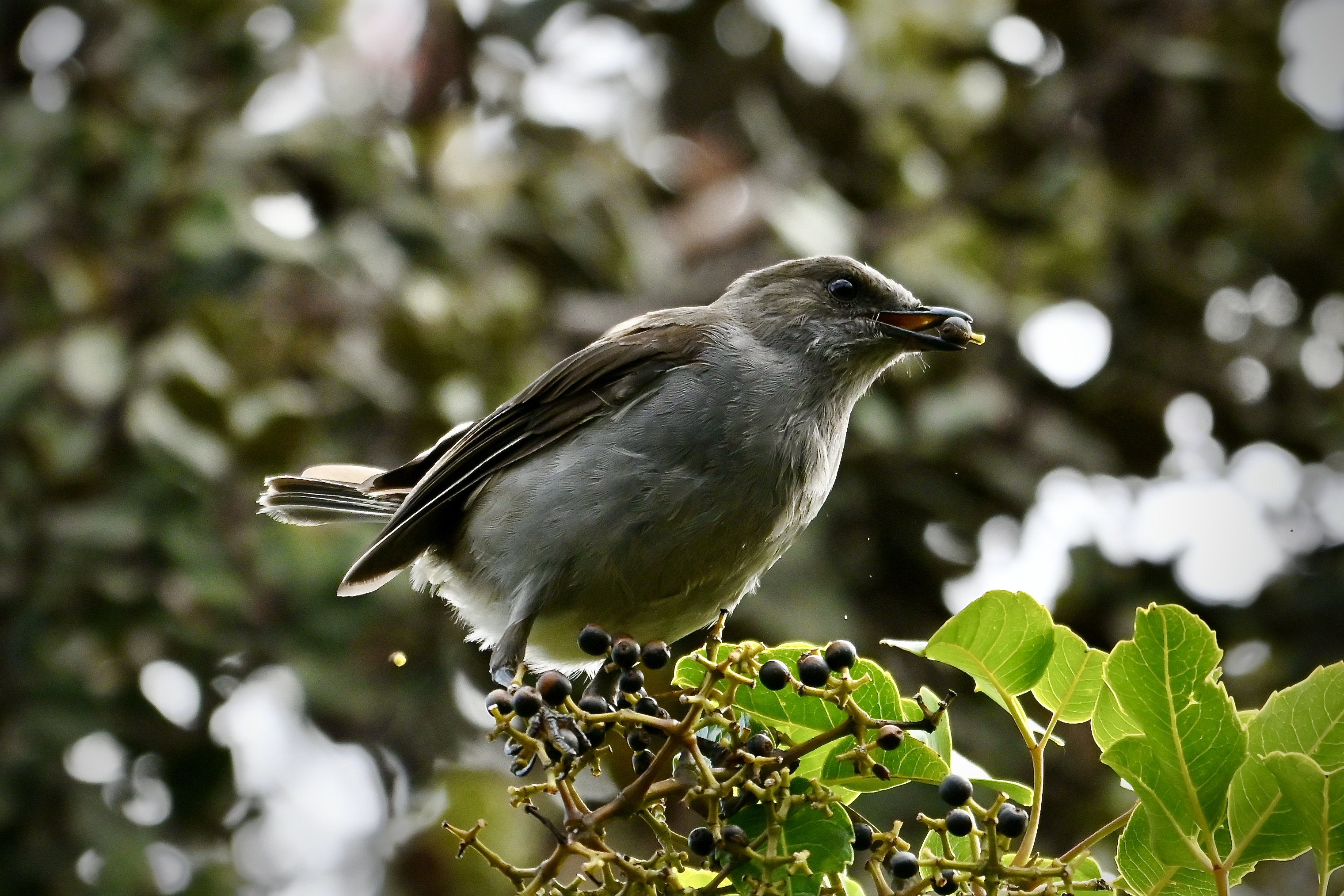
Photo of an oma’o by Eric Anderson.
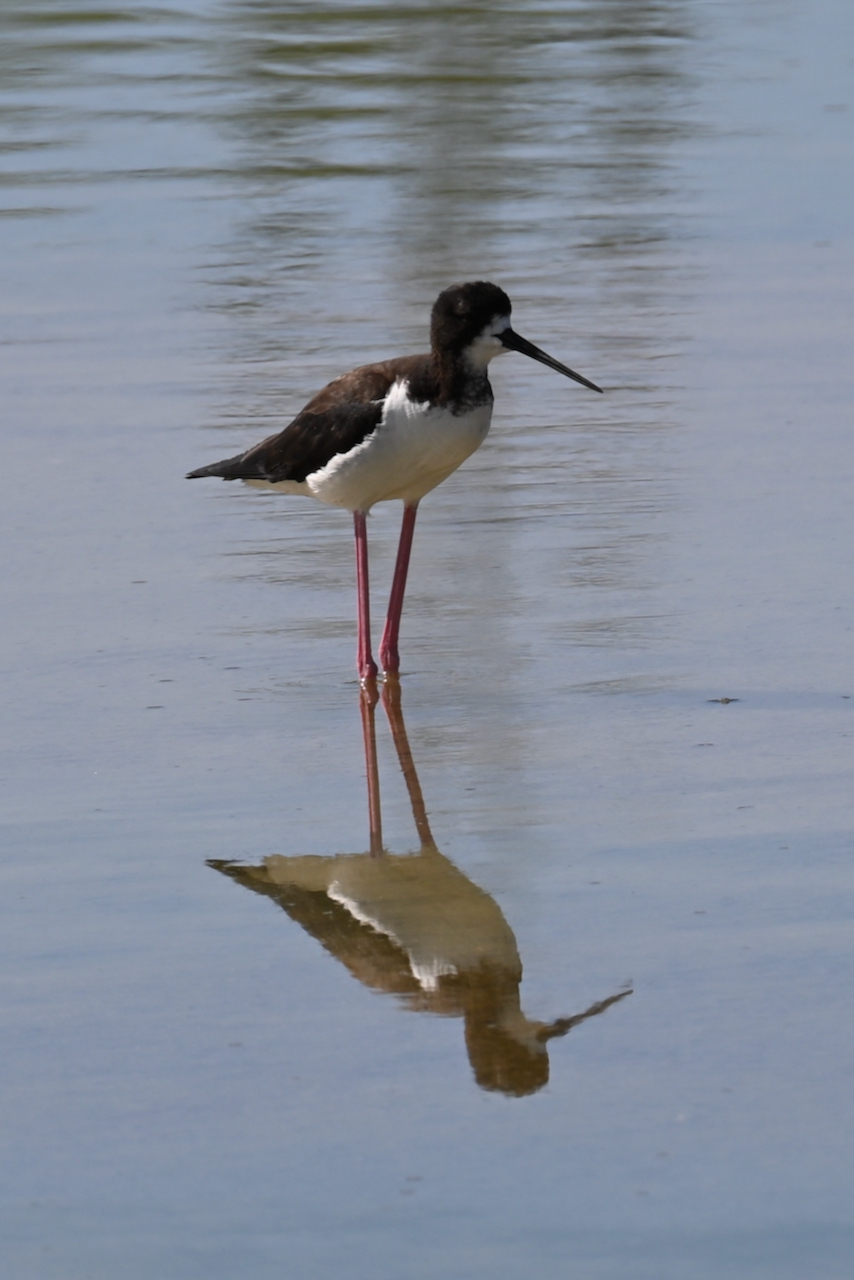
Story: Can a Stilt Fly?

June 8, 2025

Romans 8:14-17
Acts 2:1-21

The ae’o shouldn’t have had any doubt about the question. But she felt awkward and ungainly, which isn’t unusual when you’ve done a lot of growing in a very short time. She was only about four weeks old, but that was time enough to learn a few things about the world.

For one thing, she’d learned that she had very long legs as compared to the size of her body. The ae’o, it’s said, has the second longest legs for the size of their body of any bird. That’s a lot of leg, or not a lot of body, depending on how you want to think of it. She’d also learned that those legs were very useful for walking around in the calm waters of a fishpond, and she learned that she could use her long beak to pull food out of the water. She’d learned that in English she was called a “black-necked stilt,” which seemed fair enough, because she had long stilt-like legs and the feathers on her neck were definitely turning black as they changed with her age.

But she’d also learned that other birds were very different. The ‘Alae Ke’oke’o were sort of similar in size, but they had much shorter legs. In fact, they swam across the top of the water. She’d seen kolea and akekeke pecking for bugs and such along the shorelines before they left for Alaska. All of those birds seemed a lot more compact than she did, with her smallish body and long neck and long long legs. She’d watch the kolea wheel about the sky.

And she grew to believe that she could not fly.

I don’t know how she missed the fact that her parents flew quite well. I don’t know how she failed to notice that she, herself, had been taking wing-aided hops for a week. I don’t know how she missed all that. But she did. “I’m not going to be able to fly,” she said sadly one day, thinking that nobody was there to hear her.

“Really?” said a voice. “Why not?”

When she looked over, she saw another bird’s face with a long beak looking at her. It was a cattle egret, one of the many who liked the area of her fishpond.

“Just look at me,” she said. “Look at these long legs. Look at this long neck. Look at these wings. They can’t possibly get me off the ground and into the sky.”

The cattle egret looked her over carefully and said, “I’ve got long legs.”

She took a good look and realized that he did. “And I’ve got a long neck,” he continued.

“So you do,” she said.

“And have you noticed?” he asked. “I can fly.” And to prove it, he took to the air and flew twice around the fishpond before he landed near her again.

“I can’t be sure, but I think you can fly,” he said. “Have you tried?”

She didn’t bother to say, “No,” because they both knew she hadn’t. She didn’t say anything at all, in fact, but she did spread her wings. She looked at him sharply to make sure he wasn’t teasing her, but there was no trace of laughter in his face.

She took off. She flew.

She took three turns around the fishpond – she’d meant to do the same two turns he had, but she miscalculated the landing and had to come back and try it again.

“I can fly!” she said.

“You can,” he said. “I’m glad you tried. And I’m glad you fly.”

by Eric Anderson

Watch the Recorded Story

I write these stories in advance, but I tell them from a combination of memory, improvisation, and of course in conversation with the young people I tell them to.

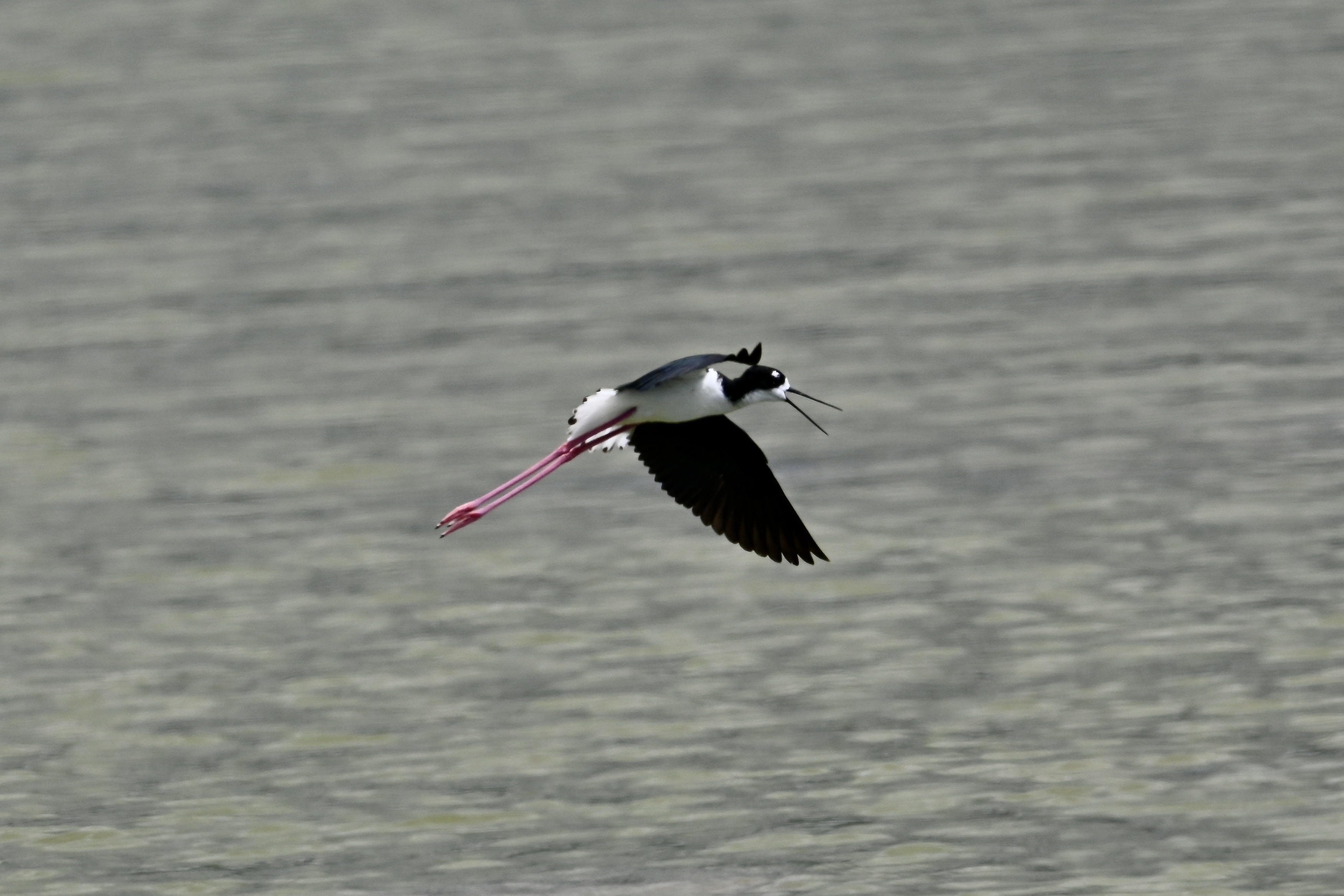
Photo of an Ae’o (Hawaiian Black-necked Stilt) in flight by Eric Anderson.
Story: Small Differences

January 19, 2025

1 Corinthians 12:1-11
John 2:1-11

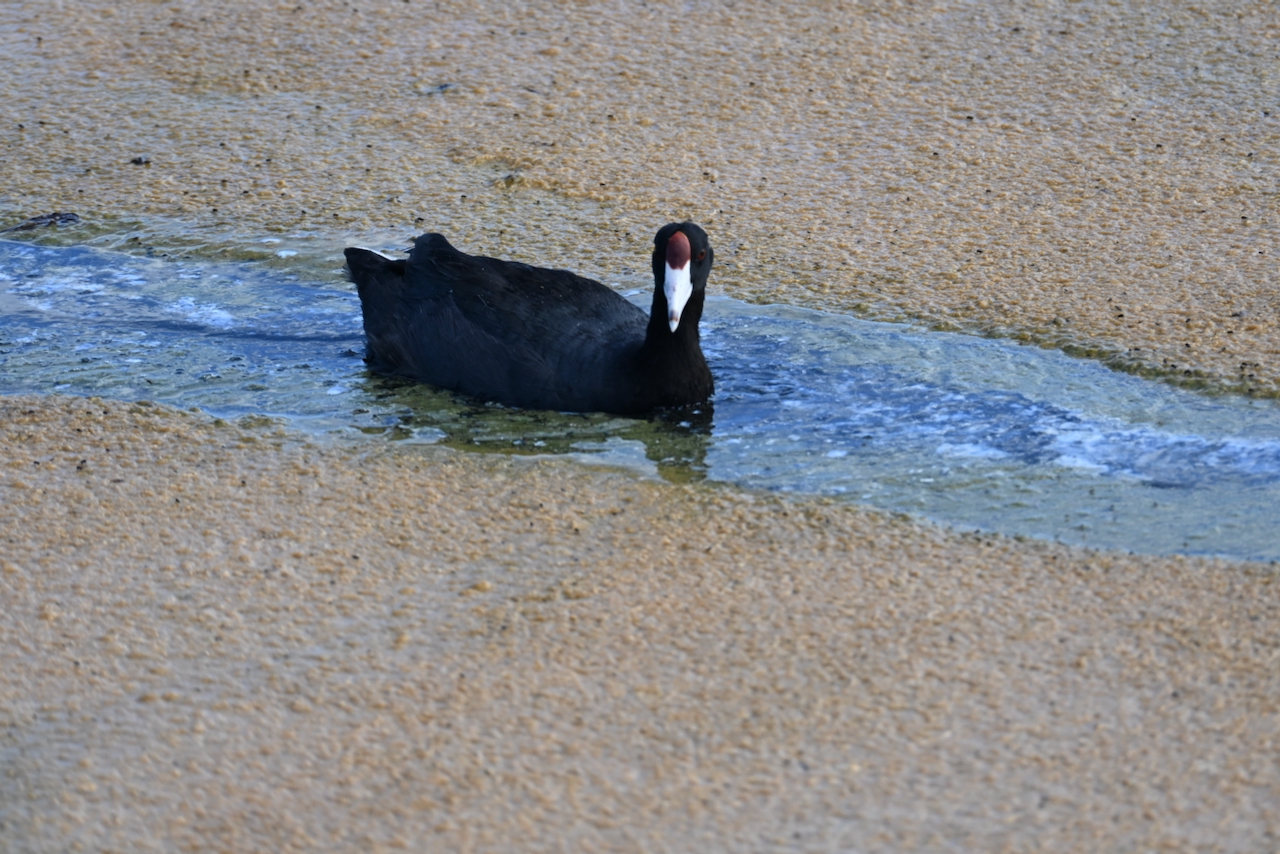
The akiapla’au is a small bird. It has a unique beak, with a short lower beak, and a longer top beak that hooks down in front of the lower beak. It may look odd, but the lower beak can drill into tree bark after bugs and grubs, and the top beak hooks them to draw them out.

If that seems strange, just imagine that you had to chase the chocolate chips through a cookie, and you might think a double-purpose beak sounds pretty good.

An akiapola’au is a small bird. It isn’t any bigger than a saffron finch or a yellow-beaked cardinal. There aren’t very many of them, either, perhaps about 1,900 here on Hawai’i Island. There aren’t any anywhere else in the world.

I think they’re pretty wonderful and pretty special.

A youngish akiapola’au, however, wasn’t certain about this. I don’t know whether he knew that birds like him live only on this one island, but I’m certain he knew there weren’t a lot of them around. Think about how you know so many of the people of Hilo, and how many of them you call “auntie” or “uncle.” After a couple of years, he knew pretty much every akiapola’au there was, and he called a lot of them “auntie” or “uncle.”

“There aren’t very many of us, and we’re very small birds,” he said to himself one day. “How will we ever make a difference in the world?” He had dreams, he did. He wanted to make the world better. He wanted someone else to benefit because he lived. He wanted to love the world somehow.

“But how?” he asked himself. “I’m too small to move anything bigger than a caterpillar with this beak of mine. And if we gathered all of us together and flapped our wings as hard as we could, what could we akiapola’au do but make a light breeze that the trade winds would blow away?”

It made him sad.

“Auntie,” he asked one day, “how can I make a difference?”

“What makes you think you don’t?” she asked.

“I’m too small to move anything,” he said, “and there aren’t enough of us together to make anything different.” Sadly, he dug out another little worm, hooked it with his upper bill, and ate it.

“What did you just do?” asked his auntie.

“Nothing,” he said, startled. “Well. I ate a worm.”

“Look at that tree over there,” said his auntie. “What do you see?”

“I see a sick tree,” said the younger akiapola’au. “It’s had so many caterpillars and worms that it’s fading. It might be dying.”

“What about this tree?” asked auntie.

“This tree is doing better,” he said.

“Why?”

“It doesn’t have so many worms and bugs,” he said.

“Why?” she asked.

“Because… I’m not sure. Is it because we’ve been eating them?”

“It is. And not just us. Other birds do the same. Between us, we’re helping this tree stay healthy.”

“But that’s just one tree,” he protested.

“I feed from lots of trees, and you know you do, too,” said his auntie. “That’s still a difference.

“You and I are small in the world,” she told him, “but these trees have better, stronger lives because of us. We make a difference for them, and they make a difference for us. For that matter, they make a difference for all the creatures of this forest. Our small difference contributes to everyone’s lives. You make the world a little better every day.”

by Eric Anderson

Watch the Recorded Story

I write these stories ahead of time, but I tell them from memory supplemented by improvisation. The story you just read will not match the way I told it.

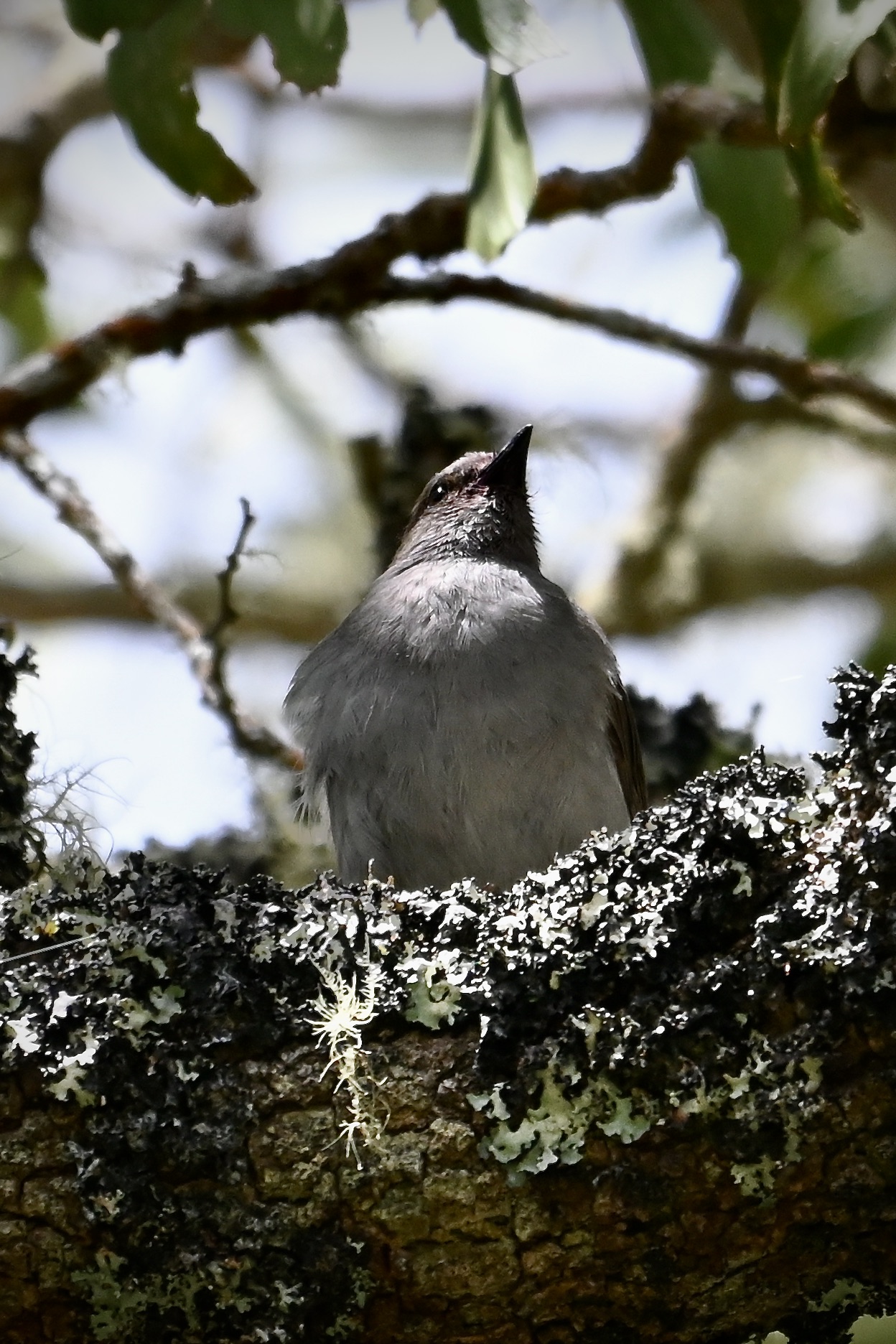
Photo of an akiapola’au (though it’s not a good one) by Eric Anderson.
Story: Important Things

A cattle egret in tall grass.

December 8, 2024


Philippians 1:3-11

Luke 3:1-6

The cattle egret is a relatively quiet bird. Most of the time it goes about its business of hunting insects and such without talking about it. When a cattle egret has something to say, it will say it. But if it doesn’t have something to say, it doesn’t say anything.

Unlike a lot of people you’ve met, I’m sure.

There was another bird who really wanted a cattle egret to say something. I don’t know why a saffron finch decided that he wanted wisdom from a cattle egret, but he did. Maybe it was their relative sizes (rather small to quite impressively tall). Not that size reliably indicates wisdom. Maybe it was the bright white feathers, but color doesn’t tell you much about wisdom, either. Maybe it was the silence.

Not saying anything until you have something to say could be a good sign of wisdom.

At any rate, it’s wiser than saying something when you don’t have anything to say.

The saffron finch landed on the ground near a cattle egret and the two of them fed side-by-side without speaking for a while. The cattle egret ate bugs. The saffron finch ate one or two spiders and a good amount of seeds. Neither of them chose to speak with their mouths full.

When he was feeling pretty satisfied, the saffron finch asked, “What’s the most important thing?”

The cattle egret looked around to see if there were any other birds the finch might have been talking to. She didn’t see any, but she also didn’t think that this was a question a complete stranger was likely to ask her, so she didn’t say anything.

“No, really,” said the saffron finch. “What the most important thing?”

The cattle egret looked carefully at the saffron finch. He was clearly asking her, though she didn’t know why. She took a couple more mouthfuls of insects to give her time to consider the question. Then she cleared her throat and said:
“Love.”

She looked around and didn’t see any more bugs, so she nodded to the saffron finch and took off to find another spot with more bugs. When she got there, she was surprised to find the saffron finch landing beside her.
“Could you say that again?” he asked.

“Love,” she said, and went on eating.

“Really?” he asked.

“Love,” she repeated for the third time.

“I’m not sure I know how to love,” he said sadly.

The cattle egret paused her hunting for a moment and looked carefully at the saffron finch.

“Ask,” she said.

“Really?” he said.

“Ask,” she said.

I’m still not sure I’d go first to a cattle egret for wisdom – which is mostly my problem for not understanding what a cattle egret might say – but I have to agree with this cattle egret. What’s the most important thing? Love.

And if you’re not sure how to love: Ask.

by Eric Anderson

Watch the Recorded Story

I write these stories in advance, but I tell them from a combination of memory and improvisation, so it won’t sound exactly like you’ve just read.

Photo by Eric Anderson.