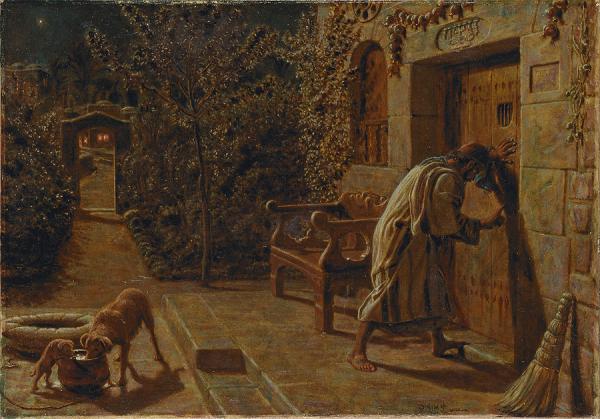
“One day as we were going to the place of prayer, we met a female slave who had a spirit of divination and brought her owners a great deal of money by fortune-telling. While she followed Paul and us, she would cry out, ‘These men are slaves of the Most High God, who proclaim to you the way of salvation.'” – Acts 16:16-17
My soul was heaped with chains.
A demon claimed my eyes, my mind, my tongue, to speak of things beyond a mortal’s ken. Or possibly to fill the air with lies.
Some businessmen had claimed my freedom. For as long as people paid to hear the demon’s truth or lies, the money went to them, and chains to me.
I still don’t know who claimed my legs and tongue those days. The demon knew, as I could not, that these strange men were also chained, but to the healing power of a god.
I followed, but I don’t know how. The demon’s words leapt from my lips, but would it risk its power in the face of God? Regardless, my legs pushed me after them.
I saw the look upon the speaker’s face, a look of one whose patience had been tried beyond its limited capacity. Beyond my hope, he spoke the words that broke the demon’s chains on me.
I fell into the street and saw the businessmen seize him and his companions, chain them for the magistrates’ displeasure. I looked down and found their chains bound me.
I am not fully free, but I am freer than before, and even though it cost them chains like mine, I would be pleased to wear the chains of God.
A poem/prayer based on Acts 16:16-34, the Revised Common Lectionary First Reading for Year C, Seventh Sunday of Easter.
“[Jesus read from the scroll of Isaiah:] ‘The Spirit of the Lord is upon me, because he has anointed me to bring good news to the poor. He has sent me to proclaim release to the captives and recovery of sight to the blind, to set free those who are oppressed, to proclaim the year of the Lord’s favor.'”
“Today this scripture has been fulfilled in your hearing.” Your own words, Jesus, amazing them with graceful speech. Until they turned upon you.
Remind us once again of what is grace. I’m told that grace is strength, is force. I’m told that power is right, and might is good. I’m told that what we want we take.
Where is the news that sounds good to the poor? Where is the vision for the ones who will not see? Where is the freedom for the ones who are oppressed? Where are the prisoners released into the light?
You did not speak the words of grace alone. You needled them, you did, O Christ, until they burst in rage, and nearly did the work of Pilate three years earlier, by casting you to break upon a rock.
O, can we learn the lesson that you tried to teach? We claim your name but do not tread your ways. We leave the poor uncomforted, we close our eyes to the oppressed, and those we free are those who’ve flattered us.
May there be good news for the poor. May there be vision which will pierce the shade. May there be freedom for those who have been bound. Bring quickly, Jesus, the favored year of the LORD.
A poem/prayer based on Luke 4:14-21, the Revised Common Lectionary Gospel Reading for Year C, Third Sunday of the Epiphany.
The image is “The Rejection of Jesus in Nazareth” (“Prophets are not without honour, except in their hometown”); 18th-century tile panel by António de Oliveira Bernardes in the Igreja da Misericórdia, in Évora, Portugal, Public Domain, https://commons.wikimedia.org/w/index.php?curid=97133284.
“And Jesus said to her, ‘Woman, what concern is that to me and to you? My hour has not yet come.'” – John 2:4
Now if I take a bird’s eye view of the world, or if I try to see the Universe as from the eye of its Creator, I have to ask, What concern are we to You?
“What are humans that you are mindful of them, mortals that you care for them?”
Other folk of other faiths discerned their deities to be… not unconcerned, but distant, focused on their own affairs, but pleased by scent of sacrifice.
So when the hosts ran out of wine what person would not ask, “Are we concerned? We brought our contributions to the feast. What more can we do now?”
How many deities would ask, “What prayer is this? Do I make up your deficits, the failures in your plans? Take care of it yourselves, as you can do.”
As deity, as human being, what else could Jesus say but this: “This is not our concern. The things I have to do come later and much larger.”
A mother’s love is such a funny thing. One moment she protects her child from senseless obligation, then the next she thrusts them forward: “Go on, give.”
He said that they were not concerned, but his mother thrust him forth, and then he was concerned. They filled the jars. They served the wondrous wine.
Was he concerned? He was, for host’s embarrassment, but more for human souls who languish in uncertainty and fright, to lead them to a life beyond imagining.
“What are humans that you are mindful of them?” Still we cannot fully clarify the poet’s ancient cry, except to say, that Jesus is concerned, God is concerned, the Holy Spirit is concerned:
For us.
A poem/prayer based on John 2:1-11, the Revised Common Lectionary Gospel Reading for Year C, Second Sunday of the Epiphany.
Now when all the people were baptized and when Jesus also had been baptized and was praying, the heaven was opened, and the Holy Spirit descended upon him in bodily form like a dove. – Luke 3:21-22a
The water gently swirled about their legs as John and Jesus stepped into the stream, the echoes of John’s fierceness still perceivable in those who stood upon the bank, and those who dripped the water of forgiveness.
The water may be gentle, but the fire promised by the Baptist came descending. Like a dove, indeed, but doves are sharp of claw and though they promise coming home they promise nothing gentle on the way.
The river’s soft embrace receded, puddling on the riverbank. The Holy Spirit’s fire ignited in the eyes beneath the water-speckled lashes. The one who had, with hardly any word, descended peacefully, has risen purposefully.
Was there a word for John? Who knows. Perhaps a hand to brush the drying skin which shortly would be washed again with washing someone else. The fire drove him from the water to the wilderness.
O Gentle Spirit, how do humans dare to call You gentle, source of prophets’ words, apostles’ energy, and martyrs’ blood? Indeed the Baptist said it true, that though he washed with water, You baptize your followers with fire.
A poem/prayer based on Luke 3:15-17, 21-22, the Revised Common Lectionary Gospel Reading for Year C, Baptism of the Lord.
I wrote this skit to meet a very particular need. Our Sunday School coordinator had surveyed the young people, and nobody (really nobody) wanted to play Joseph. Could I write a pageant that didn’t include Joseph? The result is what’s below.
We didn’t have any children who wanted to play the magi, either, so the original script didn’t include them. As rehearsals began, more of them wanted to participate, and so the size of the shepherd’s flock increased, a second shepherd got lines, and so did more of the magi.
By Eric Anderson
CHARACTERS
Mary: A young woman Gabriel: An angelic messenger Angels: A musical chorus Star: A bright object in the sky Shepherd: A tender of sheep Sheep: A wooly creature Magi 1: A scholar dressed a lot like a king Magi 2: Another scholar dressed a lot like a king (non-speaking) Magi 3: One more scholar dressed a lot like a king (non-speaking)
SCENE 1: [MARY enters and sits at center stage, twiddling her thumbs]
Mary: I’m bored.
[GABRIEL enters]
Gabriel: Hail, O favored one!
Mary: (to audience) Well, this might be more interesting.
(to Gabriel) Who are you, and what kind of “Hello” is that?
Gabriel: What would you prefer?
Mary: “Hello” would be nice.
Gabriel: In that case, hello. My name is Gabriel. I’m an angel. Do not be afraid!
Mary: Was I supposed to be afraid?
Gabriel: It’s not required. I’m supposed to say that, though.
Mary: Are other people afraid?
Gabriel: People tend to get nervous talking to an angel, yes.
Mary: Oh, right. You’re an angel. You said. Well, I’m glad to talk to anybody. I’m bored.
Gabriel: Why are you bored?
Mary: I’m supposed to be getting married soon, but my family is doing all the wedding plans. Every time I try to suggest something, my father or my mother will say, “Oh, no, it’s better this way.” Actually, they both say it. Then they disagree about what the best way is, and send me out of the room. So I don’t have a lot to do.
Gabriel: Couldn’t you talk to your fiancé? What’s his name?
Mary: Joseph. And no. Now that we’re engaged, we don’t spend a lot of time together. He’s working. And I’m… not.
Gabriel: I think I can promise that your life is about to get more interesting.
Mary: Well, that’s good. What’s happening?
Gabriel: Mary, you have found favor with God. And now, you will conceive in your womb and bear a son, and you will name him Jesus. He will be great and will be called the Son of the Most High, and the Lord God will give to him the throne of his ancestor David. He will reign over the house of Jacob forever, and of his kingdom there will be no end.
Mary: What did you just say?
Gabriel: Mary, you have found favor with God. And now, you will conceive in your womb…
Mary: (interrupting) Did you just say I’m going to have a baby?
Gabriel: Yes. Yes, I did.
Mary: How is that going to happen?
Gabriel: Nothing is impossible with God.
Mary: And this is God’s plan? It seems a little… unexpected.
Gabriel: I grant you that God hasn’t done this before.
Mary: And I’m having this baby… why?
Gabriel: He will be great and will be called the Son of the Most High, and the Lord God will give to him the throne of his ancestor David…
Mary: (interrupting) Did you just say I’m going to be the mother of the Messiah?
Gabriel: Yes. Yes, I did.
Mary: Wow.
Gabriel: You did say you were bored.
Mary: Yes. Yes, I did.
Gabriel: Are you less bored?
Mary: Now I’m terrified.
Gabriel: That’s not bored.
Mary: I think I need to go talk to Joseph. He’ll want to know.
Gabriel: I’m sure that’s true. Where is Joseph, anyway?
Mary: This way.
[MARY and GABRIEL exit]
Narrator: Nine months later…
Scene 2:
[SHEPHERD and SHEEP enter]
Shepherd: Well, another boring night.
Sheep: Baa!
Shepherd: Why don’t you ever seem to sleep, sheep?
Sheep: Baa!
Shepherd: Have you ever thought of counting sheep, sheep?
Sheep: Baa!
[pause]
Shepherd: Well, I agree. Counting to one isn’t all that helpful.
[ANGELS enter]
Angels: Hallelujah!
Shepherd: What?
Angels: Hallelujah!
Shepherd: Are you hearing what I’m hearing, sheep?
Sheep: Baa!
[GABRIEL enters]
Gabriel: Do not be afraid!
Shepherd: OK.
Sheep: Baa!
Gabriel: I am bringing you good news of great joy for all the people: to you is born this day in the city of David a Savior, who is the Messiah, the Lord. This will be a sign for you: you will find a child wrapped in bands of cloth and lying in a manger.
Shepherd: Could you repeat that?
Sheep: Baa!
Gabriel: I am bringing you good news…
Shepherd: Did you just say that the Messiah has been born down in Bethlehem?
Gabriel: That’s exactly what I said.
Shepherd: And we can go see him?
Gabriel: You can do exactly that.
Shepherd: And greet the father and the mother?
Gabriel: The mother for sure. The father, well, that’s a little tricky.
Shepherd: Are you going to explain that?
Gabriel: No.
Sheep: Baa!
Gabriel: Are you going to go visit the child?
Sheep: Baa!
Shepherd: You heard him.
Angels and Gabriel: Hallelujah!
Scene Three:
[ANGELS, GABRIEL, SHEPHERD, and SHEEP exit]
[MARY enters with BABY]
[GABRIEL enters]
Gabriel: Where’s Joseph?
Mary: He went looking around the town for baby things. We hadn’t brought anything. All we’ve got are these bands of cloth and a manger.
Gabriel: That’s going to be tricky this late at night.
Mary: Everything has been tricky. Explaining my pregnancy to my family, my friends, and to Joseph was tricky. Then getting summoned down to Bethlehem for the census was tricky. Then finding a place to stay the night was tricky. Having a baby in a stable was tricky. All in all, it’s all been tricky.
Gabriel: Well, I’ve got good news.
Mary: I’m not sure I’m ready for more of your good news. That’s what’s got me here in a stable with a newborn.
Gabriel: You’ll like this one. I’ve brought some people to give thanks for the birth of the Messiah!
[ANGELS, SHEPHERD, and SHEEP enter]
Angels: Hallelujah!
Mary: More angels?
Sheep: Baa!
Mary: And sheep.
Shepherd: Hi! Are you the mother of the Messiah?
Mary: And a shepherd. Where’s Joseph? When’s he coming back?
Gabriel: I know this isn’t what you expected, Mary. This is no palace. It’s not even your own home. Or a house, in fact. But you know what a miracle this is. You know, better than anyone, that God has been at work. These are people…
Sheep: (interrupting) Baa!
Gabriel: …and creatures who have come to understand God’s miracle as well.
Angels: Hallelujah!
Mary: That is pretty wonderful, now that you put it like that.
[THREE MAGI ENTER]
Gabriel: And look! More visitors!
Mary: Couldn’t they have waited until Joseph got back?
Magi 1: Look, it’s been a long trip. And we got lost. So we stopped for directions in Jerusalem.
Mary: Jerusalem? Where the king is?
Magi 1: That’s the place. That’s where a new monarch should be born, right?
Mary: Gabriel, this sounds like trouble. The king is not going to be happy to hear about the birth of a Messiah. Would you go fetch Joseph, please?
Gabriel: Ah. You’re right. This is trouble. We’ll take care of it. No problem. You guys, magi, king-like people: Don’t go home via Jerusalem. OK?
Magi 1: Really? The king seemed to want to meet this child. A lot.
Mary: Seriously, where’s Joseph?
Gabriel: Go home another way.
Magi 1: Well, OK. You’re the angel. In the meantime, we’ve got some gifts for the child. Here they are: gold, frankincense, and myrrh.
[EVERYBODY stares at the gifts]
Mary: Wow. Joseph needs to see this.
Gabriel: He will. And you won’t need to worry about your safety. Shepherds, creatures, wise people from far away have come to rejoice in this child. The heavens themselves are celebrating. Take a look:
[STAR enters]
Mary: Oh, wow.
Star: Welcome, newborn Messiah!
Mary: Where’s Joseph? He should see this.
Star: He’s three streets away on his way back. I’ll light the way for him.
Mary: Thank you. Thank you all. Thank you for welcoming my baby into the world.
Gabriel: We’re glad to do it. Happy Birthday, little Jesus!
John said to the crowds coming out to be baptized by him, “You brood of vipers! Who warned you to flee from the coming wrath?” – Luke 3:7
Who warned us, John? You did. We heard your words through others, much as those you called “a brood of vipers” heard your words through rapid rumor’s run.
We heard your warning through the memories and tongues and pens of those you had impressed with word, with deed, with baptism, with righteousness.
We heard because they passed along your warning that to wash with water would not cleanse the soul, but full repentance, all enacted, would receive the nod of God.
They came to hear themselves. They came to learn how they might change. They came to leave upon a road that might look like the one on which they had arrived, but was a road made new.
They came. They heard. They washed. They went away and told the tale. More came. More heard. More washed. More told. Soon one would come to wash though you would tell him, “No.”
You warned us, John, across the years. But tell me, we who follow him whom you baptized, have we been heedful of your warning? Do we bear the fruits of righteousness?
I fear, old harsh-voiced friend, that you would find us heedless of your words despite our claim to follow Christ. I fear you’d rail once more at broods of serpents writhing in the dust.
I fear it would not only be the ones I judge as frauds, or casual extortionists, or simply selfish souls withholding all their wealth,
But also me, secure in my self-righteousness, and satisfied with my reputed rectitude. What sins do I ignore, refuse to cleanse?
Shout on, old Baptist friend. Across the years, through others’ words I hear your call. Shout on, and by the grace of God may I repent, and wash, and bear good fruit.
A poem/prayer based on Luke 3:7-18, the Revised Common Lectionary Gospel Reading for Year C, Third Sunday of Advent.
The image is John Preaching in the Desert, a mosaic in the series of the Life of John the Baptist in the Florence Baptistery, Florence, Italy (ca. 1225-1330). Photo by Sailko – Own work, CC BY 3.0, https://commons.wikimedia.org/w/index.php?curid=41892069.
“And this is my prayer, that your love may overflow more and more with knowledge and full insight to help you to determine what really matters, so that in the day of Christ you may be pure and blameless, having produced the harvest of righteousness that comes through Jesus Christ for the glory and praise of God.” – Philippians 1:9-11
I am stripped down. I wait my fate. What will it be? Will it be gain? Will it be Christ? I will not choose, except, of course, that I have chosen by the words I’ve spoken, by the things I’ve done.
I am stripped down.
I have been stripped of agency. Another will decide my course. I’ve lived in faith that God has set my way, but set my way through me. A crueler hand now rests upon the tiller of my time. Does it grow short?
I am stripped down.
I struggle to bring influence, to speak good news, for few may hear me now. Is it hubris to believe that they who hold me in this place consider what I’ve said and turn their souls toward Christ?
I am stripped down.
Thank God Epaphroditus has recovered, though for him, like me, to die is gain. For Jesus and for me he’ll carry word to those I love that… well, that I love them from the heart. I am stripped down. What more to say?
Just that I love.
A poem/prayer based on Philippians 1:3-11, the Revised Common Lectionary Second Reading for Year C, Second Sunday of Advent.
It’s a funny thing. When you hear just part of a conversation, it can be misleading. I mean, you might think you know what folks are talking about, but it turns out you might not.
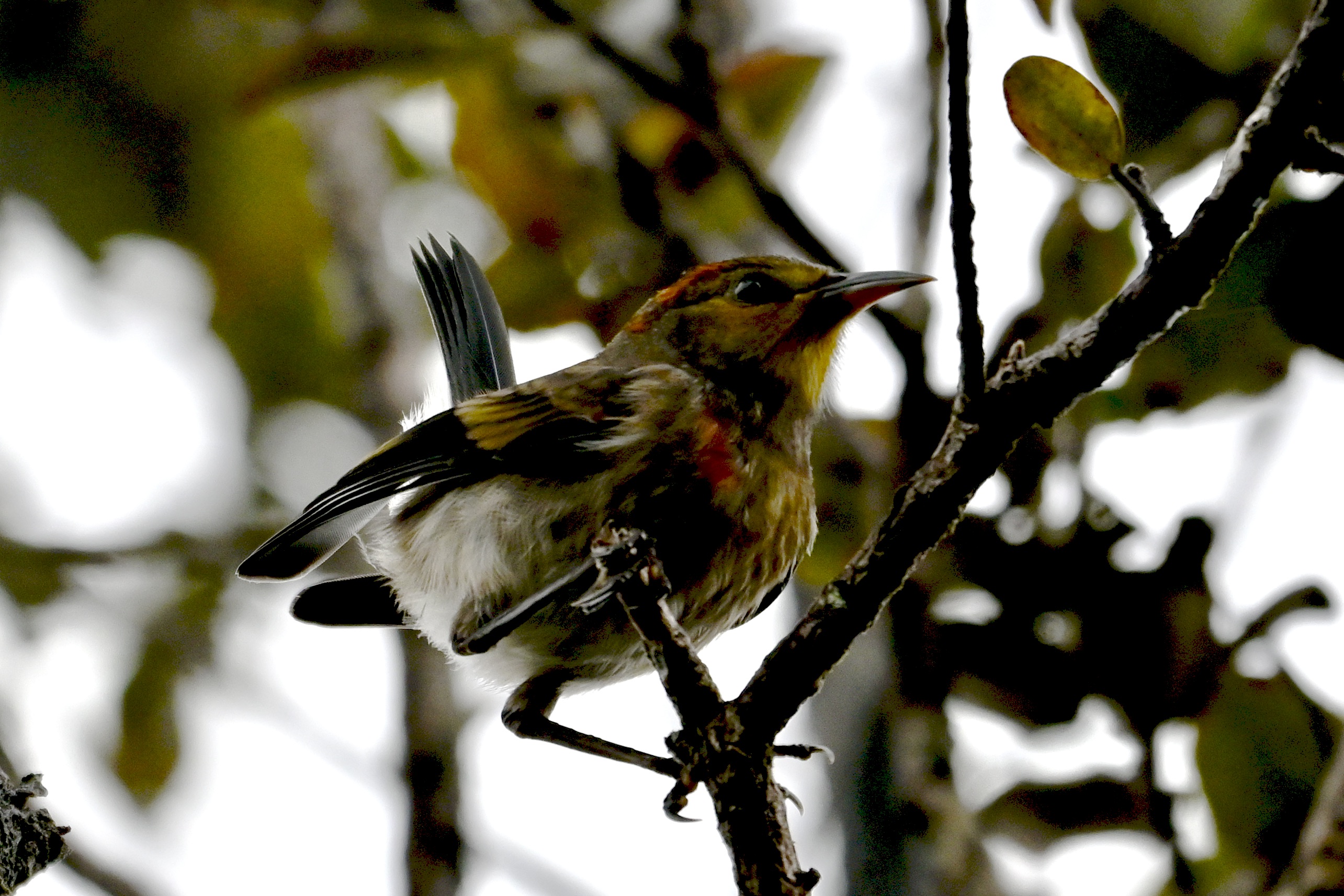
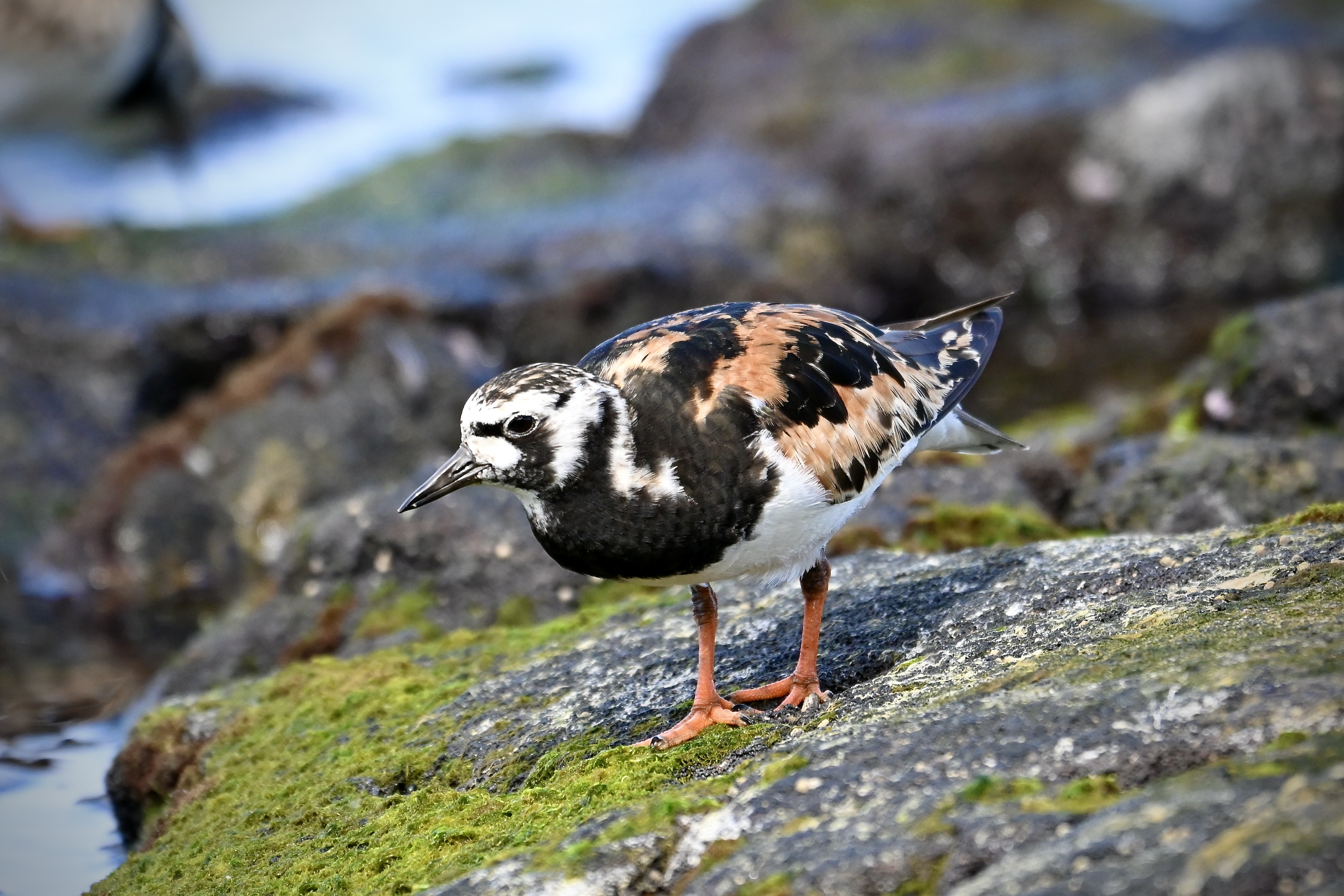
In this case, it was a kolea, a Pacific Golden Plover, who overheard some people talking about heaven. And yes, he got confused.
He heard enough to learn that the people talking about heaven believed it was a really nice place. He heard enough to learn that the people talking about heaven didn’t expect to go there for some time. He heard enough to learn that the people believed that other creatures could also go to heaven.
He didn’t hear anything about it being a new life and a very different kind of place. He didn’t hear anything about dying as a transition from one kind of life to another kind of life. They just didn’t mention that while he was listening.
But at the end of the conversation, as the people were walking away, one of them said something about heaven being beyond the clouds.
People tend to talk that way about heaven because even though we have telescopes and can look a long way into space, “beyond the clouds” is something most of us don’t know much about, and the life God intends for us beyond our lives here is also something we don’t know much about. But the kolea didn’t know that. He said to himself:
“Those people can’t fly beyond the clouds, but I can. I can get to heaven myself.”
And he launched himself into the sky.
A kolea migrating from Hawai’i to Alaska, or from Alaska to Hawai’i, can get very high indeed. He flew up over the low clouds that were raining on Hilo. Then he flew up over the middle clouds that were spotted about around the slopes of Mauna Kea. Then he flew up even above the high wispy clouds above Mauna Kea.
Each time, he looked about for signs of heaven.
Each time, he didn’t see them.
“I must be close to heaven,” he said.
What he found as he circled higher and higher was that it got colder and colder. He’d felt that before, but as he flew higher than he had before it got colder than he’d ever known. He didn’t like that. He also didn’t like that the air got thinner. Not only was it harder to breathe, he had to flap his wings harder to move enough air to keep flying. In fact, there came a point that he just couldn’t go higher. Gasping, he let himself fall, then circle, and glide back down to the ground.
He landed, still winded, on some grass near another kolea, who hopped over to see what was wrong. “I tried to fly up to heaven,” he said sadly, and told her the story. “I must have been close, but I couldn’t get there.”
“That’s too bad,” she said to him. “Here, take a bite or two. There’s some tasty things here. And you’ll find some good water to drink just over this way.” She led him over to the food, and water, and a safe place to rest.
He ate. He drank. He rested. His breathing settled. His wings regained their strength. He looked at his new friend.
“You know, I flew a long way up to get close to heaven,” he said, “but you’ve been kinder to me than I can remember anyone else being. It might just be that I’ve been closer to heaven here than I ever was up there in the sky.”
by Eric Anderson
Watch the Recorded Story
I write these stories in advance, then tell them from memory during worship. The story you just read and the story as I told you will not be the same.
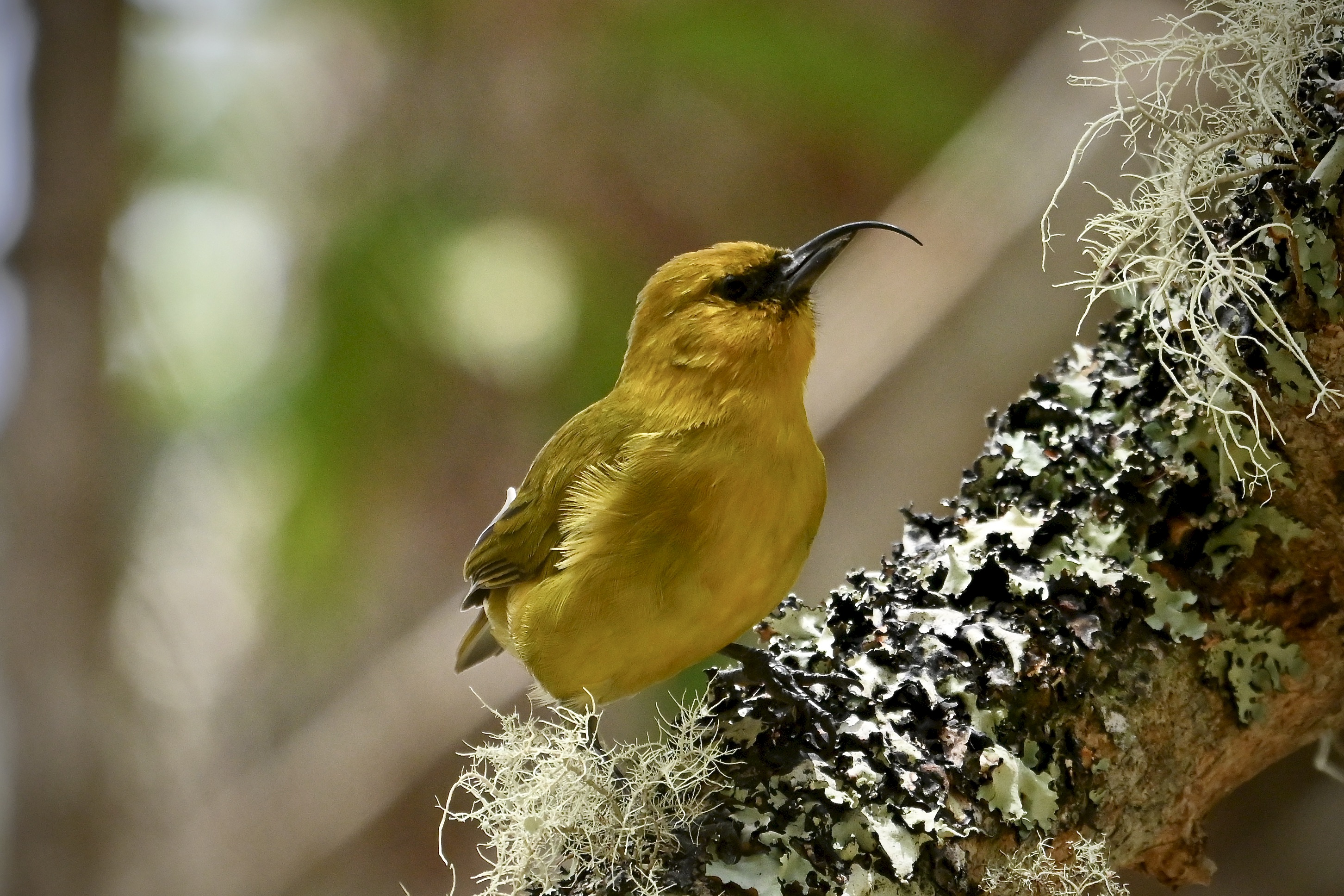
Photo of a kolea (a Pacific Golden Plover) by Eric Anderson.
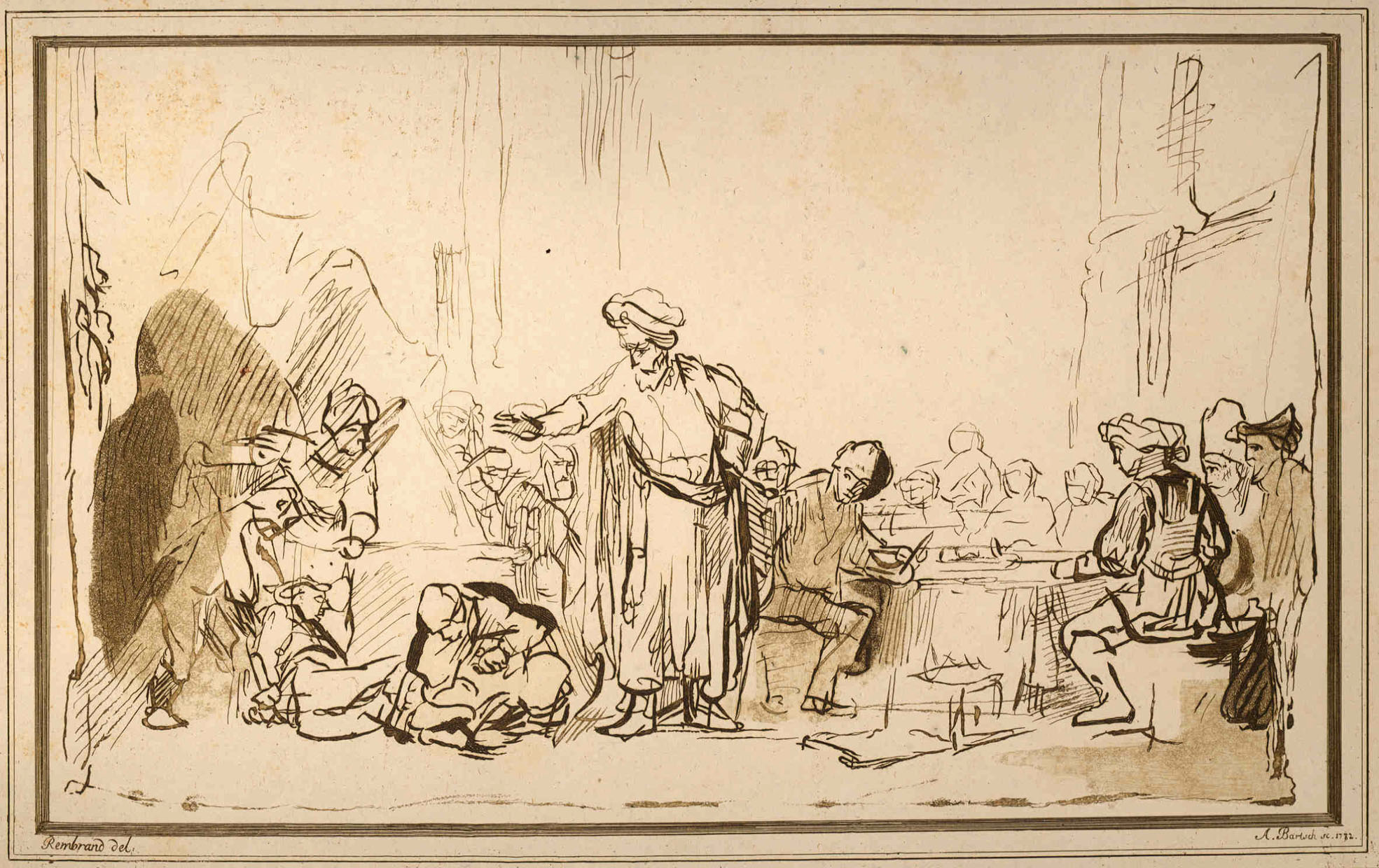
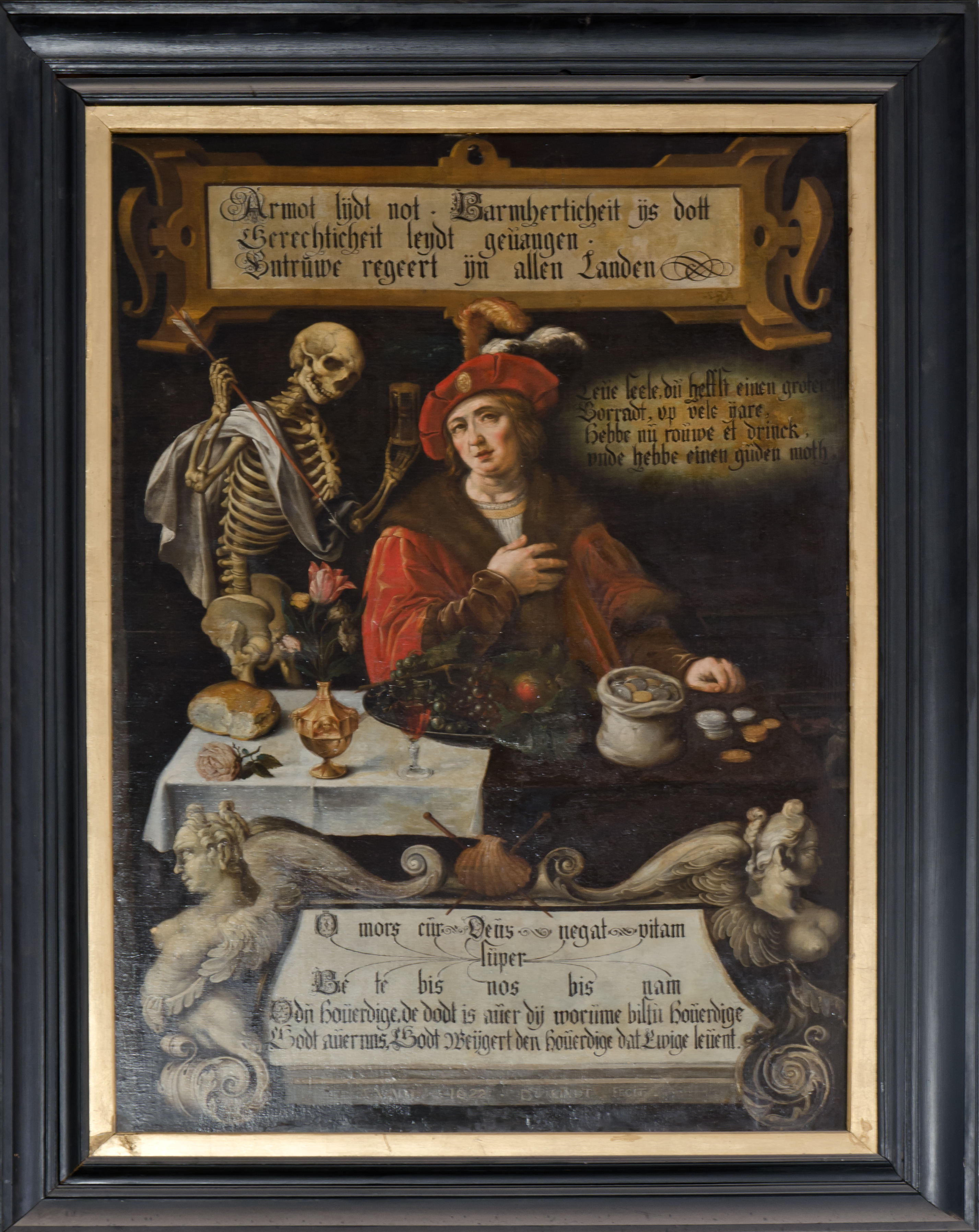
“But Jesus said to them again, ‘Children, how hard it is to enter the kingdom of God! It is easier for a camel to go through the eye of a needle than for someone who is rich to enter the kingdom of God.'” – Mark 10:24b-25
A camel, which is a beast with sense, will cast a jaundiced eye upon a needle’s eye if told that they’re to pass on through. At most, a knobby hoof may paw the ground.
Yet I engage in exercise of needle-passing almost every day, and have for one score years, and ten, and six, endeavoring to tell a story so it lifts a heart or redirects a mind.
A task for fools, I say, as those I teach nod sagely in agreement with my words, then go to do the opposite of what I’d said, and what they’d then approved,
Because, you know, though there’s a better way, the one we know is still the one we’ll do. We thank you for the wisdom of your words and hope the world one day works as you say.
If only it were only “they,” the ones to whom I speak! For it is also “Me,” the one I seek to govern by your guidance, Christ, the “I” who also cannot seem to follow you.
I would despair, save that some seeds I never thought would bloom have grown, have blossomed, borne sweet fruit as marginalized people claim their place and power where they once had none.
So take my challenge, camel. I will make my painful way through this so-tiny eye, and once we’re through, what visions might we see, what glory celebrate, in God’s sweet possibility.
A poem/prayer based on Mark 10:17-31, the Revised Common Lectionary Gospel Reading for Year B, Proper 23 (28).