“So again Jesus said to them, ‘Very truly, I tell you, I am the gate for the sheep.'” – John 10:7
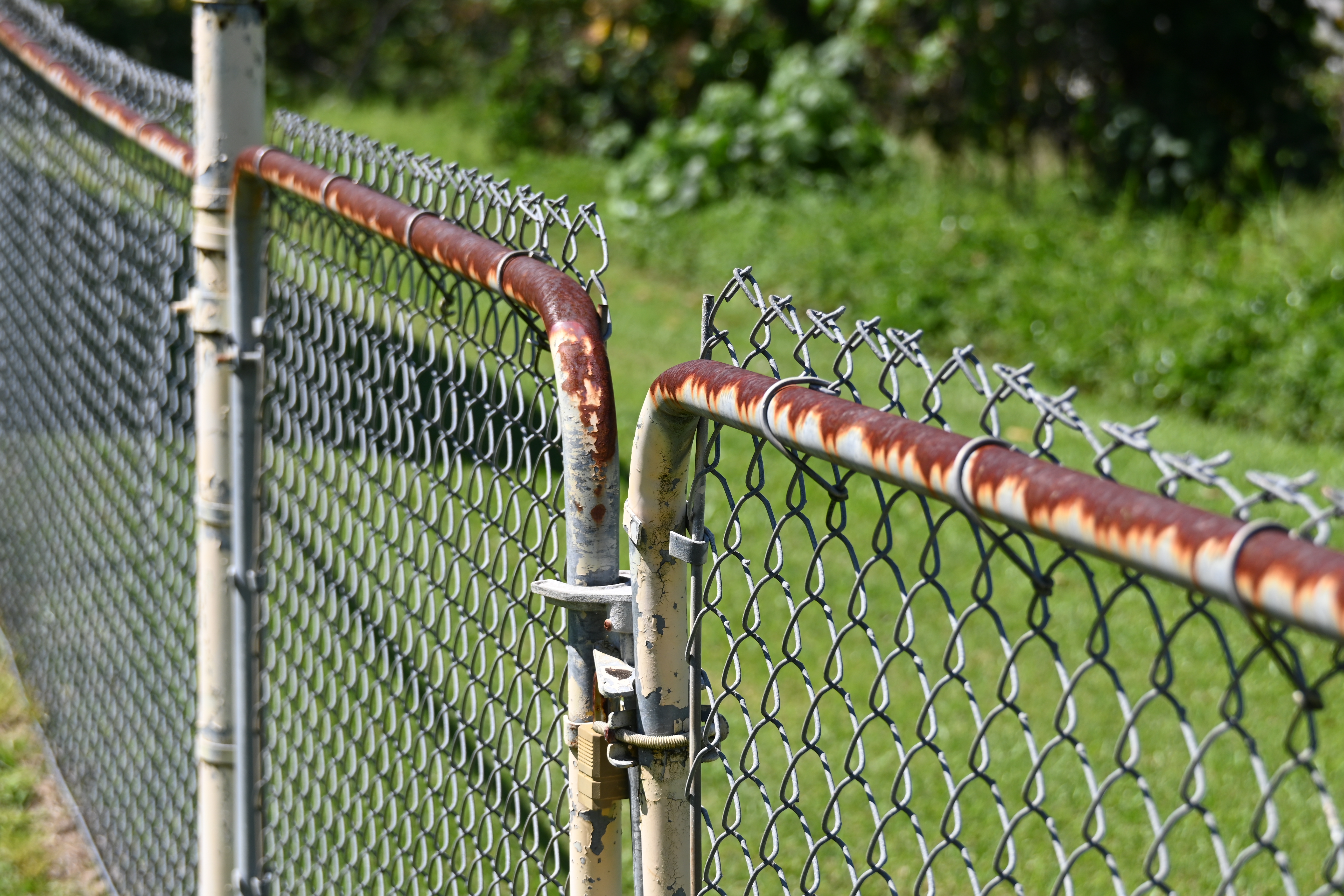
It’s not your most compelling image, Jesus. In a section where you said, “I am…” three times, how many hold this one in memory? To say the truth, I barely do.
And yet a gate is comforting. It guards a home, a sheepfold, or a soul from harm. It’s hardly perfect, since a thief may climb the wall: They’ll have to work to work their ill.
The beauty of a gate is not protective force, but its capacity to swing, admitting those outside who’ve recognized the voice and come to claim their place and home.
You tell us you are gatekeeper and gate. May we remember that the gate is you, and when we close it, we usurp your power, your authority. and you yourself.
May we have faith and wisdom both to hold the gate wide open for the gathering flock and only close it in the most compelling circumstance, then open it with welcome love.
A poem/prayer based on John 10:1-10, the Revised Common Lectionary Gospel Reading for Year A, Fourth Sunday of Easter.
“In the last days it will be, God declares, that I will pour out my Spirit upon all flesh, and your sons and your daughters shall prophesy, and your young men shall see visions, and your old men shall dream dreams.” – Acts 2:17, quoting Joel 2:28
Assembling for the feast of Shavuot, the Spirit roared. No gentle breeze for us; a tempest howled there among our trembling circle, through our trembling souls. The flickering light upon our foreheads did not shed illumination, no. I saw it as a portent of our immolation. Not since the angel told me not to fear have I been so afraid.
My limbs have dragged my shivering frame into the streets, which teem with goggling worshipers. They fight their way upstream along the way my son last trod beneath the burden of a cross. How many know, how many care, that Jesus died abandoned by his follower-friends, attended by these women who, like me, recall dear Miriam, who danced before the Law.
The raucous streets resound with Babel sound, with accents I know well, and languages I don’t. To my astonishment, one voice is mine, another comes from Mary here, and Mary there, and from a hundred other throats. We praise our God, because when Jesus had been laid into his tomb, the Holy One rejected our rejection, called him back to life.
They scoff, of course, that we are drunk (how drunk, they do not know, for I am filled with Spirit I have never known). I draw my breath in deep. I plant my feet upon the unforgiving stones. I start to lift my arm to summon all to hear my words, and then I hear it: Simon’s voice, my son’s beloved Rock, against all expectation quoting from the prophet Joel. Who would have thought it? I rejoice, except: I wonder, when will faithful people hear a woman’s voice again?
A poem/prayer based on Acts 2:1-21, the Revised Common Lectionary First Reading for Year C, Pentecost Sunday.
The image is The Virgin surrounded by twelve apostles or Pentecost, by Master of the Crucifix of Pesaro (ca. 1380). Photograph by Rama, Wikimedia Commons, Cc-by-sa-2.0-fr, CC BY-SA 2.0 fr, https://commons.wikimedia.org/w/index.php?curid=11148957.
Many artists included Mary among the Twelve in their depictions of Pentecost.
Full inclusion of God’s people does not stop at men and women.
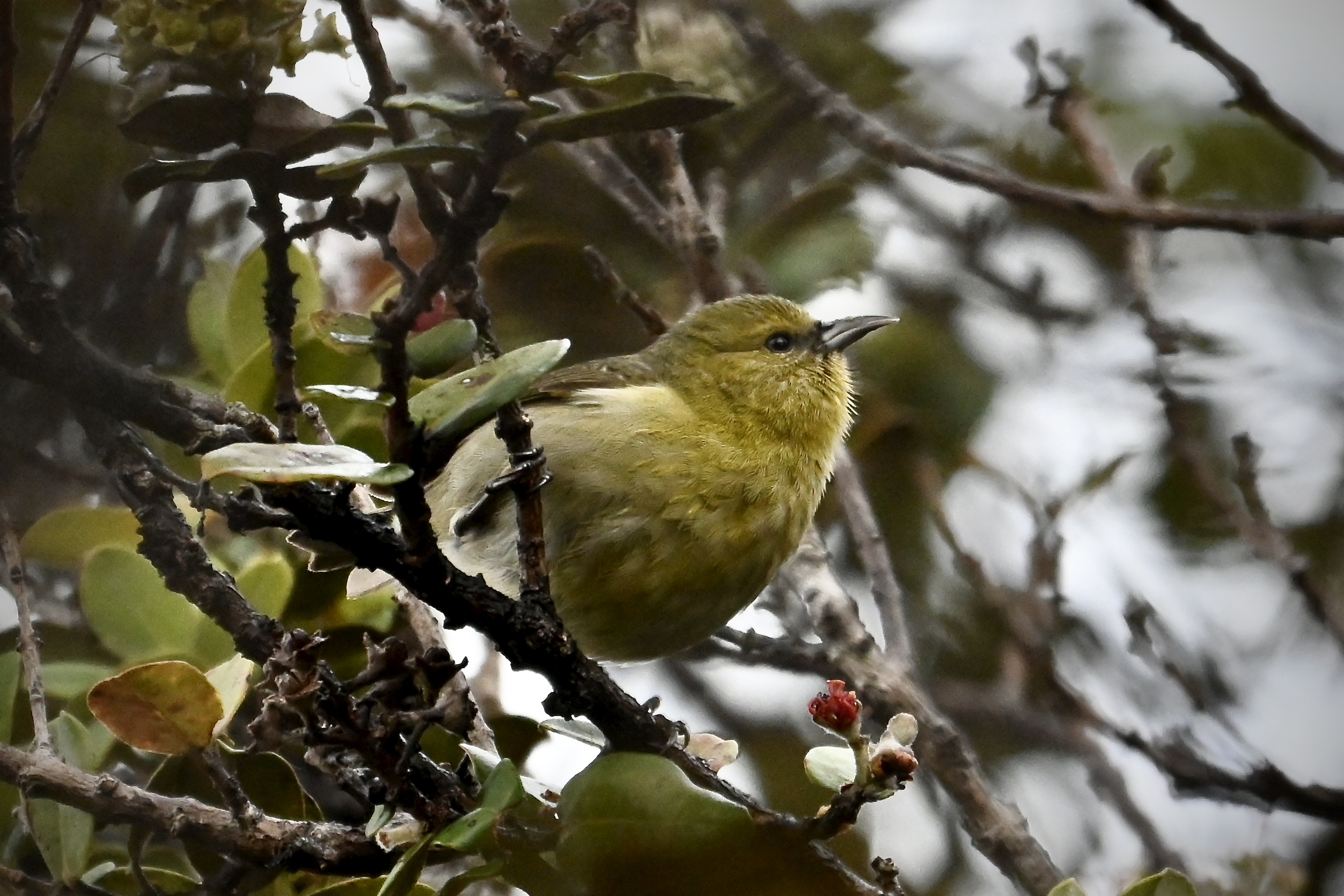
The young ‘amakihi was nervous. She had been busy growing up, which ‘amakihi do a lot quicker than human beings do, but there was a lot to pack into that time. There was eating, and learning what to eat. There was taking care of her feathers, which changed when she molted and the feather lengths changed. And of course there was flying.
Then she had to learn about eating again, because there were things she could get to with working wings that she couldn’t get to in a nest. She learned about new bugs, new fruits, and new flowers. She’d been too busy to be nervous.
She was nervous now, though, because her parents had announced that the family would join a flock for the summer. She wasn’t really used to other birds. She’d met an auntie or an uncle or two, and of course her tutu, but these would be strange ‘amakihi. Would they like her? Would they be mean to her?
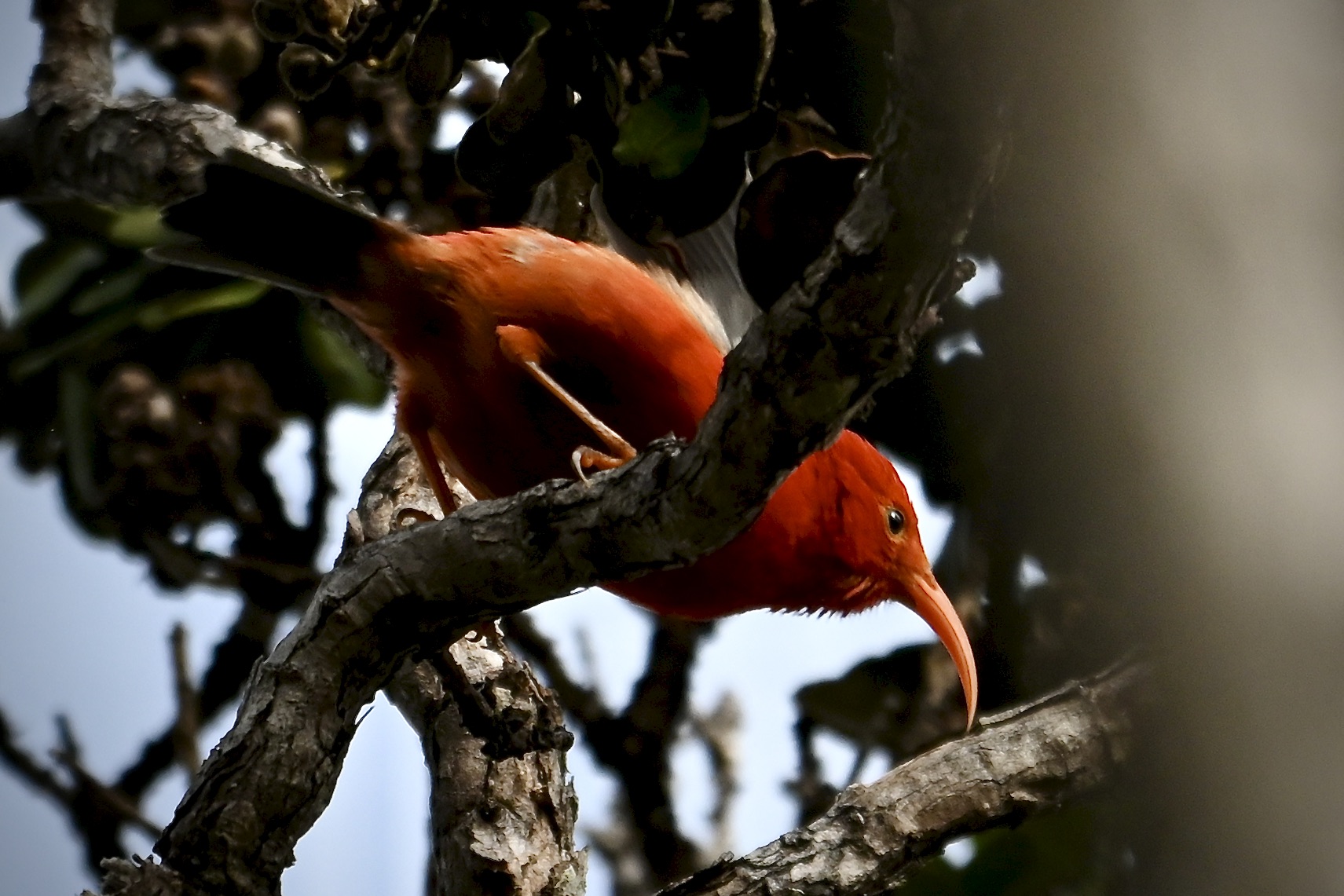
It made her more nervous to realize that the flock wouldn’t include just ‘amakihi. It would include ‘akepa, ‘alawi, and scariest of all, ‘apapane. She knew there were a lot of ‘apapane around. She’d seen far more of them than she had ‘amakihi. She’d also seen them chase ‘amakihi through the forest, even her own father. “I got too close to their nest,” he’d explained, and that made sense because she’d seen him chase other birds away from her nest, but still. The ‘apapane made her nervous.
“It will be all right,” said her father. “It’s different when birds aren’t worried about nests and eggs.”
“It will be all right,” said her mother. “You’ll make it all right.”
The day came when she and her brother and her parents flew over to an ohi’a tree filled with other birds. There were other ‘amakihi, and she knew some of them because her tutu were there. There was ‘akepa and ‘alawi showing off their green and bright orange feathers. Mostly, though, there were ‘apapane. They hopped through the branches, singing their beautiful songs, and looking very sharp in their red and black feathers.
One of them, who was keeping rather quiet, hopped over to the branch where she was sitting, keeping very quiet and hoping nobody would notice her.
“Hi,” said the ‘apapane. “What kind of bird are you?”
“I’m an ‘amakihi,” she said. “And you’re an ‘apapane.”
“I am,” he said, and looking rather nervous, said, “I feel really dumb. I’ve never seen most of these birds before. Do you know any of them?”
“Well, I know my family,” she said, “and I’ve seen a couple of these other birds before,” – she didn’t mention that they’d been chasing her father away from their nest – “but most of these birds are as new to me as they are to you.”
“Oh, good,” said the ‘apapane. “I guess this is new to most of us youngsters?”
“I think it is,” said the ‘amakihi. “I’ve been worried that nobody would like me.”
“You’ve made me feel better,” said the ‘apapane. “I think most birds would like you for that.”
“And you’ve made me feel welcome,” said the ‘amakihi. “Thank you so much for that.”
Mother had known, after all. She had made it all right.
by Eric Anderson
Watch the Recorded Story
I write these stories ahead of time, but I tell them from a combination of memory and improvisation. As a result, what you’ve just read will not match what you hear.
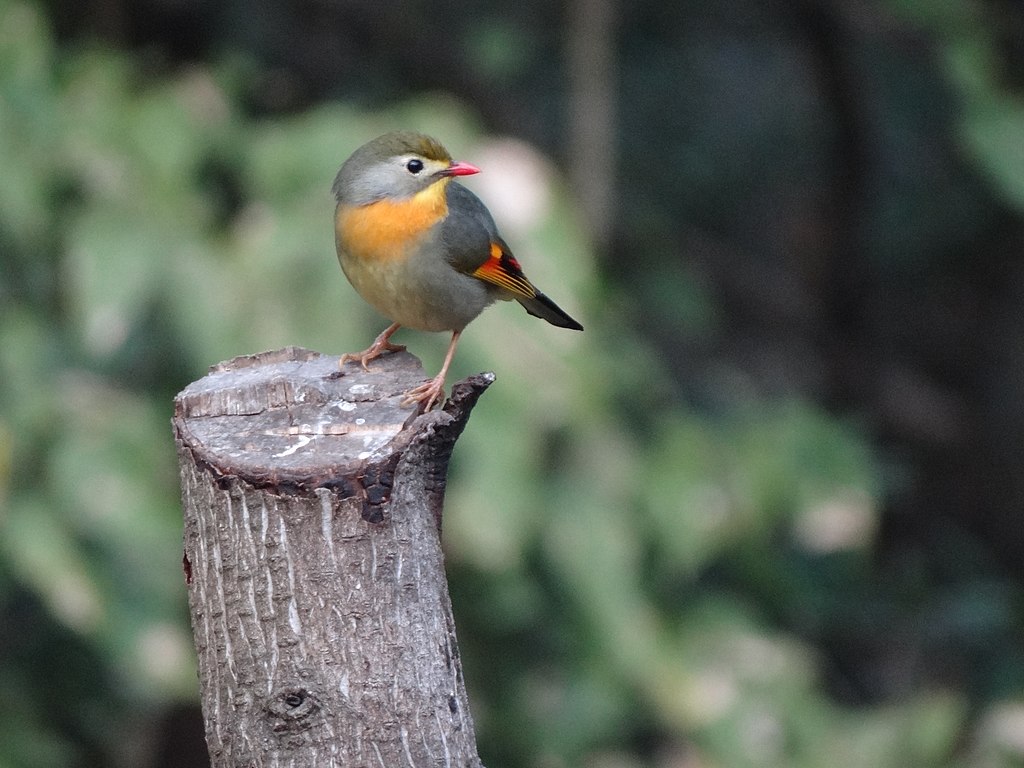
The red-billed leiothrix, like myna and the mejiro, is a bird that’s a relative newcomer to Hawai’i Island. They’ve been here for a little over a hundred years.
They can be pretty cheerful singers, on the whole, with a nice lilting chirp. They’re better known on Hawai’i Island for what they sound like when they’re alarmed, though. It’s a loud and harsh rapidly repeated sound that almost sounds like some sticks being rubbed together. If you’re walking about in the forests or the kipukas up the mountains, you’re likely to hear it, because they tend to make it when humans are about.
A grandfather was instructing his grandchildren in making the call (I can’t imitate it, I’m afraid). After he’d taught them how it was done, he turned to the times to make the sound.
“You make it when there’s an i’o about, or a pueo,” he said. “And don’t forget to make it when there’s a human around. We always want to let people know about those.”
The grandchicks wanted to know what a human was like, so after explaining that it was a big flightless bird with very peculiar wings, grandfather taught them to make the call again.
“Who should hear this sound?” one of the chicks asked her grandfather.
“What do you mean, who should hear this sound?” he asked.
“Well, I thought this would be just a leiothrix sound,” she said. “Mynas probably aren’t interested, are they? Other birds might not understand.
“And if some birds do understand,” she continued, “it might not be so good for us.”
“What do you mean?” asked grandfather quietly.
“If I see an i’o and make the sound,” she said, “then all the birds will hide. If I’m not as good or as quick at hiding as they are, the i’o might try for me, wouldn’t it? If some other birds are exposed, then we leiothrixes will be better off.”
Grandfather stayed quiet for a long time. Then he sighed.
“You’re right, of course,” he said. “If we don’t alert other birds to the i’o or the human, we’ll be safer when we see the danger first. But what if the ‘apapane sees the pueo first? Or the ‘akepa? Or the mejiro? What if they alert only their own kind, and not us? What happens then?”
Now the chicks were silent, until the one who’d asked the question said, “Nothing good.”
“Nothing good,” said grandfather. “We warn everybody so that everybody will warn us.”
“I see,” said the chick who’d asked, and her brothers and sisters nodded, too.
“How loud do we make the warning sound?” asked grandfather.
“As loud as we can!” said the chicks.
“Who should hear?” asked grandfather.
“Everyone!”
So when you’re walking the kipukas and the forests on the mauna, you’ll hear the leiothrixes, warning everyone that you’re near.
by Eric Anderson
Watch the Recorded Story
I tell these stories from my… not quite reliable memory of the text I’ve written. Differences are inevitable – and regular.