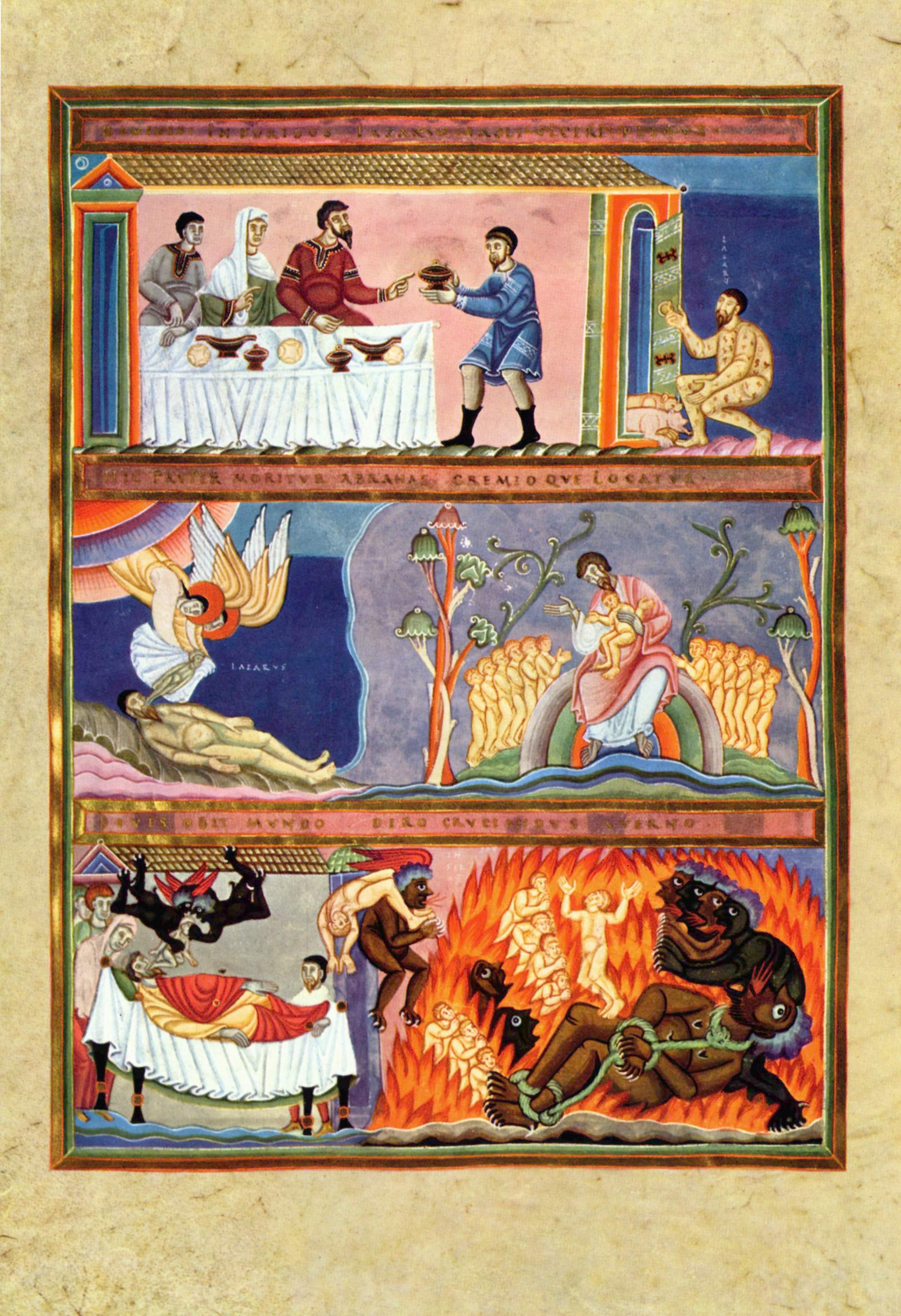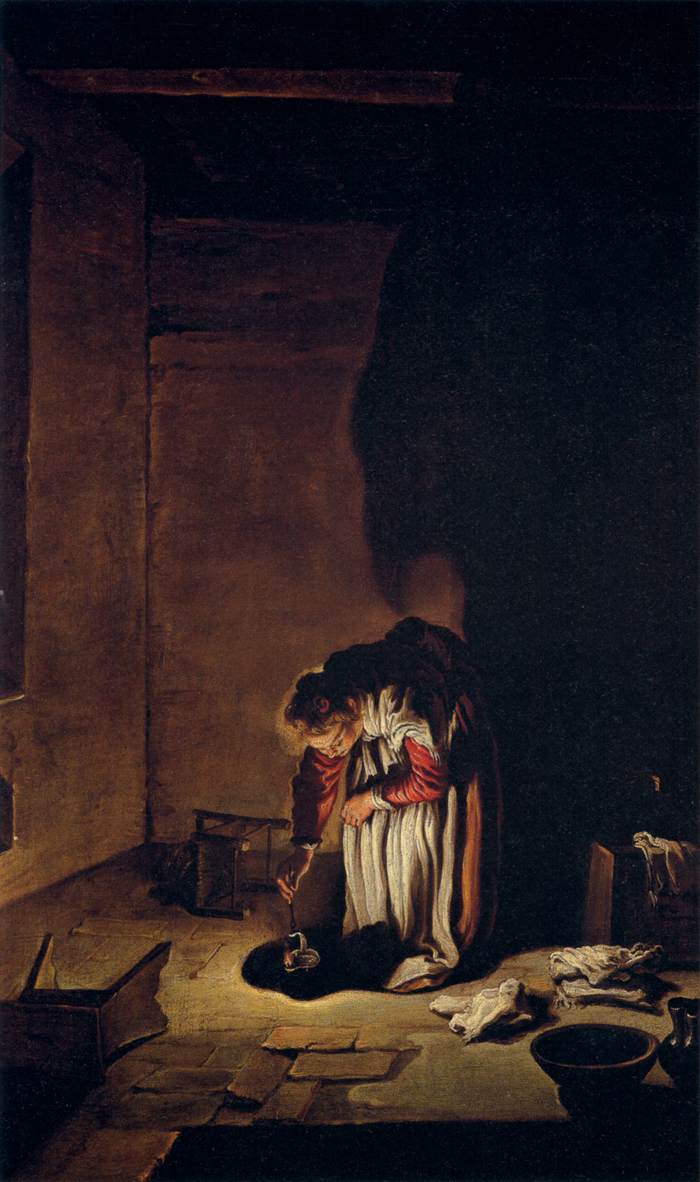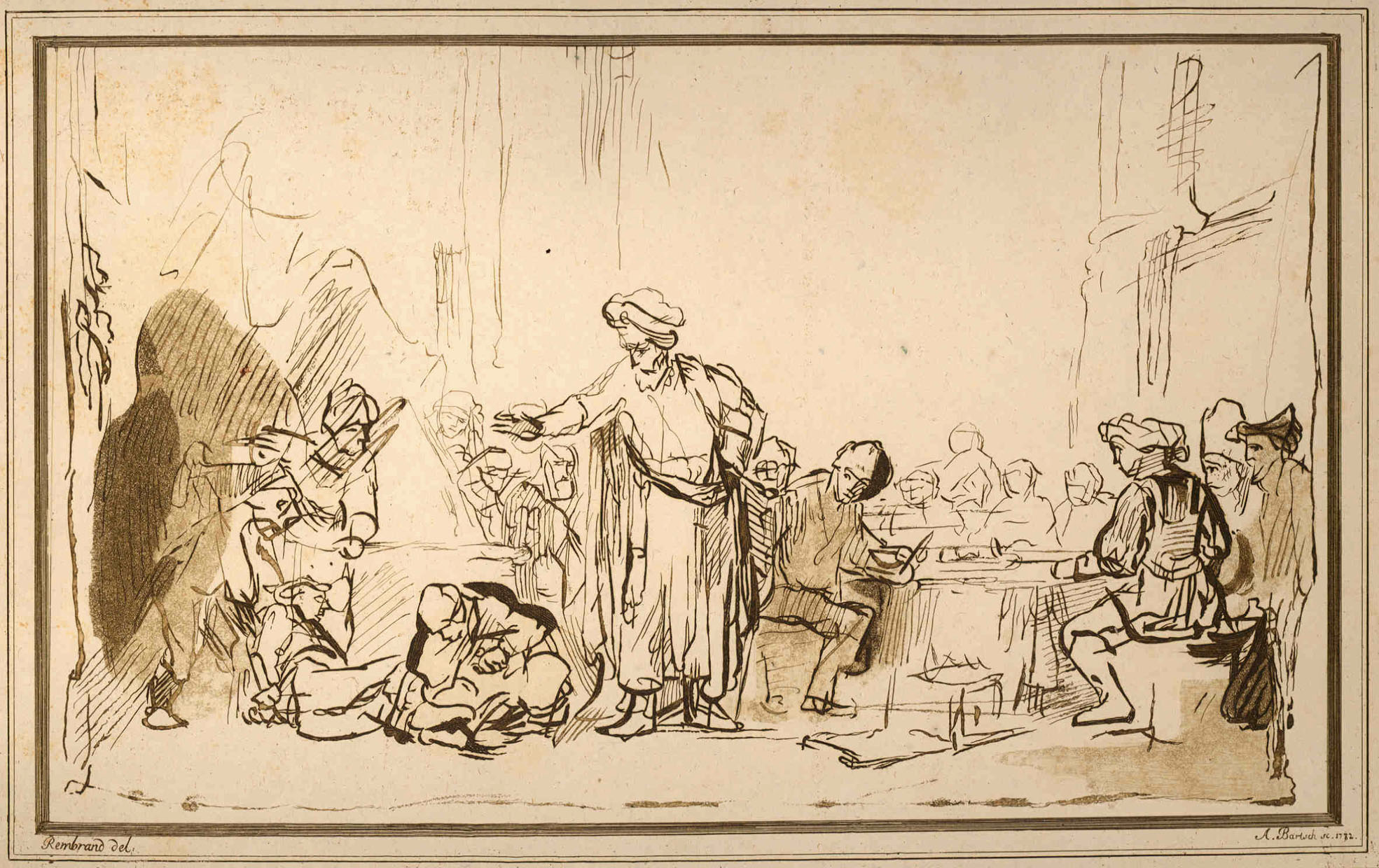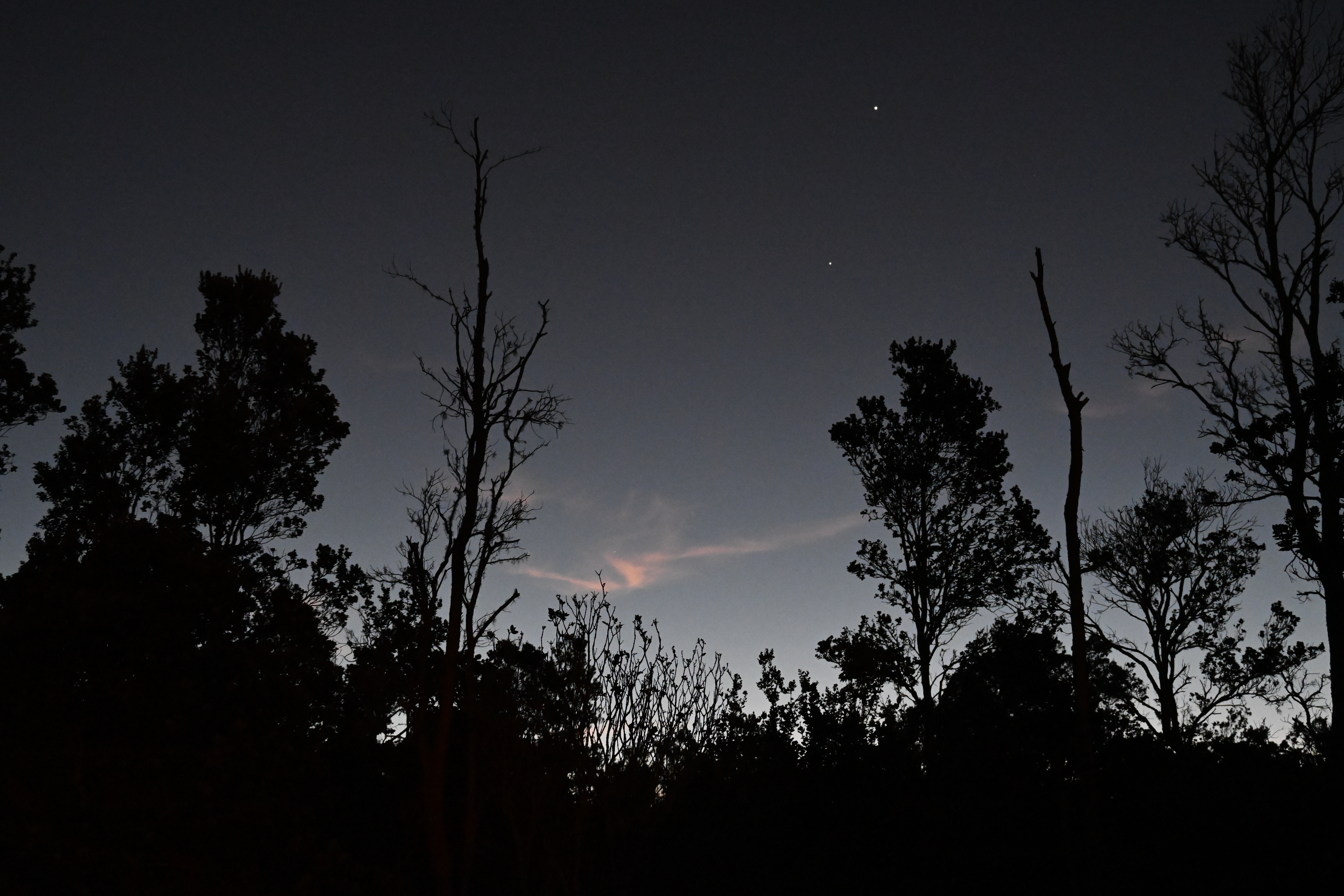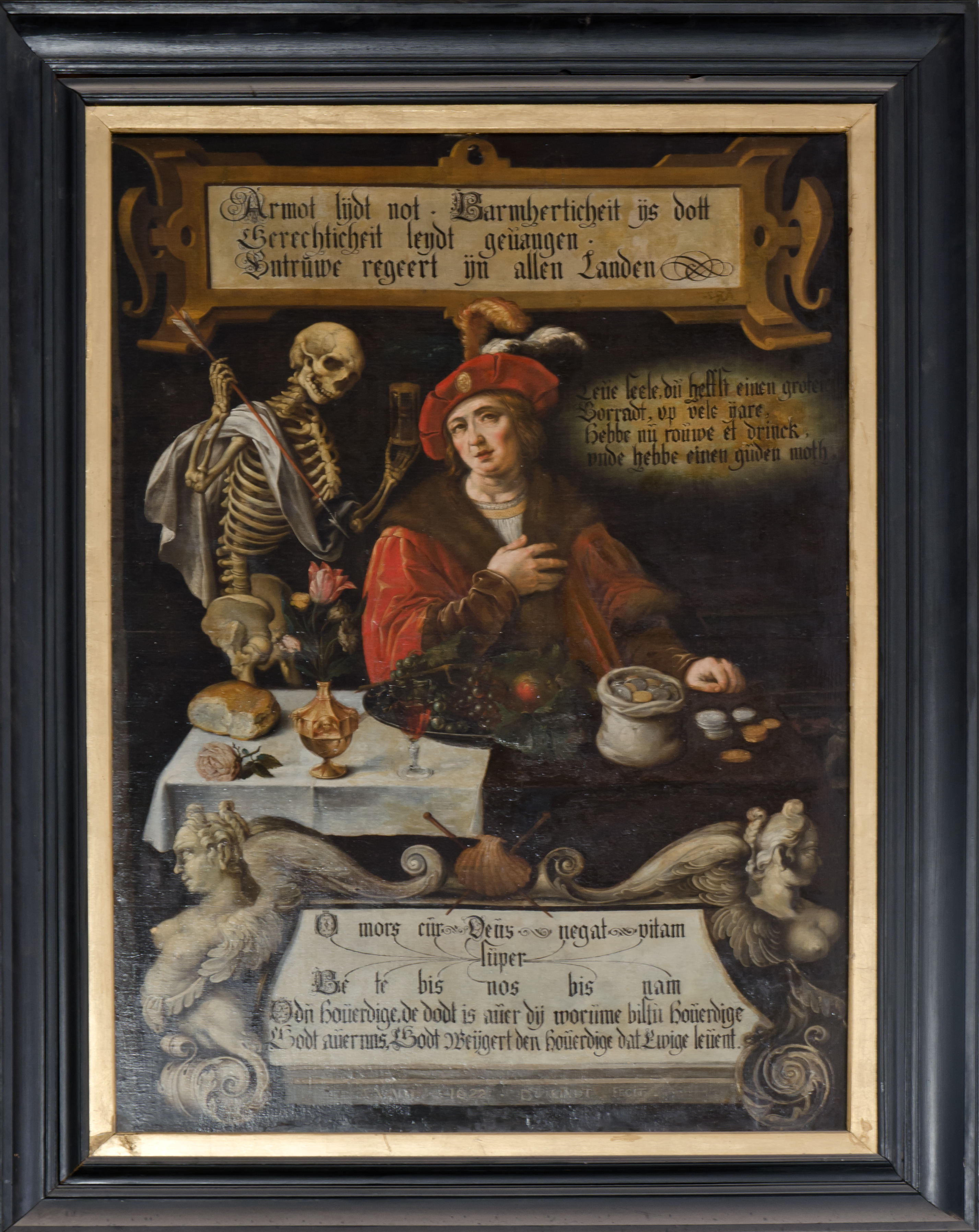
In the Night

“[Jesus said,] ‘I tell you, even though he will not get up and give him anything out of friendship, at least because of his persistence he will get up and give him whatever he needs.'” – Luke 11:8

I could wish that Israel had been so considerate
of its poor, instead of getting into bed
with riches and with greed. I’d think that hard-edged coins
would break their sleep, but sleep they did until they slept no more.

I could wish that Hosea had been so considerate
of his wife and children. Yes, It was a metaphor of power,
but I’d think the tears of hard-said words and names
would break their sleep, but sleep they did.

I could wish the neighbor heard his friend’s distress
and rose with empathetic energy to meet his need.
I guess the friend was fortunate that shouts and calls
would break their sleep, until they brought the bread and slept anew.

I could wish all these many things and more,
when wealthy men enrich themselves at the expense
of people who, deprived of healing balm, find death
would break their sleep, and carry them from this world’s cares.

While in the shadows Jesus watches, weeping.
While in the shadows God is raging, tears a-stream
to know that in these broken covenants even the rich
will wake from sleep to find their fortunes blazing.

While in the shadows God the Holy Spirit waits
for someone who will listen and embrace
the wisdom that resounds of old: to give your neighbor care,
and wake from sleep to bright and joyful day.

A poem/prayer based on Hosea 1:2-10 and Luke 11:1-13, the Revised Common Lectionary First Reading and Gospel Reading for Year C, Proper 12 (17).

The image is The Importunate Neighbour by William Holman Hunt (1895) – http://www.ngv.vic.gov.au/collection/pub/itemDetail?artworkID=32843, Public Domain, https://commons.wikimedia.org/w/index.php?curid=10103482.

The Fading of Summer Fruit

“This is what the Lord GOD showed me: a basket of summer fruit…

“The time is surely coming, says the Lord GOD, when I will send a famine on the land, not a famine of bread or a thirst for water, but of hearing the words of the LORD.” – Amos 8:1, 11

Your summer fruit, O God
(and in these islands fruit of winter, fall, and spring),
is filled with flavor, brightly colored,
nourishing to body and to soul.

Your summer fruit, O God,
is not like fruit of human avarice,
which may be rich in flavor,
but when it grows from stems of greed

It rots much quicker in the heart.
It sickens not just those who eat,
but also those who see the way
to grow rapacious wealth

And plant their poisonous seeds as well.
So we have seen, and now we see,
your warning via Amos, God,
against the ones who grow their fruit

by trampling on the needy,
ravishing the poor,
rushing to sell short
and place their thumbs upon the scales.

The poor are sold for silver and
the needy are worth less than shoes.
E’en so the fruit of greed decays
and poisons all who breathe its stench.

A poem/prayer based on Amos 8:1-12, the Revised Common Lectionary First Reading for Year C, Proper 11 (16).

Photo by Alan Levine (cogdogblog) – https://www.flickr.com/photos/cogdog/5073842069/, CC BY 2.0, https://commons.wikimedia.org/w/index.php?curid=57008876.

Caption from the original photo

@dailyshoot: 2010/10/11: Let’s start out the new week by making a photo with a red point of interest. Make sure your subject really stands out. #ds330

Don’t get close to my rotten tomatoes. After all the effort to grow them, being sick, I’ve not had time or energy to cook with them. These two went to the compost, the basket to the trash, and the remaining toms to a neighbor who can use them right away.

Neighbor

“[Jesus asked the expert in the law] ‘Which of these three, do you think, was a neighbor to the man who fell into the hands of the robbers?’ He said, ‘The one who showed him mercy.’ Jesus said to him, ‘Go and do likewise.'” – Luke 10:36-37

We all know the story, O Jesus – a credit to you
that we understand its scandalous message
even today. “Who is my neighbor?” “The one who shows mercy.”
Even the one whom we view eyes askance.

We all know the story. We’ve not softened its meaning.
If we would be neighbors, the model Samaritan
shows us the way. I just have one question:
When did we choose that we would not be neighbors?

Mercy lies bleeding on the stones of the highway.

A poem/prayer based on Luke 10:25-37, the Revised Common Lectionary Gospel Reading for Year C, Proper 10 (15).

The image is Den barmhjertige samaritaner (The Good Samaritan) by Elisa Maria Boglino (1928) – Eget foto af maleri udført af (own photo of painting of) Elisa Maria Boglino, CC BY-SA 4.0, https://commons.wikimedia.org/w/index.php?curid=73771804.

Exultant

“[Jesus said,] ‘Nevertheless, do not rejoice at this, that the spirits submit to you, but rejoice that your names are written in heaven.'” – Luke 10:20

Jesus – May I call you Jesus?
“Mister of Nazareth” doesn’t glide from the tongue.
Jesus – yes, Jesus – can I offer some help?
Your marketing skills are frankly first century.

You’ve got seventy people who are all on a high!
What things they accomplished!
What heights they’ve attained!
They may not have seen the fall of a devil,

But then, who has?

Now, Jesus – yes, Jesus – let’s get to brass tacks.
They’re open. They’re glowing. They’re all fired up.
That’s the time when the iron is hot. So strike!
Whatever it is that you’re selling, they’ll buy.

But Jesus – oh, Jesus, may I call you Jesus? –
why throw cold water on bright red-hot steel?
They’d follow you anywhere, until that sad moment
you quenched their enthusiasm at the power they’d found.

C’mon, Jesus, why?

So try it again. This is a disaster,
but you can recover. I know that you can.
Praise them for their power. I tell you, they’ll love it.
And then, O and then, what they’ll buy! What they’ll buy!

Oh, yes. What they’ll buy.

A poem/prayer based on Luke 10:1-11, 16-20, the Revised Common Lectionary Gospel Reading for Year C, Proper 9 (14).

The image is “Christ Came into Galilee” by Phillip Vere. From “An illustrated commentary on the Gospel of Mark” by Phillip Medhurst, between 1791 and 1795. FAL, https://commons.wikimedia.org/w/index.php?curid=34448342. This isn’t an illustration of the return of the Seventy, but I really like the way Jesus’ extended hands seem to be pushing down on the emotional level.

Who Do You Say I Am?

“And he sent messengers ahead of him. On their way they entered a village of the Samaritans to prepare for his arrival, but they did not receive him because his face was set toward Jerusalem. When his disciples James and John saw this, they said, ‘Lord, do you want us to command fire to come down from heaven and consume them?’ But he turned and rebuked them.” – Luke 9:52-55

Did I not ask you, not so long ago, who you say I am?
James? John? Do you remember that?
I guess you thought I was Elijah, after all
(or that you were?), to call down fire
on the captains and the fifties, or onto their
Samaritan descendants in this village.

Did I not say that those who’ll follow me will bear
a cross, and lose their life to save it? And were
you listening to me, or to your glorious dreams?
No wonder that the heavenly voice which called me “Son”
demanded that you listen to me – since you weren’t.
And now you want to destroy lives with heavenly fire.

Well, no, my friends, we won’t do that.
We’ll make our way on by, and take our rest
where people offer welcome out of grace,
not out of threat, and we will tread
a Via Dolorosa, you and I and all our friends,
to show God’s love will not be bounded by

rejection much more thorough, drenched
in blood’s finality, a breath unfinished,
body broken, and forsaken by my friends.
No, James and John, the world is filled with fires;
no need to summon them from heaven’s vault.
What’s needed is to love, and love, and love.

A poem/prayer based on Luke 9:51-62, the Revised Common Lectionary Gospel Reading for Year C, Proper 8 (13).

Photo of lava fountains on Kilauea by Eric Anderson (May 25, 2025).

Angels

“Then [Elijah] lay down under the broom tree and fell asleep. Suddenly an angel touched him and said to him, ‘Get up and eat.'” – 1 Kings 19:5

Be the angel, O God,
when I am weary and frightened,
when the burdens oppress me,
and I despair of my life.

Bring me food.
Bring me water.
Let me rest.

When another is weary
and frightened, O God,
when the burdens weigh down
the hope of new life,

May I bring food.
May I bring water.
May I bring rest.

May I be your angel.

A poem/prayer based on 1 Kings 19:1-15a, the Revised Common Lectionary First Reading for Year C, Proper 7 (12).

The image is Elijah in the Wilderness by Frederic, Lord Leighton (1877-1878) – uQG9WGfbc10kDw at Google Cultural Institute maximum zoom level, Public Domain, https://commons.wikimedia.org/w/index.php?curid=21878932.

Guide to Truth

“[Jesus said,] ‘When the Spirit of truth comes, he will guide you into all the truth; for he will not speak on his own, but will speak whatever he hears, and he will declare to you the things that are to come.'” – John 16:13

May the Spirit of Truth visit me, O Holy One,
for I live squinting into trees, struggling to
discern the movements of the Spirit’s wings
from the motions of the tossing wind,
a wind which might reflect the Spirit, too.

I strain to disentangle fern and feather, branch and beak,
blossoming lehua from the nectar-feeder there.
Through magnifying glass and brightening screens
you’d think I’d recognize the truth above,
but still I struggle to keep focus on the Truth.

Perhaps I should lay down the lenses and
the sensors that record the light, set my ears
to listen to the Spirit’s various calls,
and find the Truth in other medium
than sight.

A poem/prayer based on John 16:12-15, the Revised Common Lectionary Gospel Reading for Year C, Trinity Sunday.

Blurry photo of an i’iwi in juvenile plumage by Eric Anderson.

Both Men and Women


“In the last days it will be, God declares, that I will pour out my Spirit upon all flesh, and your sons and your daughters shall prophesy, and your young men shall see visions, and your old men shall dream dreams.” – Acts 2:17, quoting Joel 2:28

Assembling for the feast of Shavuot, the Spirit roared.
No gentle breeze for us; a tempest howled there
among our trembling circle, through our trembling souls.
The flickering light upon our foreheads did
not shed illumination, no. I saw it as
a portent of our immolation.
Not since the angel told me not to fear
have I been so afraid.

My limbs have dragged my shivering frame
into the streets, which teem with goggling worshipers.
They fight their way upstream along the way
my son last trod beneath the burden of a cross.
How many know, how many care, that Jesus died
abandoned by his follower-friends, attended by
these women who, like me, recall dear Miriam,
who danced before the Law.

The raucous streets resound with Babel sound,
with accents I know well, and languages
I don’t. To my astonishment, one voice is mine,
another comes from Mary here, and Mary there,
and from a hundred other throats. We praise
our God, because when Jesus had been laid into
his tomb, the Holy One rejected our rejection, called
him back to life.

They scoff, of course, that we are drunk (how drunk,
they do not know, for I am filled with Spirit I have never known).
I draw my breath in deep. I plant my feet upon the unforgiving stones.
I start to lift my arm to summon all to hear my words,
and then I hear it: Simon’s voice, my son’s beloved Rock,
against all expectation quoting from the prophet Joel.
Who would have thought it? I rejoice, except: I wonder, when
will faithful people hear a woman’s voice again?

A poem/prayer based on Acts 2:1-21, the Revised Common Lectionary First Reading for Year C, Pentecost Sunday.

The image is The Virgin surrounded by twelve apostles or Pentecost, by Master of the Crucifix of Pesaro (ca. 1380). Photograph by Rama, Wikimedia Commons, Cc-by-sa-2.0-fr, CC BY-SA 2.0 fr, https://commons.wikimedia.org/w/index.php?curid=11148957.

Many artists included Mary among the Twelve in their depictions of Pentecost.

Full inclusion of God’s people does not stop at men and women.

Chains and Chains

“One day as we were going to the place of prayer, we met a female slave who had a spirit of divination and brought her owners a great deal of money by fortune-telling. While she followed Paul and us, she would cry out, ‘These men are slaves of the Most High God, who proclaim to you the way of salvation.'” – Acts 16:16-17

My soul was heaped with chains.

A demon claimed my eyes,
my mind, my tongue, to speak
of things beyond a mortal’s ken.
Or possibly to fill the air with lies.

Some businessmen had claimed
my freedom. For as long as people paid
to hear the demon’s truth or lies,
the money went to them, and chains to me.

I still don’t know who claimed my legs
and tongue those days. The demon knew,
as I could not, that these strange men
were also chained, but to the healing power of a god.

I followed, but I don’t know how.
The demon’s words leapt from my lips,
but would it risk its power in the face of God?
Regardless, my legs pushed me after them.

I saw the look upon the speaker’s face,
a look of one whose patience had been tried
beyond its limited capacity. Beyond my hope,
he spoke the words that broke the demon’s chains on me.

I fell into the street and saw the businessmen
seize him and his companions, chain
them for the magistrates’ displeasure. I
looked down and found their chains bound me.

I am not fully free,
but I am freer than before,
and even though it cost them chains like mine,
I would be pleased to wear the chains of God.

A poem/prayer based on Acts 16:16-34, the Revised Common Lectionary First Reading for Year C, Seventh Sunday of Easter.

The image is Paul Casts Out the Devil from a Slave Girl in Philippi, attributed to Pieter Fransz, between 1610 and 1652. From Scenes from the Acts of the Apostles (series title). Photo by Rijksmuseum – http://hdl.handle.net/10934/RM0001.COLLECT.520428, CC0, https://commons.wikimedia.org/w/index.php?curid=84964425.

Not as the World Gives

[Jesus said,] “Peace I leave with you; my peace I give to you. I do not give to you as the world gives. Do not let your hearts be troubled, and do not let them be afraid.” – John 14:27

The world gave to you the way it gives, Lord:
Resentment, suspicion, condemnation, violence.
At the table you offered your peace to your friends.
In the garden, at the cross, peace fell away.

I pray, give to me as you give, not the world.
The world still loves to condemn and coerce.
In your peace I just might be able to stand,
my spirit unbowed by all evil’s power.

A poem/prayer based on John 14:23-29, the Revised Common Lectionary Gospel Reading for Year C, Sixth Sunday of Easter.

The image is The Last Supper by Jacopo Tintoretto (between 1579 and 1581) – Web Gallery of Art:   Image  Info about artwork, Public Domain, https://commons.wikimedia.org/w/index.php?curid=15542032.

Tintoretto painted more than one Last Supper. The chaotic atmosphere of this image drew me in, even as I was writing about peace, because peace in the chaos is our great challenge.