I’m a neophyte birder. I give credit for prescience to former Connecticut Conference Minister the Rev. Dr. Davida Foy Crabtree, who gave me Hawaii’s Birds (Audobon, 1997) as I was moving to Hilo. As I’ve said elsewhere, I began learning about local birds in order to tell stories during worship services. Most of the creatures that I grew up learning and knowing about simply don’t live here. On an island with very few native mammals, I turned to birds as the inspiration and characters for these stories. Many of those stories are archived here.
It was only last year that I began formally recording bird sightings through a service of the Cornell Lab of Ornithology called eBird. In 2025 I completed 43 checklists, attaching photos to twelve of them. I took 1,191 photos and 107 videos that I’d be willing to show somebody else. The sightings covered 45 species on three of the Hawaiian Islands and in Connecticut.
That’s not a lot of species for a serious birder, but that’s a part of living in Hawai’i. It is a lot of photo and video material. As the end of the year approached, I realized that I had more bird material than I could include in my annual “A Year” video. The result is the video above, featuring some of the birds I saw and photographed in 2025.
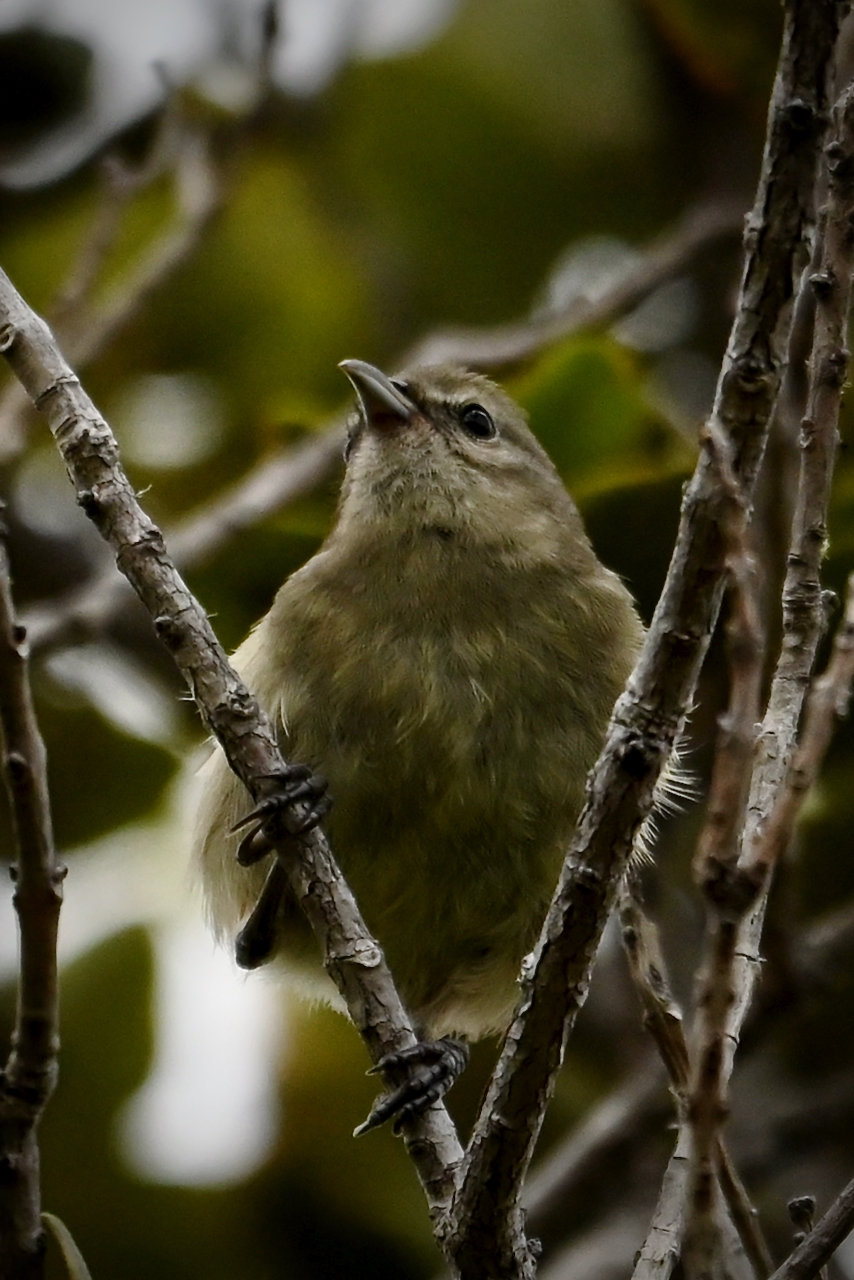
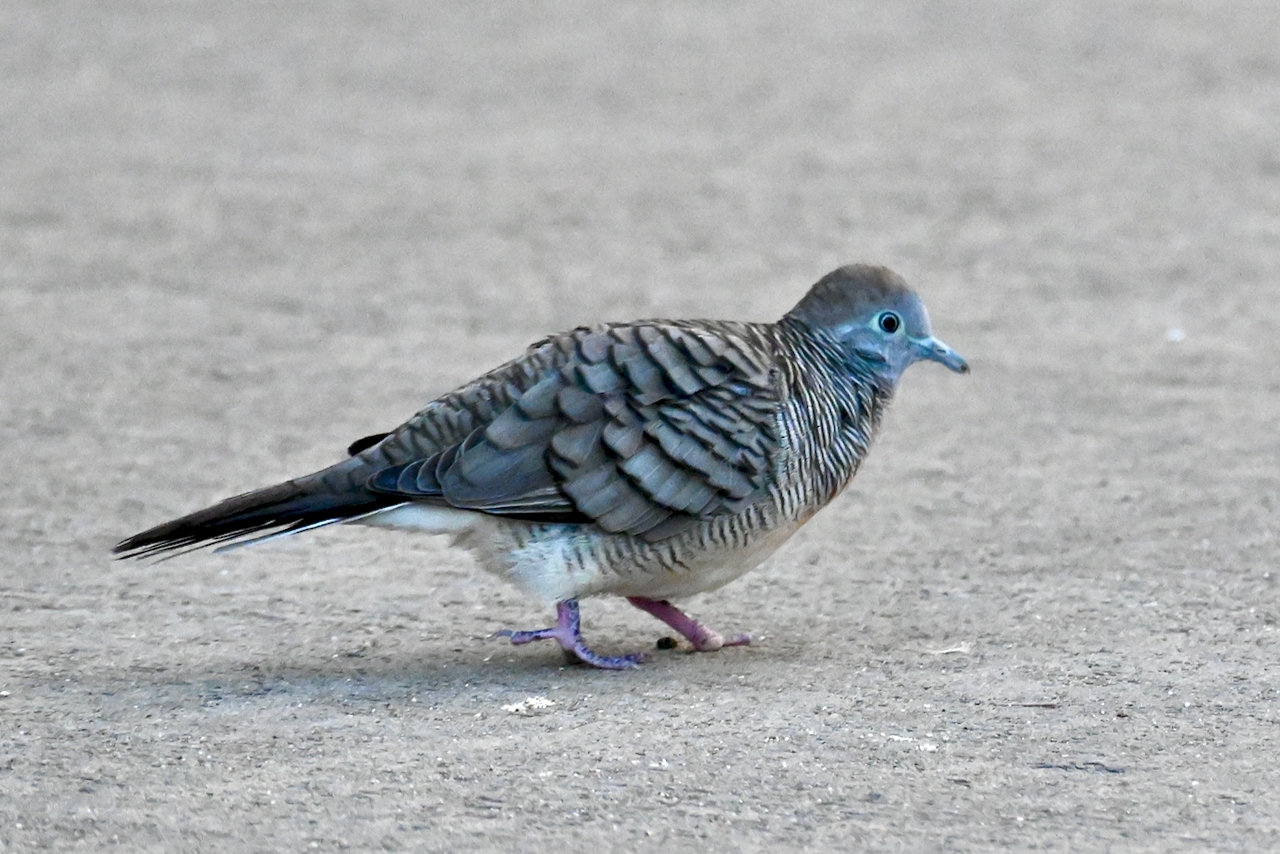
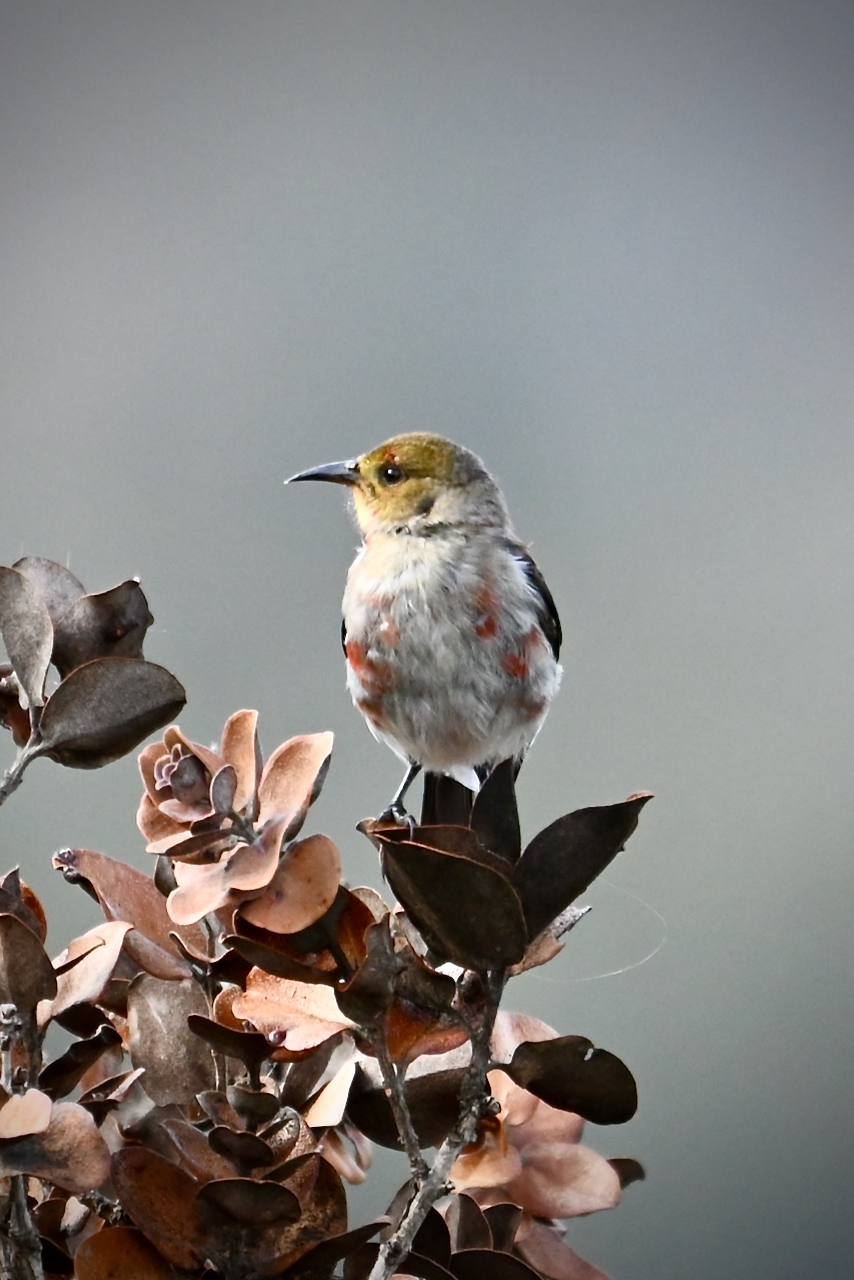
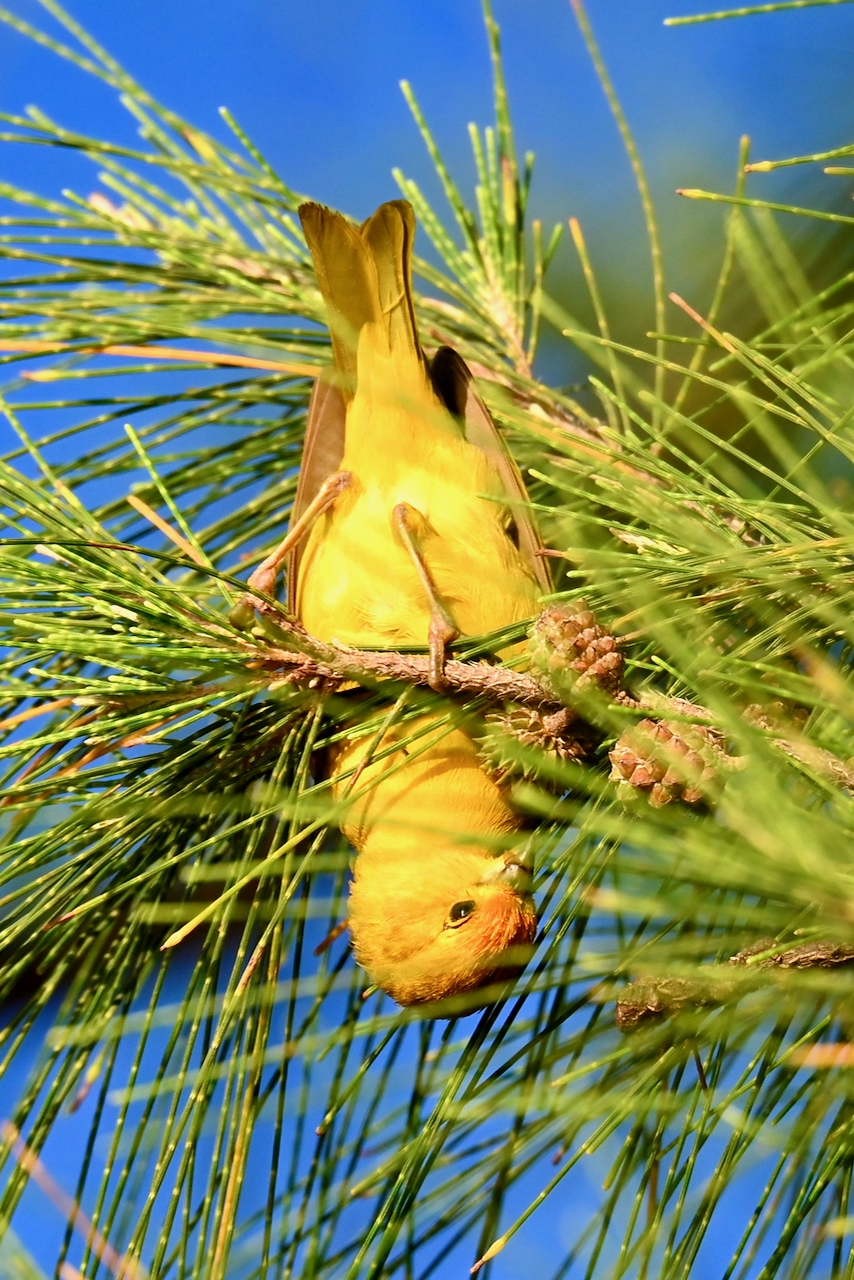
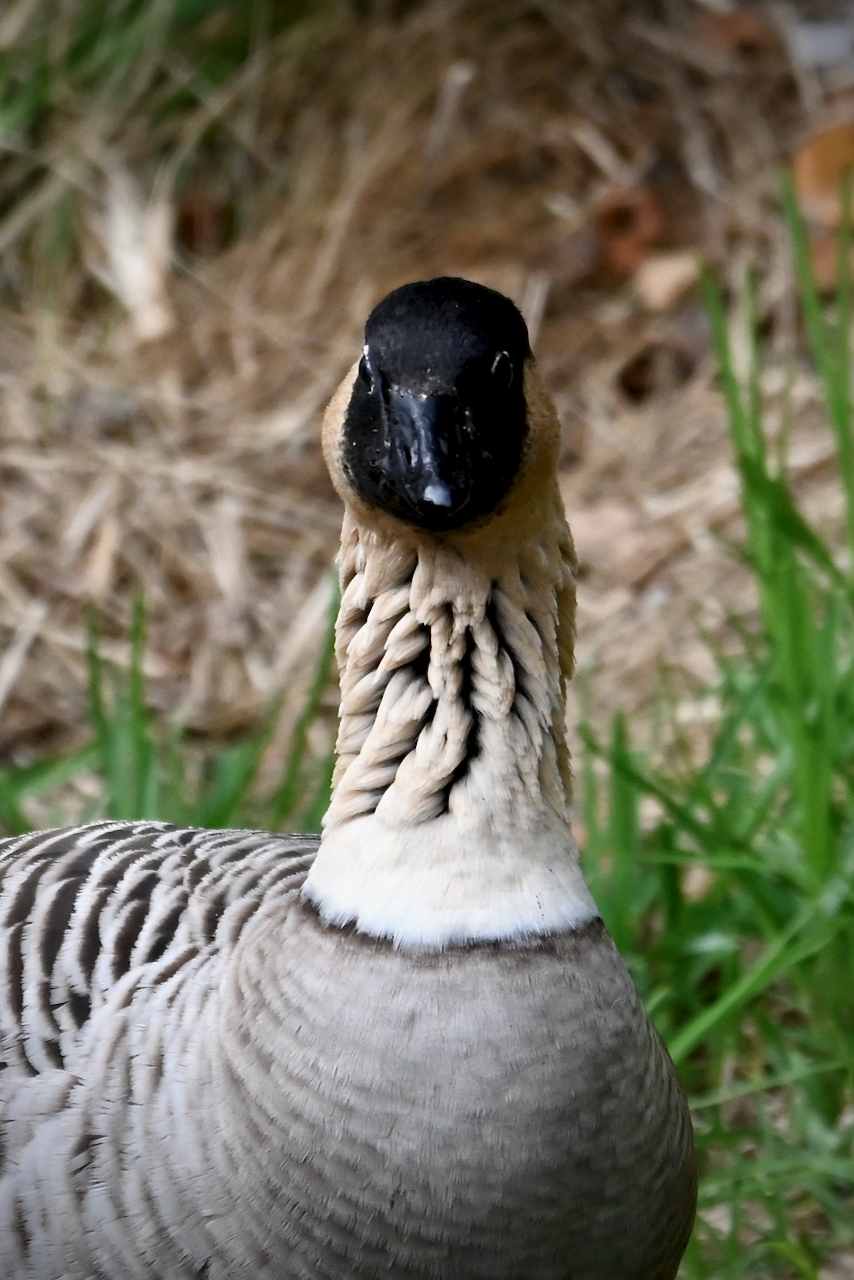
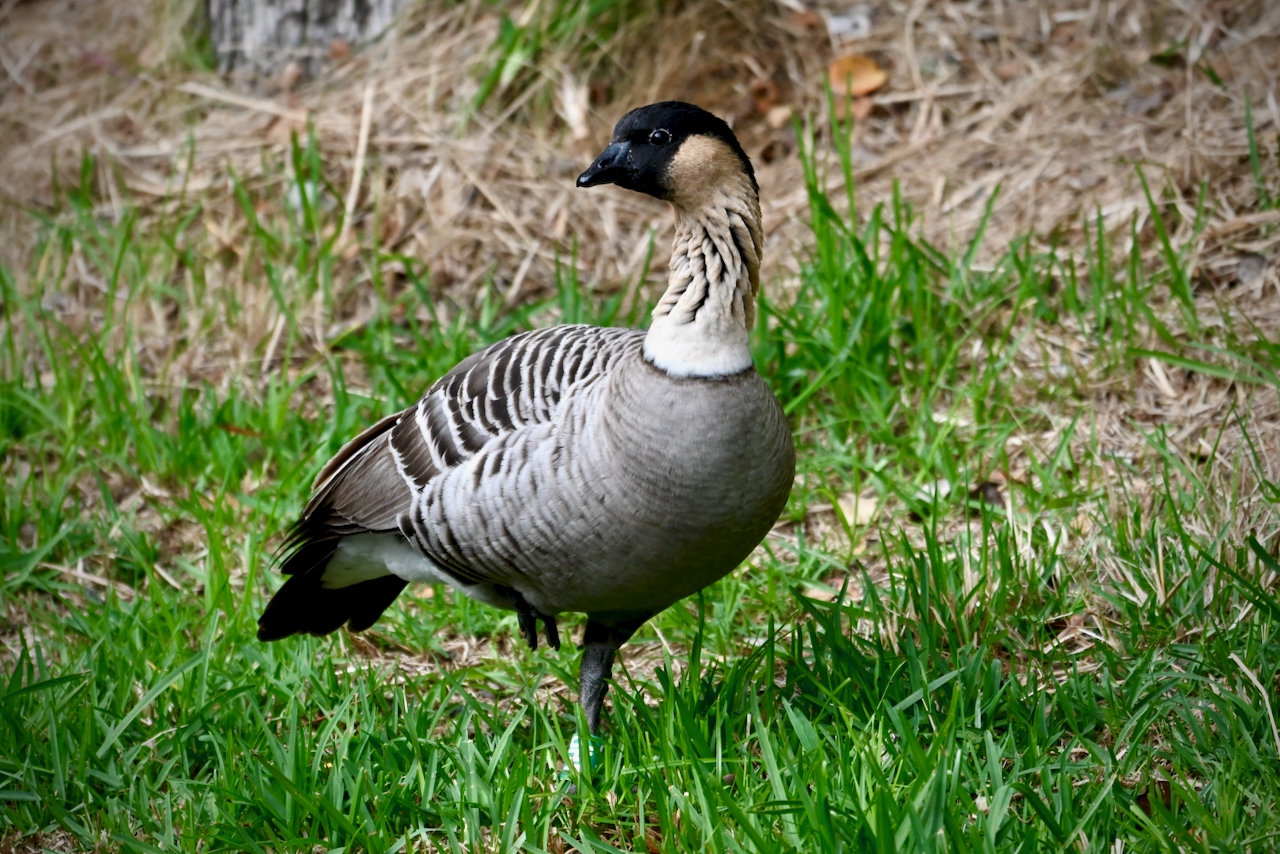
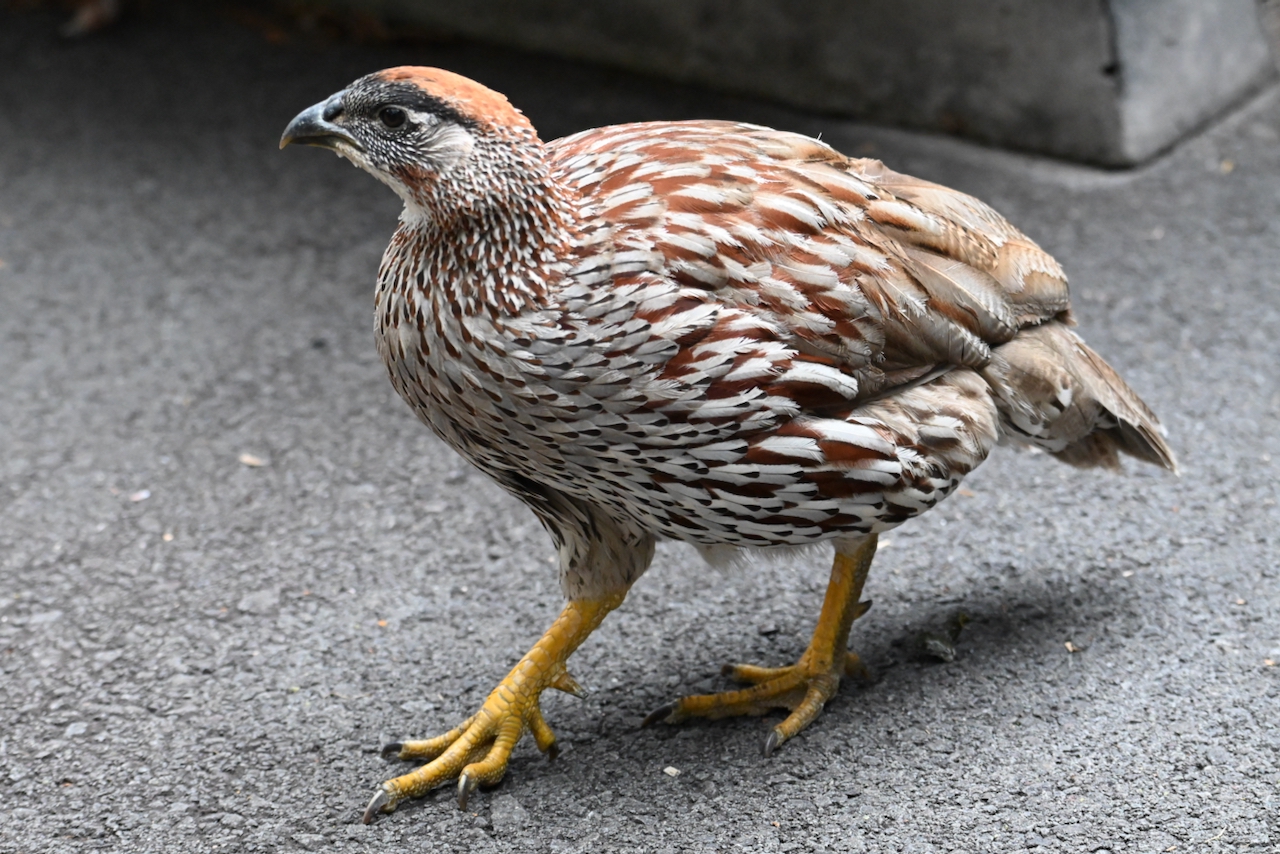
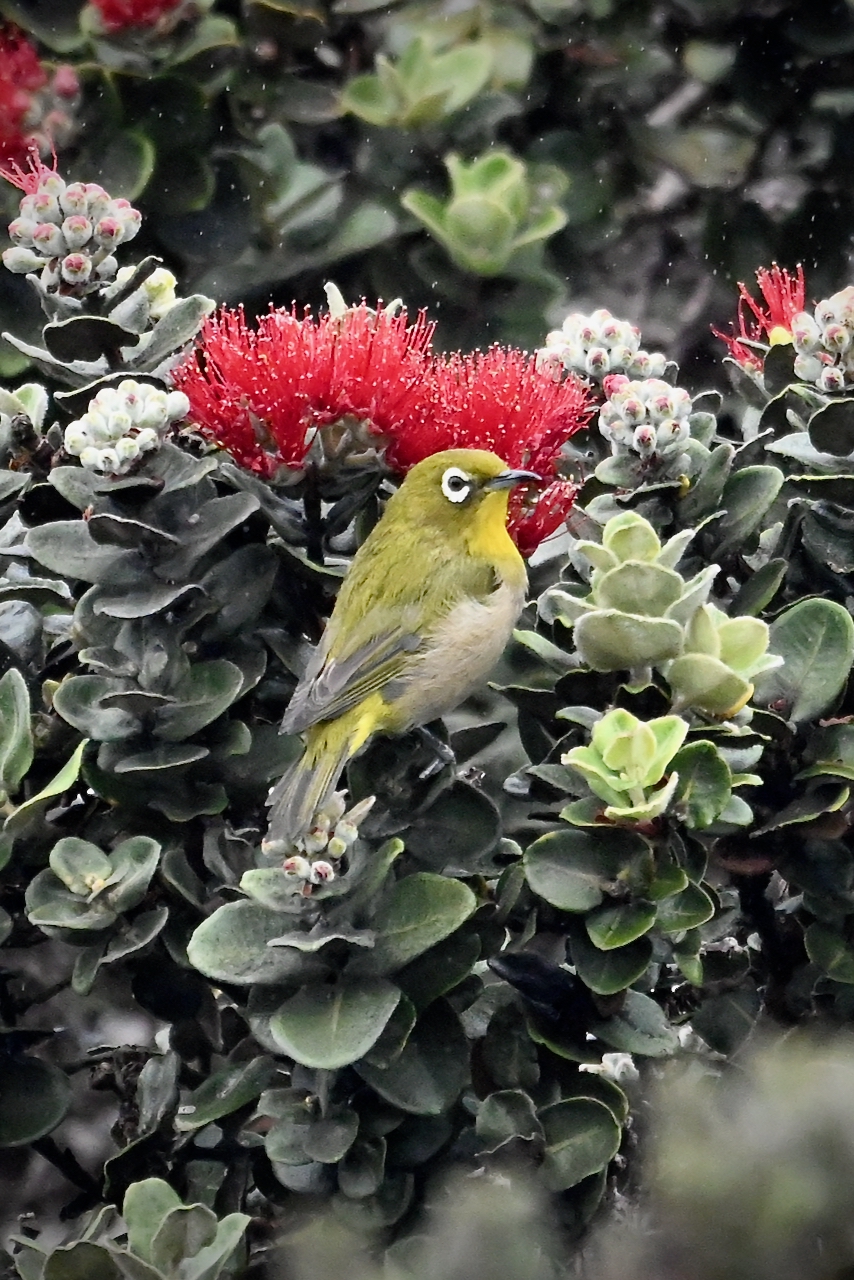
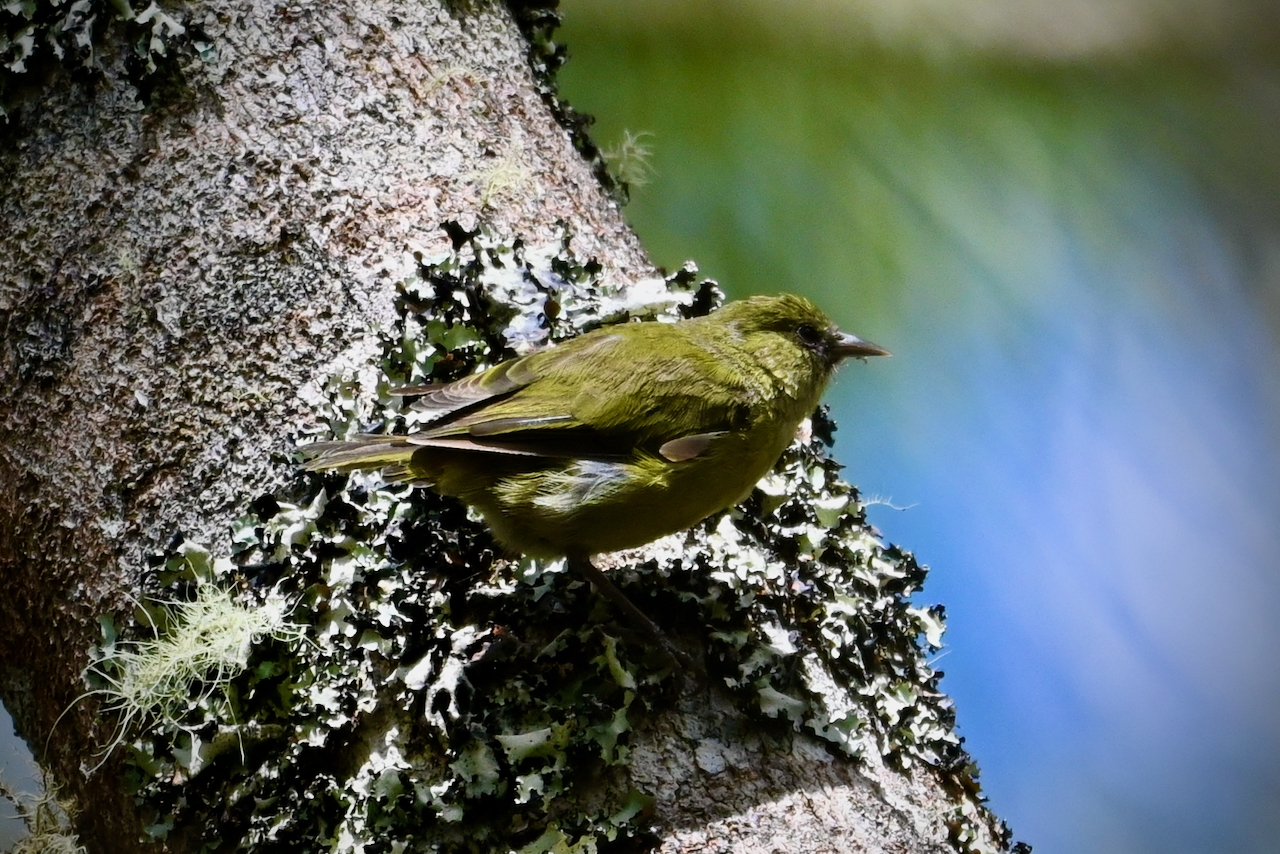
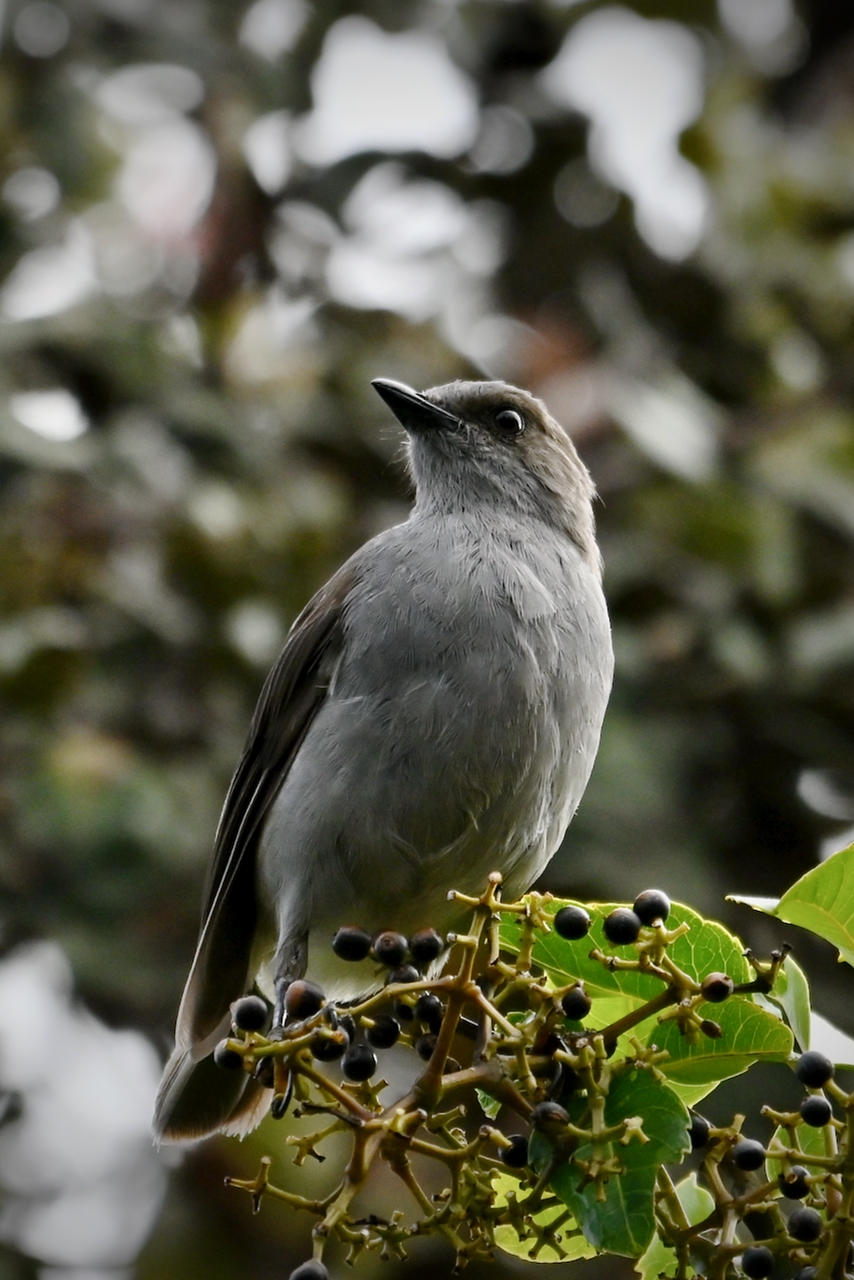
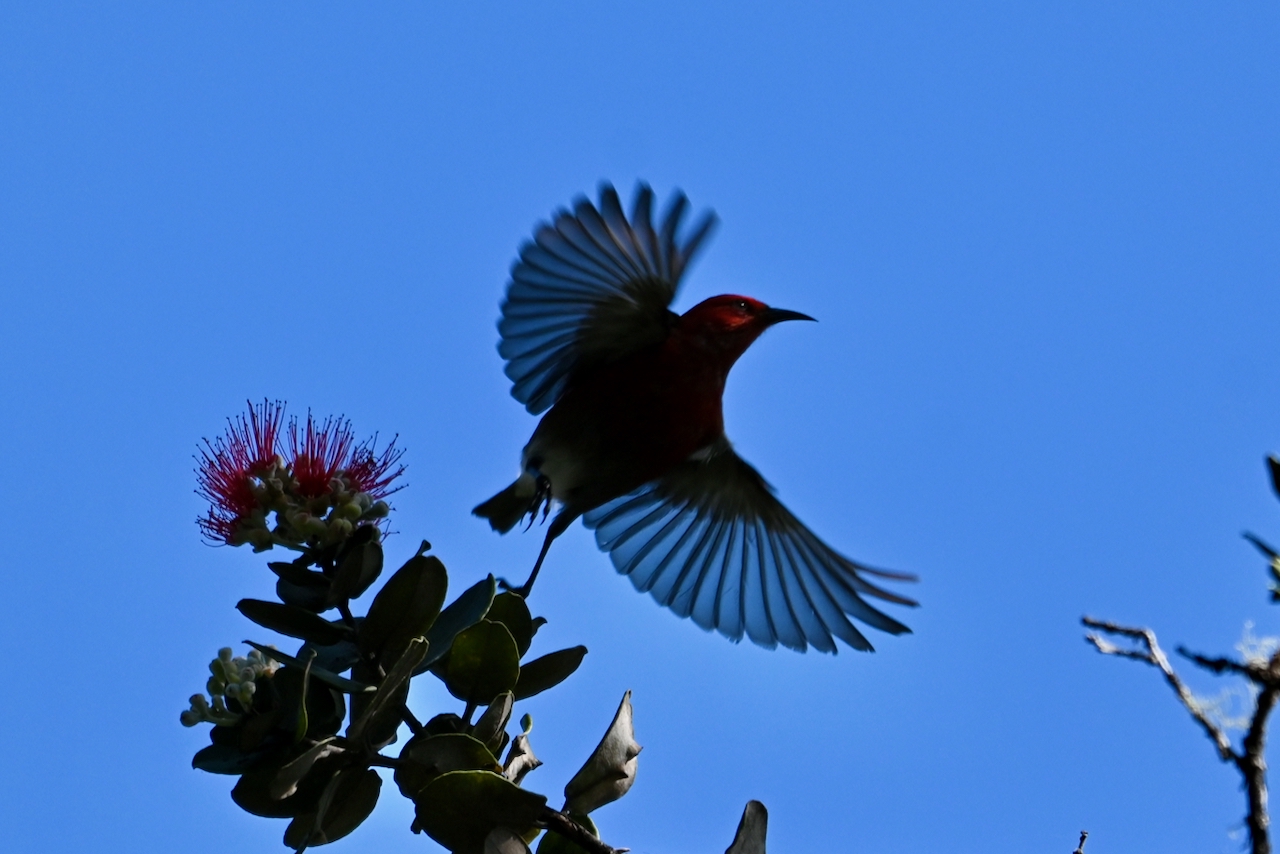
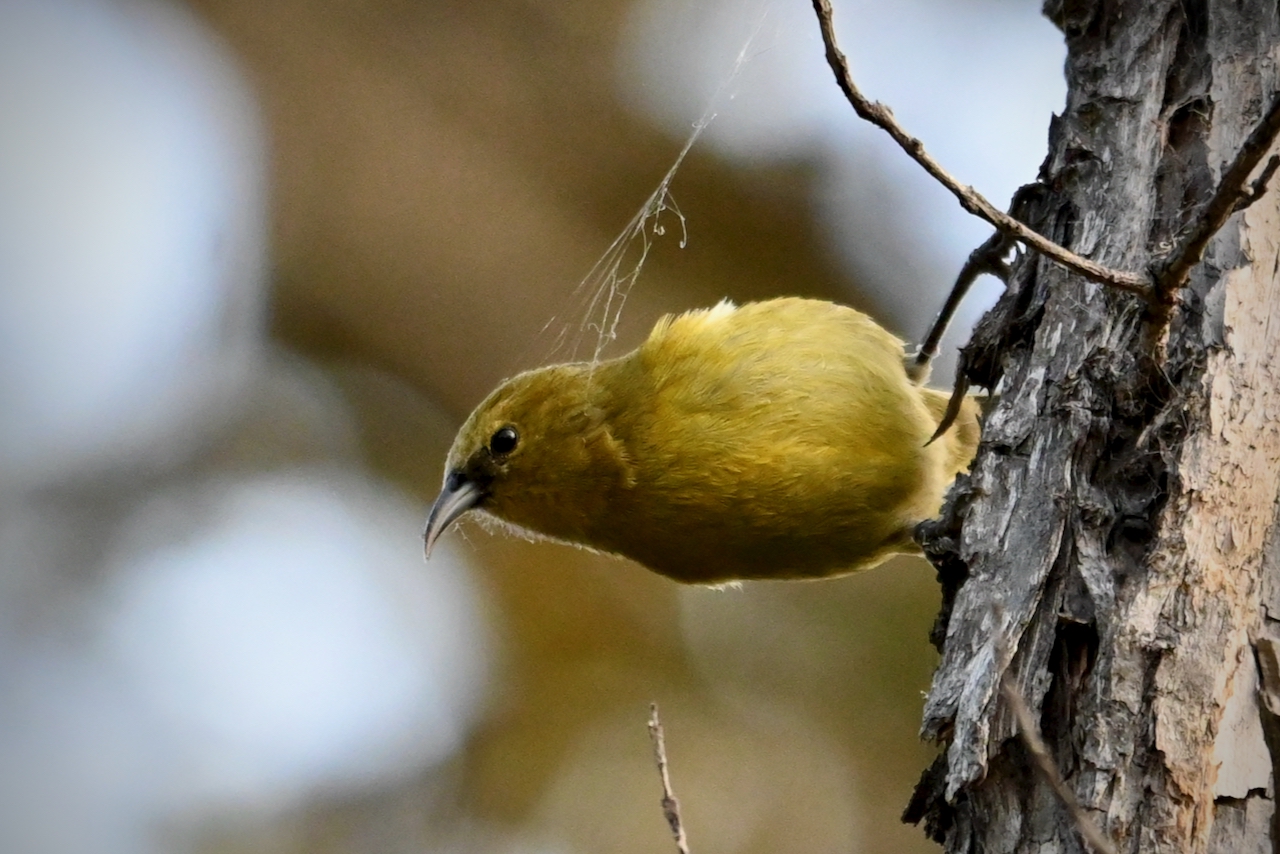
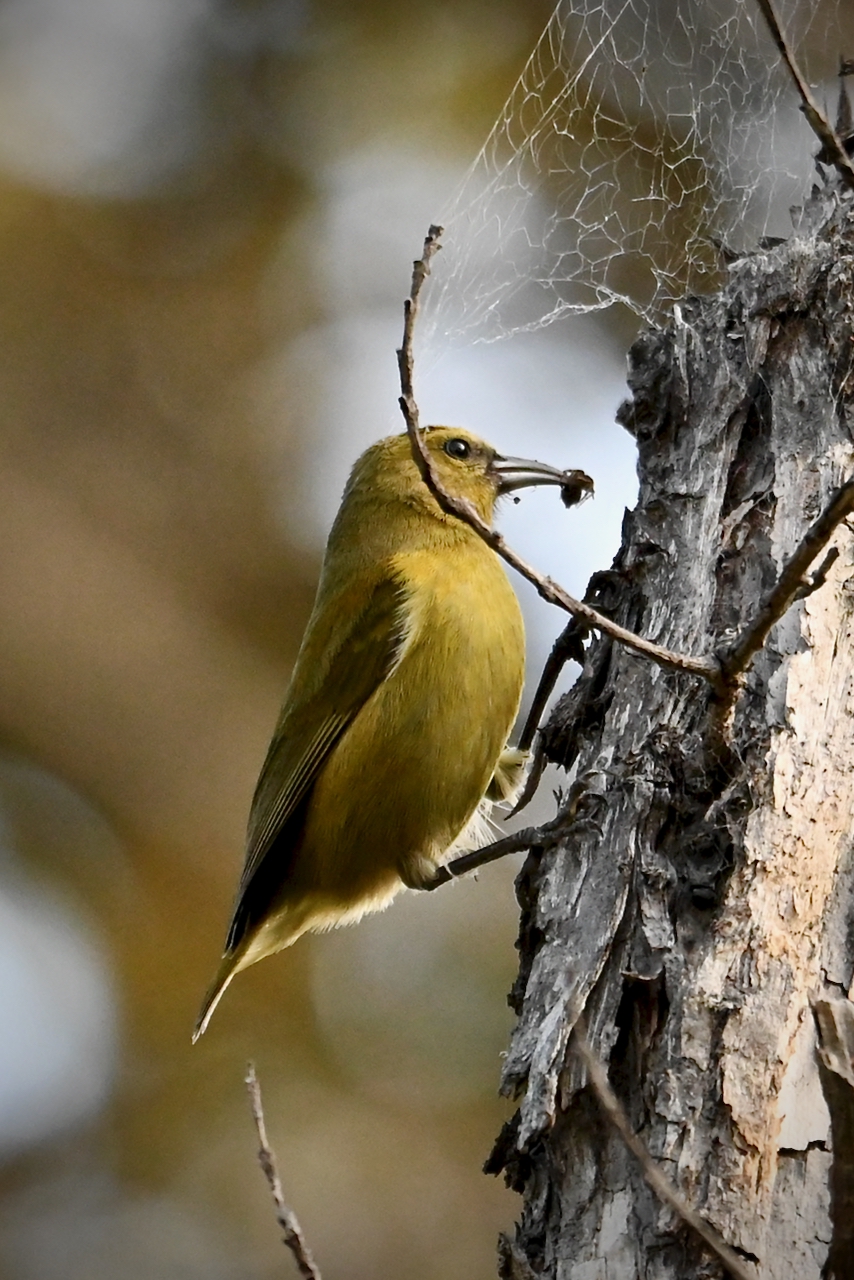
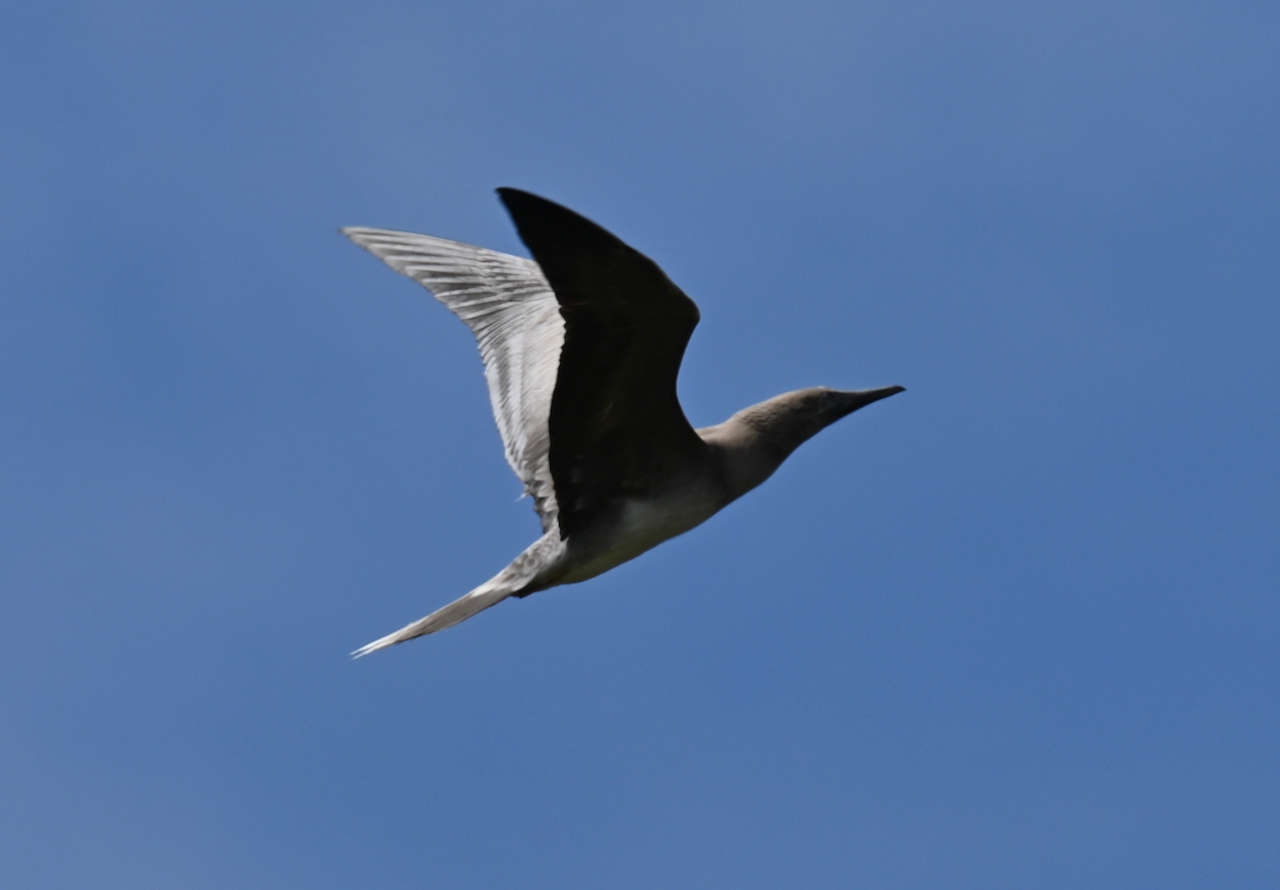
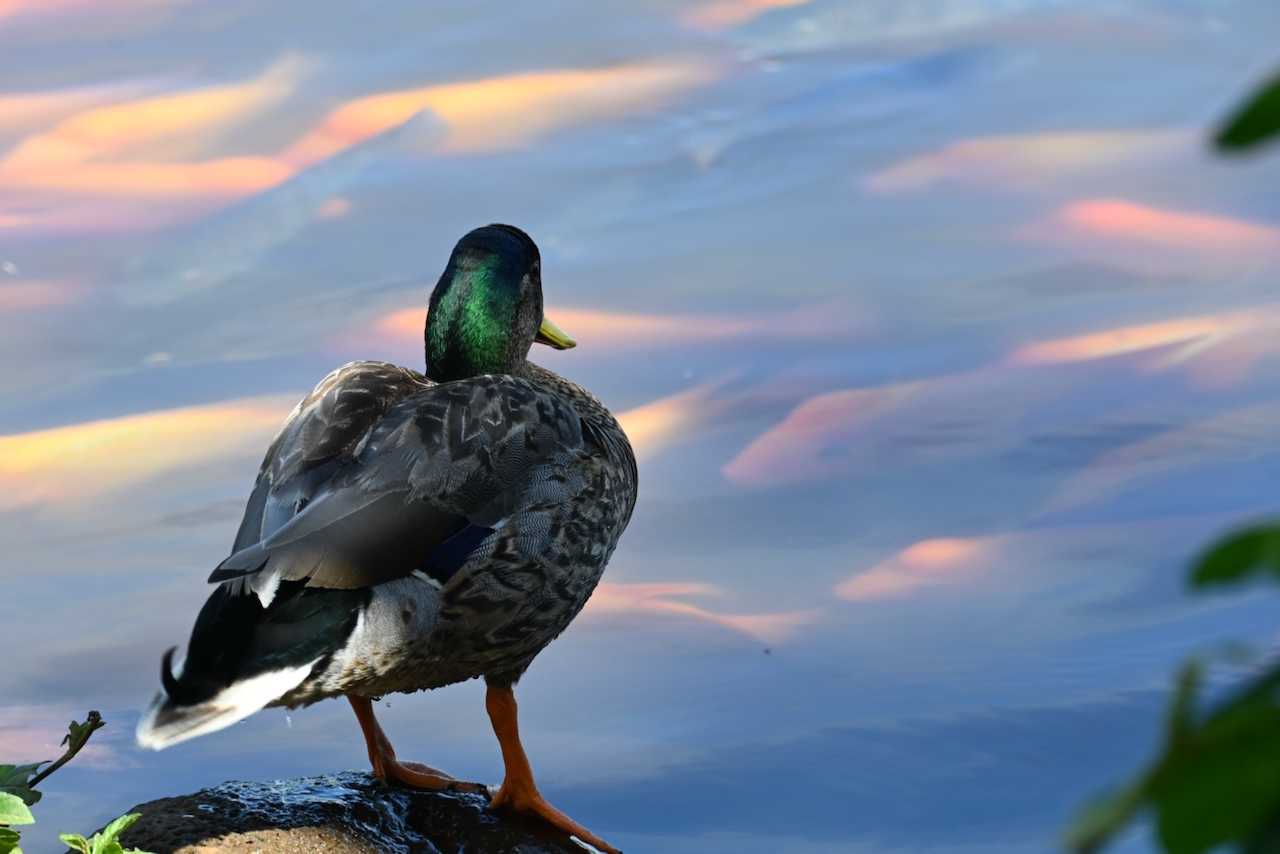
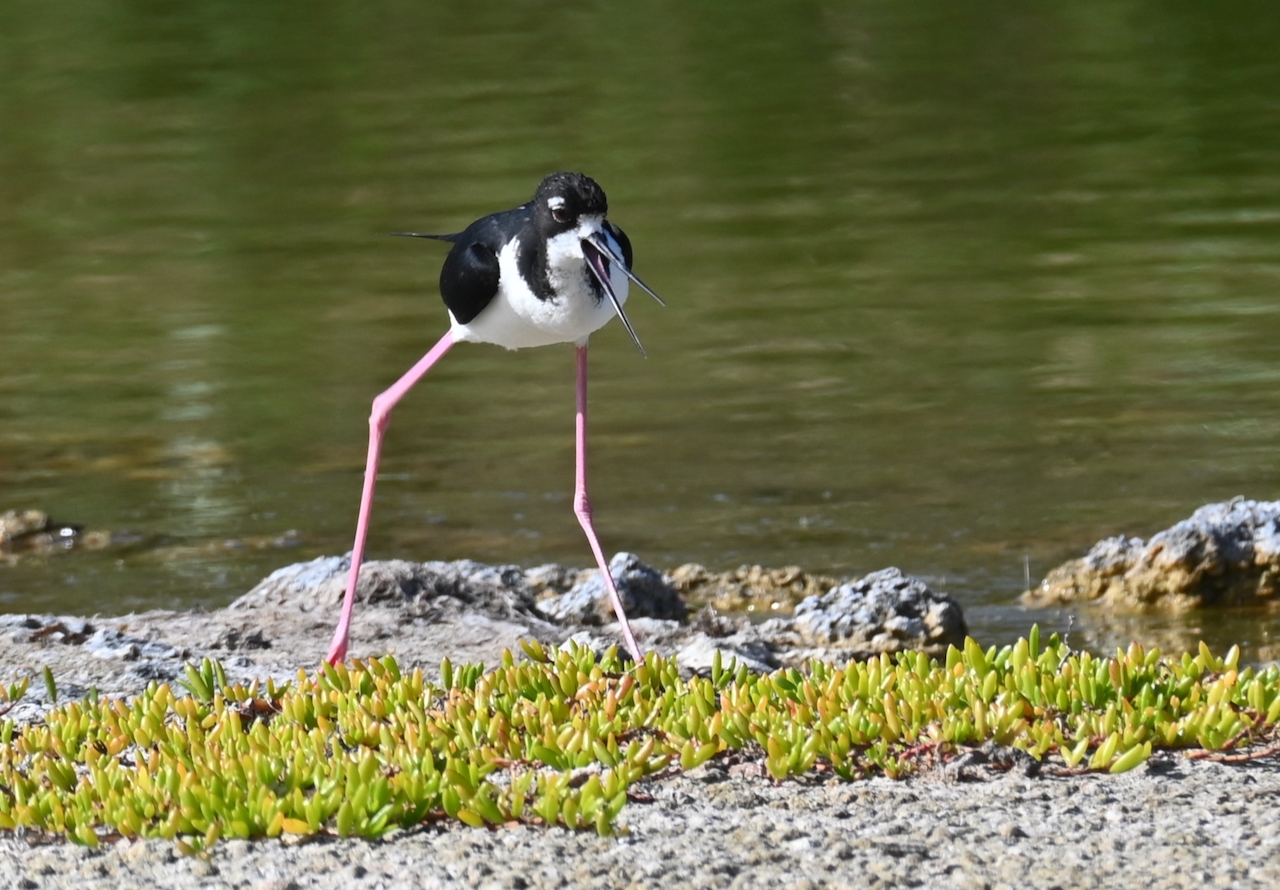
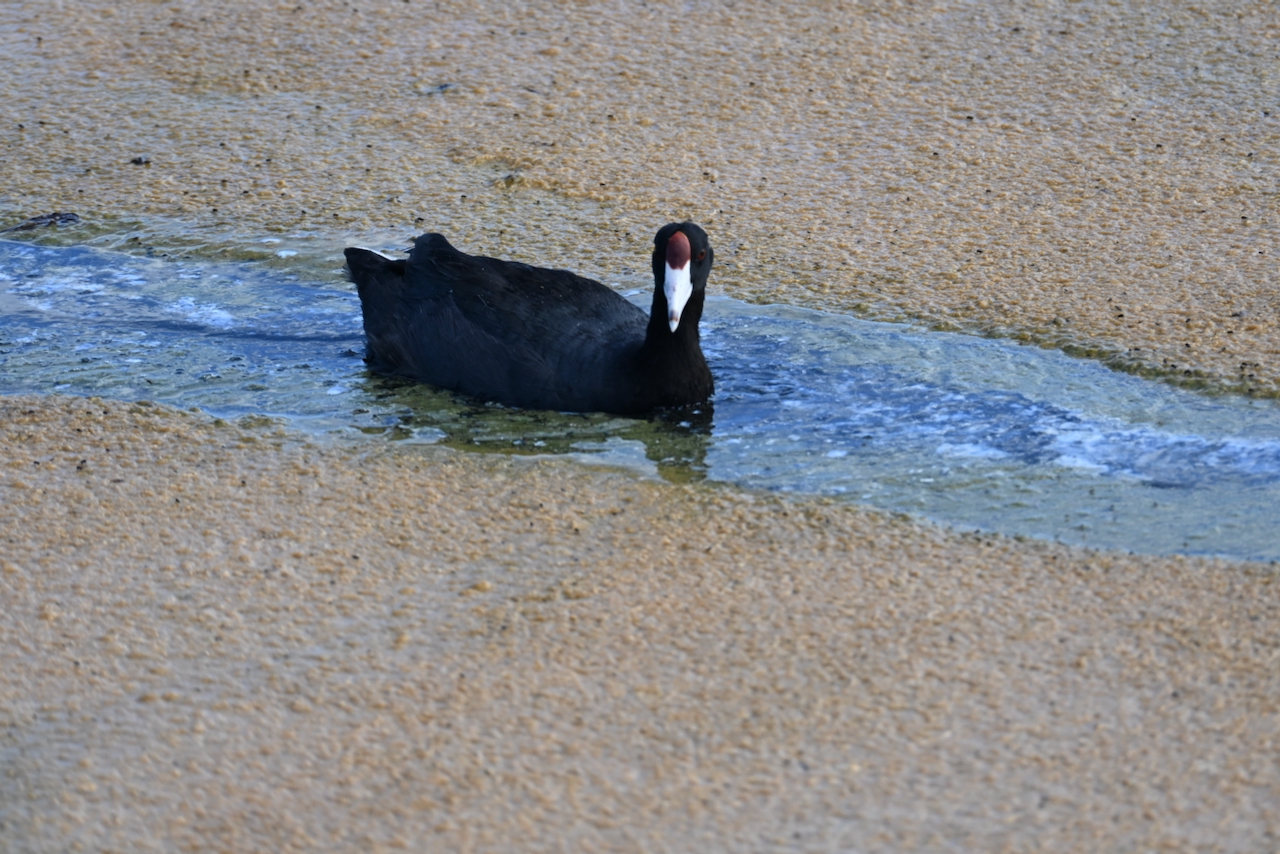
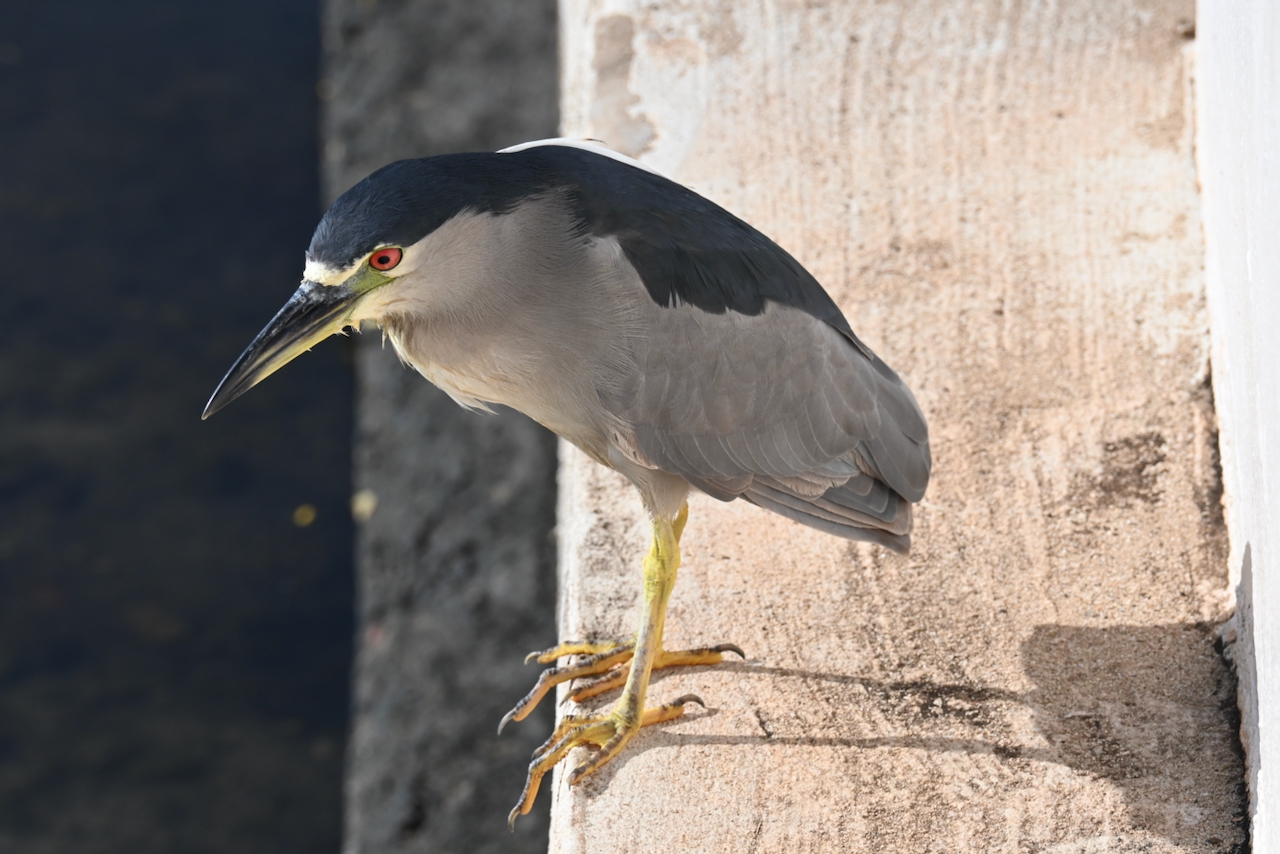
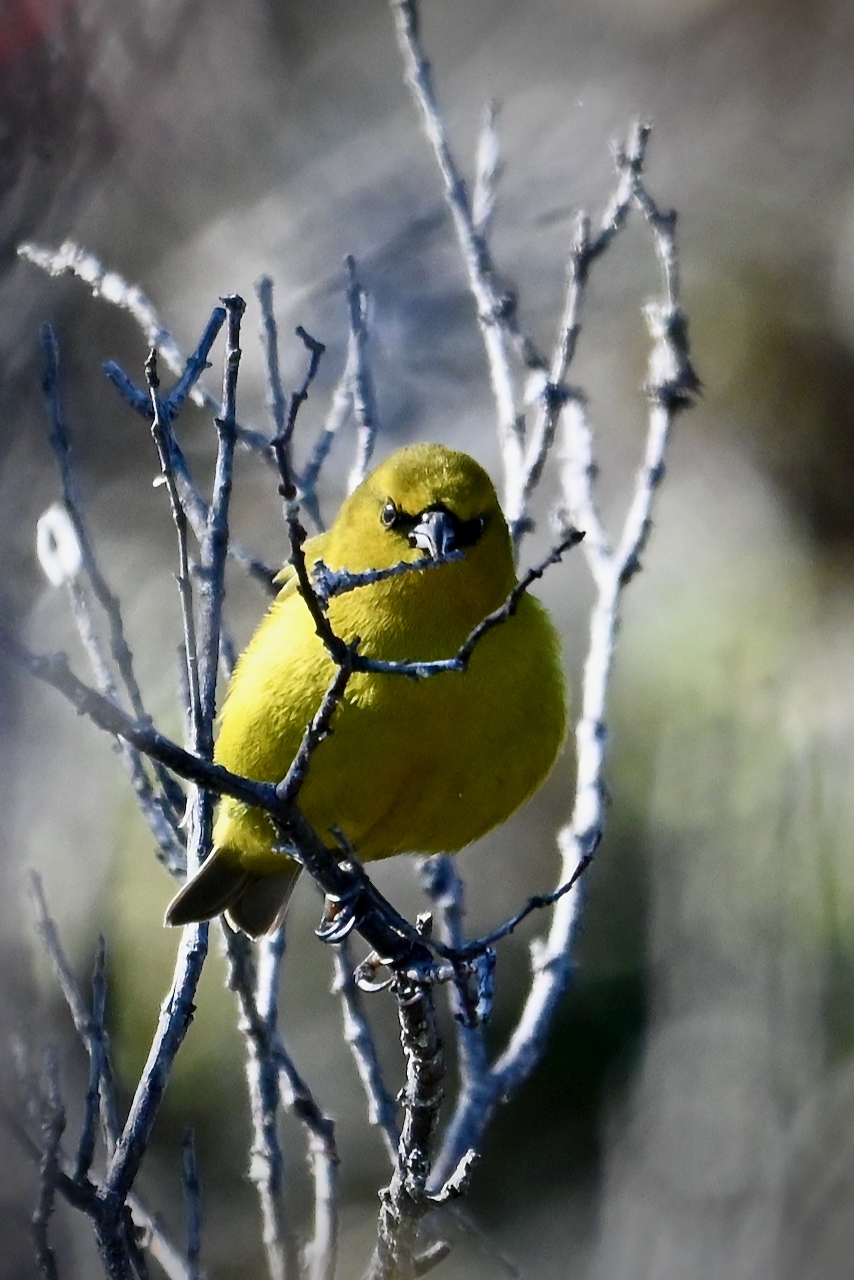
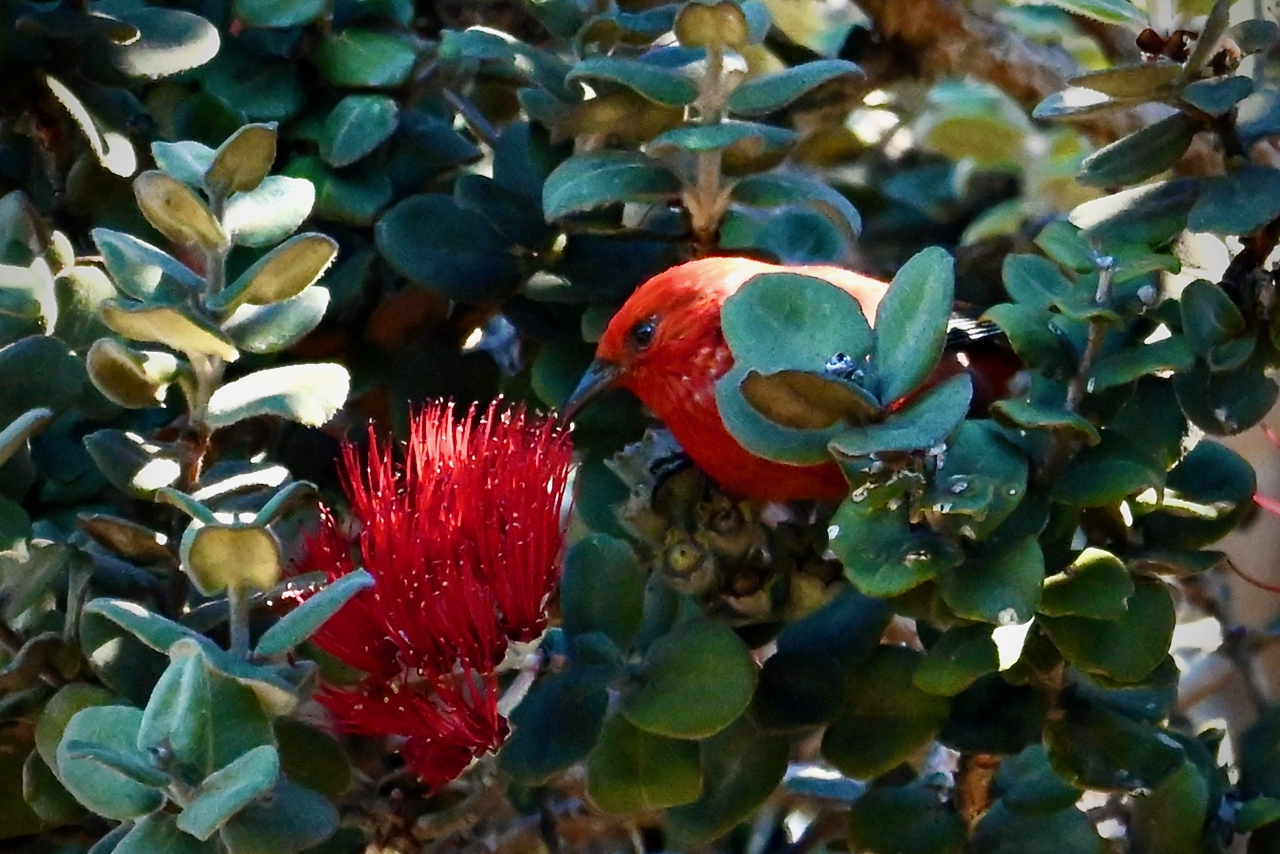
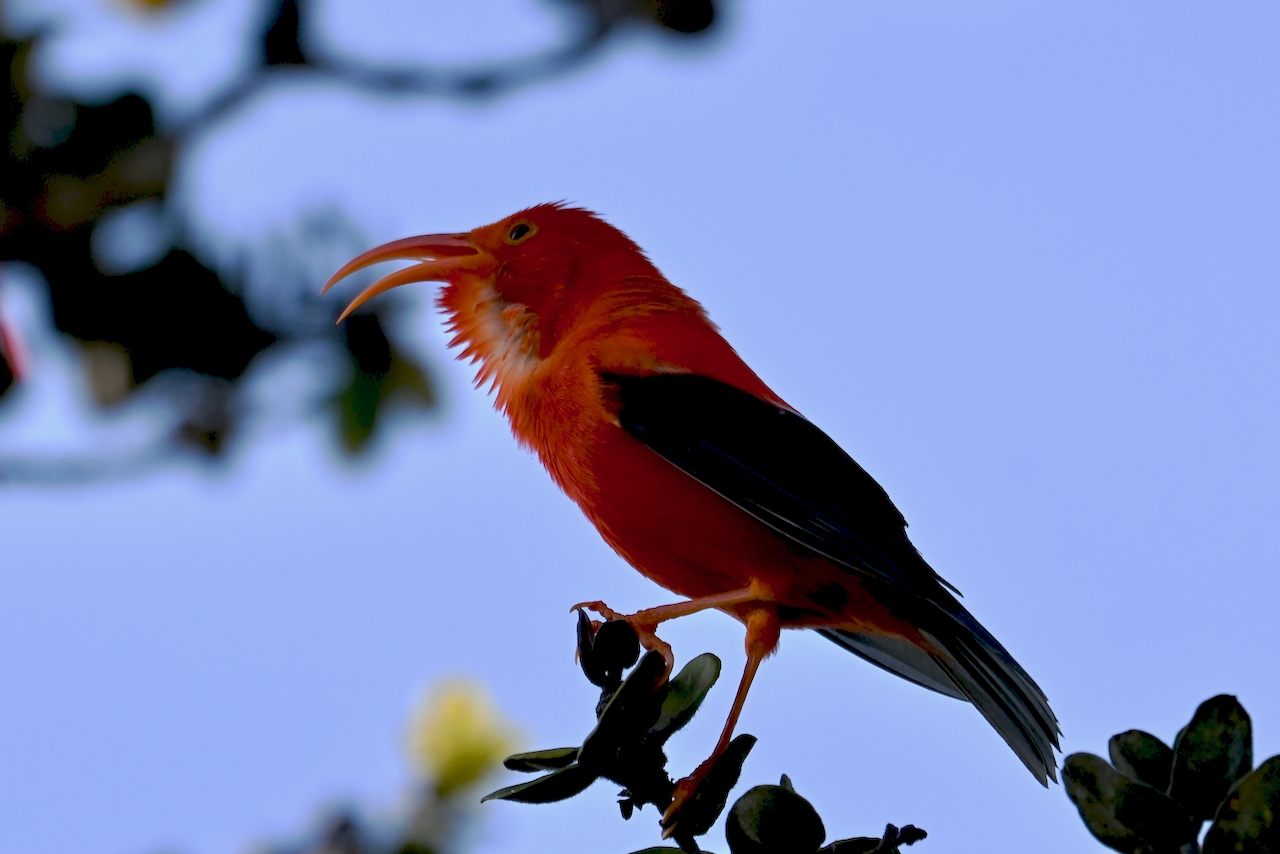
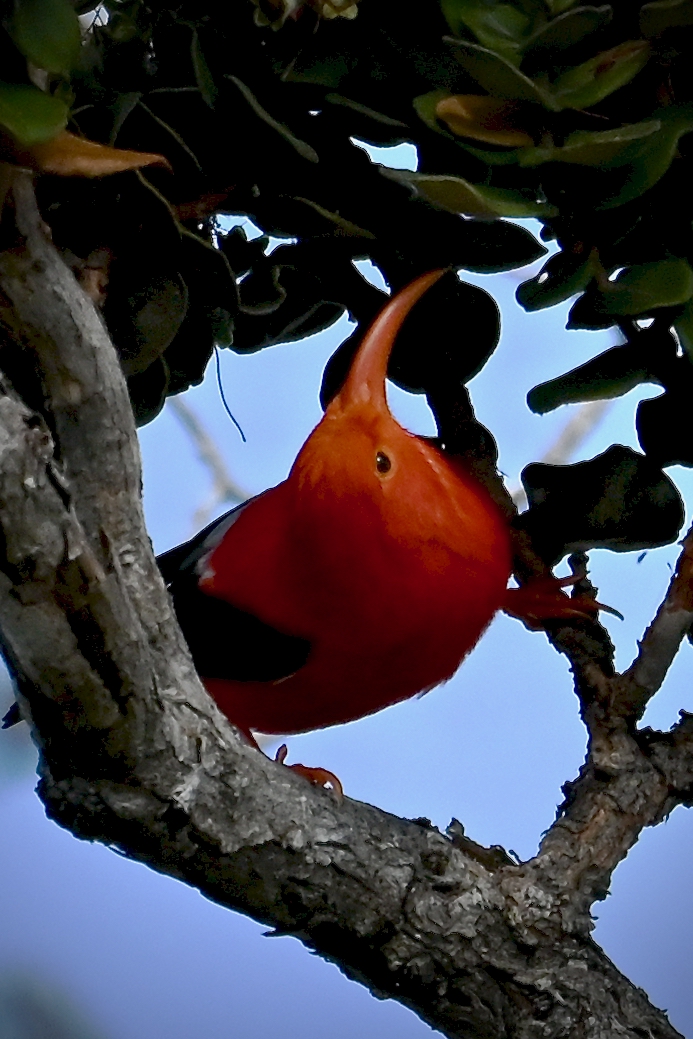
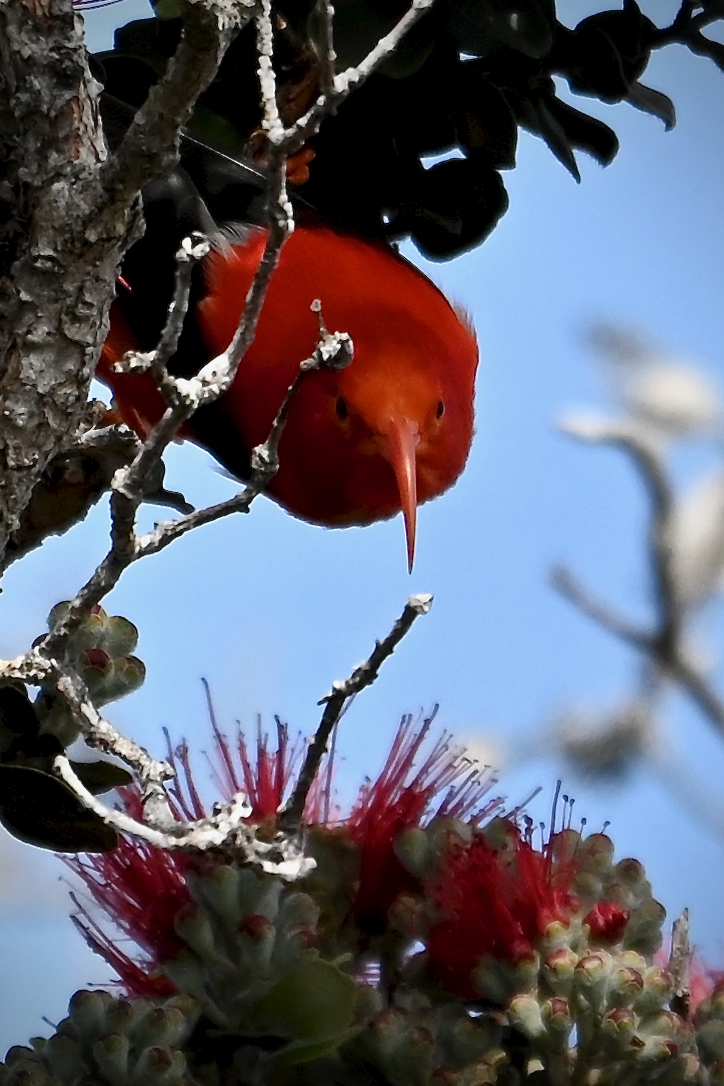
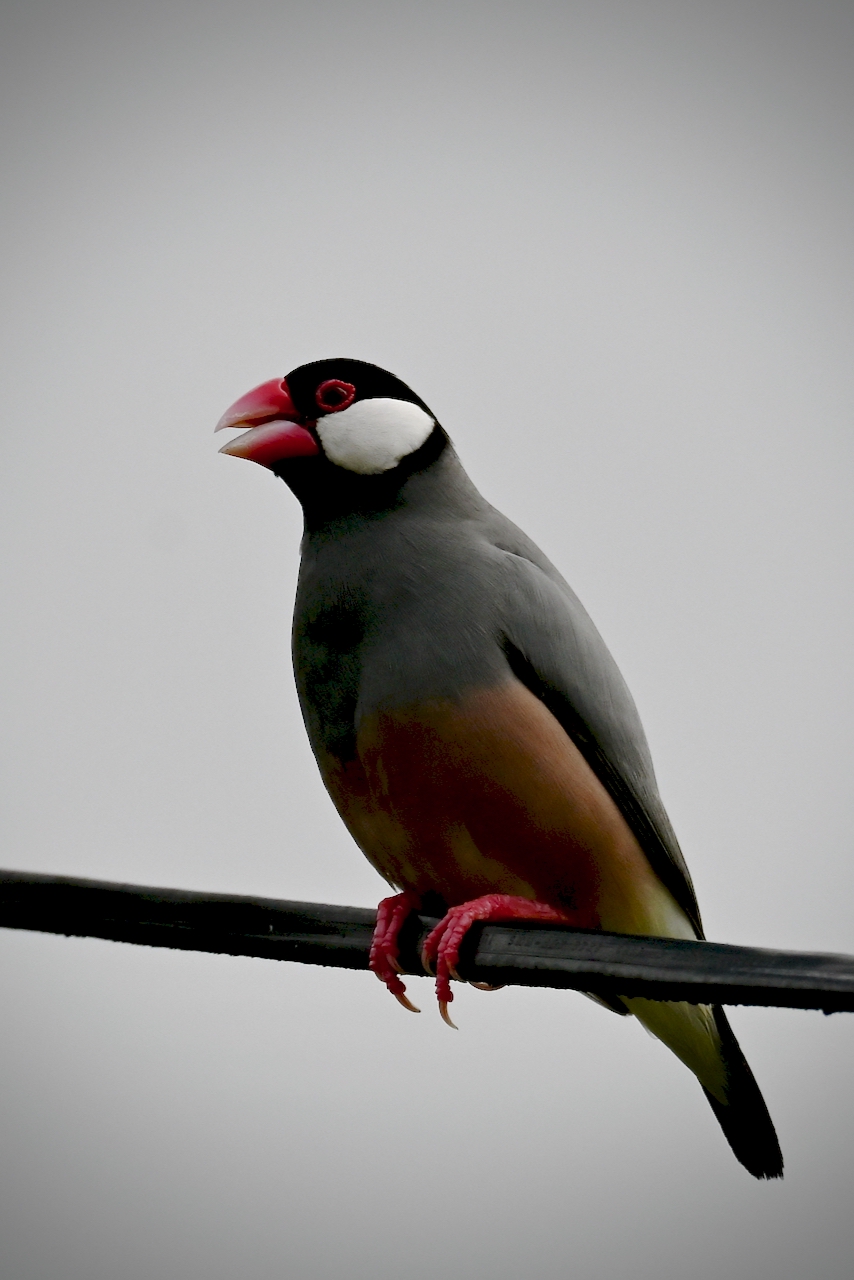
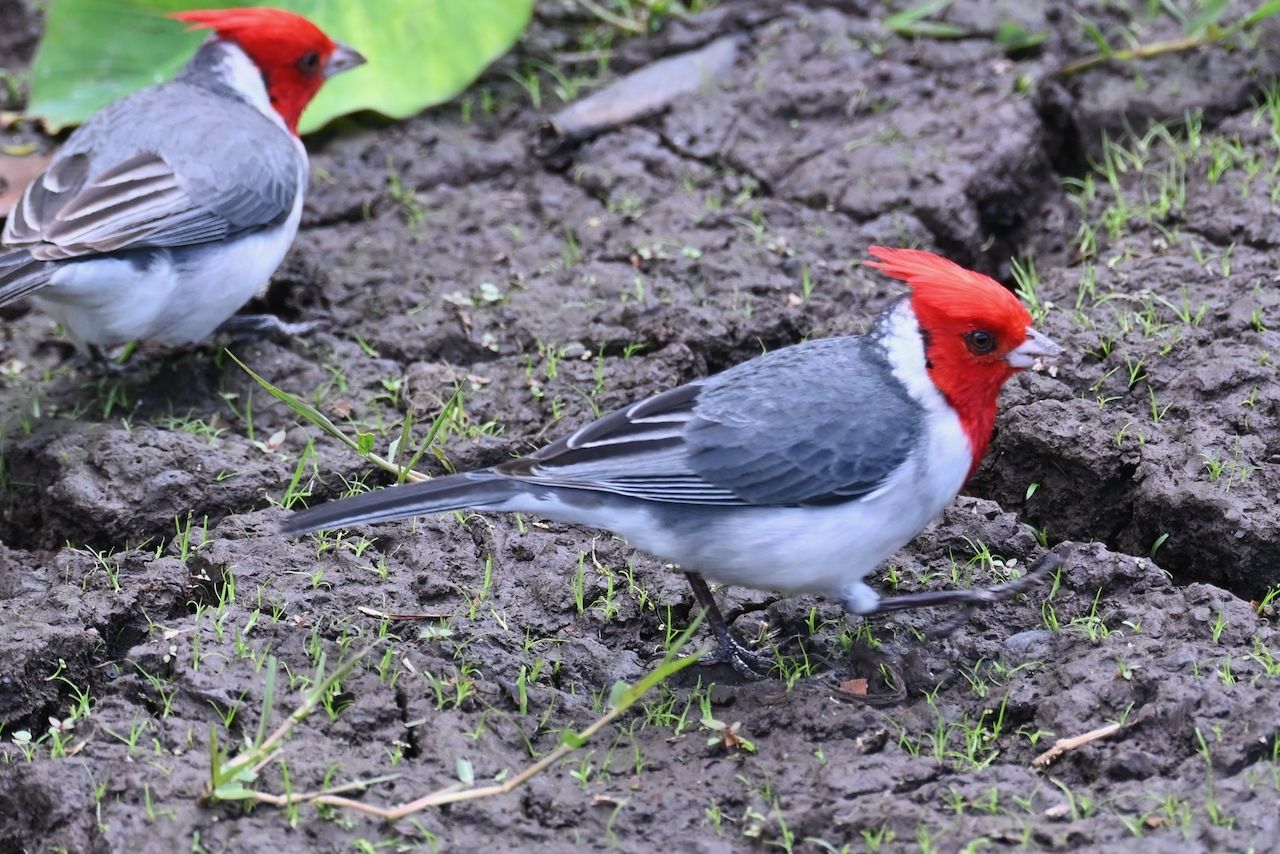
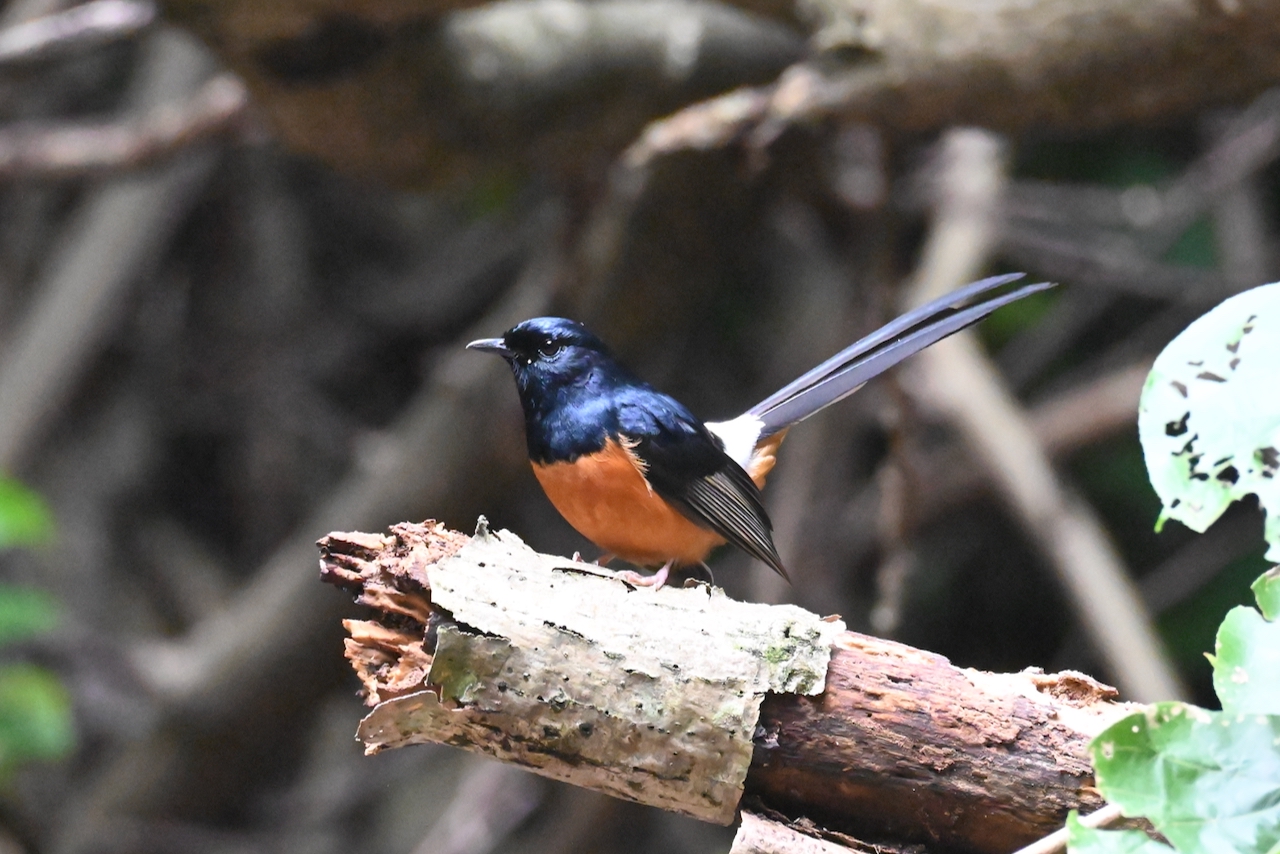
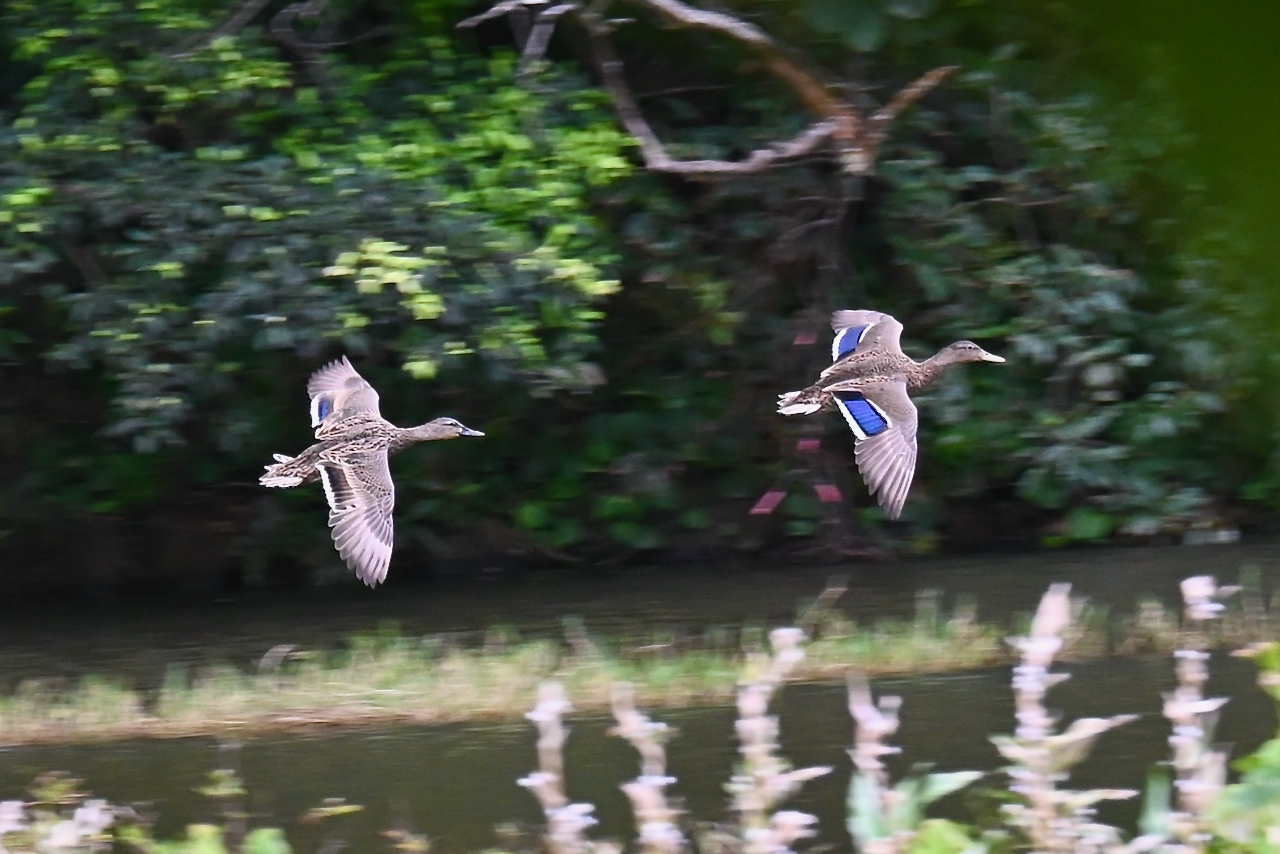
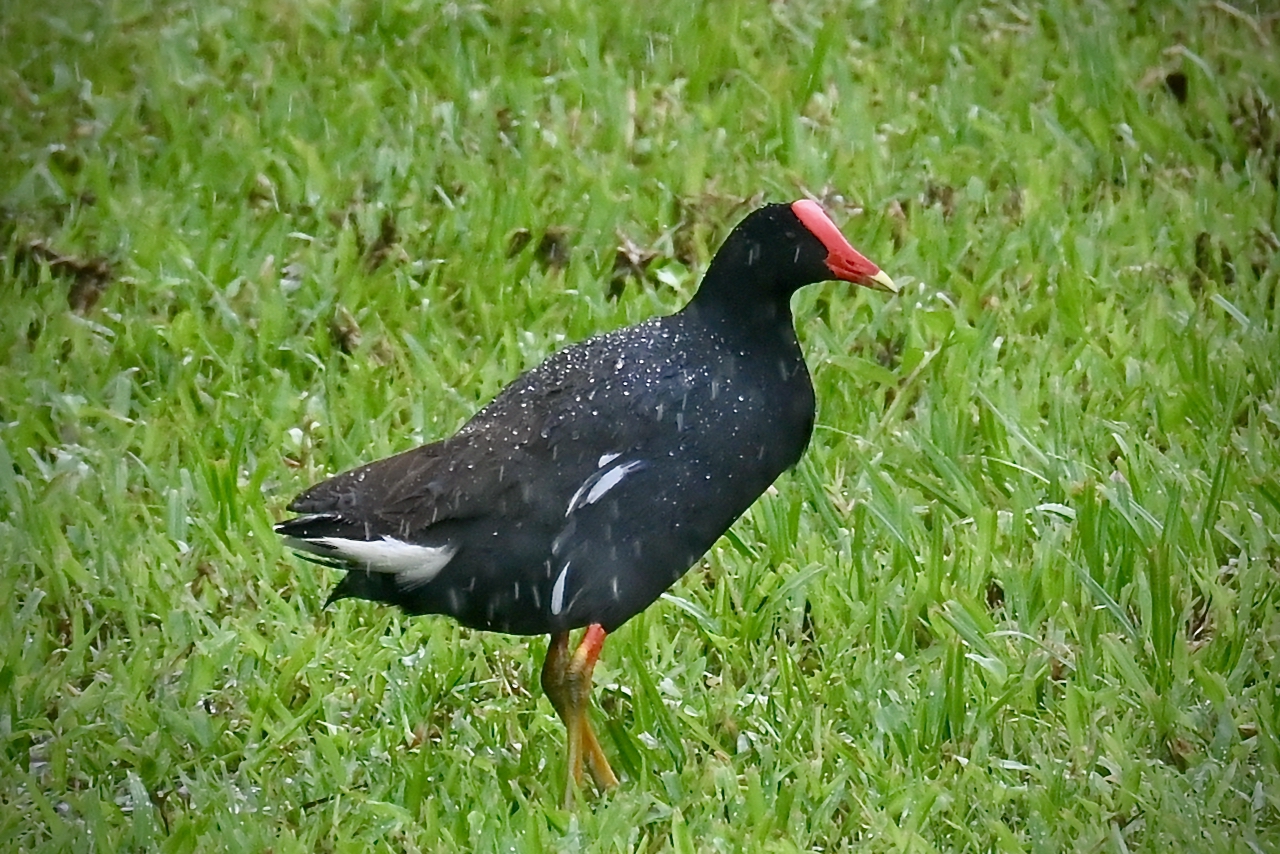
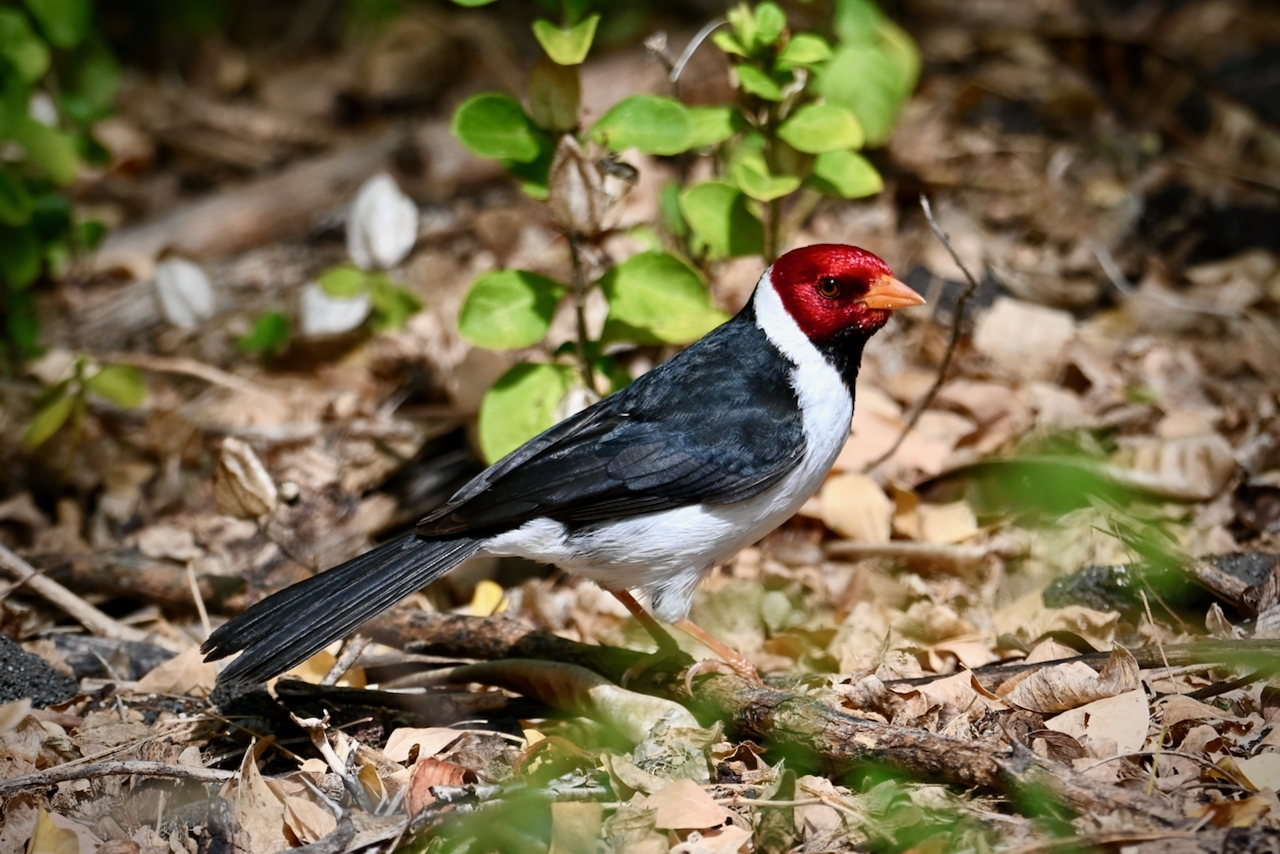
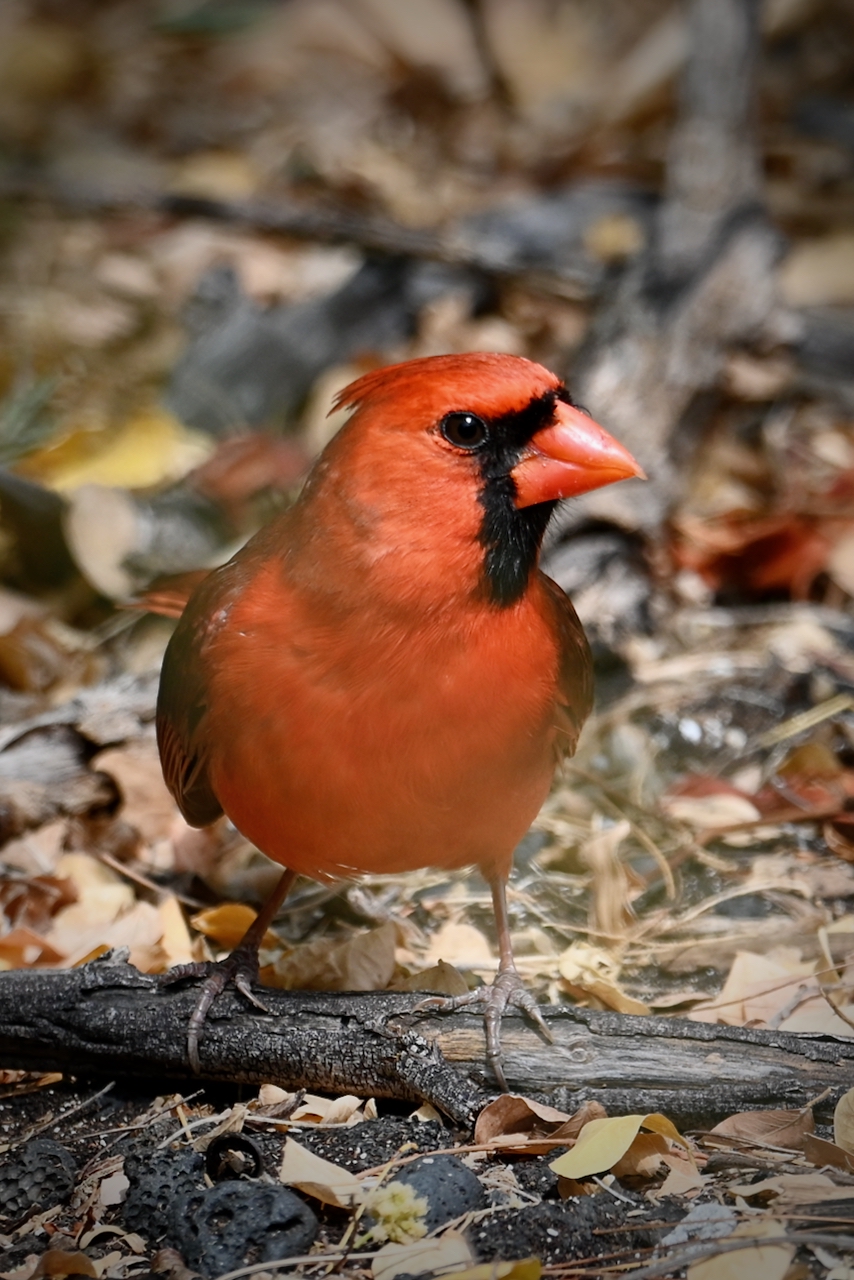
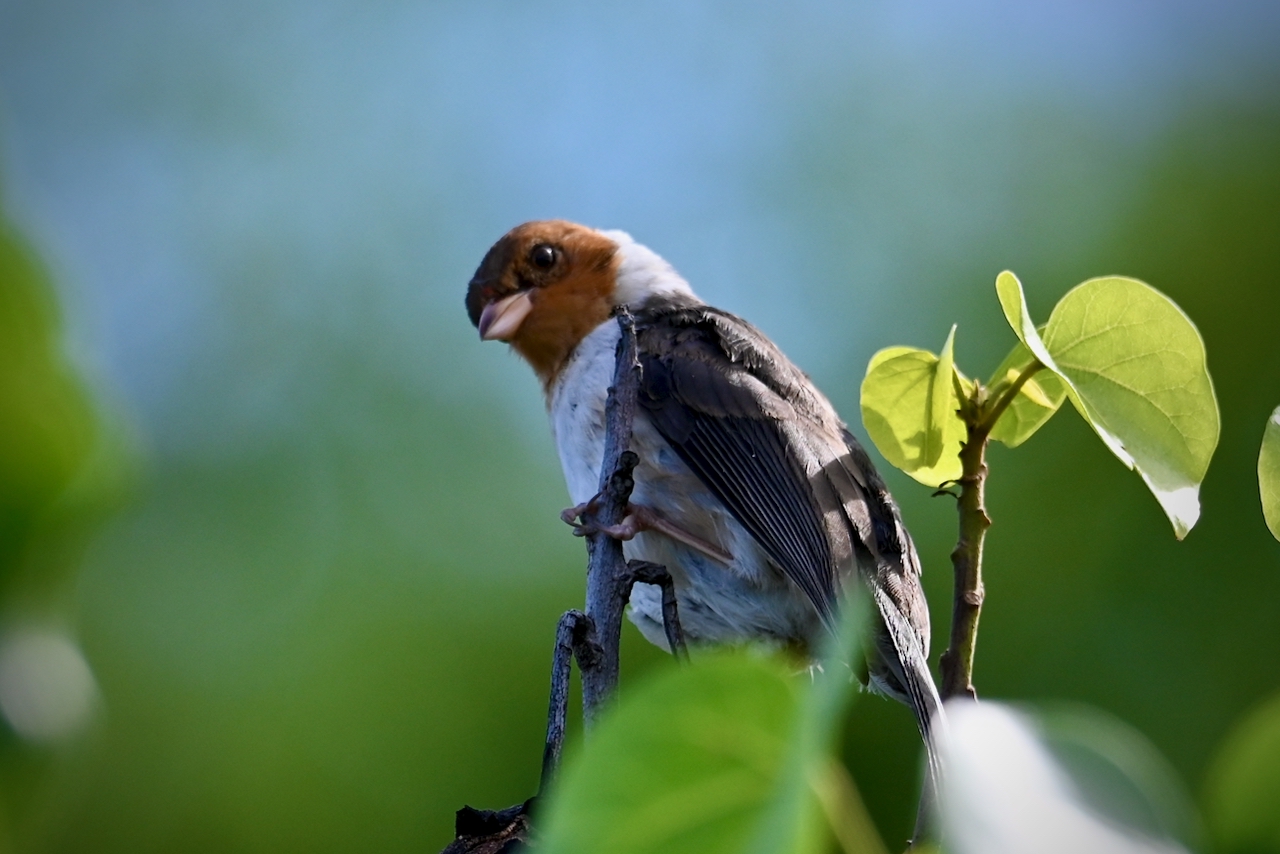
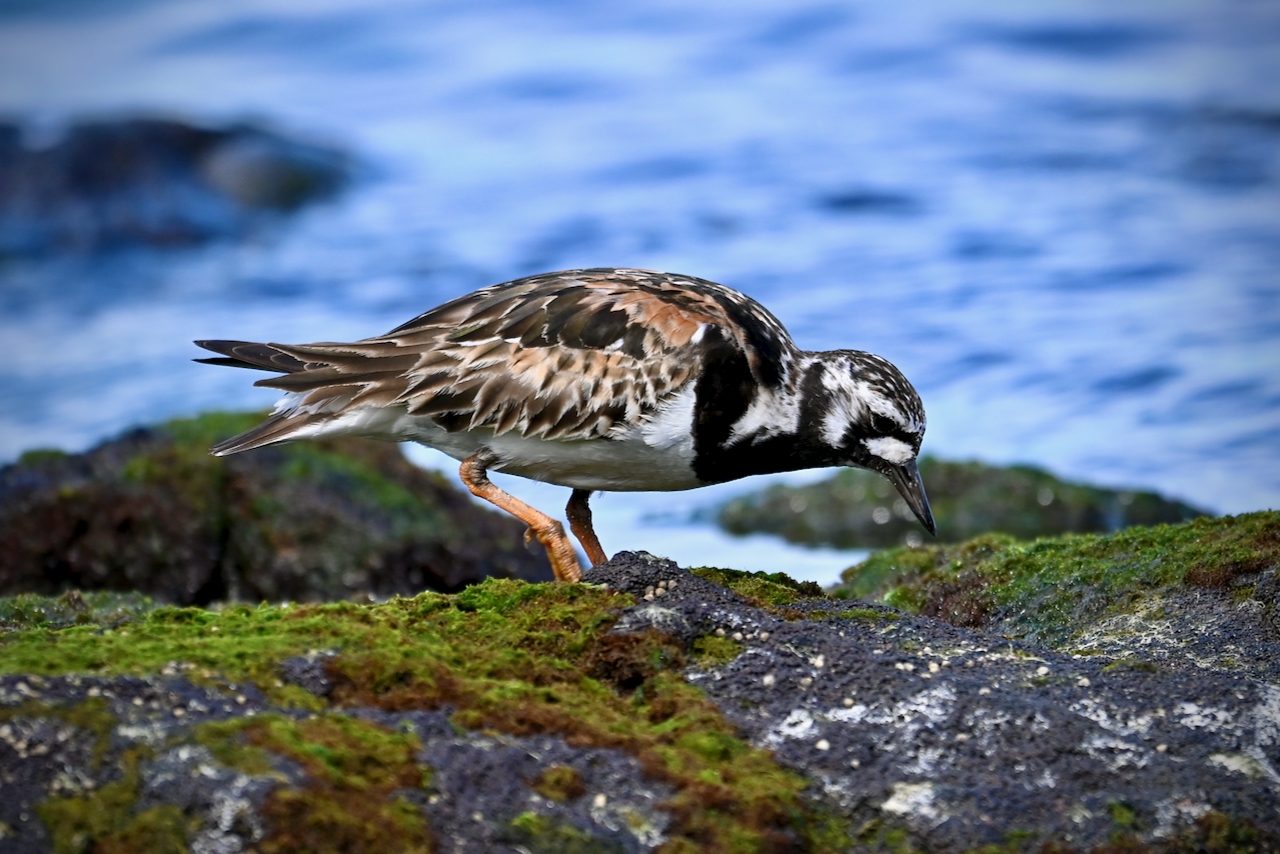
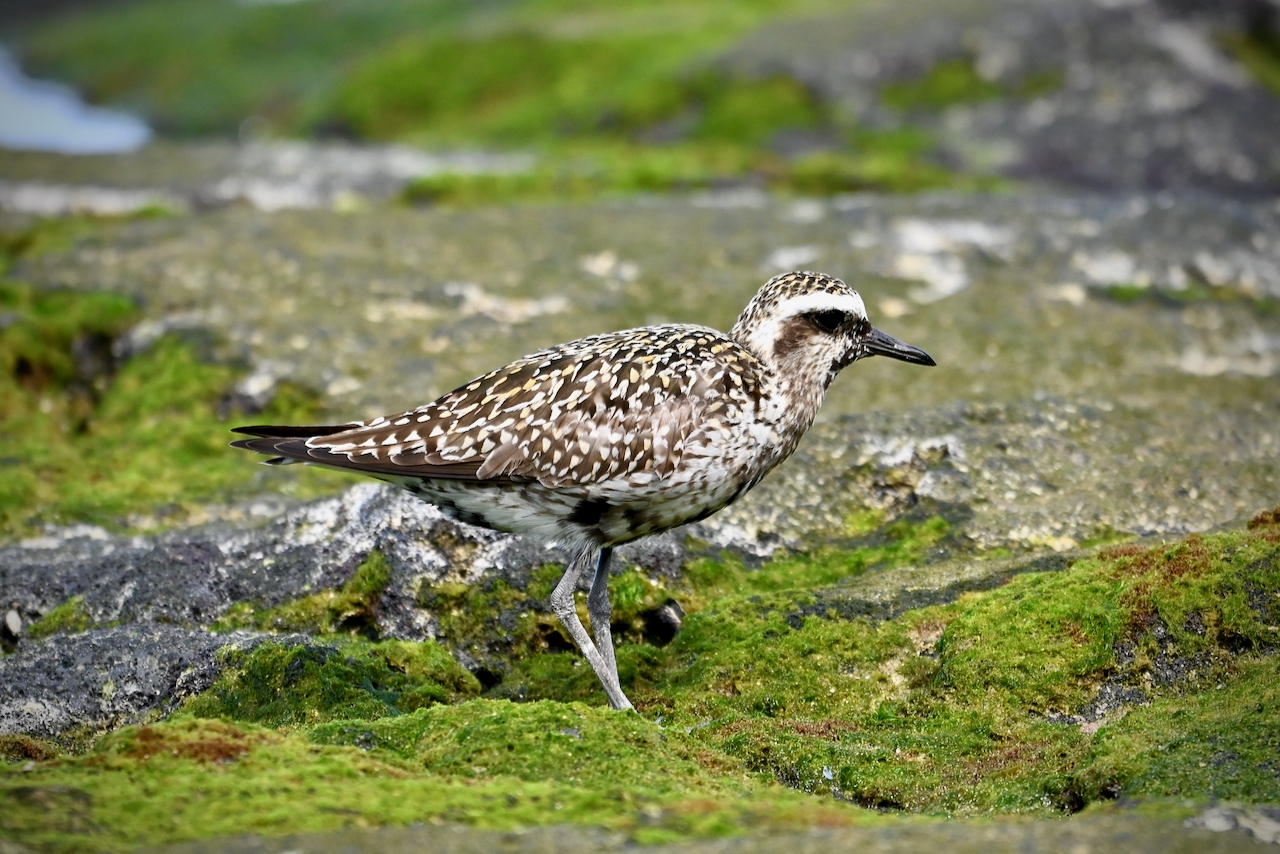
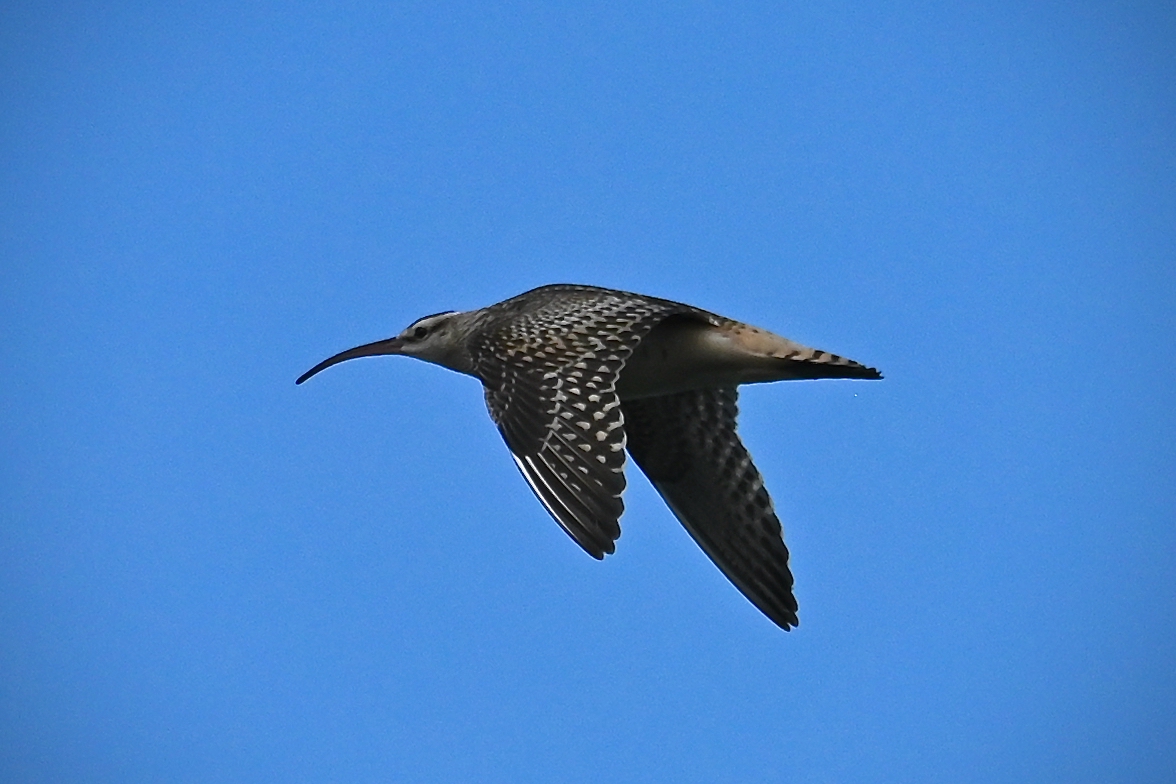
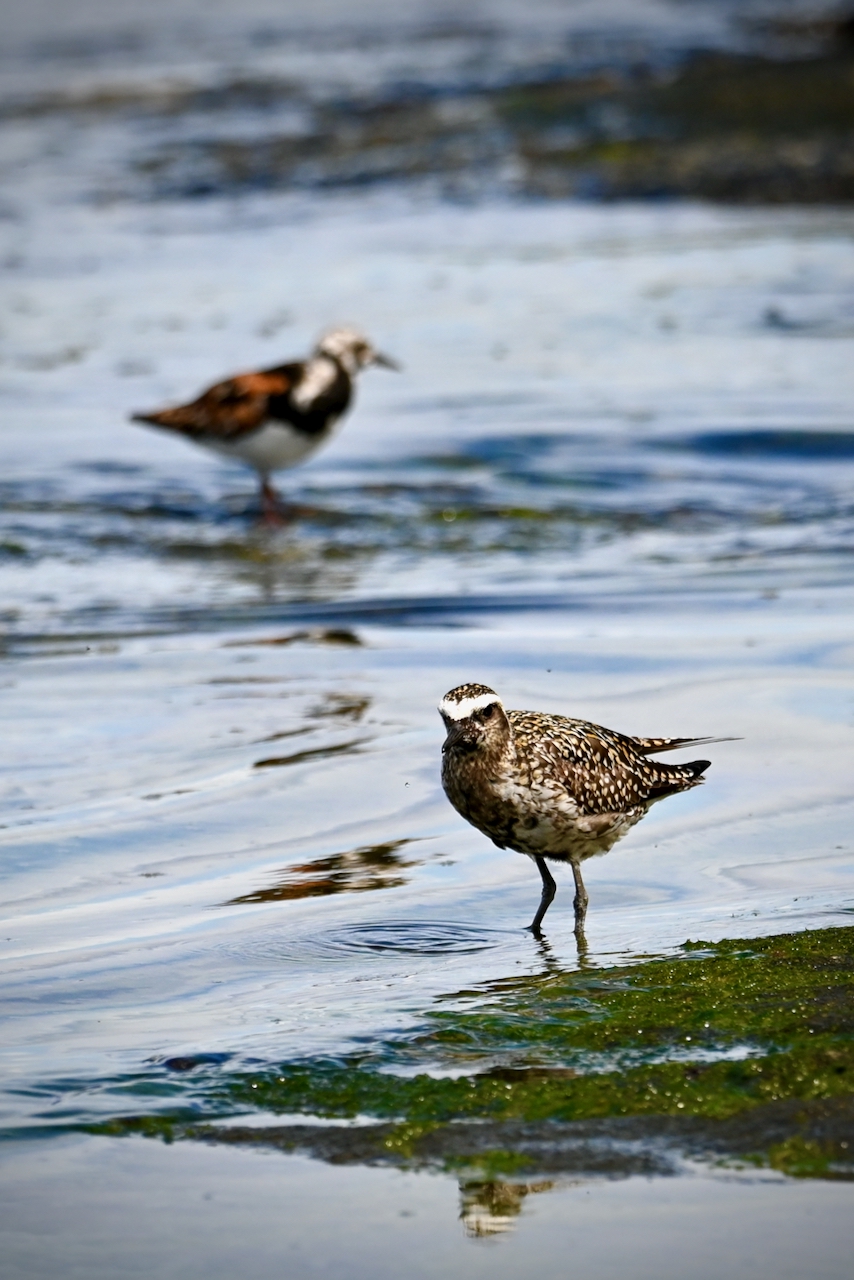
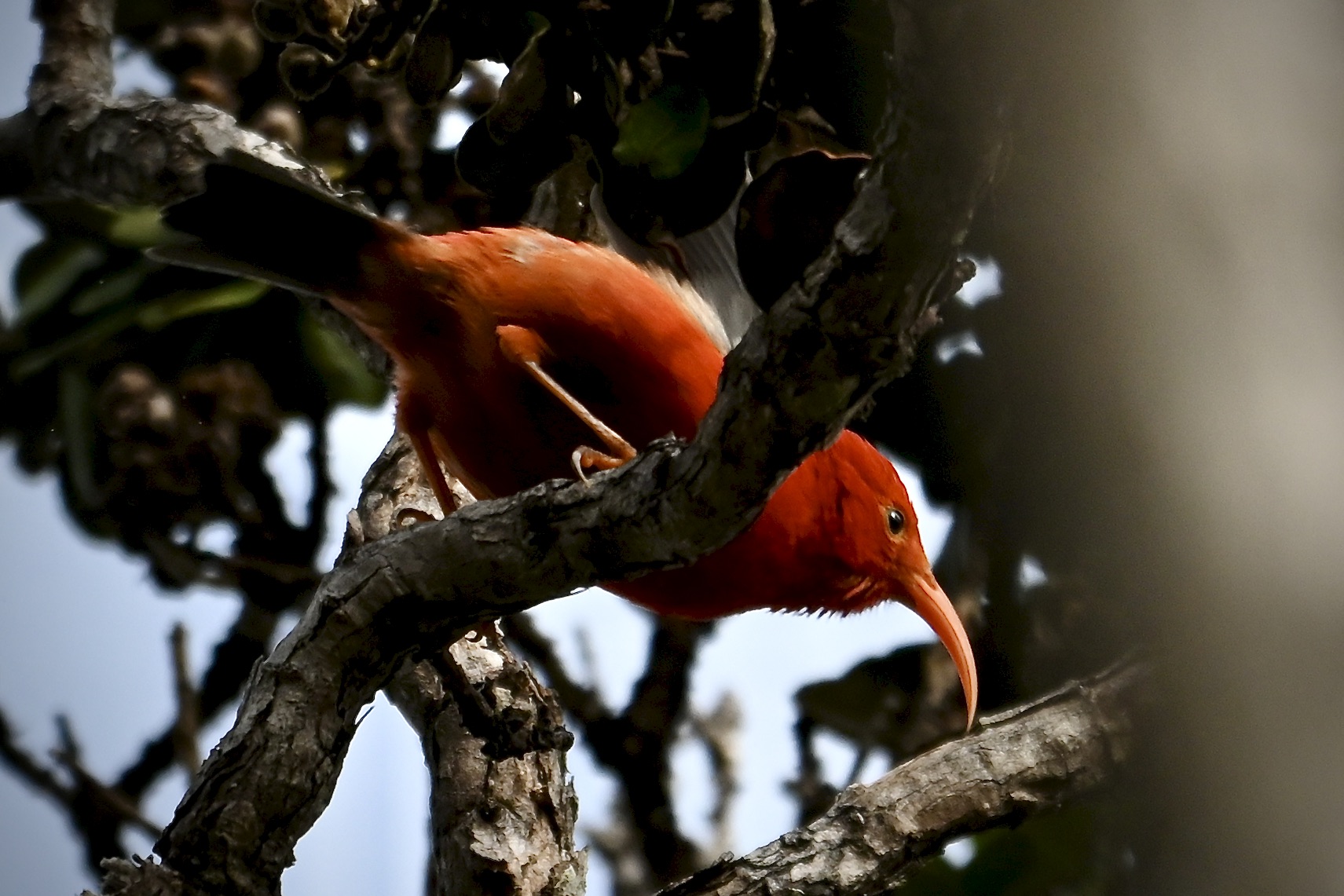
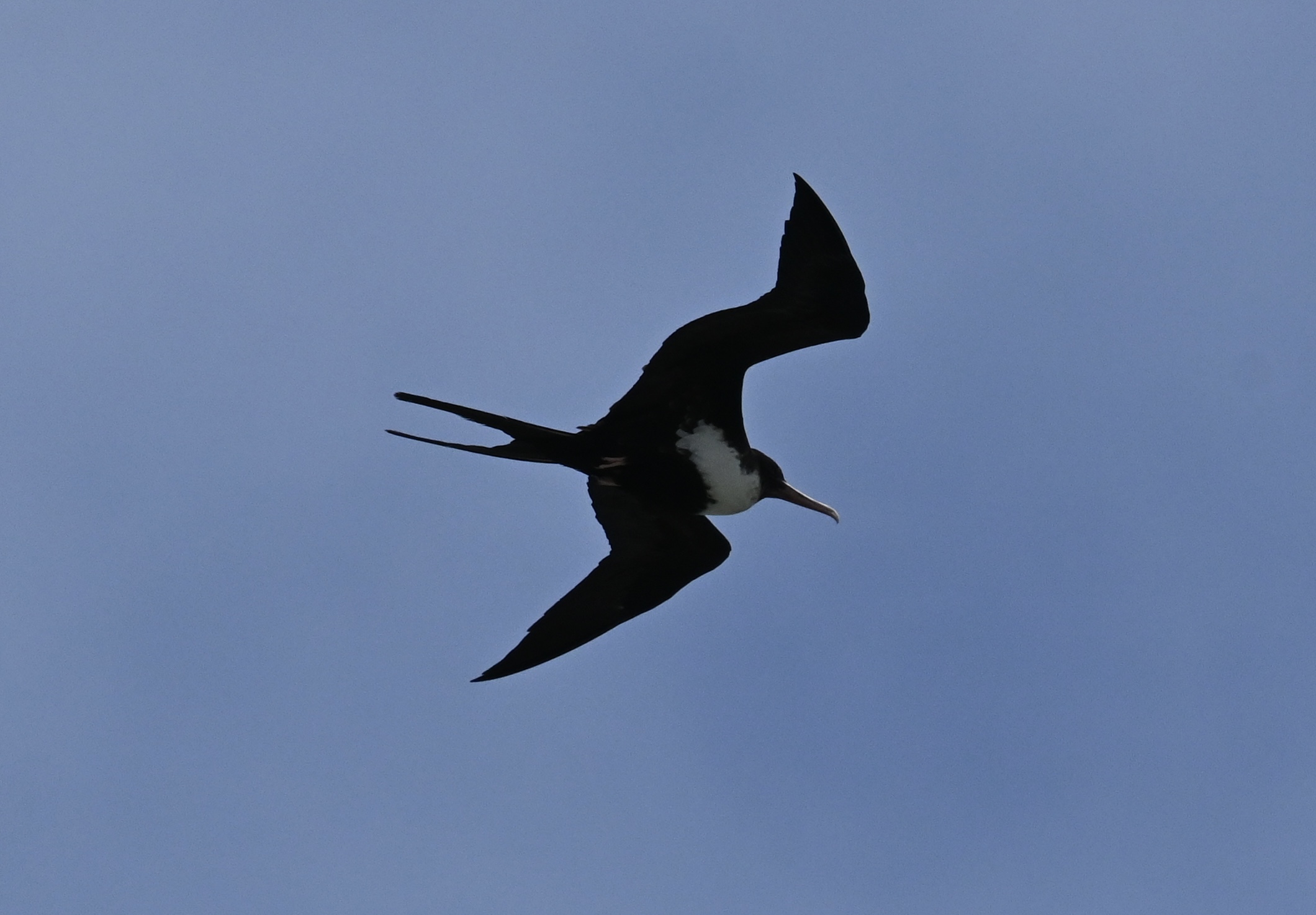
Some of my favorite photos are, of course, in the video, but here they are in a gallery as well.
Life isn’t always easy in the mountain forests. Sometimes it gets really wet and uncomfortable, and while feathers are pretty good at keeping you warm and dry, they’re not perfect. Sit in the rain long enough, and an i’iwi will feel pretty cold and wet.
Worse, though, is when it gets dry, because the trees and the plants rely on water. When there’s been no rain for a good while, they have to save their energy. It’s like when you’ve been running around a lot and need to rest for a while. The way a tree rests, or another kind of plant rests, is to hold off on making flowers or fruit. When there’s more water, then it’s time to bloom.
The birds can mostly cope with that. The ‘elepaio eats bugs, and lots of the bugs eat things other than nectar. The ‘apapane and the ‘amakihi eat lots of nectar, but they can make a good meal from worms and spiders. They miss the nectar, but they can feed themselves.
The i’iwi has a rougher time. They will eat bugs, but they’re built to eat nectar, not bugs, and when the flowers aren’t blooming, they get hungry.
It was dry on the mountain. And the i’iwi were hungry.
As I’ve mentioned, while some i’iwi don’t get along with other birds, some i’iwi get along just fine. So there was a little flock of ‘apapane and ‘amakihi and ‘akepa that were worried about their i’iwi friend, who wasn’t saying much, but she was clearly getting hungrier and hungrier.
“What can we do?” an ‘amakihi asked an ‘apapane, who replied with a bird shrug, because he didn’t know, either.
“What can we do?” an ‘elepaio asked his friend the i’iwi, which was the same question but had the advantage of being asked of the right bird. Unfortunately, she didn’t know either.
“You’ve showed me where you’re finding some bugs to eat, and that’s helped some,” she said, “but I’m afraid I’m not as good at catching them as you. I don’t think you can get me more food any better than that.”
“I still want to help,” said the ‘elepaio, and all the other birds did the same.
“You know how you can help?” said the i’iwi. “Stay right where you ware. Stay close to me. Show me you care.”
“How will that help?” asked the ‘apapane, who had a very practical mind. “You can’t eat that.”
“Perhaps not,” she said, “but when you’ve done all you can to help me eat, I’m glad to have your company. It may not feed my stomach, but it feeds my heart.”
So they perched there together in the same tree. Sometimes one or the other birds would sing, and once the ‘amakihi caught a spider and gave it to the i’iwi, who ate it with a hearty “Mahalo.”
Mostly, though, they sat in friendship, friendship that fed the heart even better than flowers.
by Eric Anderson
Watch the Recorded Story
I write these stories in full ahead of time, but I tell them in worship from memory (and improvisation). The story when you watch it will not match the story when you read it.
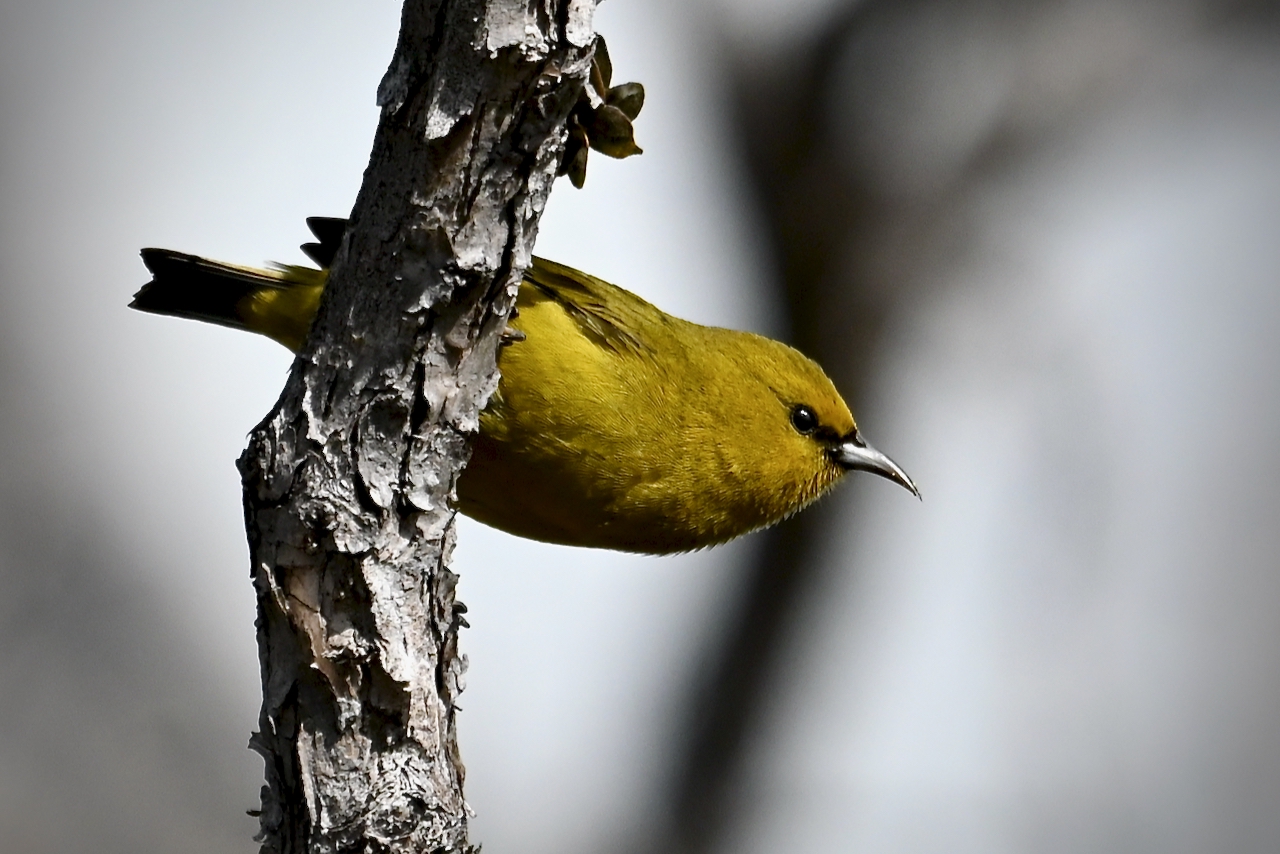
Photo of an i’iwi (who hopefully isn’t hungry) by Eric Anderson.
The ‘iwa, or great frigatebird, has a bad reputation among the seabirds around Hawai’i. ‘Iwa have been known to bully other birds to get them to drop their meals, which the ‘iwa then swoops down to eat. That’s pretty nasty. As a result, a flock of koa’e ula – red-tailed tropicbirds – had decided to have nothing to do with them.
When an ‘iwa flew by, they ignored him. Or her. They veered off to one side or another to keep their distance. When the ‘iwa called out a friendly “Aloha!” they said nothing in return. They called out to one another instead.
Except for one bird.
This koa’e ula decided that until an ‘iwa actually did anything mean, he’d assume that they were as worthy of a friendly “aloha” as any other bird. Seabirds tend to swoop around together a lot, which means that the air is full of “aloha,” which sounds a lot like lots of bird calls to us. A shore with lots of seabirds over it can be a very noisy place.
“Why are you greeting the ‘iwa?” asked his friends. “They’re bullies. They’re mean. They’re never going to give you an aloha.”
“I don’t know about any of that,” said the koa’e ula. “None of the ‘iwa I’ve greeted have done anything to me. Except to say, ‘aloha’ right back.”
Koa’e ula can fly for a long time, but they also like to spend some time resting on the ground, usually on smaller islands offshore from bigger islands like Kauai. There came a day when most of this particular flock was resting from some pretty vigorous flying and fishing. On that day something had happened a long way away that they didn’t know about. It was a big earthquake, and it kicked up the water into an ocean-spanning tsunami. All this was much too far away. The birds had no idea.
Hours later, a series of great waves approached the little island. A few of the koa’e ula were aloft, but they weren’t looking at the water closely. As the first wave came closer, an ‘iwa swooped low over the island, right over the place where the friendly koa’e ula had settled.
“Take off! Fly!” cried the ‘iwa. “There’s a big wave coming! Get into the air!”
“Take off! Fly!” shouted the koa’e ula to those near him, and he opened his wings and leapt into the air. Those near him did the same, and in a few moments the island was empty of birds and the sky was filled with them.
They looked down as the first wave washed over the entire island where they’d been. They were so shocked that they forgot to call “aloha” to one another as they circled. Without the warning of the ‘iwa, they’d have been there when the wave came.
“How did you know?” they started to ask the friendly koa’e kea, the one the ‘iwa had come to warn. “Hod did you know that the ‘iwa would know to warn us?”
“I didn’t know,” said the koa’e kea. “I just knew that everyone deserves an aloha. Everybody deserves aloha.”
As the ‘iwa swooped by with an anxious look to make sure her friend was all right, the koa’e ula called out, “Aloha and mahola nui loa to you!” The ‘iwa looked relieved and called back, “Aloha!” and she soared off once more.
I don’t know what other flocks do – there are ‘iwa and there are koa’e ula all around the world – but I can tell you that there’s been lots more aloha among those birds from that day to this, and long may it stay the same.
by Eric Anderson
Unfortunately, the video recording of worship for September 28, 2025, did not include audio, so there is no recording appended.
The ae’o shouldn’t have had any doubt about the question. But she felt awkward and ungainly, which isn’t unusual when you’ve done a lot of growing in a very short time. She was only about four weeks old, but that was time enough to learn a few things about the world.
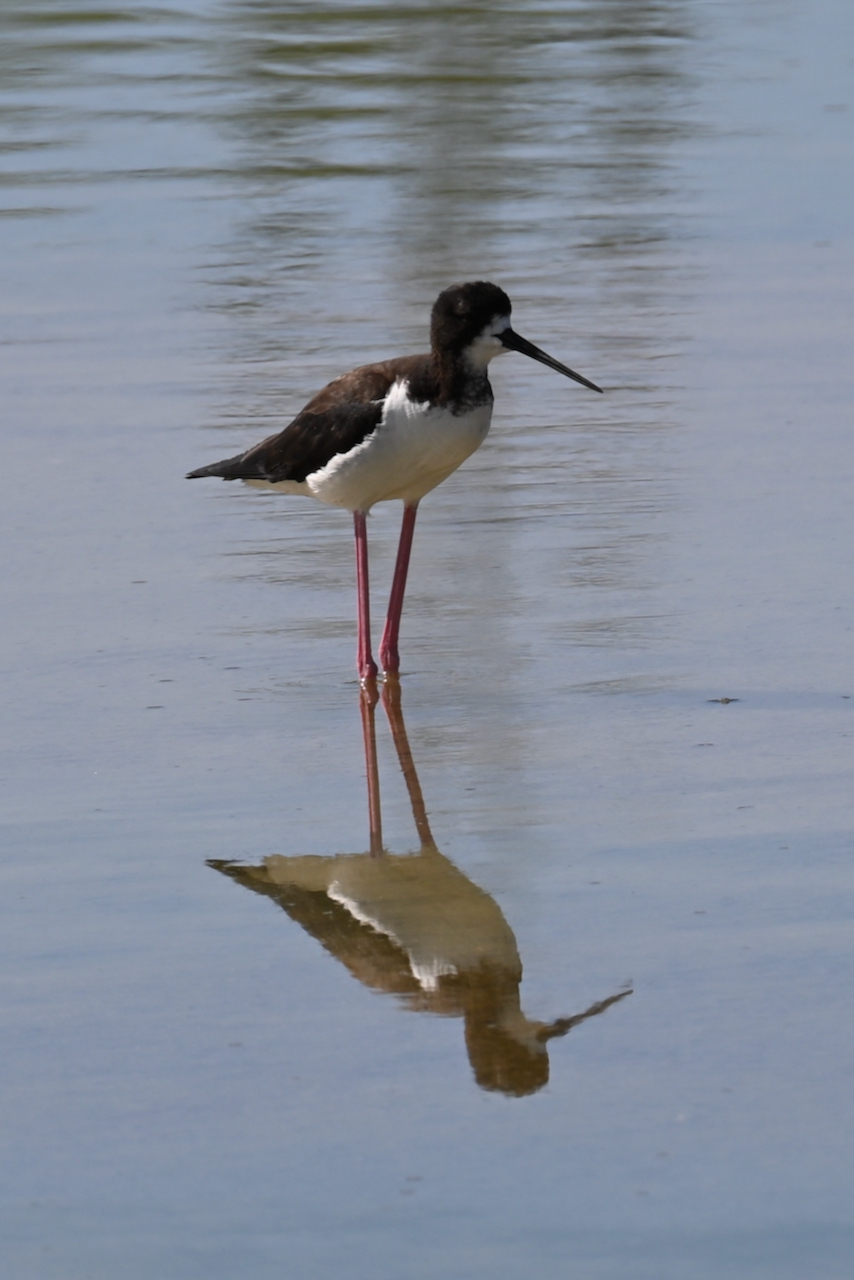
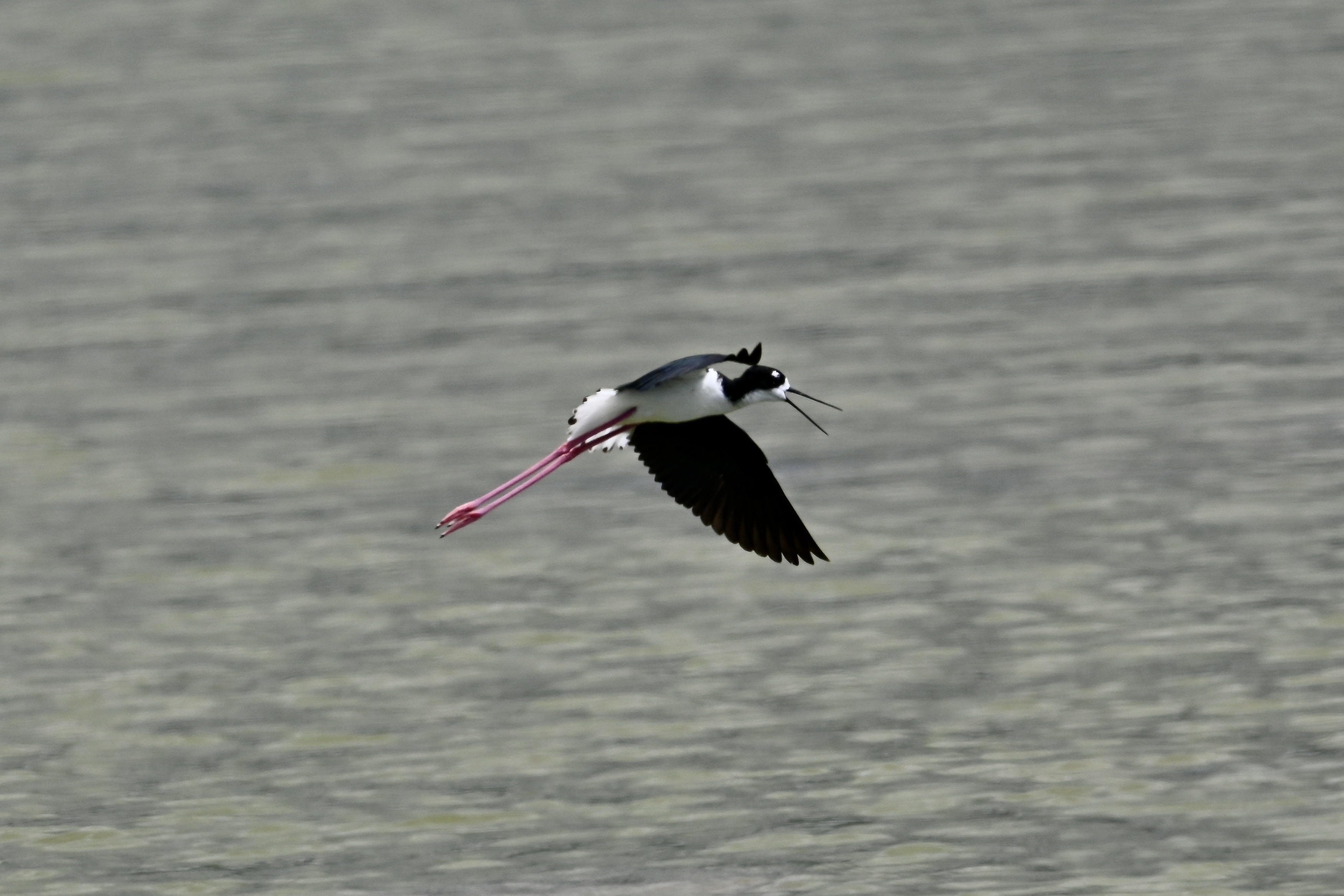
For one thing, she’d learned that she had very long legs as compared to the size of her body. The ae’o, it’s said, has the second longest legs for the size of their body of any bird. That’s a lot of leg, or not a lot of body, depending on how you want to think of it. She’d also learned that those legs were very useful for walking around in the calm waters of a fishpond, and she learned that she could use her long beak to pull food out of the water. She’d learned that in English she was called a “black-necked stilt,” which seemed fair enough, because she had long stilt-like legs and the feathers on her neck were definitely turning black as they changed with her age.
But she’d also learned that other birds were very different. The ‘Alae Ke’oke’o were sort of similar in size, but they had much shorter legs. In fact, they swam across the top of the water. She’d seen kolea and akekeke pecking for bugs and such along the shorelines before they left for Alaska. All of those birds seemed a lot more compact than she did, with her smallish body and long neck and long long legs. She’d watch the kolea wheel about the sky.
And she grew to believe that she could not fly.
I don’t know how she missed the fact that her parents flew quite well. I don’t know how she failed to notice that she, herself, had been taking wing-aided hops for a week. I don’t know how she missed all that. But she did. “I’m not going to be able to fly,” she said sadly one day, thinking that nobody was there to hear her.
“Really?” said a voice. “Why not?”
When she looked over, she saw another bird’s face with a long beak looking at her. It was a cattle egret, one of the many who liked the area of her fishpond.
“Just look at me,” she said. “Look at these long legs. Look at this long neck. Look at these wings. They can’t possibly get me off the ground and into the sky.”
The cattle egret looked her over carefully and said, “I’ve got long legs.”
She took a good look and realized that he did. “And I’ve got a long neck,” he continued.
“So you do,” she said.
“And have you noticed?” he asked. “I can fly.” And to prove it, he took to the air and flew twice around the fishpond before he landed near her again.
“I can’t be sure, but I think you can fly,” he said. “Have you tried?”
She didn’t bother to say, “No,” because they both knew she hadn’t. She didn’t say anything at all, in fact, but she did spread her wings. She looked at him sharply to make sure he wasn’t teasing her, but there was no trace of laughter in his face.
She took off. She flew.
She took three turns around the fishpond – she’d meant to do the same two turns he had, but she miscalculated the landing and had to come back and try it again.
“I can fly!” she said.
“You can,” he said. “I’m glad you tried. And I’m glad you fly.”
by Eric Anderson
Watch the Recorded Story
I write these stories in advance, but I tell them from a combination of memory, improvisation, and of course in conversation with the young people I tell them to.
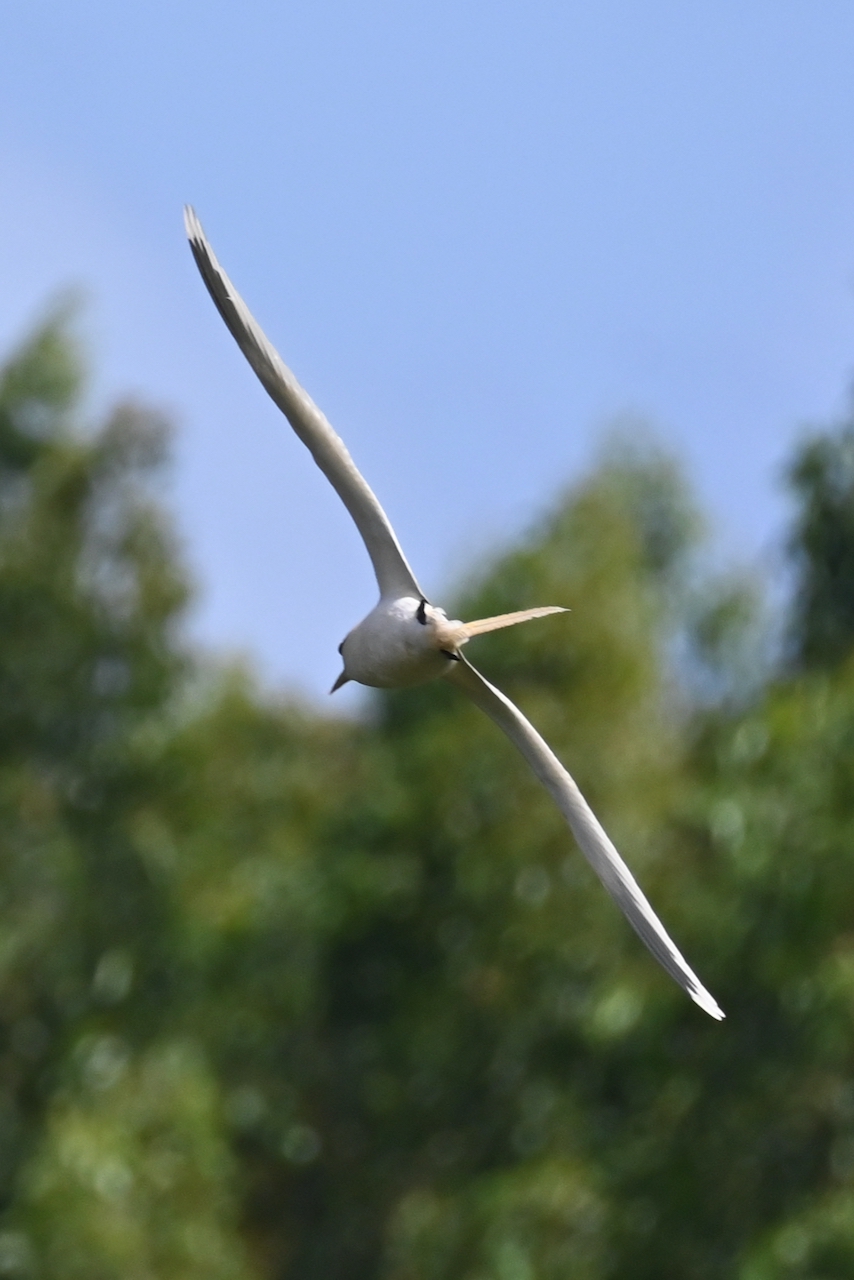
Photo of an Ae’o (Hawaiian Black-necked Stilt) in flight by Eric Anderson.
She wasn’t vain, though she might have been. Her feathers ranged from deep black with white accents to the fiery orange-red that complimented her long curved beak. In short, she was an i’iwi, and those are feathers any bird would wear with pride.
Some birds are vain, and those birds might settle and resettle their feathers with their beak or their feet. They might avoid rainfall that would slick their feathers across their body, which can end up looking pretty sad and messy. Wet red feathers might look shiny and glossy, but they might also look dull and out of place. There are birds who would worry about that.
She wasn’t one of them. She kept herself neat because feathers in their places are more comfortable. She liked to greet other birds with some sense that she’d respected them by looking good. No, she wasn’t vain. But.
She didn’t like getting wet. She didn’t like it much at all.
Wet feathers might be glossy or they might be dull, but mostly she thought they were chilly and cold. And, well, wet. She didn’t like the sensation of drops pooling along her skin. Feathers are pretty good at shedding water, but they’re not as good as an umbrella or a raincoat. Eventually the rain seeps in, and she just didn’t like it.
“Yuck,” she said during one rainstorm. “I hate rain.”
A friend heard her complaint, which she’d made many times before. “You always say that,” he replied.
“I always hate rain,” she said. “Always.”
“Well, if you always hate rain,” said her friend, “have you ever thought of finding shelter?”
As it happens, she’d tried it. She’d tried trees with thick canopies of leaves. The rain got through. She’d tried gaps in the branches. They let water in, too. The saddest failure had been when she found a lava tube and settled there. To her horror, the rain poured in through the opening and flooded floor. Water rising from below, she thought, wasn’t any better than coming down from above. She told her friend so.
“Well, you can fly. Fly someplace without rain,” he told her, rather annoyed.
“All right. I will,” she said, and flew out into the rain.
Fortunately for her, she flew west across the center of the island toward Kona. I’m afraid she’d have found more rain, not less, here on the Hilo side. Sure enough, she found herself flying out from under the clouds as they exhausted their rain upon the slopes of Mauna Loa and Mauna Kea. Soon she flew over the sunny grasslands west of the mountains.
And she saw nothing to eat.
She flew back and forth, looking for ohi’a or mamane trees, and while she saw one or two, she certainly didn’t see a forest. It took a while for her to realize the truth: the trees she relied on relied in turn on rain. They needed the water that annoyed her, in order to provide her with the nectar that she needed.
Hungry, she turned back toward home, flying back beneath the clouds still shedding their rain. Back on the branch with her friend, she began sipping nectar from the damp flowers, with raindrops speckling her feathers.
“You’re back,” said her friend. “Didn’t you find sunshine?”
“I did,” she said, “but it turns out that rain isn’t so bad. At least the trees think so, and,” she paused to take another sip, “if they think so, I do, too.”
by Eric Anderson
Watch the Recorded Stories
I write these stories in full in advance, but I tell them from memory plus improvisation. What you have just read will not match the way I told it on Sunday.
As I’ve said before, the ‘amakihi likes to eat lots of different things. I think it’s fair to say that the ‘amakihi likes to eat, and fortunately for the ‘amakihi, it has a wide range to its taste. Nectar is always good, and so are bugs and spiders, caterpillars, tree sap, fruits and berries. It will even eat pollen sometimes, which people with pollen allergies will find truly mysterious and a little uncomfortable.
But there was one ‘amakihi who didn’t eat nectar from ohi’a trees.
If that seems weird to you, it seems weird to me, too. There are a lot of ohi’a trees on the mountain slopes, and they have a lot of flowers. It’s a great food source for ‘amakihi and ‘apapane and ‘akepa and lots of birds up there. They’d happily perch near those flower clusters and merrily feed on the nectar while this one ‘amakihi watched.
He watched, and he felt sorry for them.
“Poor birds,” he told himself, “to be so desperately hungry that they’ll feed on ohi’a. I feel really sorry for them.”
Why, you ask, did he feel sorry for them, eating ohi’a nectar? Well, I’m afraid it’s because one day when he was young, and before he’d actually sampled any ohi’a nectar, he perched near an i’iwi. I’iwi can be kind of mean sometimes, and they will chase ‘amakihi away from a tree they want to feed at. This i’iwi, however, was feeling rather full and didn’t want to get up off his perch and chase this young ‘amakihi away. He decided to try words instead.
“Planning to feed at this tree?” he asked the young ‘amakihi.
“Oh, yes, uncle,” said the ‘amakihi. I’m afraid the i’iwi wasn’t happy to be called “uncle” by an ‘amakihi.
“You should search somewhere else if you want something good,” said the i’iwi. “This is a bad tree.”
“Ohi’a is bad?” said the young ‘amakihi.
“I’m afraid so,” said the i’iwi. “The nectar is sour, except when it’s bitter. When it gets old, it’s really bad. It will keep a bird going, of course, but nobody eats ohi’a nectar until they’re desperate.”
“Really?” said the ‘amakihi.
“Really,” said the i’iwi. “You can trust me. Go find something else you’ll like better. I’m sure it will be better for you, too.”
Misled by the i’iwi, the ‘amakihi avoided ohi’a from that day on. Eventually his mother noticed, and he told her the story.
“So one i’iwi told you this story, and you never checked it with anyone else, or tried ohi’a yourself?” she asked him in surprise, “even when so many other birds eat its nectar every day without signs of complaint?” Put that way, it did sound a little odd.
“Come along, son,” said Mother firmly. “You need to try what you’ve been avoiding, and see what you think yourself.”
Of course he found it delicious, which was a good thing to learn. But he also learned that some birds, and some people out there, will lie to you when it serves them, and sometimes you need to test their stories with the ones who love you and with your own experience, to learn the truth.
by Eric Anderson
Watch the Recorded Story
I write these stories ahead of time, then tell them from memory – well, lack of memory plus improvisation. The video does not match the text you’ve just read.
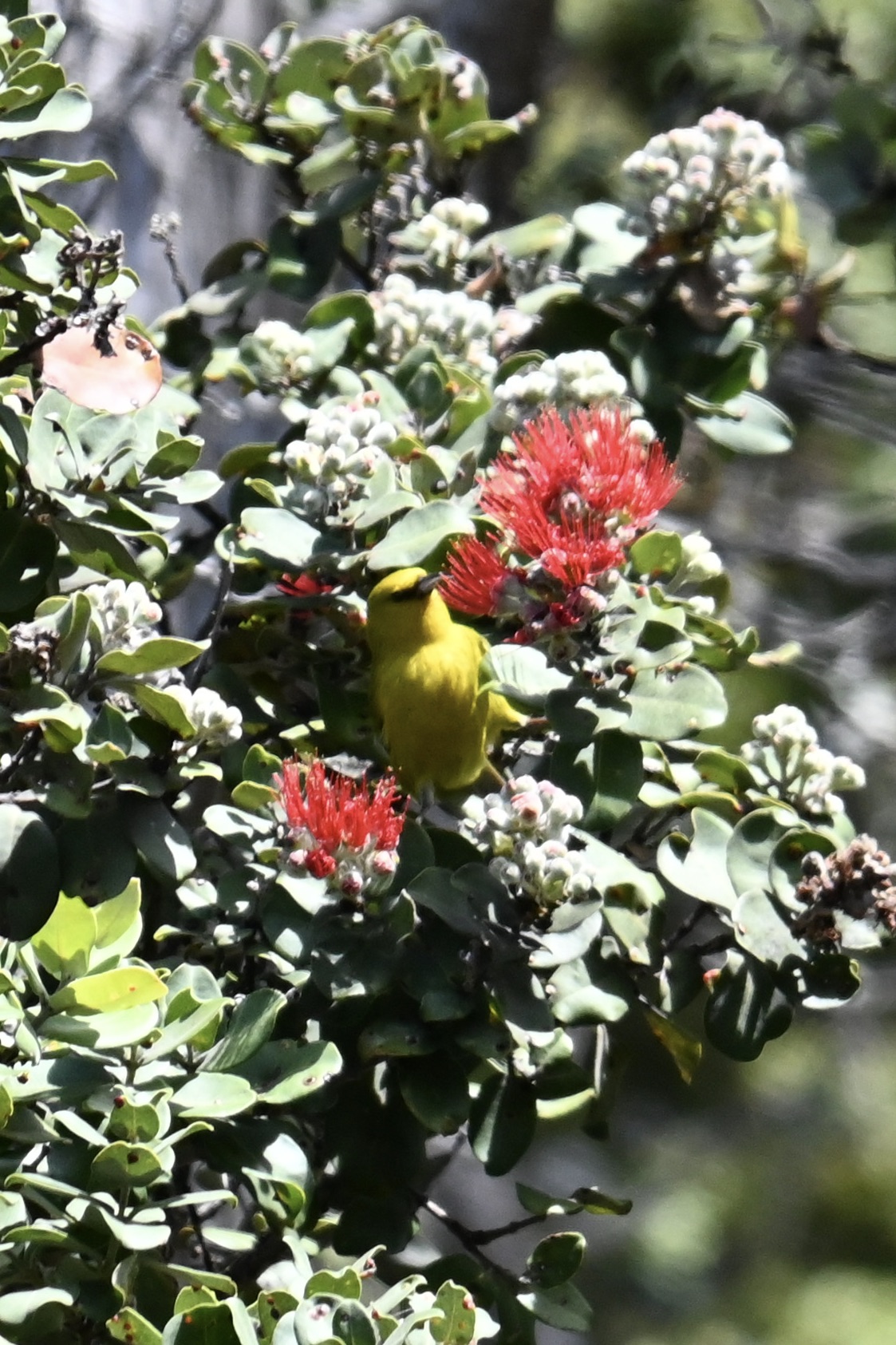
Photo of an ‘amakihi in the midst of ohi’a blossoms by Eric Anderson.
The i’iwi eats nectar. Human beings tend to complain about a diet that is mostly liquid, but we might complain less if it was mostly nectar. I’iwi don’t complain about it. Their long curved bill works really well for getting nectar from flowers that other birds like the ‘apapane can’t reach.
I’iwi have a neat trick for feeding from some flowers which open down. One will hang below the flower and poke its beak up into the nectar reservoir. There are other birds on the island that do this, but the i’iwi do it most often.
One young i’iwi came to believe that, because this was a hard-won skill, she had to use it all the time. On every flower. Whether they opened downward or upward.
Believe it or not, it sort of worked. It worked very well on those downward flowers, of course. That’s why i’iwi developed that technique.
It worked on sideways facing flowers, though it was more of a strain to get her neck into the right position. She kept at it, though. If she was going to do something, she’d do it right. And as with many things, constant practice meant that she did, indeed, get better and better.
It was more of a struggle, though, with flowers that opened upward. A lot of ohi’a blossoms, for example, open upward, and i’iwi sip a lot of ohi’a nectar. Still, ohi’a is a pretty open flower, without a lot of petals to get in the way. She managed.
Then there were the flowers with upward petals and, well, those didn’t go well at all.
Her mother came for a visit one day as she was flitting about from tree to tree. She didn’t say anything when she hung upside down for downward facing flowers. She didn’t say anything when she reached up for sideways flowers. She opened her beak but didn’t say anything about the ohi’a flowers she sipped from beneath.
But when she tried to get at a big hibiscus blossom from underneath, she said, “What are you doing?”
“I’m eating,” said her daughter.
“No you’re not. You can’t get at the nectar in that flower from down there.”
“Sure I can. It’s just a matter of technique.”
Mother watched daughter struggle to get her curved beak around the petals and to the nectar at the flower’s center. Eventually the younger bird, with a glance at her mother, perched just above and to the side and took a good long sip.
“You don’t always need to come at things from underneath,” said mother.
“Isn’t that the i’iwi way?” asked her daughter.
“The i’iwi way is to fly, eat, deal with the neighbors, get a good sleep each night, and be the most stylish birds on the mountain,” said her mother. “Nothing says you have to do something the hard way all the time.
“Sometimes things are simple. Sometimes they’re not. Doing simple things in a complicated way doesn’t get you fed, or flying, or sleeping. Doing complicated things in a simple way doesn’t get any of those things done either.
“When it’s simple, do it simply, daughter. Save the complicated techniques for when it’s hard.”
by Eric Anderson
Watch the Recorded Story
I write these stories ahead of time, and tell them from memory – which means that I improvise at the same time.
“I lift my eyes unto the hills
from whence comes my help…”
Did Isaiah read those words
when he looked upon Mount Zion
envisioning a peace so great
it changed the natural world?
Did the ragged stones still linger
from the decades-old destruction
of Solomon’s Temple, David’s city?
Or had the walls begun to rise?
Did they crown the mountain’s peak,
bathed with Ezra’s tears?
Did the lions prowl
the fallen stones of yesteryear,
was Zion’s limestone face
turned to the azure sky?
Did grasses wave, or cedar planks
rise from the sacred mount?
For both these worlds exist
in company within the prophet’s words:
the temple shaped by nature,
and the temple raised by people.
Which was, I wonder now, the vision,
and which the visioner’s reality?
A poem/prayer based on Isaiah 65:17-25, the Season of Creation Hebrew Bible reading for Year B, Mountain Sunday. The opening quote is from Psalm 121.
Photo (of Mauna Kea, not Mount Zion) by Eric Anderson.















 ordainedgeek