February 8, 2026
Isaiah 58:1-12
Matthew 5:13-20
Salt is a funny thing. Your body, my body, pretty much every body of every person and every creature needs some salt. Without salt, we get sick. On the other hand, if we have too much salt, we also get sick. Not too much, not too little. That’s the way to do it.
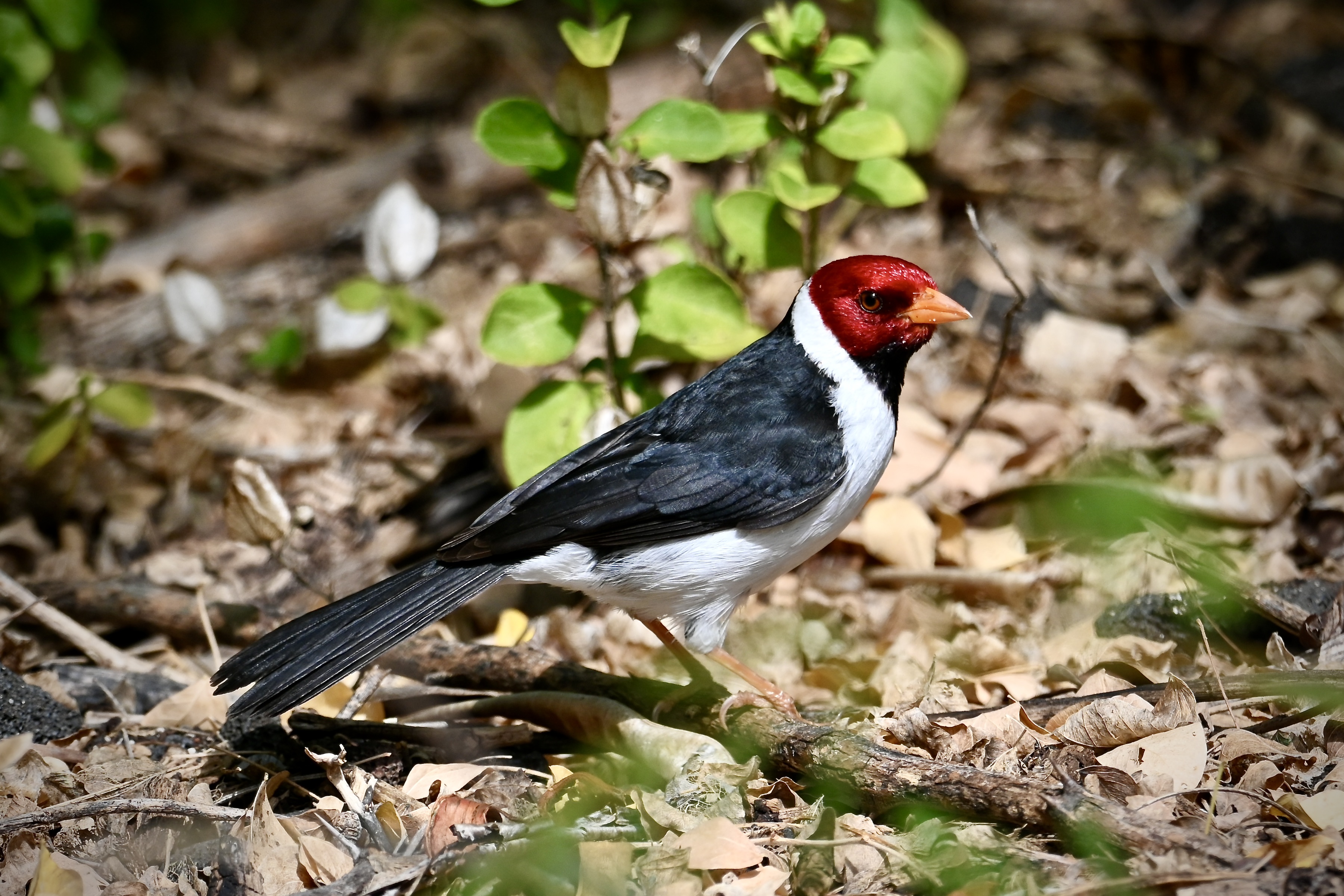
Most of the birds, including yellow-billed cardinals, manage to get the right amount of salt just by what they eat. Seeds have a little salt. So do berries. But every once in a while things don’t go the same way, and one yellow-billed cardinal found himself feeling hungry in a very odd way.
He was hungry for salt.
Personally, I’m rarely hungry for salt itself. I’m not likely to go find a salt shaker and sprinkle some on my tongue. I mean, yuck. Put salt on fried potatoes, though, or popcorn, or…
Well. Let’s just say I’ll eat those up.
Nobody was going to make popcorn or French fries for a yellow-billed cardinal, especially one who couldn’t cook. He hopped around the shore looking for salt, and although there was plenty of it in the ocean, he wasn’t about to drink salt water. He already knew from painful experience that he’d get sick from that.
To his amazement, as he looked, he saw white crystals glistening on the rocks, and even on some of the leaves of the bushes. He thought at first it might be salt left by ocean spray, but it was too far from the breaking waves. Regardless, he pecked a couple of those crystals, and felt much better, even if he did feel pretty thirsty from it.
He didn’t know where it came from, but from time to time when he got hungry for salt again, it was there.
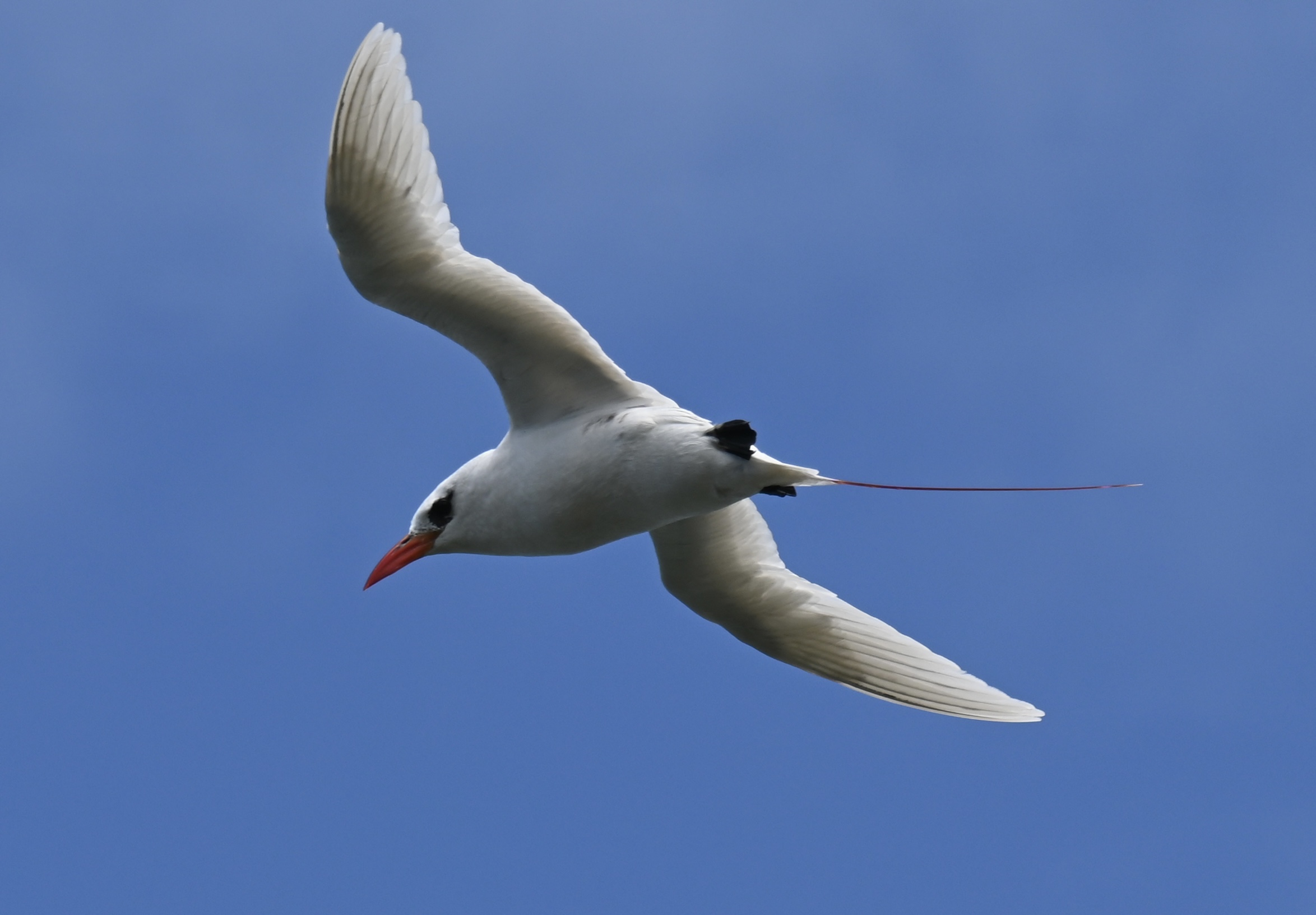
In the meantime, overhead flew the koa’e ‘ula, who spend much of their time far out to sea where there’s too much salt in the water and, for that matter, in the fish that they eat. One of them, in fact, had just had a good long drink of sea water with more salt in it than was good for her.
Unlike the yellow-billed cardinal on the shore below, she could take in more salt because her body could get rid of the excess. Something like tears, salt crystals formed along her beak and sprinkled down on the ground below, where a salt-hungry bird might pick them up.
Neither the koa’e ‘ula nor the yellow-billed cardinal knew anything about the other. Neither of them thought much about it, in fact, but one of them was doing something really important for the other, and didn’t know it.
The same is true of us. Jesus called us the salt of the earth, and he meant that we help other people live and thrive. Sometimes we know we’re doing it, but sometimes we don’t. Just like the koa’e ‘ula, we do ordinary things in our ordinary lives, and someone else lives better because of it.
May we always be the salt of the earth.
by Eric Anderson
Watch the Recorded Story
I write these stories ahead of time, but I tell them from a combination of memory and improvisation. As a result, the story as I wrote it does not match the story as I told it.
Photos of a yellow-billed cardinal and a koa’e ‘ula by Eric Anderson.

 ordainedgeek