“[Jesus said,] ‘But woe to you who are rich, for you have received your consolation.'” – Luke 6:24
What’s new, Beatitudes? Woe, woe, woe!
OK, Jesus. I’ll get serious with you, since you’ve got serious with me. I’m hardly rich, you know (except by global standards). I’m hardly full, except when I’ve scraped bare my dinner plate. Nor do I laugh, except, of course at my own jokes (a punster’s lot). And people don’t speak well of me, or, well, I guess they do. From time to time.
What’s new, Beatitudes? Woe, woe, woe!
I’d claim I do not need this list of warnings if I could maintain the case that I would honor them without them. And… as I’m relatively rich, and definitely full, and able to make merry, granted honor that is probably beyond my worth, it looks as if I haven’t taken heed of warnings you have made.
What’s new, Beatitudes? Woe, woe, woe!
Well, bring them on, these challenges to what I’ve done and do. Charge me once again to love my enemies and pray for them, to do them good and not bring harm. I’ll note they do not do the same for me. I’d rather not be struck upon the cheek, but if it comes, I’ll not strike back. I’ll turn the other way, and wait, and hope my tears dissuade a second blow.
A poem/prayer based on Luke 6:20-31, the Revised Common Lectionary Gospel Reading for Year C, All Saints Day.
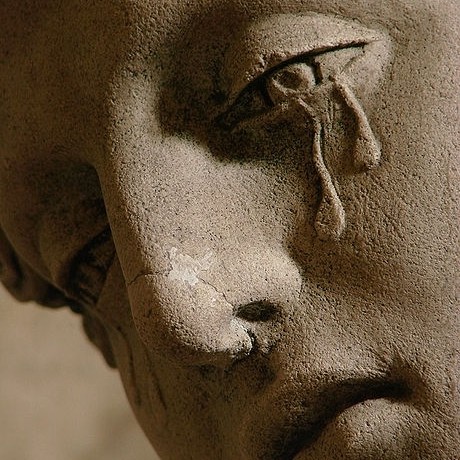
The image is a detail of the figure of Mary Magdalene in the sculpture The Entombment of Christ in the Church of St. Martin, Arc-en-Barrois, France. Photo by User:Vassil – File:Sépulcre_Arc-en-Barrois_111008_12.jpg, CC BY 3.0, https://commons.wikimedia.org/w/index.php?curid=16942922.
“[Jesus said,] ‘Sell your possessions and give alms. Make purses for yourselves that do not wear out, an unfailing treasure in heaven, where no thief comes near and no moth destroys. For where your treasure is, there your heart will be also.'” – Luke 12:33-34
Jesus, I am not a wealthy man… by some standards. Were I to leave my work, I’d quickly run through savings, have no home, sell the things I use to give me joy – the instruments, the cameras, the things that prompt my memory.
By other standards, I have wealth beyond imagination. I do not know where my next meal will come from, but I know that it will come. I know that if a wave arises or a lava river flows, I’ll have a place where I am safe.
My wealth be great or small, I must confess, it still is mine. In honesty, I’d sooner heed Isaiah’s words: do good, seek justice, rescue the oppressed, defend the orphan, raise my voice in favor of the widow. But.
You, Jesus, raised the bar. The tithes has turned to everything: my ukulele, photographs; my work time and my leisure, what I think and write and speak and make. For you demand all these be yours, be God’s, be holy gift.
So Jesus, I confess that though I give you much, it is not all. I may give alms; I may give time; I’ve taken on the role of the religious, but: it is not all. It is not all.
Dear Jesus, please accept my offerings, my alms of treasure and of time, of sweat and contemplation. Take the portion of my heart that unreservedly I give to you. And forgive the heart, and treasure, which I still keep for myself.
A poem/prayer based on Luke 12:32-40, the Revised Common Lectionary Gospel Reading for Year C, Proper 14 (19).
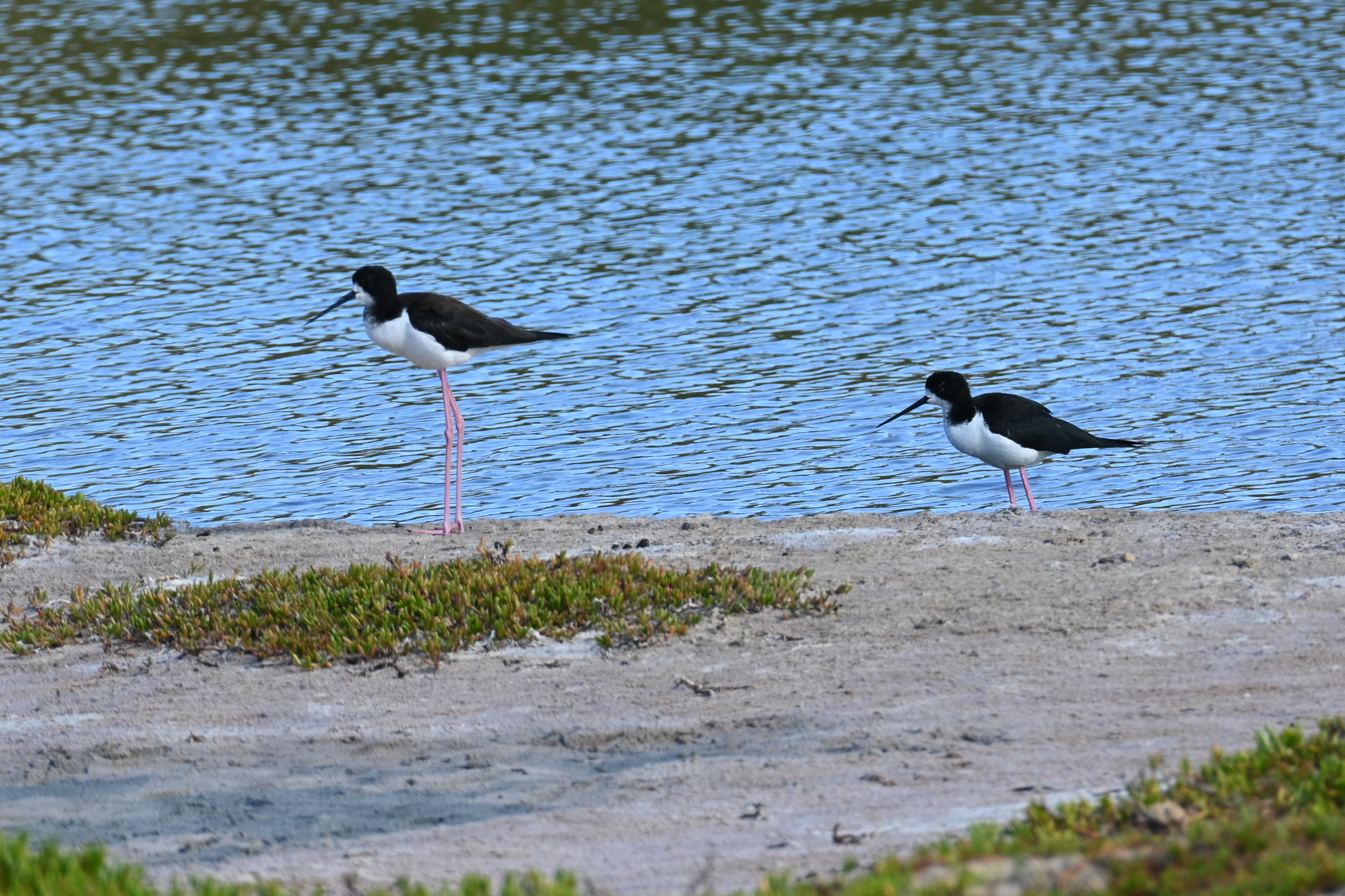
How would an ae’o (that’s a black-necked stilt in English) even think about getting rich? You might be wondering, and I would be wondering, too. This particular ae’o had been listening to some human beings who were visiting the Hawaiian shoreline near where she hunted for shrimp and bugs in an old fishpond. The people had been talking about how wealthy they were and how glad they were to be rich.
I’m afraid a lot of it was pure foolishness, and some of it was pure hard-heartedness, because they talked about how they paid their workers as little as possible and bought things for low unfair prices and sold things for high unfair prices. Frankly, most of that went over the ae’o’s head, despite how long her neck and her bright pink legs were. Still, the humans seemed pleased about it, so she determined to get rich.
“How would an ae’o get rich?” she wondered.
She wondered about it as she and her husband prepared a nest. An ae’o nest is pretty simple. They make a hollow in the ground, then line it with grasses and even some of their downier feathers. As they were working, she noticed something bright on the ground. It was a white pebble.
“I know how to be rich!” she said. “I’ll line our nest with bright things.”
Her husband had no idea what to make of that, and even less when she flew out and around and returned with odd things that didn’t make much sense in an ae’o nest. She found more pebbles, which poked at you when sitting on the nest. She found plastic bottle lids, which weren’t any more comfortable than the pebbles. She brought in crushed soda cans that someone had carelessly dropped somewhere, which took up a lot of room, and she brought in bits of discarded paper with the shiny photos of visitor brochures.
“Why are you doing this?” asked her husband. “To get rich,” she told him, and had no better answer.
It was her grandmother, of course, who came by at last to take a look at the bright and shining nest. She was settled uncomfortably into it, wedged in by cans and bottles and avoiding the sharp bits of glass that a sensible bird would have left where they were.
“You call this being rich?” said tutu ae’o.
“Of course,” she replied.
“It looks more like this nest is demanding more of you than it’s giving you in return. It’s supposed to protect your eggs. Is it doing that?”
Indeed, the eggs were going to have a hard time finding space amidst all the hard and sharp surfaces in the nest. Even our rich ae’o had to admit that.
“This isn’t how an ae’o gets rich anyway,” said tutu. “We get rich with family. We get rich with sunshine. We get rich with a big school of shrimp. We get rich with the things the world gives us, things that are never ours, but which we enjoy when they come.
“Give up this empty nest, granddaughter,” she said. “Come lay your eggs someplace comfortable and safe. Then you’ll be rich with a new generation.”
Without a word, the ae’o stood up and walked off to build a new nest with her husband. She never looked back. She looked ahead to being rich in love.
by Eric Anderson
Watch the Recorded Story
I write these stories in full ahead of time, but I tell them from memory plus improvisation. As a result, what you just read does not precisely match the way I told it in the video.
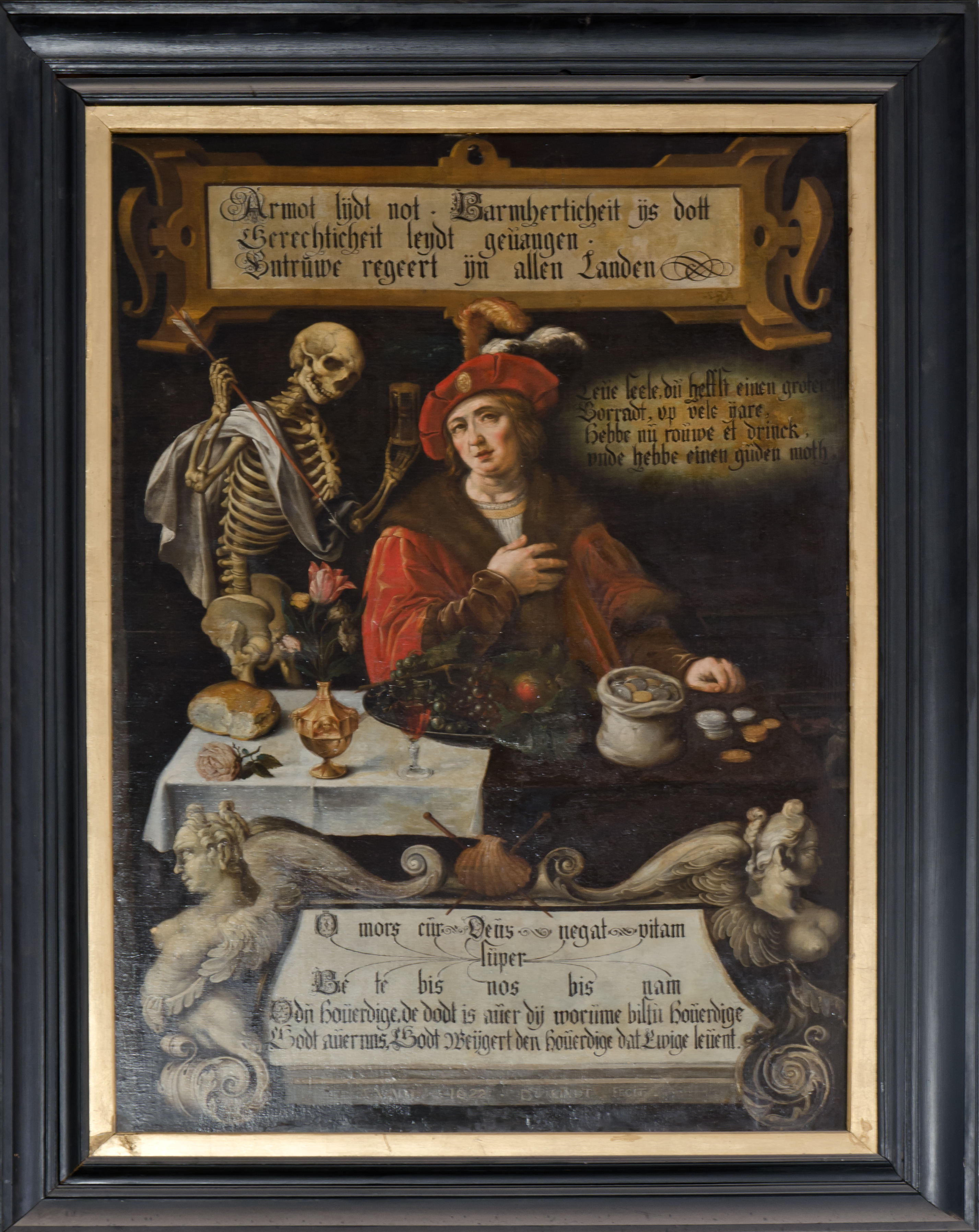
It hardly seems fair to call him a fool. Call him a practical man, call him far-seeing, call him descendant of Joseph, I say.
What did he do when faced with a surplus? He saved! Did the thing I’ve been told since a lad I’m to do with the coins that remain. When the rainy days comes, I’ve been told, they’ll be there.
In Egypt, the dreams of a monarch warned Joseph, “Prepare when it’s fruitful for days when it’s not.” And so I’ve been taught (if not followed so well), and so I have urged when it’s my turn to tell.
What’s wrong the rich man? Why was he a fool? He followed the ancient advice to the letter: Built barns that would hold all a good year produced; saved grain for the needs a bad year would demand.
Is that what he did? No, he said, “I’ll make merry with all of my goods in my barns and my hand. I might give a pink slip to all of my workers. They’ve done all I want, and I want to be done.”
Whose will the grain be? And whose all the wealth when the soul and the body divorce in the night? Not his. He has gone where the soul is the seed, and gold is the spirit which he had ignored.
How easy, how likely, to play such a fool, to mistake greed for prudence and pride for precaution. How often, I wonder, have I played the fool, for much lesser riches
And hubris as great? You know, Storyteller, and though you disclaim it, I know that you judge with a knowledge I lack. Though I’ve no grain for barns,
And no fruit for freezers, I’ll spend what I have for the people around me: a poem, a song, or even a sermon. May God bless these gifts. May God bless us all.
A poem/prayer based on Luke 12:13-21, the Revised Common Lectionary Gospel Reading for Year C, Proper 13 (18).
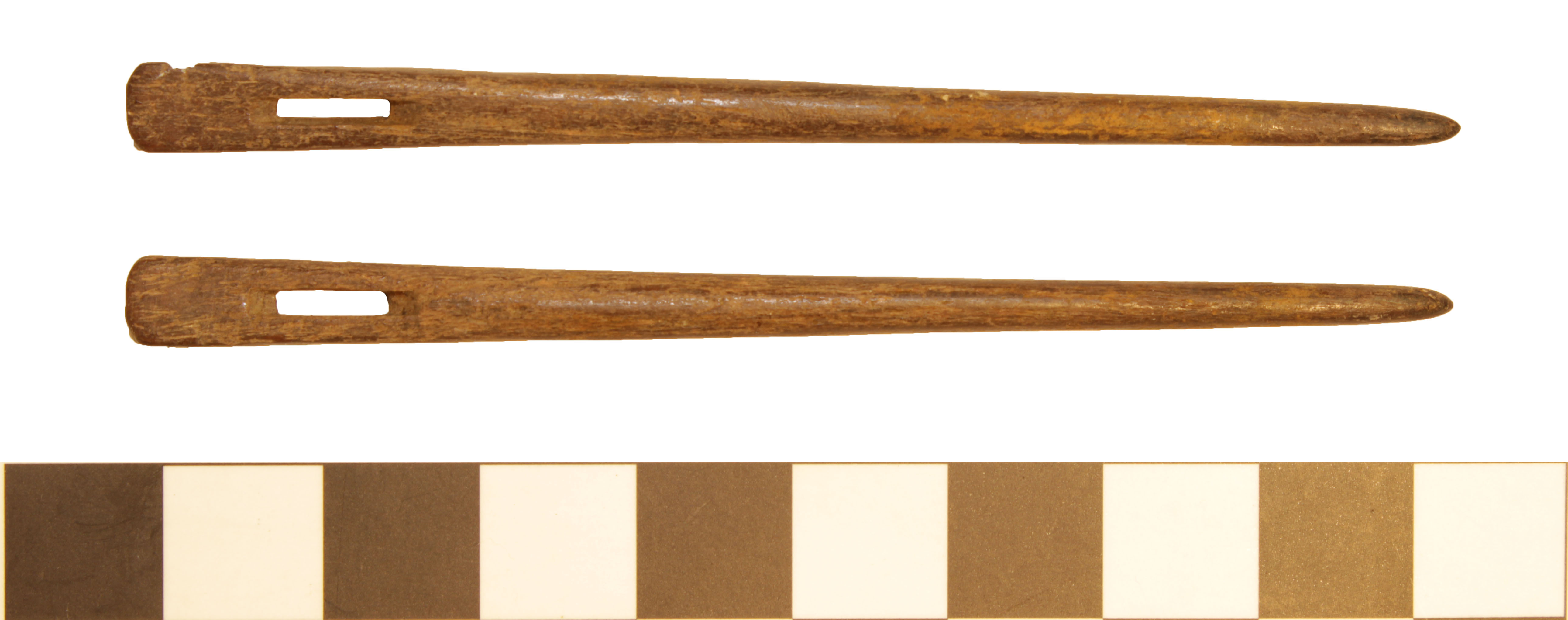
“But Jesus said to them again, ‘Children, how hard it is to enter the kingdom of God! It is easier for a camel to go through the eye of a needle than for someone who is rich to enter the kingdom of God.'” – Mark 10:24b-25
A camel, which is a beast with sense, will cast a jaundiced eye upon a needle’s eye if told that they’re to pass on through. At most, a knobby hoof may paw the ground.
Yet I engage in exercise of needle-passing almost every day, and have for one score years, and ten, and six, endeavoring to tell a story so it lifts a heart or redirects a mind.
A task for fools, I say, as those I teach nod sagely in agreement with my words, then go to do the opposite of what I’d said, and what they’d then approved,
Because, you know, though there’s a better way, the one we know is still the one we’ll do. We thank you for the wisdom of your words and hope the world one day works as you say.
If only it were only “they,” the ones to whom I speak! For it is also “Me,” the one I seek to govern by your guidance, Christ, the “I” who also cannot seem to follow you.
I would despair, save that some seeds I never thought would bloom have grown, have blossomed, borne sweet fruit as marginalized people claim their place and power where they once had none.
So take my challenge, camel. I will make my painful way through this so-tiny eye, and once we’re through, what visions might we see, what glory celebrate, in God’s sweet possibility.
A poem/prayer based on Mark 10:17-31, the Revised Common Lectionary Gospel Reading for Year B, Proper 23 (28).
“They shall plant vineyards and eat their fruit.” – Isaiah 65:21b
O God, I’m doing fine. Some days are long, some short. At each day’s end, I eat and drink. I am refreshed.
Yet half my neighbors, half the households of this land, bring home from labor 13% of total income, while half the checks increase the wealth of 10% of earners.
They sweat and plant, assemble and sell, cook and clean, press the grapes for wine for wealthier homes where wealthier people eat and drink and sleep.
Do they not labor in vain? Are not their children born for calamity? Where are those offspring blessed by the LORD? For, rich and poor alike, are we not damned for this?
A poem/prayer based on Isaiah 65:17-25, the Revised Common Lectionary First reading for Year C, Proper 28.
I wrote this song in the fall of 2018, when a number of conversations turned to a wish for Jesus to come along and start to flip some tables. I expected it to be a rousing, even raucous anthem: but it turned to lament.
They’re changing money in the temple, Jesus. They’re not giving full value for each coin. They’re changing money in the temple, Jesus. They’ve turned a house of prayer… Into a house of thieves…
[Chorus]
What are you going to do about it, Jesus? The gold is piled high… What are you going to do about it, Jesus? Do you see where the gold… lies?
They’re piling money in the towers, Jesus. They won’t even pay the builders their full coin. They’re piling money in the towers, Jesus. They’ve given all that power… Into the hands of thieves…
[Chorus] Listen… to the gold lies. Listen… to the golden lies.
We’ve exchanged our priests for tycoons, Jesus. We’ve given our worship to the coin. We’ve traded priests for tycoons, Jesus. We’ve given our allegiance… To generations of thieves…
[Final Chorus]
What are you going to do about it, Jesus? The gold is piled high… What are you going to do about it, Jesus? Or the tables, where the gold… lies?
Flip the tables: the gold… flies! Toss the tables, Jesus. Make the gold… fly!

 ordainedgeek