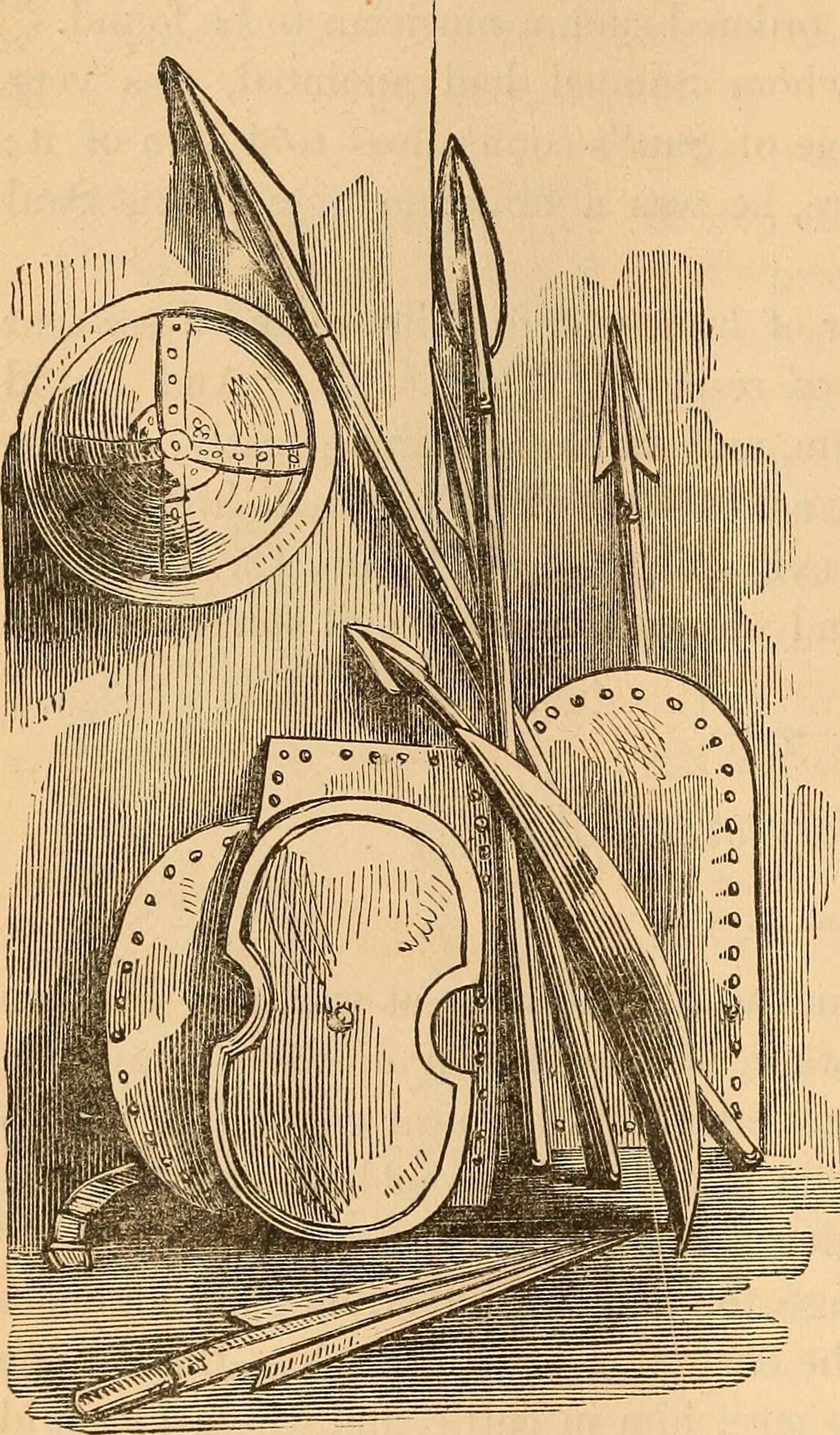
“Put on the whole armor of God, so that you may be able to stand against the wiles of the devil.” – Ephesians 6:11
“Saul clothed David with his armor; he put a bronze helmet on his head and clothed him with a coat of mail. David strapped Saul’s sword over the armor, and he tried in vain to walk, for he was not used to them. Then David said to Saul, ‘I cannot walk with these; for I am not used to them.’ So David removed them.” – 1 Samuel 17:38-39
Truth? You want me to wear truth? That’s a heavy burden to carry on the belt. My hips are groaning just to think of carrying the truth. I cannot walk with these.
Righteousness? You want me to wear righteousness, to face the world with generosity presented as my face? I can’t imagine feeling any more vulnerable than that. I cannot walk with these.
Faith? You want me to bear faith? I tell that, as bucklers go, faith wears a little thin. The barbed and flaming arrows pierce it through even as I strain to lift it. No; I cannot walk with these.
Salvation? You want me to wear salvation? This one sounds good, I grant you, but it bows the head. I’d rather revel in my sovereignty than yours, which makes me bow. I cannot walk with these.
The hardest of all to wear are the shoes that make me ready to proclaim the gospel of peace. Where might they take me? Into what risks? And what protection do they offer? None.
No and no and no. I cannot walk with these.
And yet… I try.
A poem/prayer based on Ephesians 6:10-20, the Revised Common Lectionary Second Reading for Year B, Proper 16 (21).
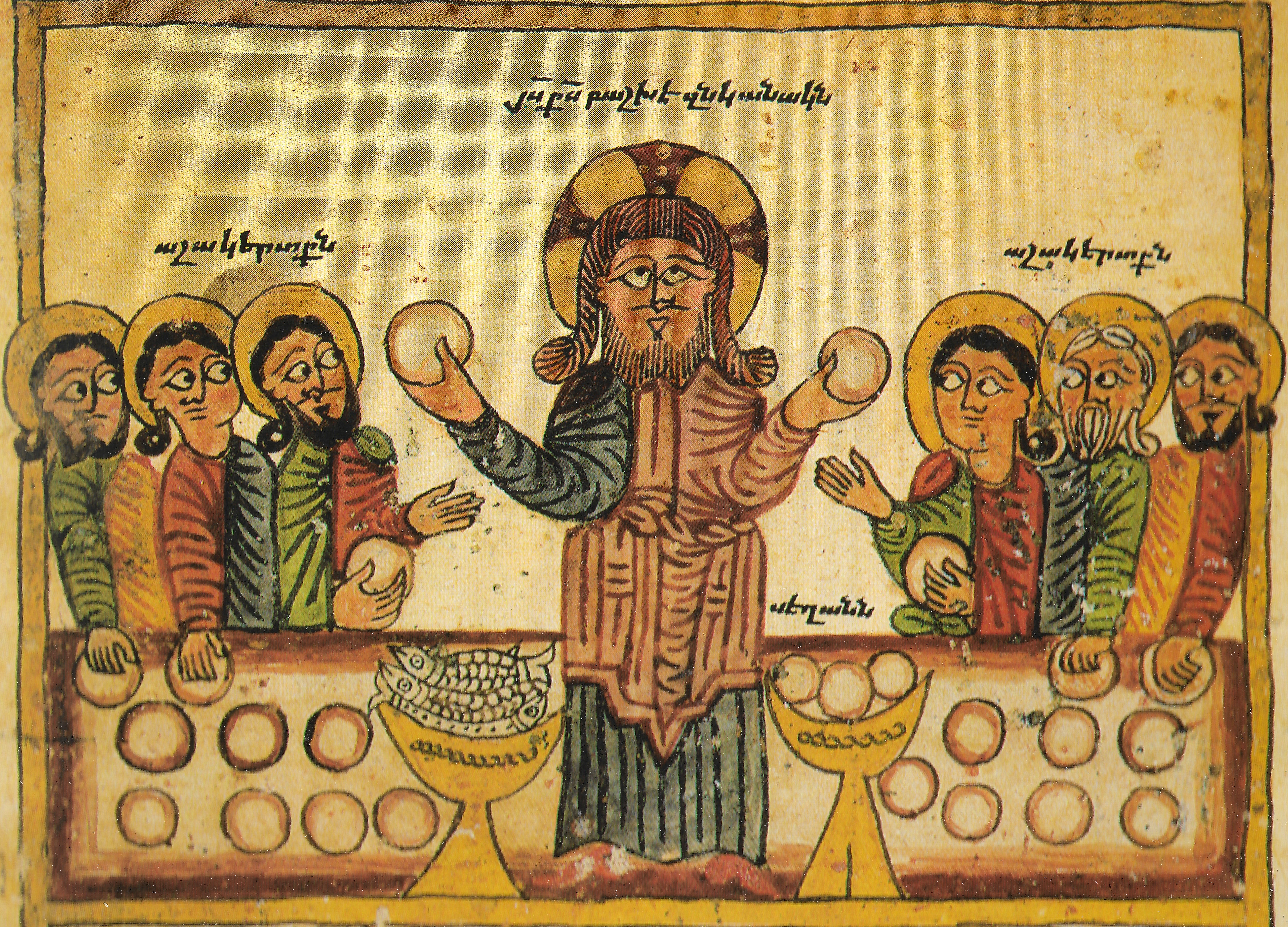
[Jesus said,] “I am the living bread that came down from heaven. Whoever eats of this bread will live forever; and the bread that I will give for the life of the world is my flesh.” – John 6:51
I, well…. Jesus, I do not approve.
The metaphor is… gross. For me, the living bread is molding in the back of my refrigerator. Whoever eats that bread may never die because the penicillin analogues within it will suffice to sweep the viruses and bacilli away.
The metaphor is gross. Not stopping there, you up the stakes, from moldy bread (OK, my imagery) to feast of cannibals (and that, my Savior, is entirely on you). Though not quite two millennia have passed with broken bread/Christ’s body, it’s still a foul thing to say.
The metaphor is gross, not just for what it pictures, but for what it then demands. Your flesh, our bread? Then you are what sustains, on you we must rely, in you we find our nourishment, in you we live our life. No wonder they protested, knowing that you claimed the place and power of God.
The metaphor is gross, the message so demanding, that despite my many years of faith, despite my years of leadership within the Church, the gathering we grossly call your body, I still hesitate, still wonder: Can a human body really mediate for God? Oh, I believe, but help, I pray, my unbelief.
A poem/prayer based on John 6:51-58, the Revised Common Lectionary Gospel Reading for Year B, Proper 15 (20).
Be angry but do not sin; do not let the sun go down on your anger, and do not make room for the devil. – Ephesians 4:26-27
Jesus, I’m banging my head against a wall here… (Figuratively. I’m not banging it literally… yet…) Truth and gracious words and tender hearts are not winning the day.
In a global pandemic, governors forbid that schools require that their students learn in masks. For God’s sake, why? Are we to be instructed by a flood of death?
Death of children, death of parents, death of uncles, aunts, kupuna. An unmasked Masque of the Red Death, a viral dance through classrooms, buses, homes, cafes, churches, and… through mortuaries.
Oh, look, as patients struggle for a breath and hospitals require more beds and look, the dying count is rising, too, and truth and gracious words don’t cut it.
How could we possibly grieve the Holy Spirit more than with this wholesale exercise of folly, denying the urgent summons of her wisdom, favoring the clarion call of limitless greed?
For greed has won the day, mammon taken the prize, to summon workers back to risky work, their children back in virus-sharing schools, so owners profit more than they will pay.
The cause of education? That’s a laugh. We find that educators are not valued for the things they teach our children – but to keep them while their parents work.
Six hundred fourteen thousand dead in this country alone; four and a quarter million dead around the globe and some still claim the danger and the cost are fiction.
A falsehood that belies that we are truly members of one body, interwoven over oceans, nations’ borders, and our prejudicial, harmful acts,
Connected not just in pandemic but in ordinary time, connected because the suffering of one will lead to suffering for all.
We do not imitate our God in truth. Though Christ, in love, gave himself up, we still insist on offering up more lives for lives, for greed, for power, for evil.
A poem/prayer based on Ephesians 4:25-5:2, the Revised Common Lectionary Second Reading for Year B, Proper 14 (19).


 ordainedgeek
