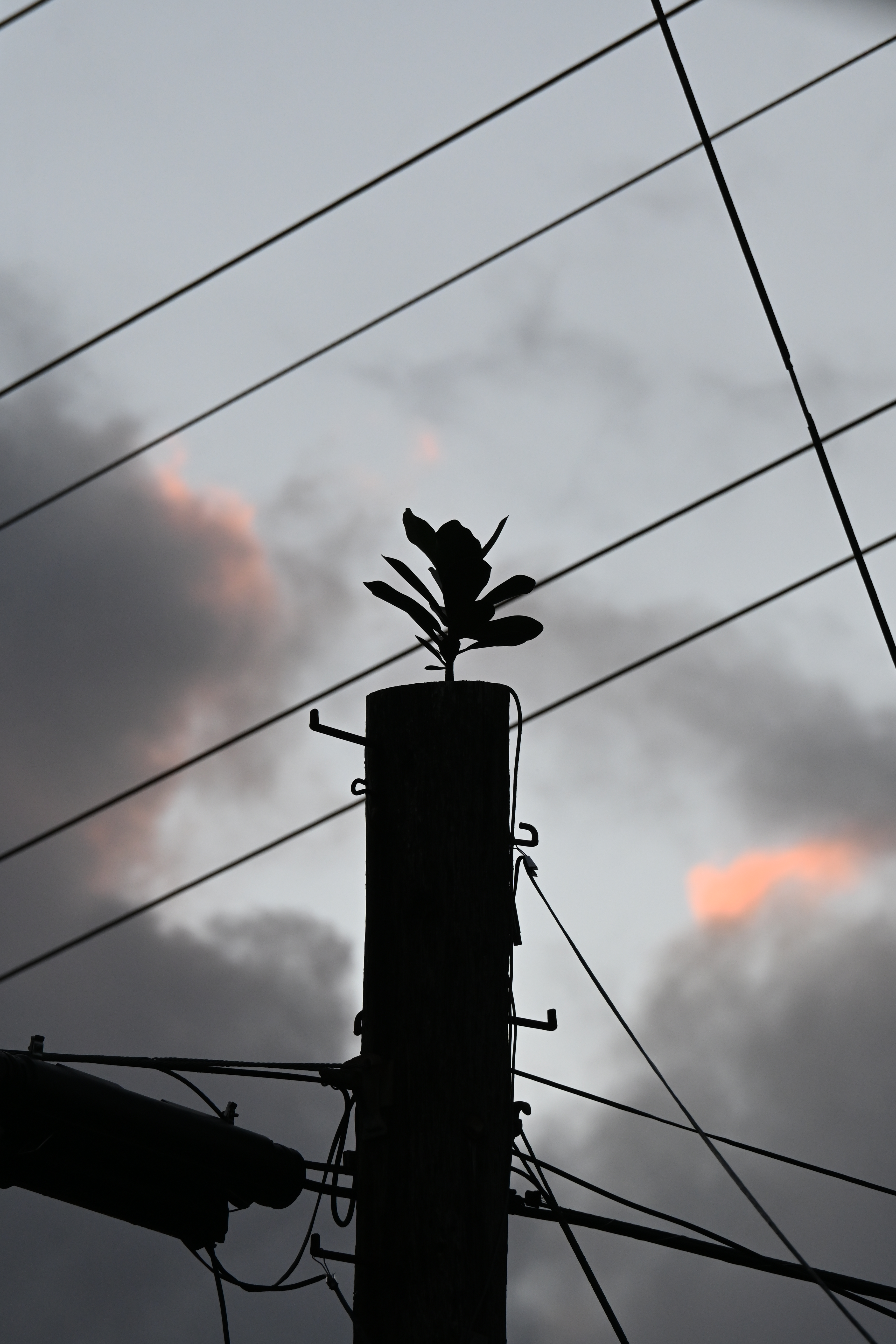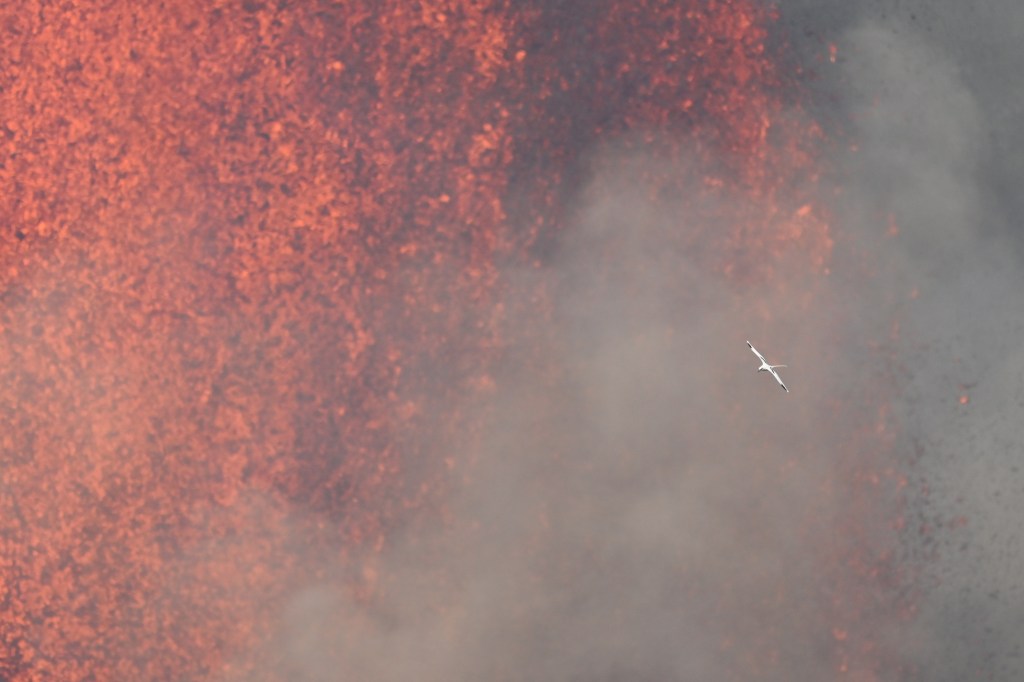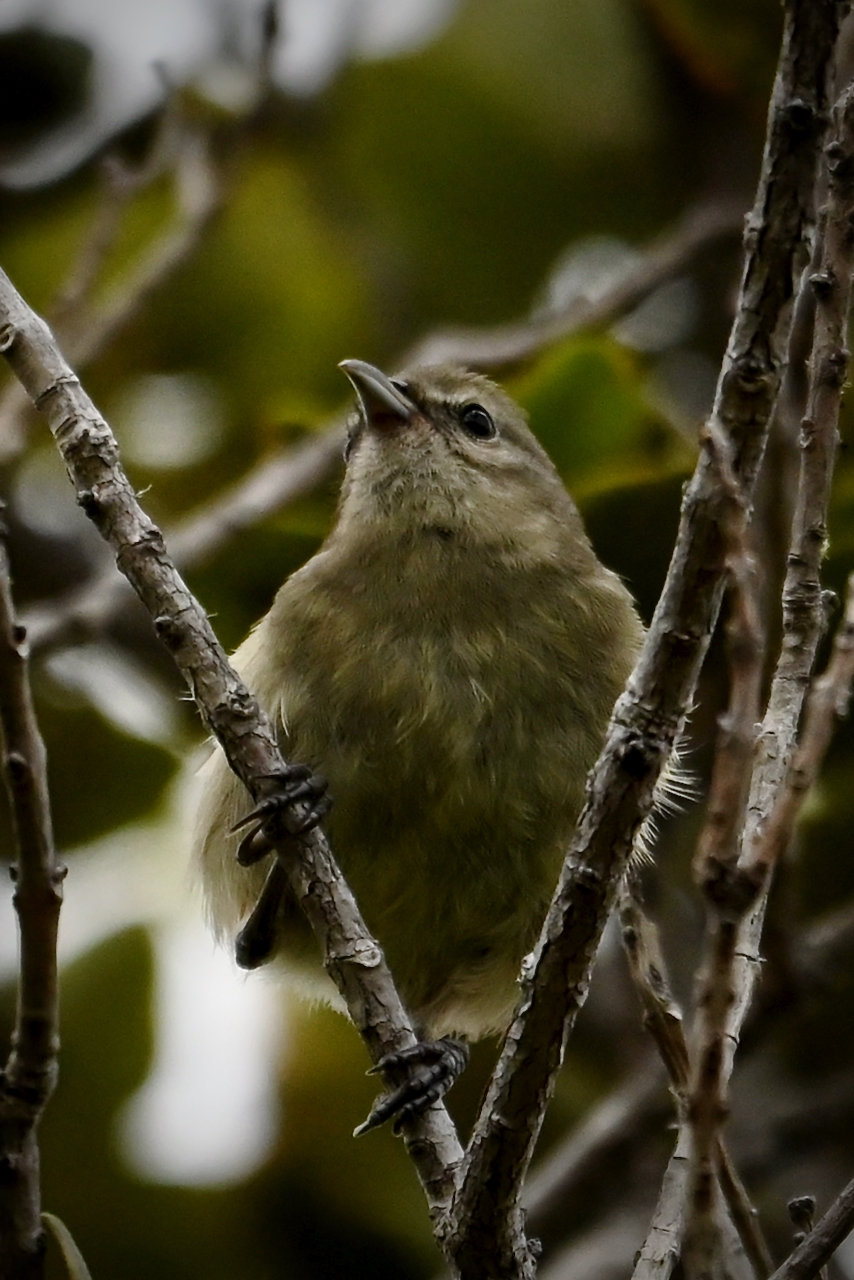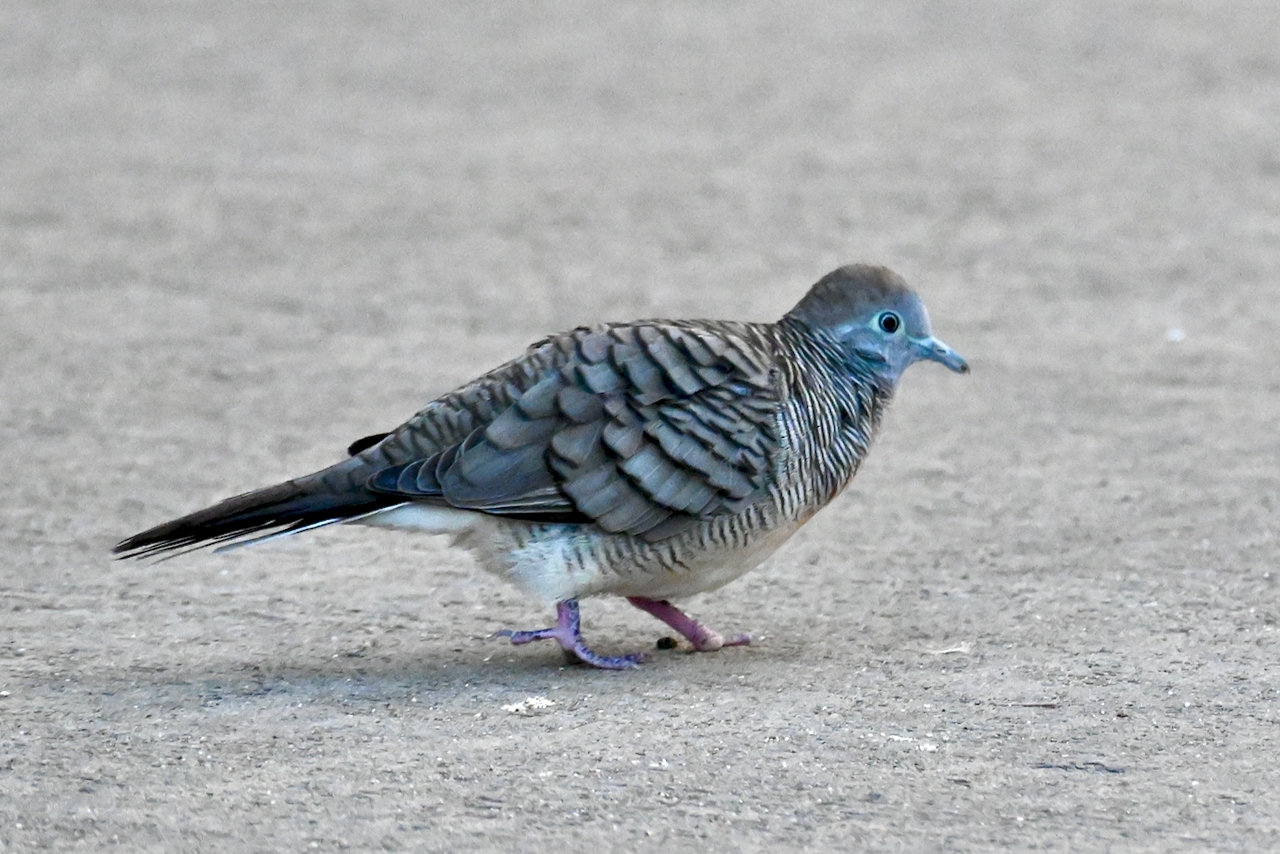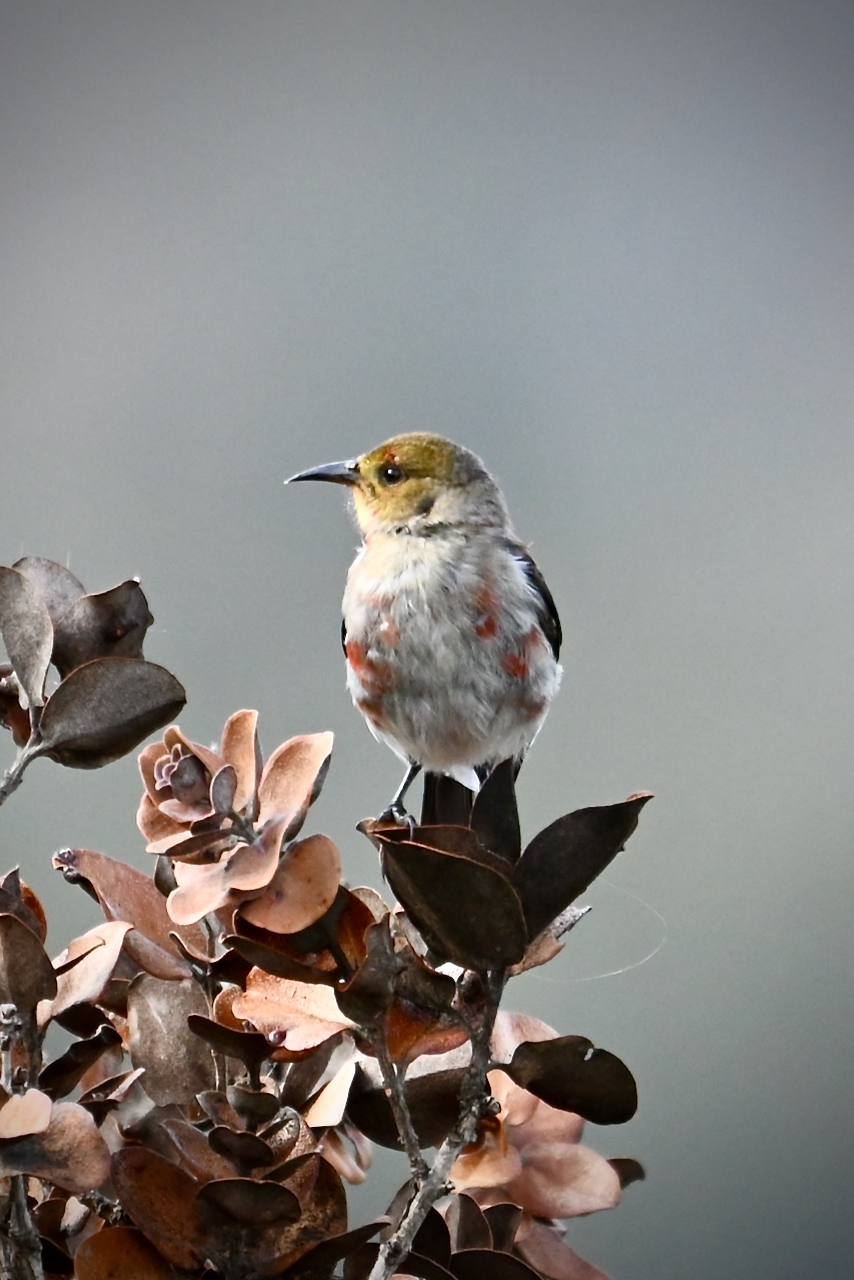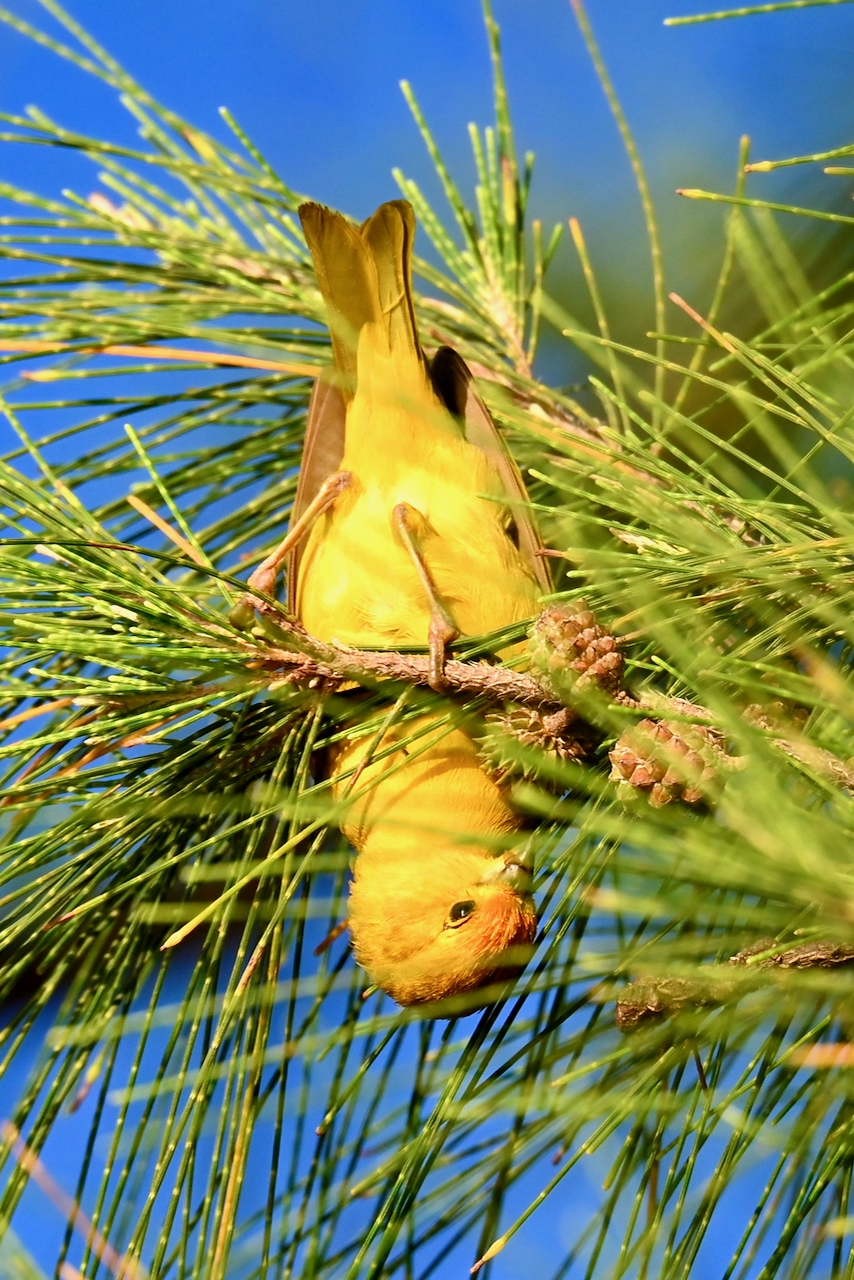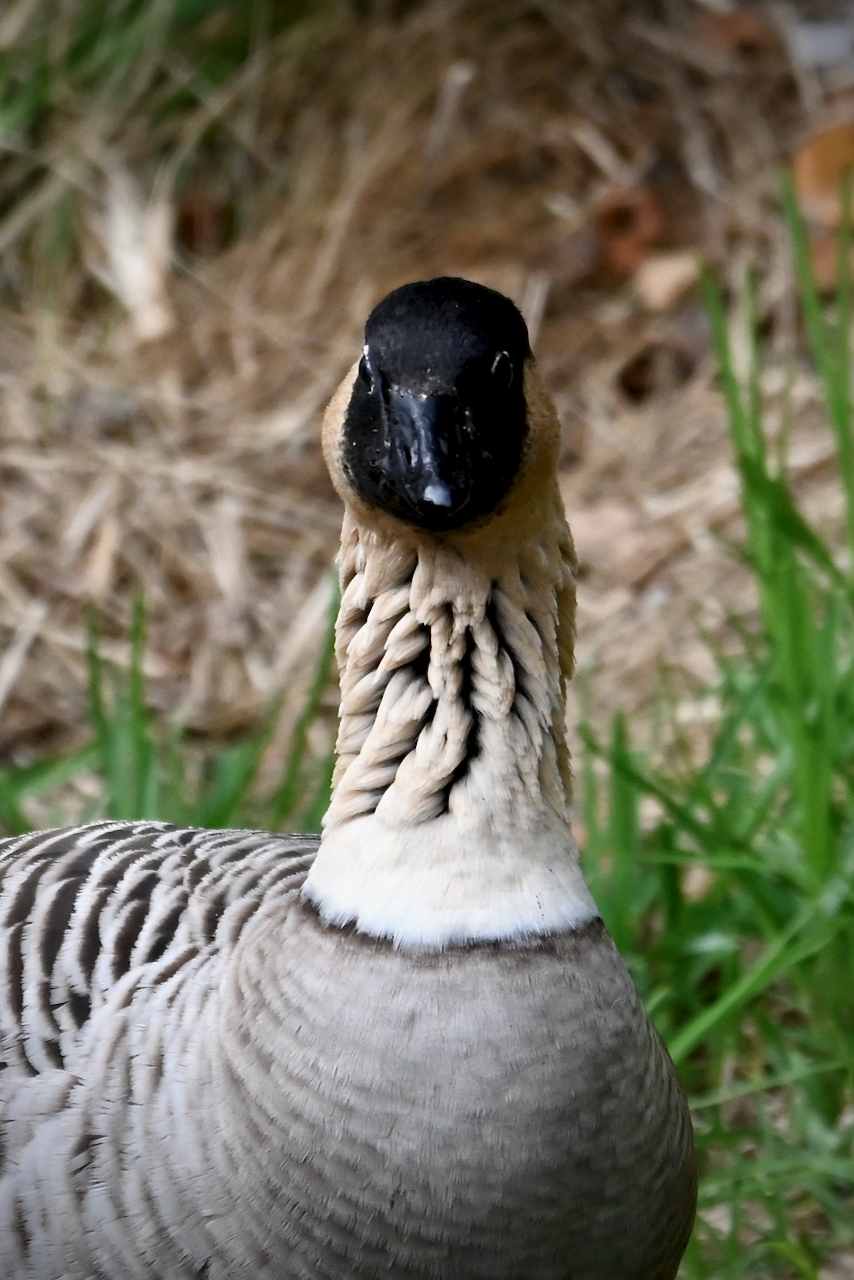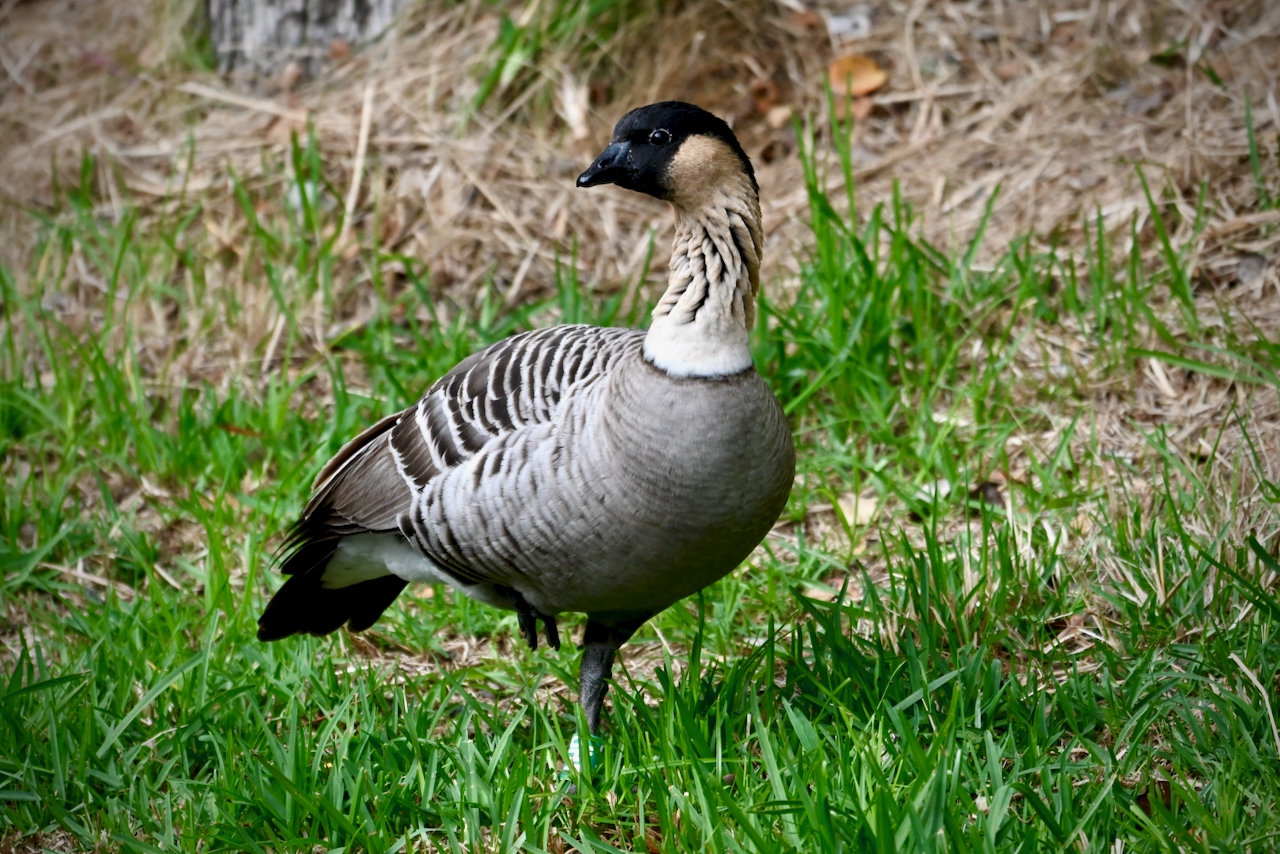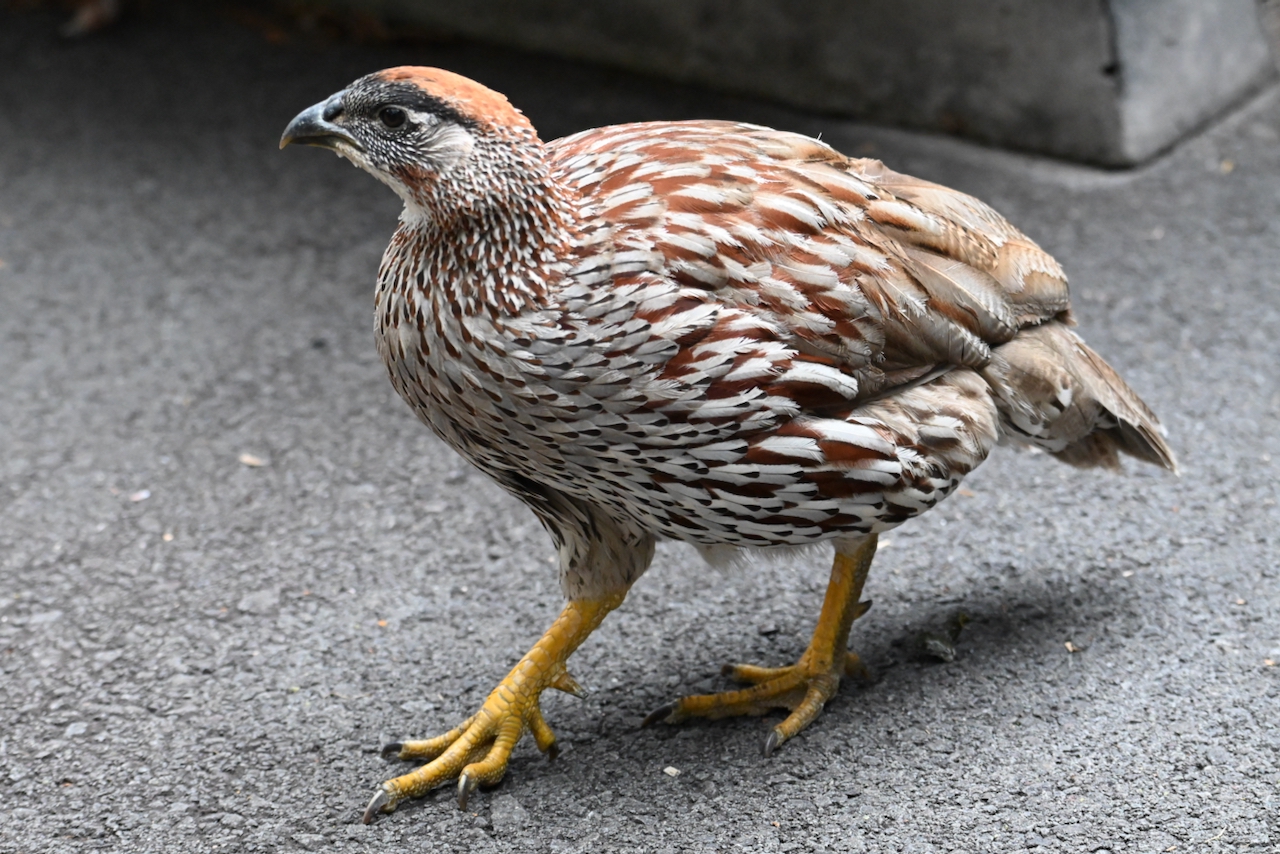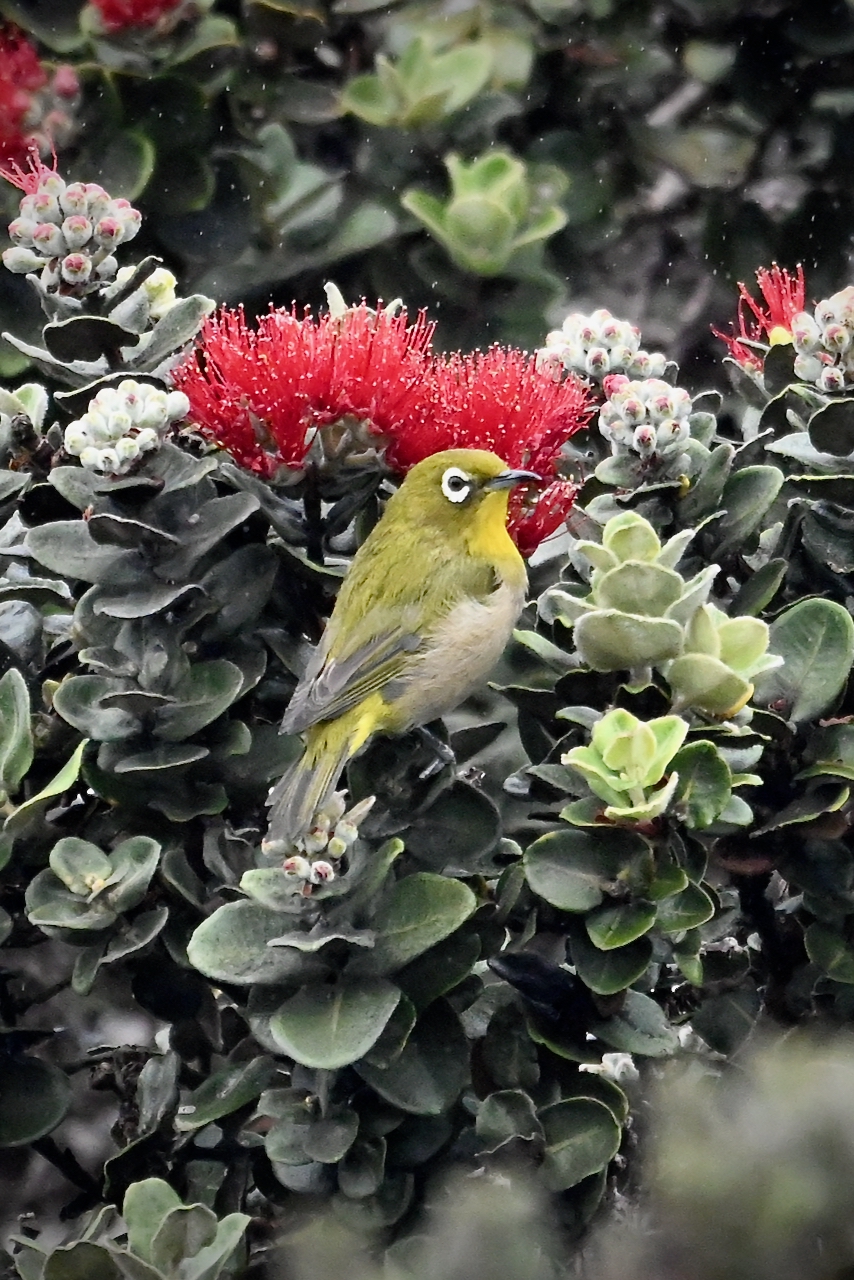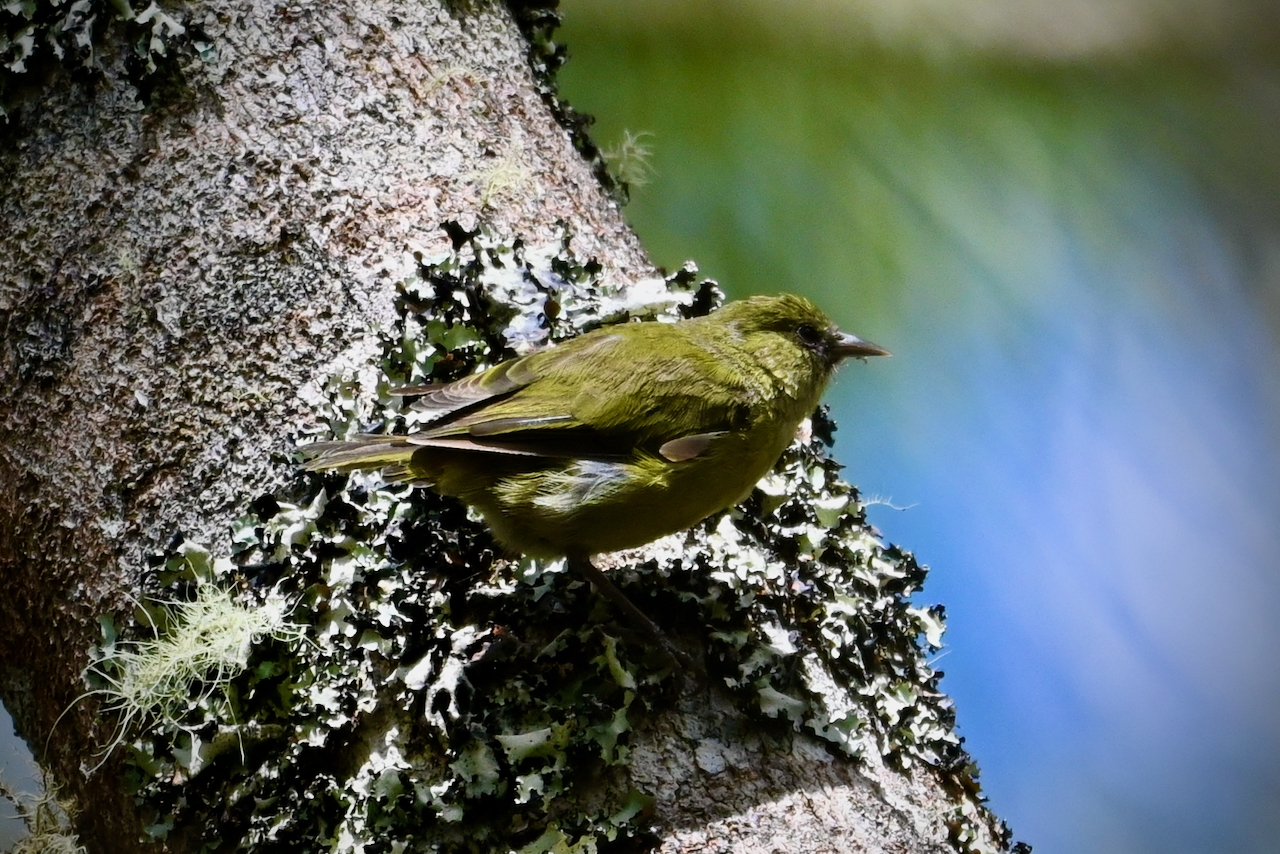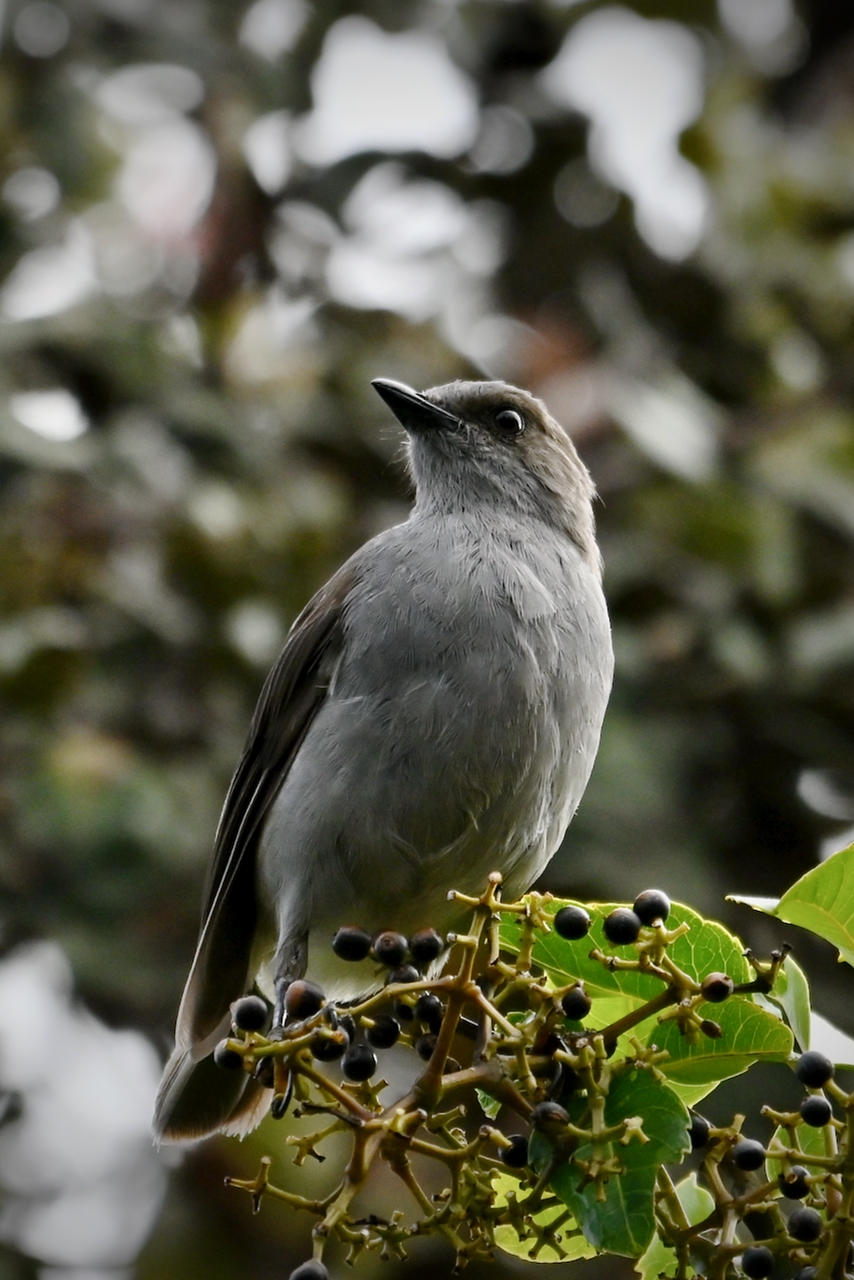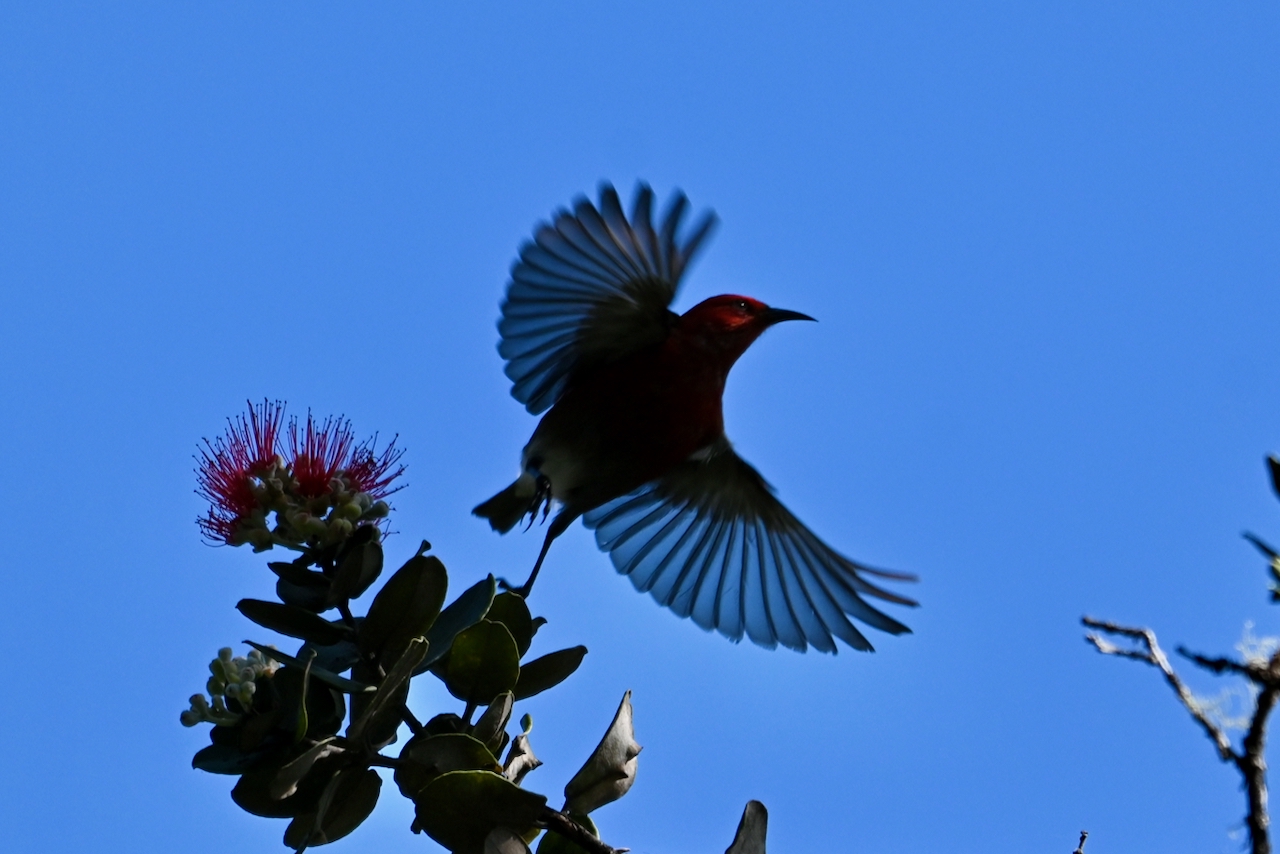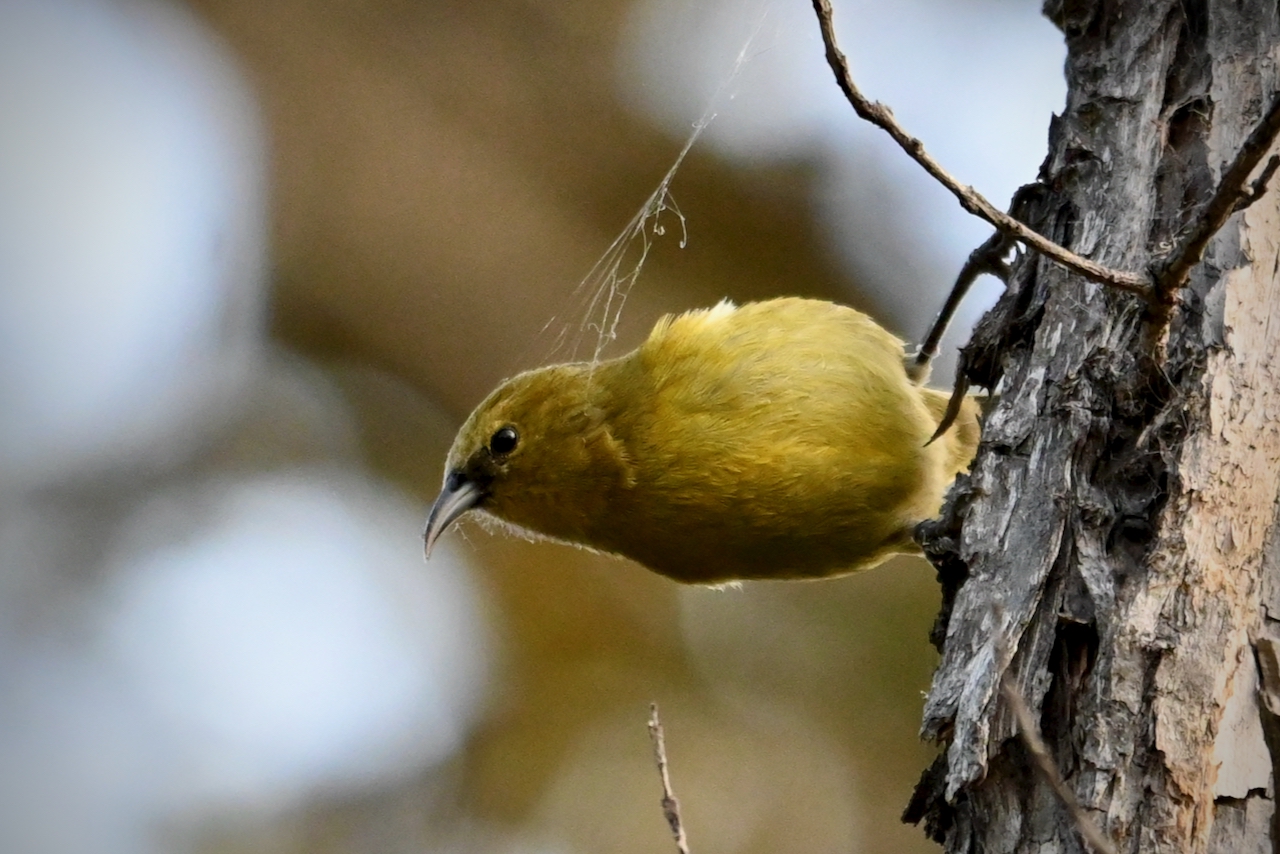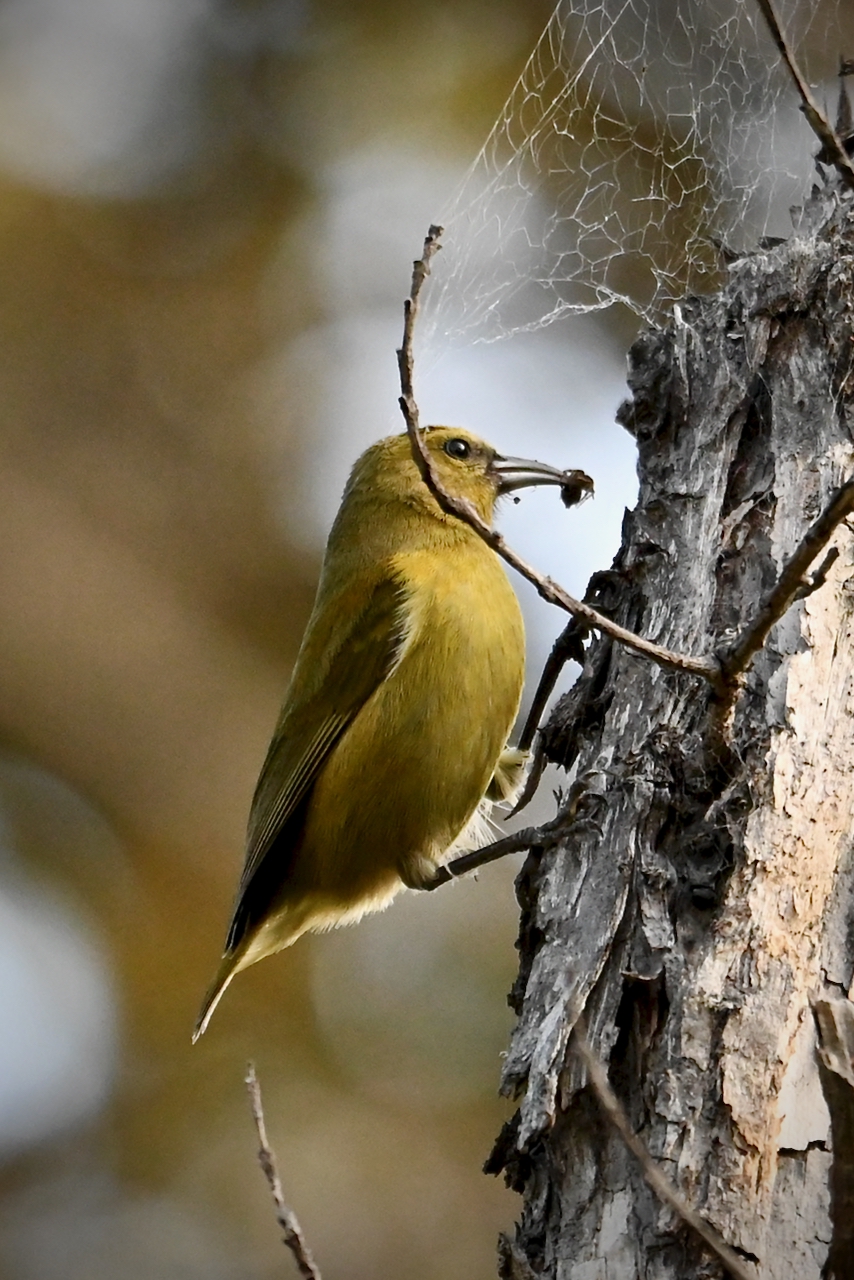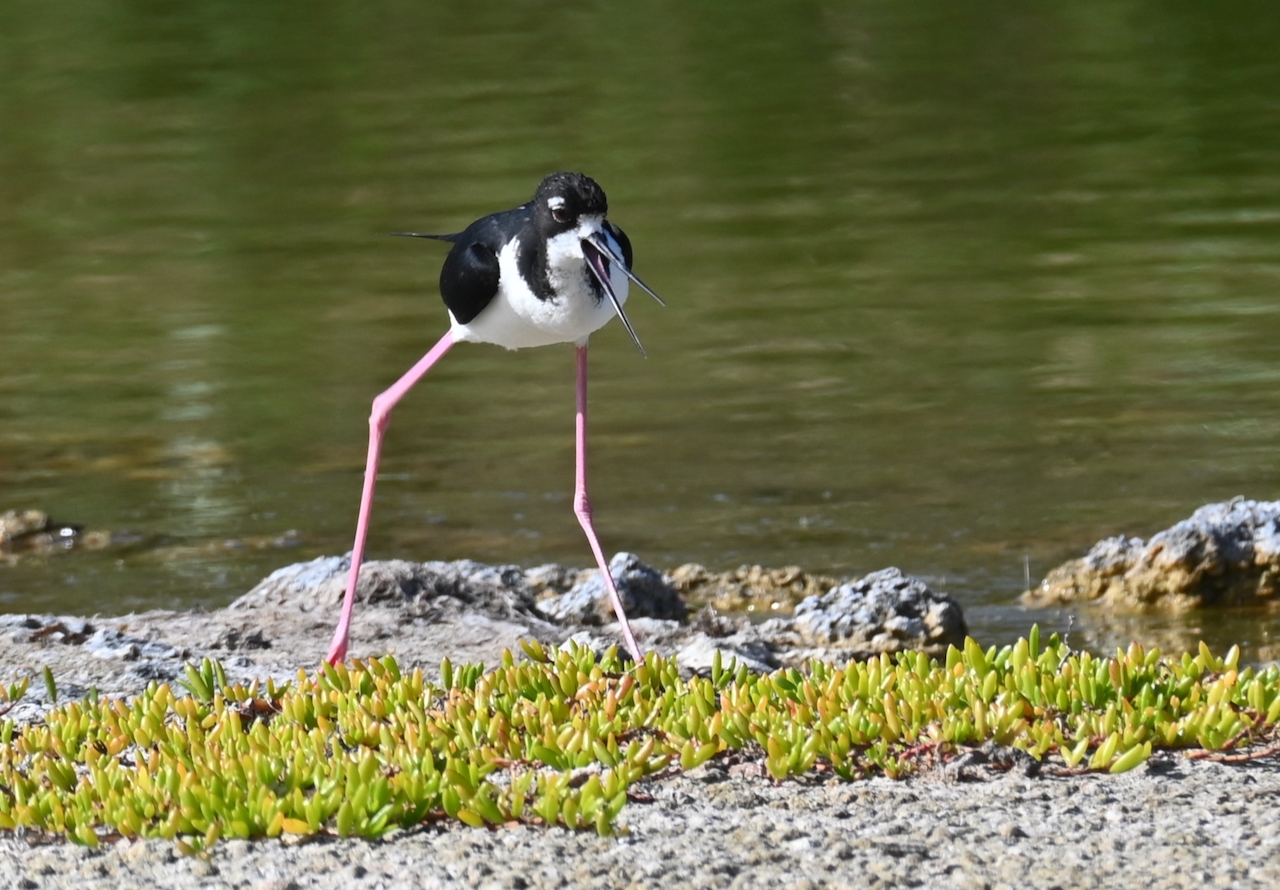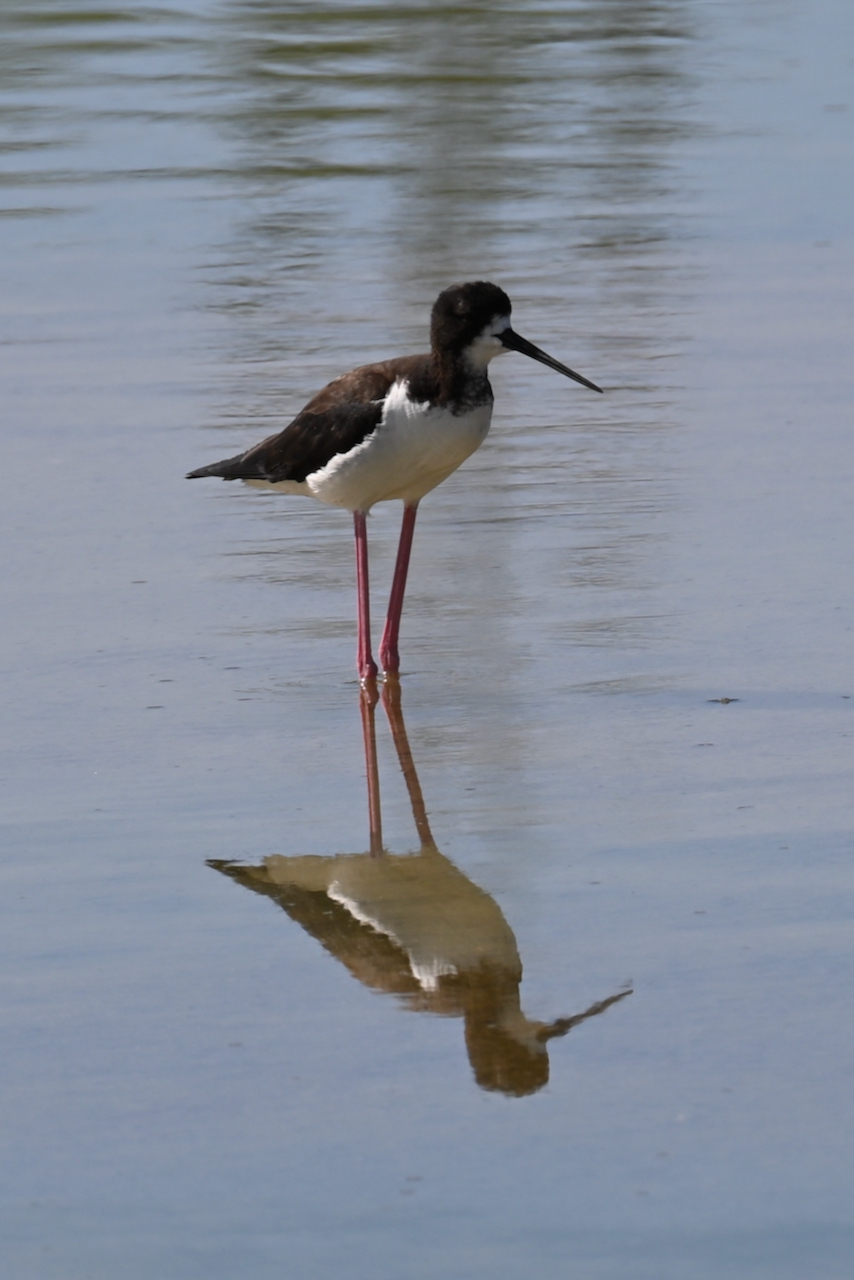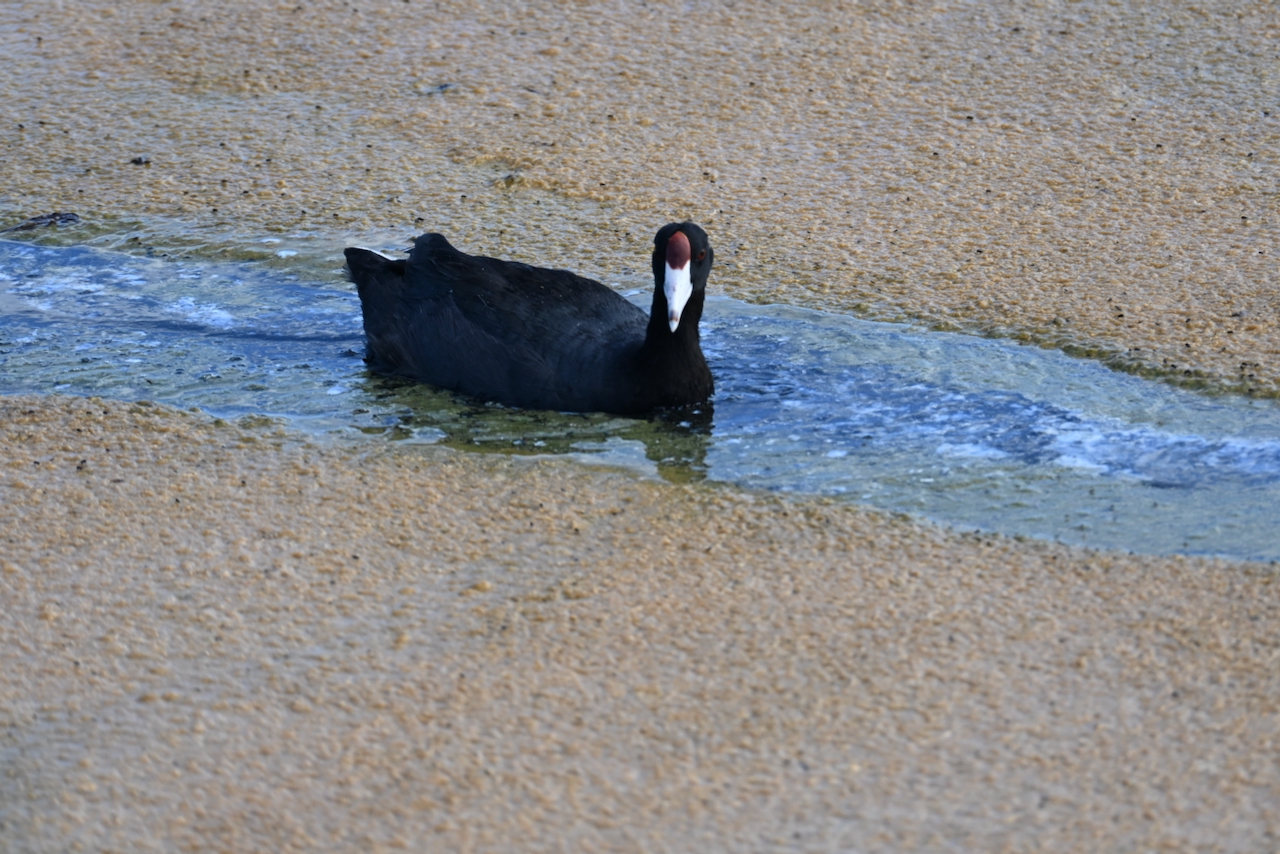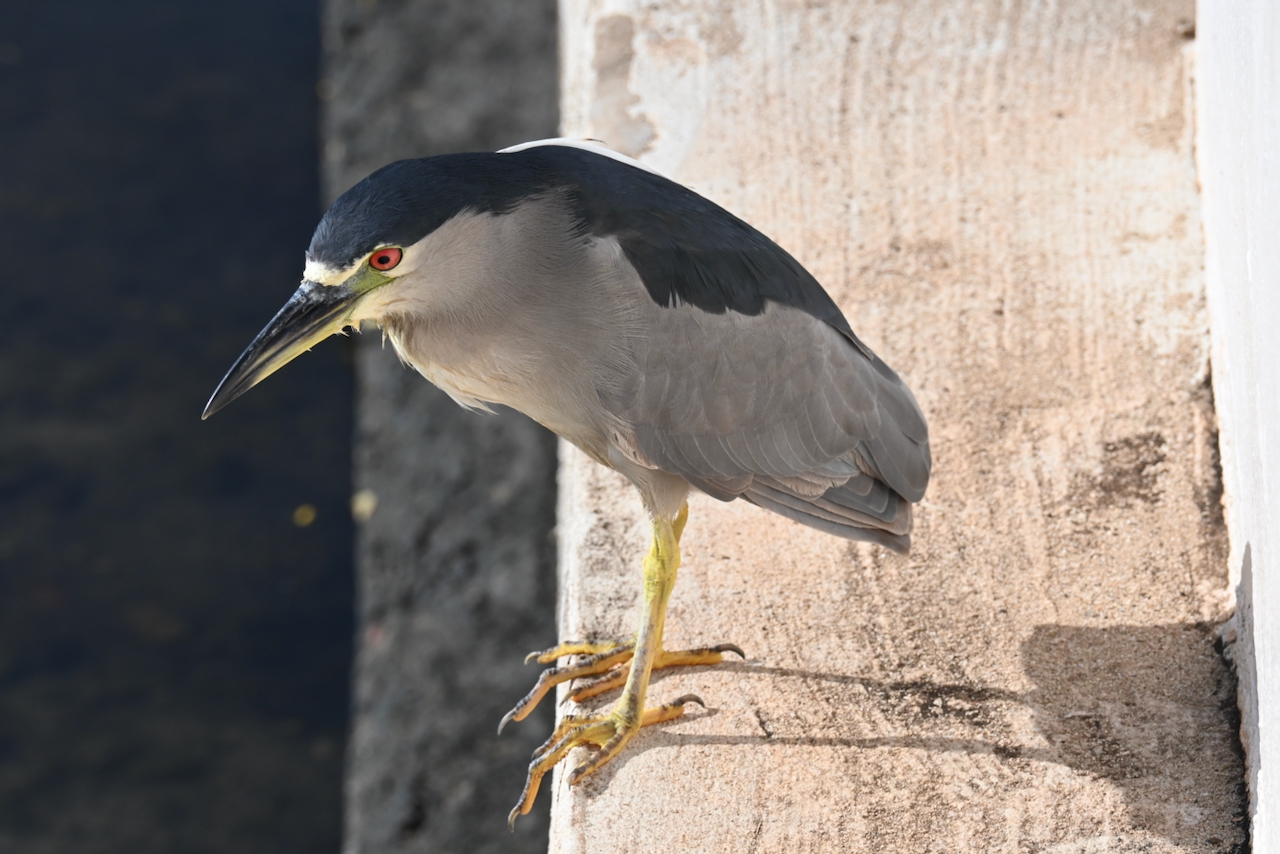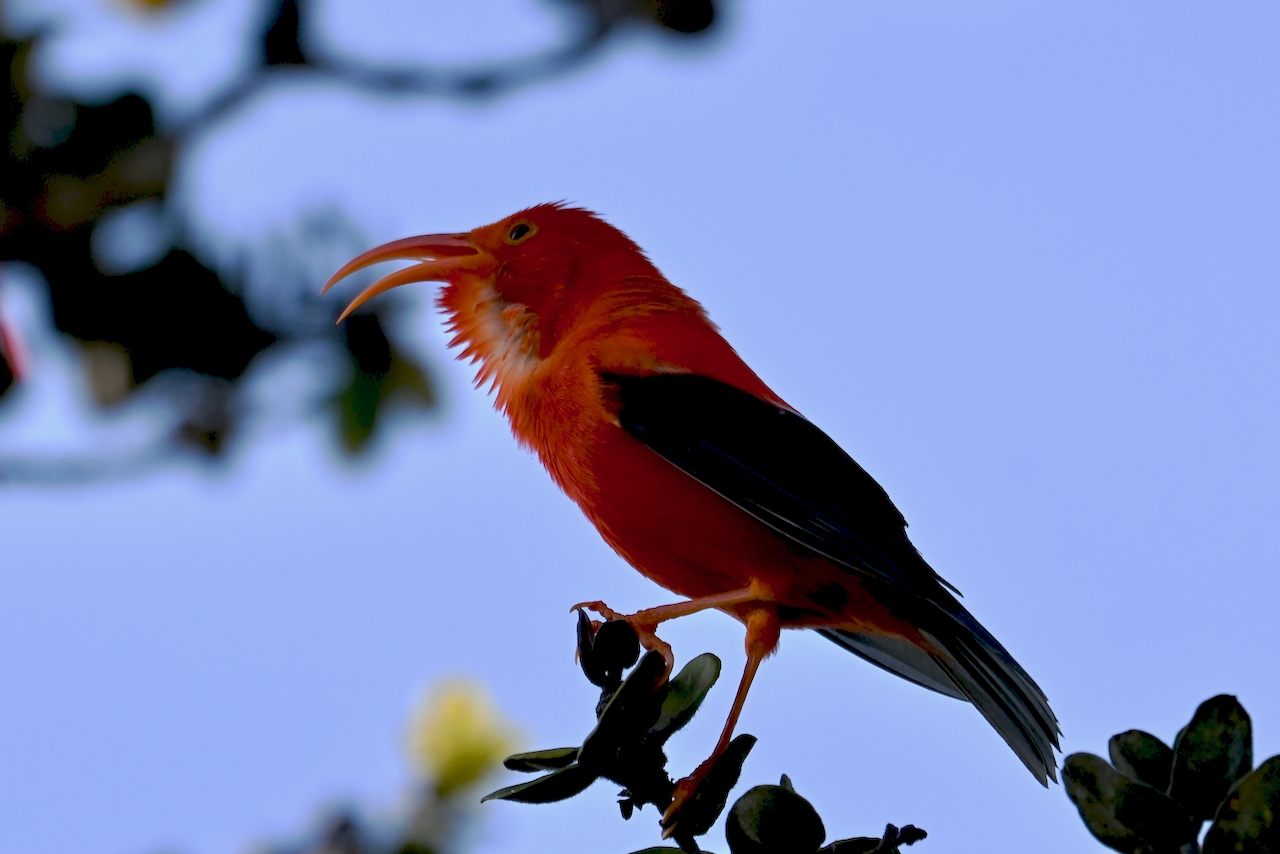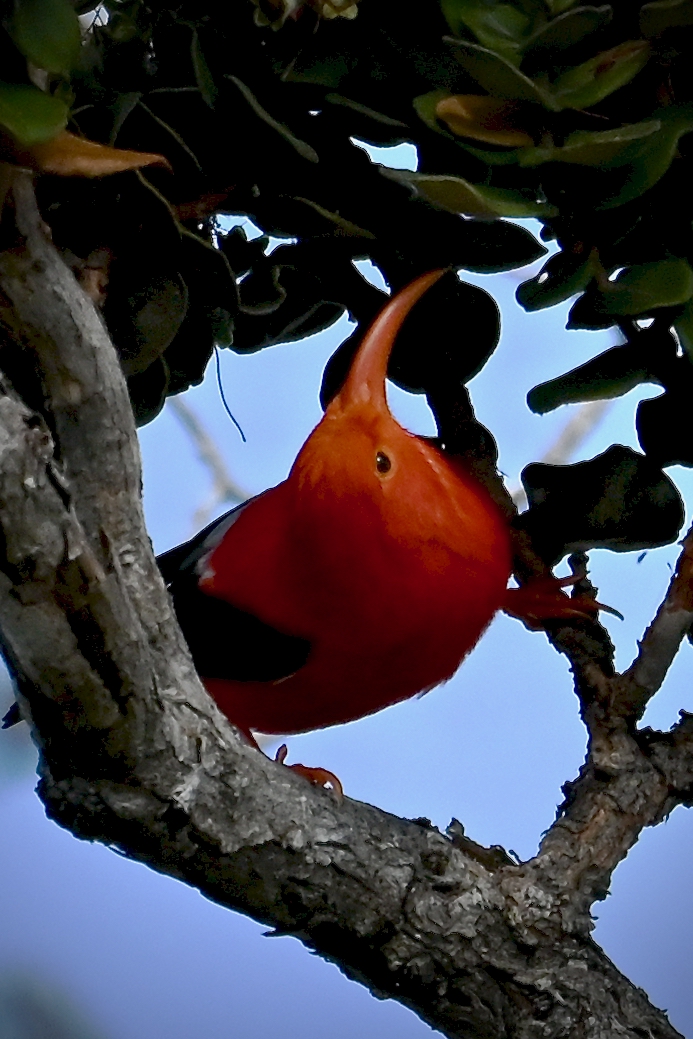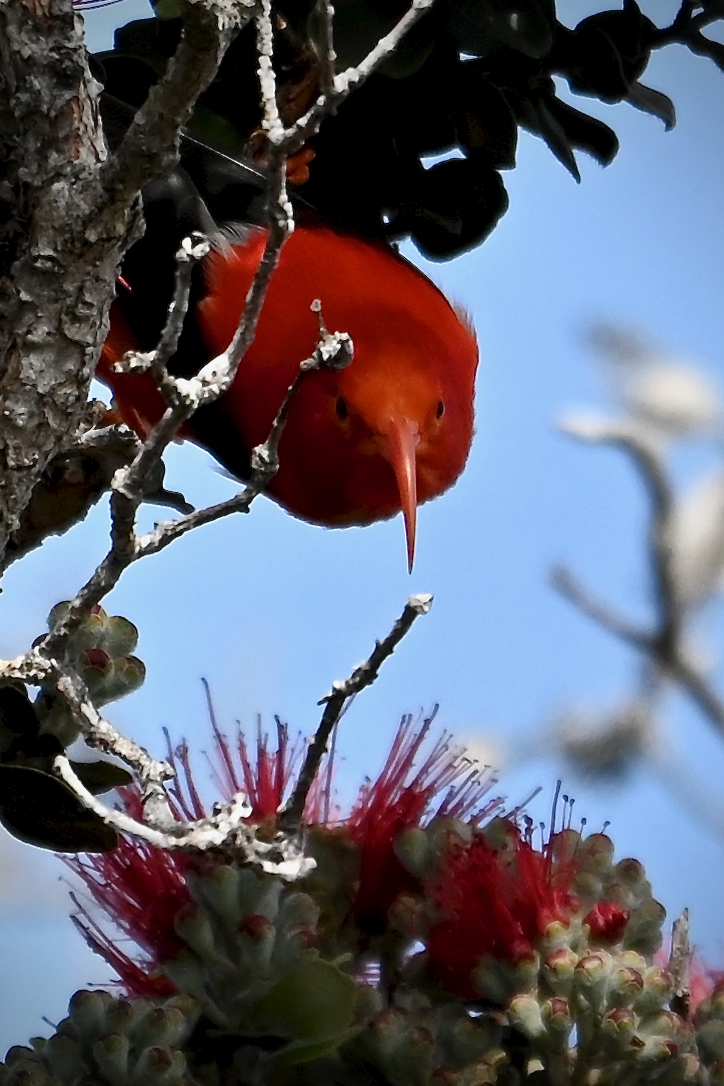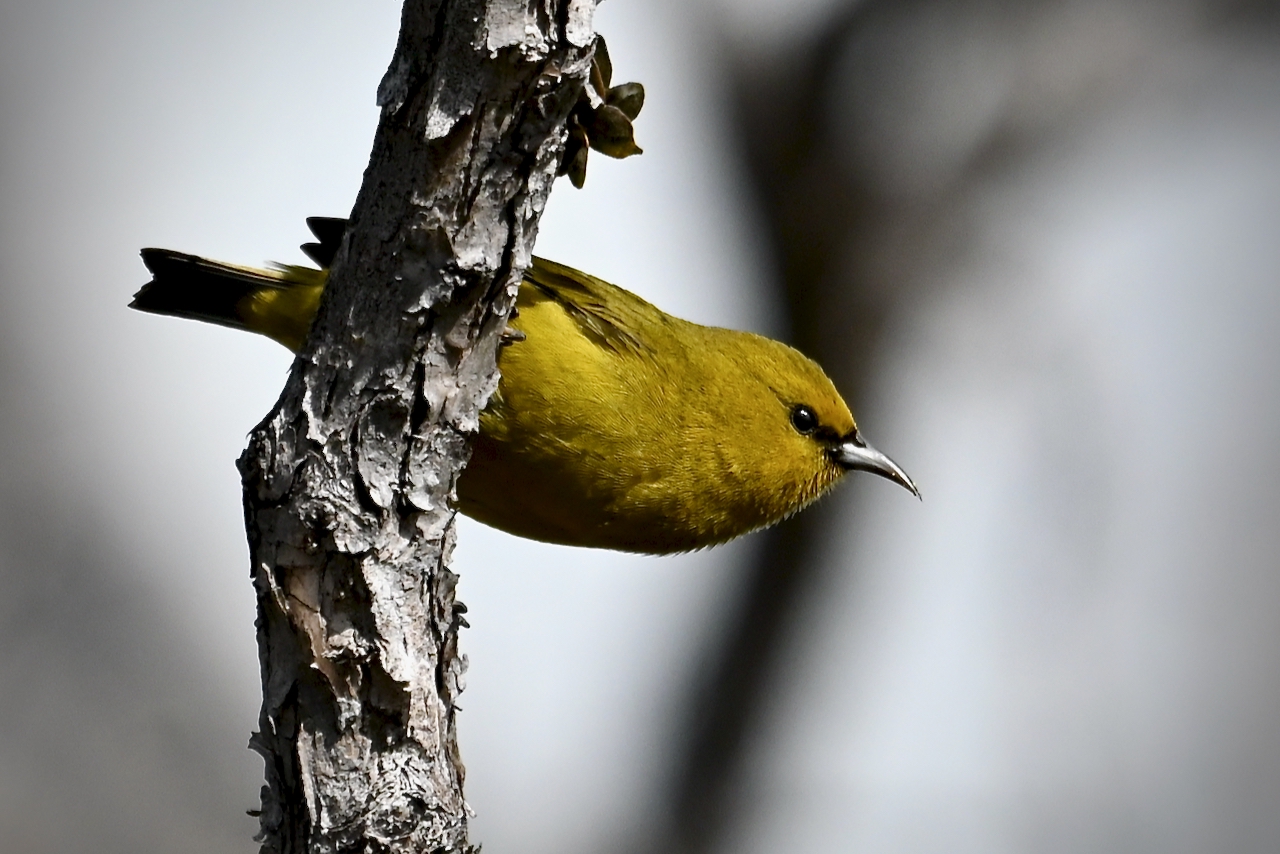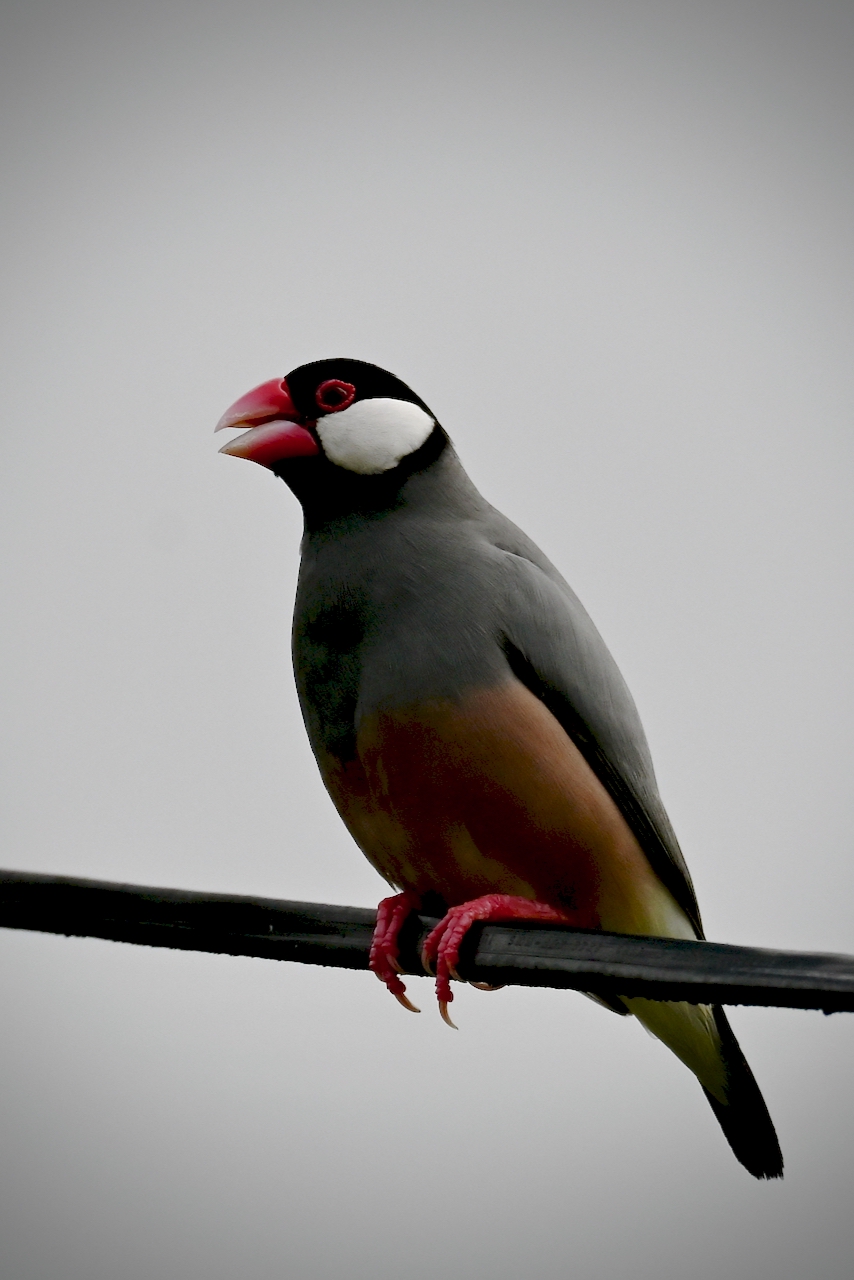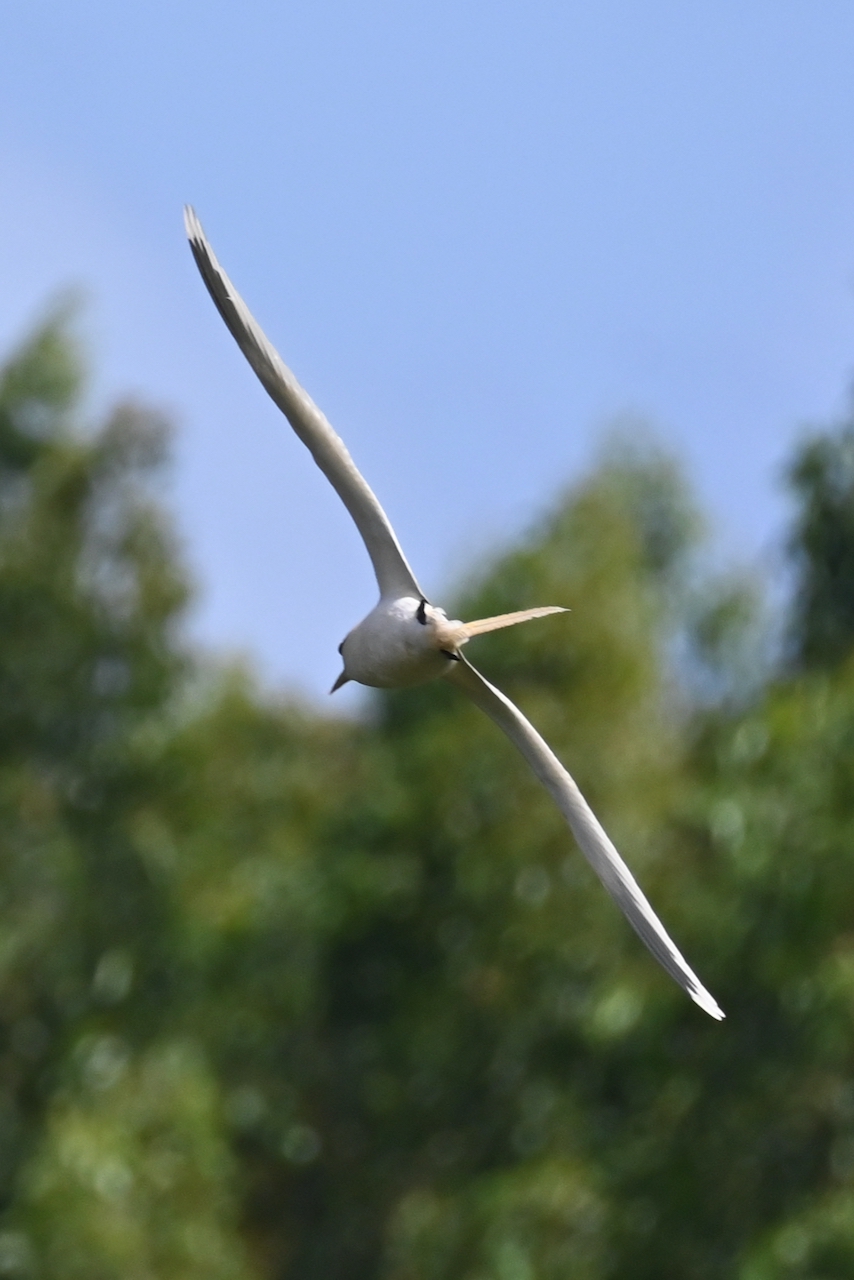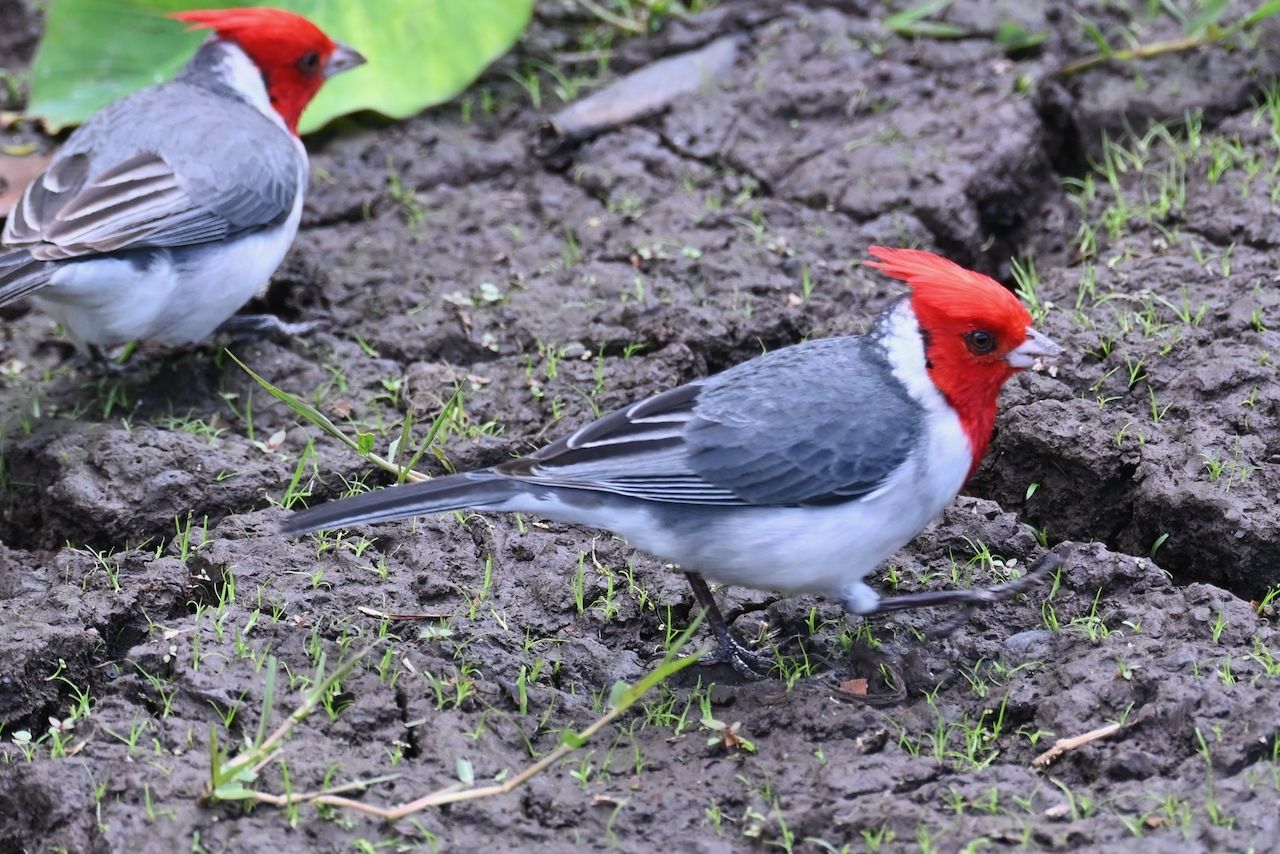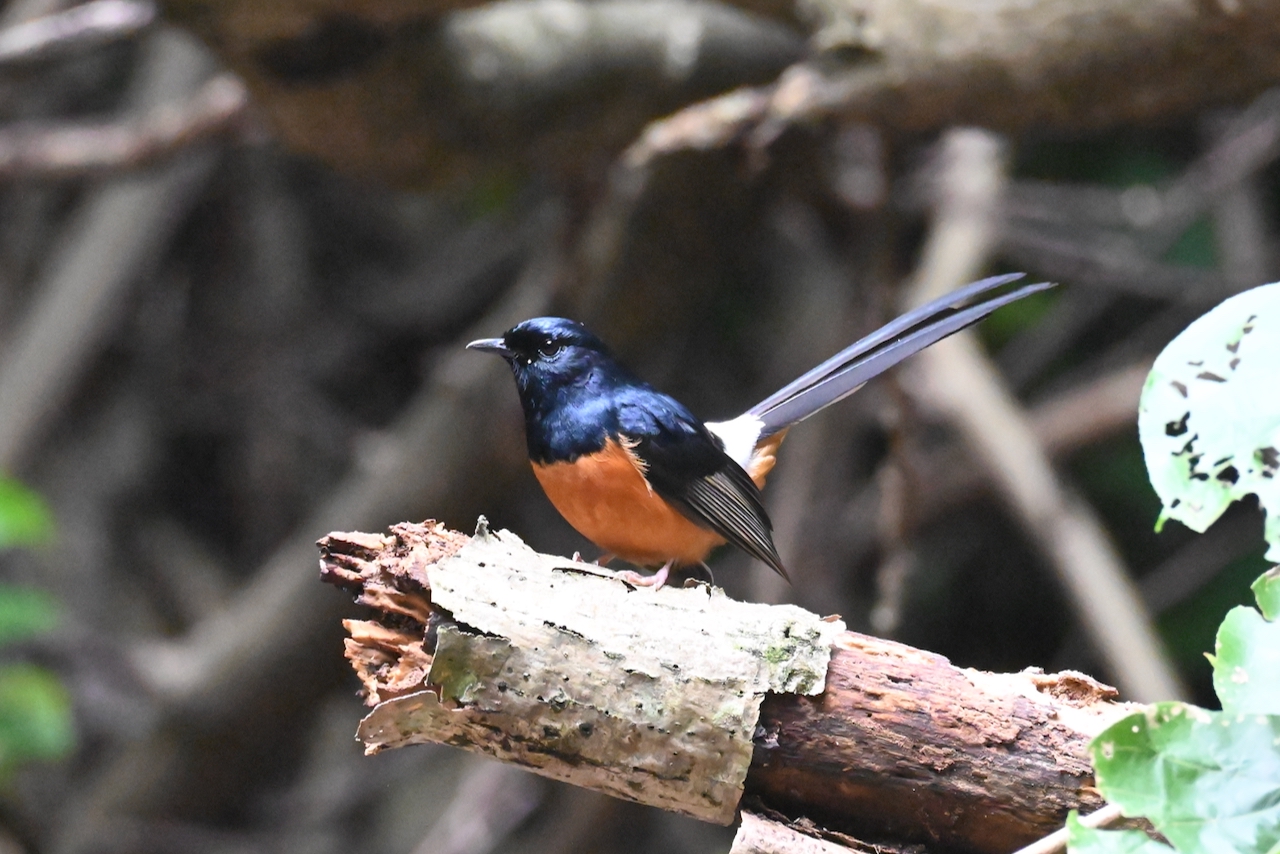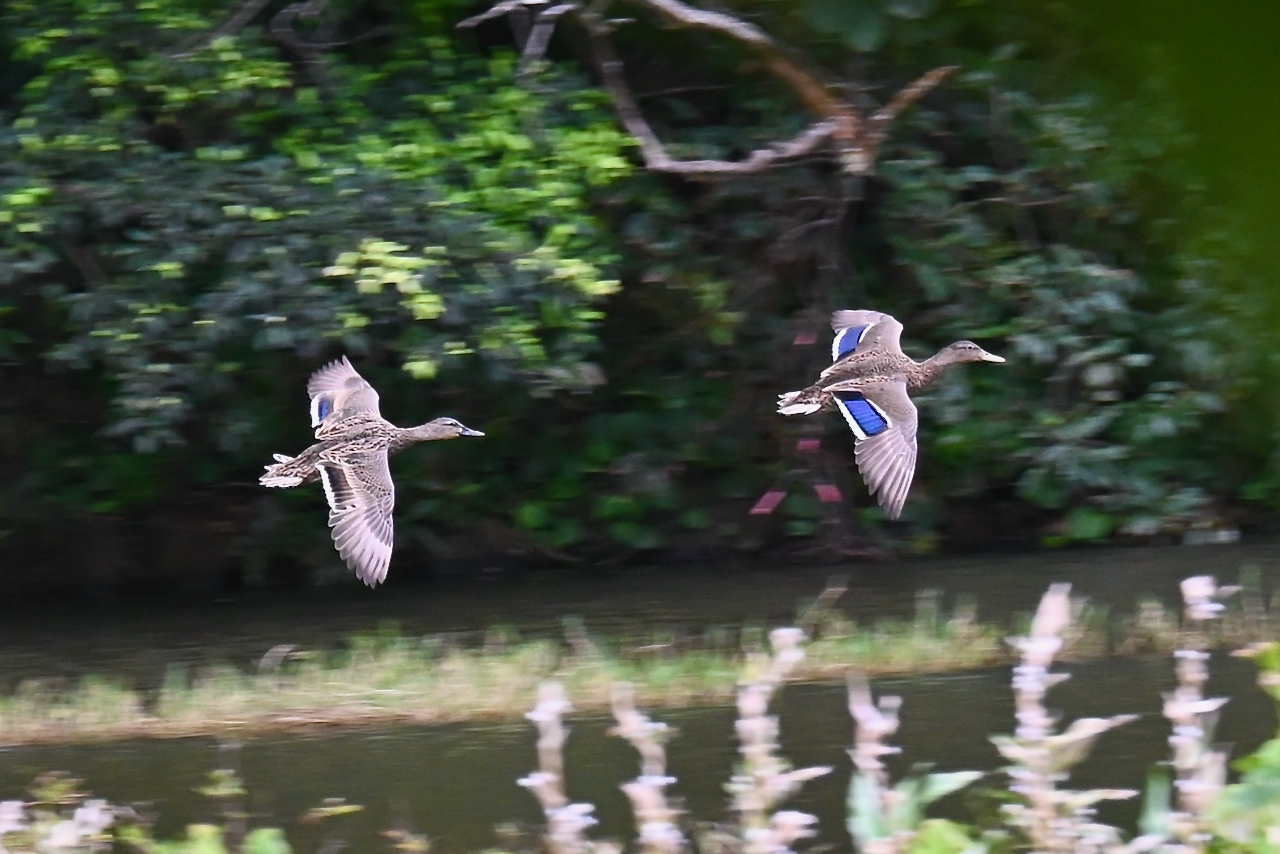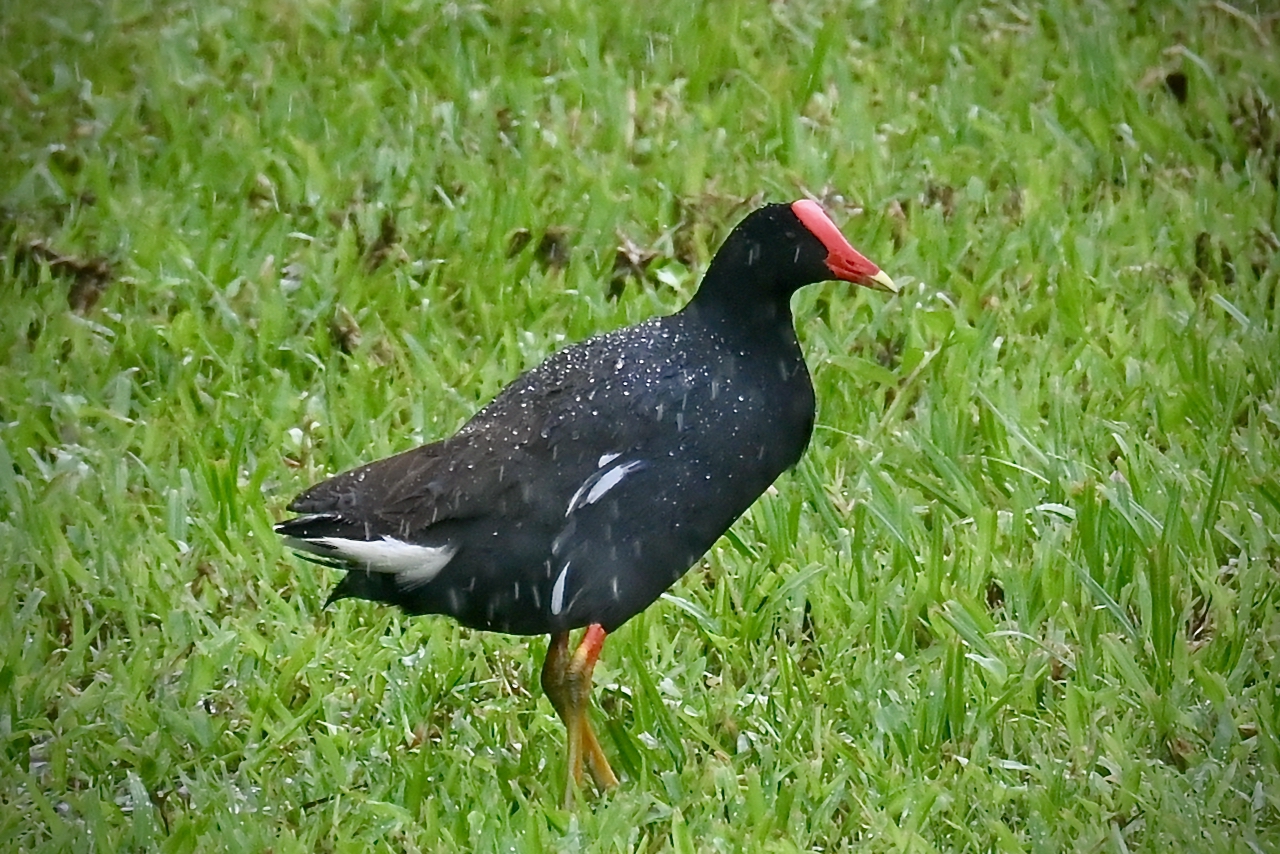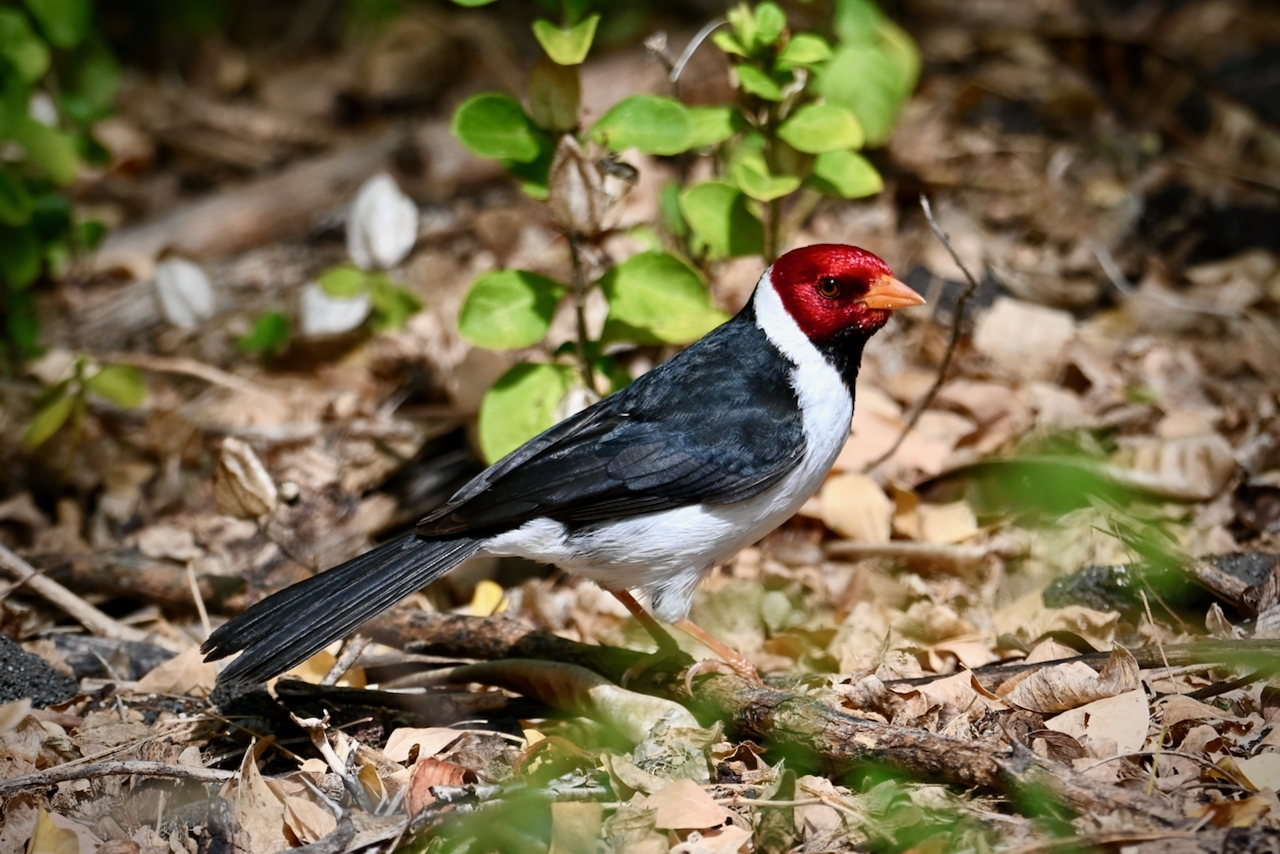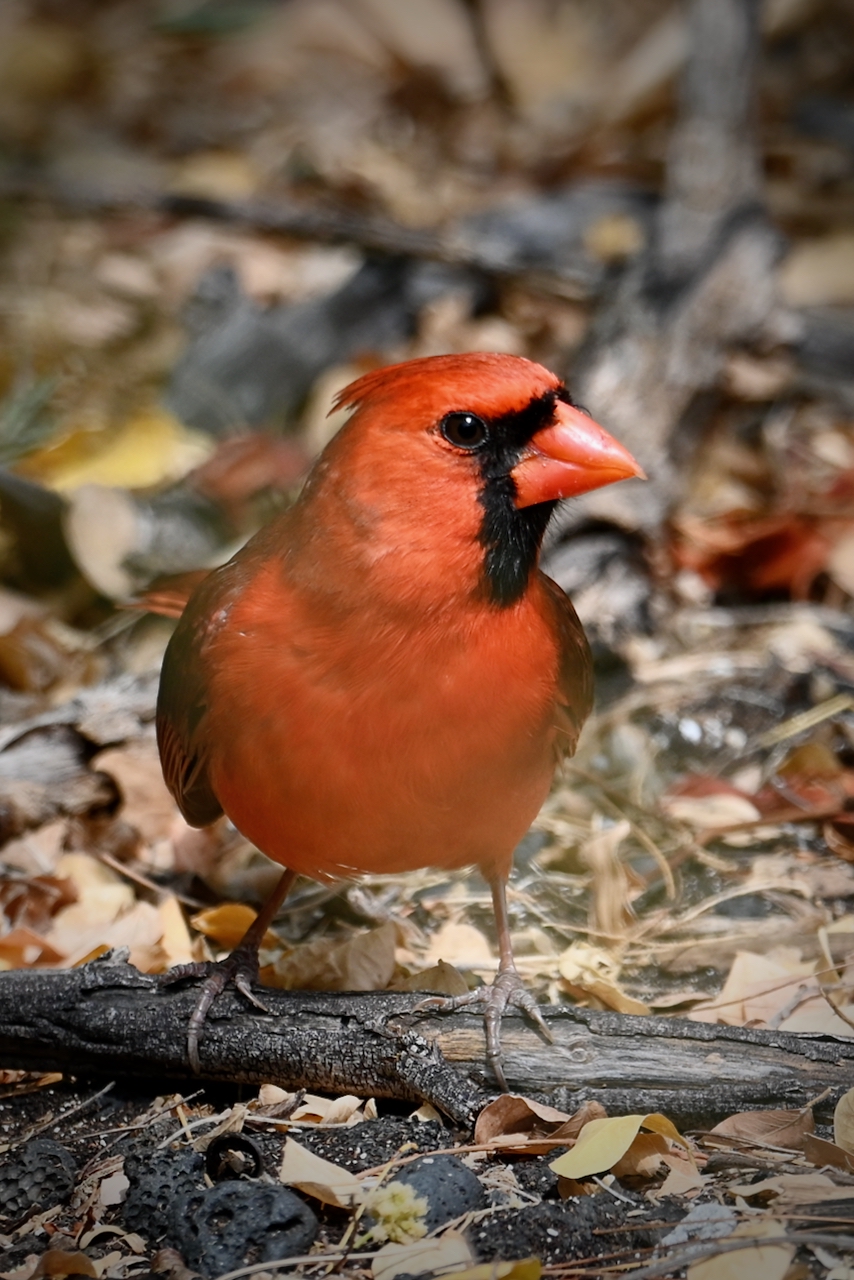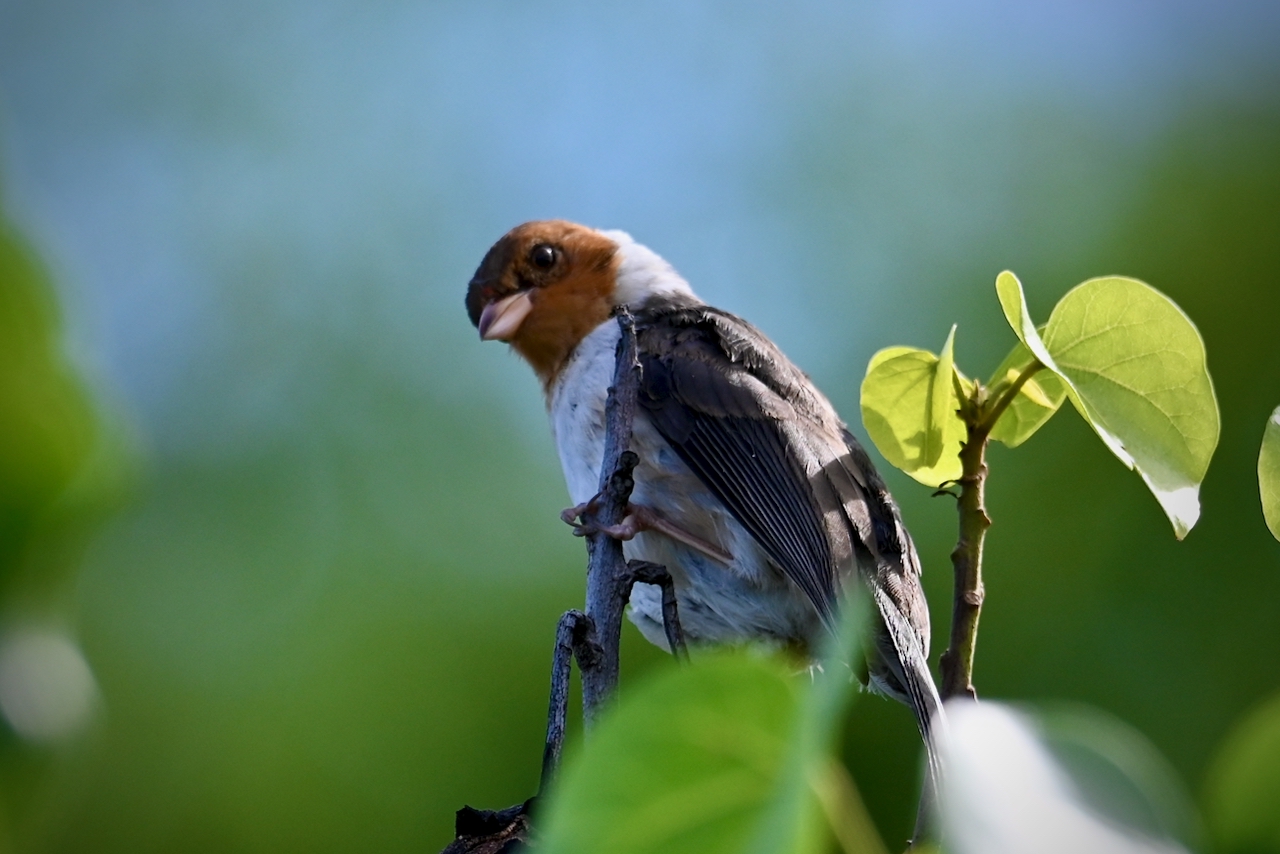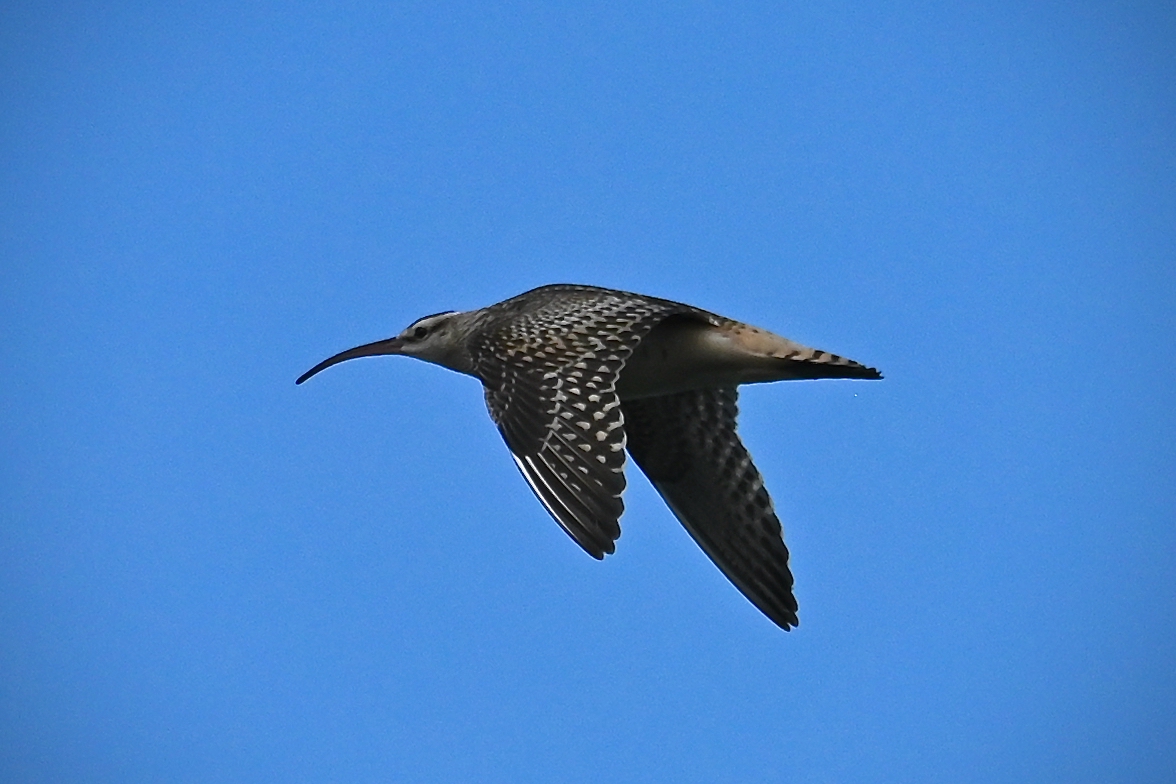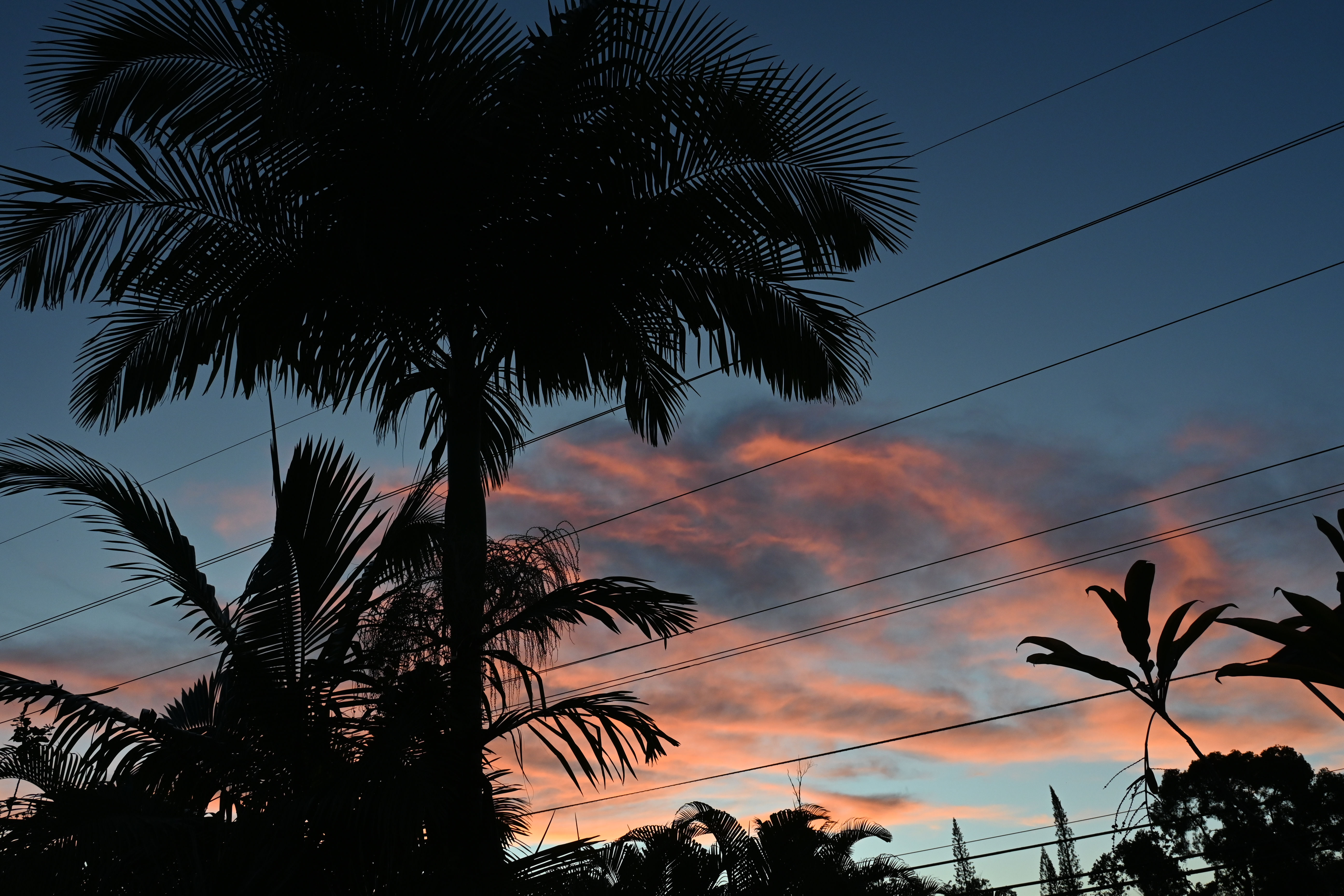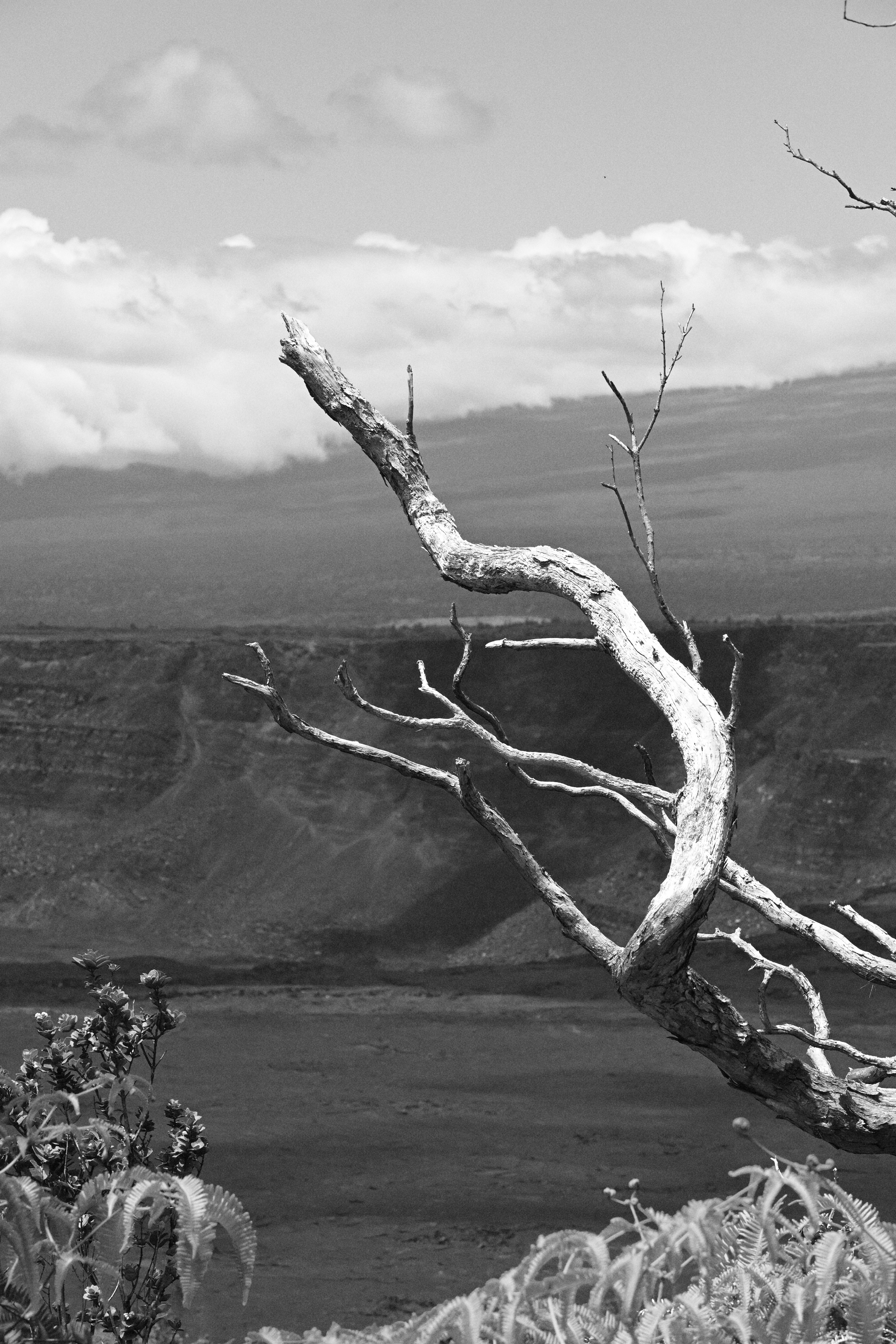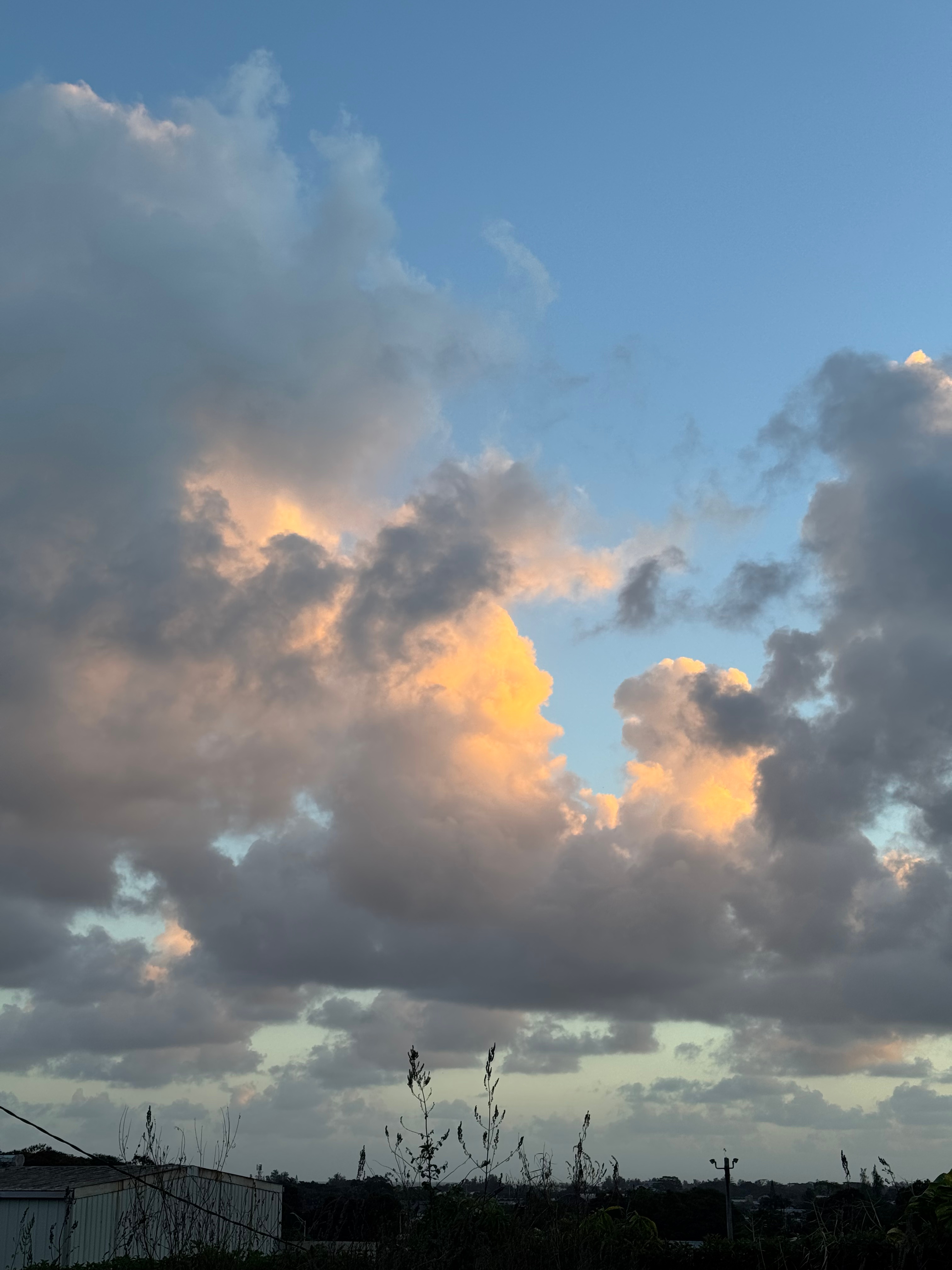
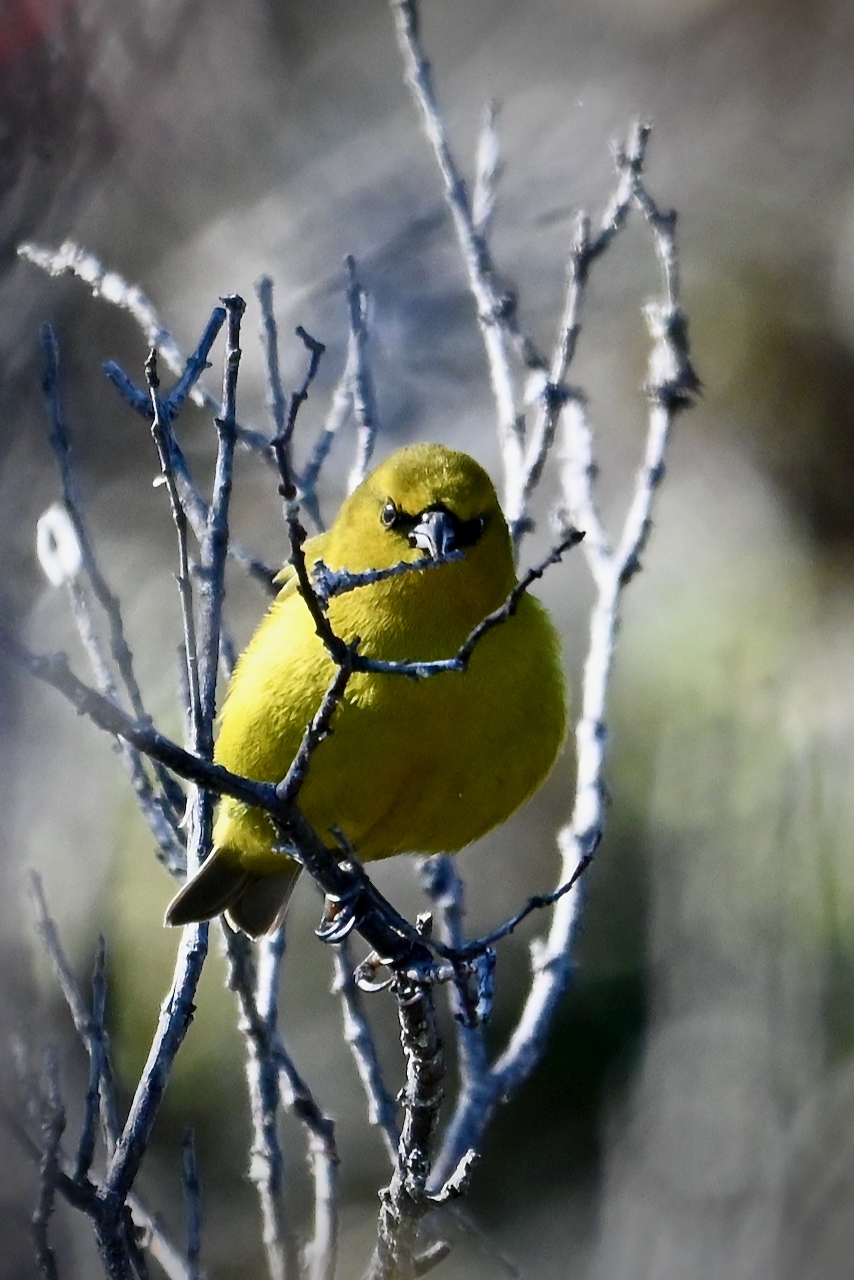
I’m a neophyte birder. I give credit for prescience to former Connecticut Conference Minister the Rev. Dr. Davida Foy Crabtree, who gave me Hawaii’s Birds (Audobon, 1997) as I was moving to Hilo. As I’ve said elsewhere, I began learning about local birds in order to tell stories during worship services. Most of the creatures that I grew up learning and knowing about simply don’t live here. On an island with very few native mammals, I turned to birds as the inspiration and characters for these stories. Many of those stories are archived here.
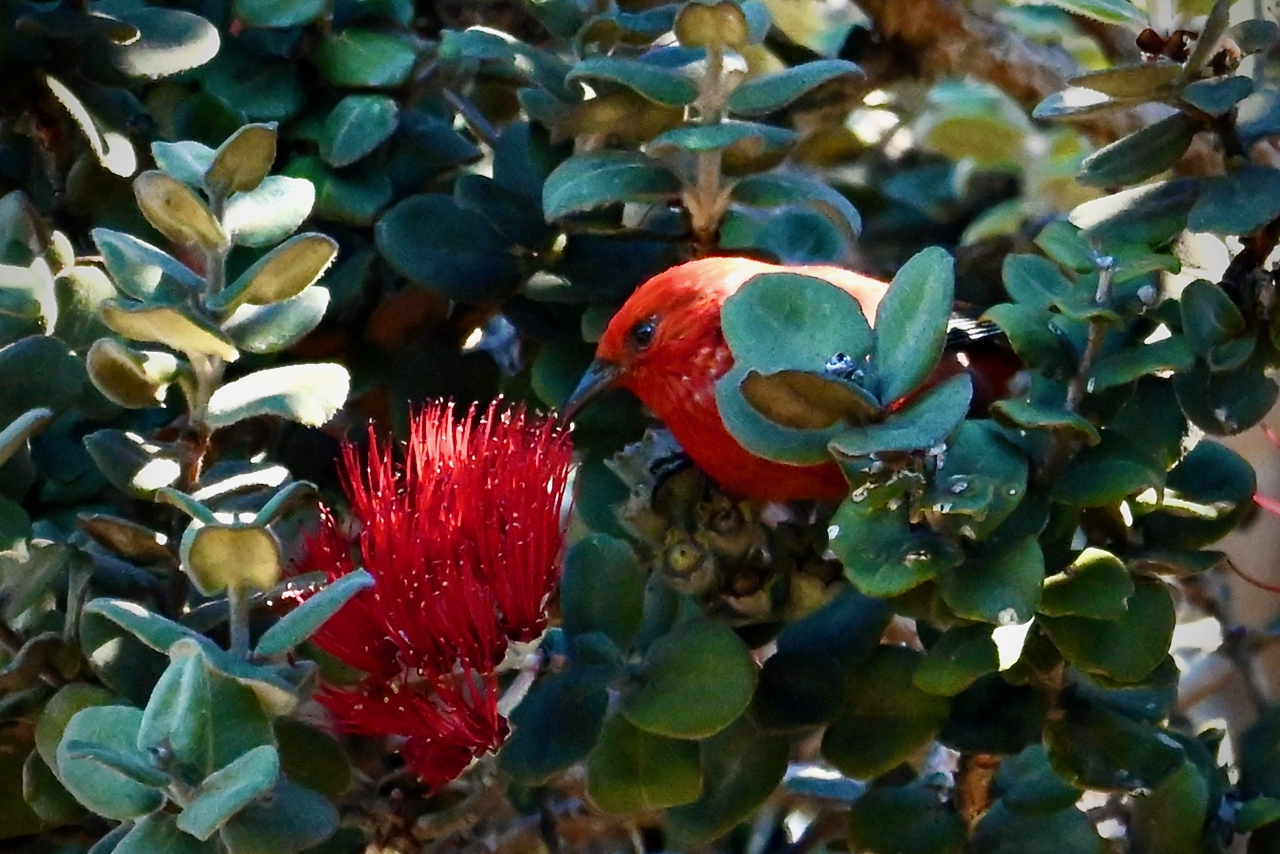
It was only last year that I began formally recording bird sightings through a service of the Cornell Lab of Ornithology called eBird. In 2025 I completed 43 checklists, attaching photos to twelve of them. I took 1,191 photos and 107 videos that I’d be willing to show somebody else. The sightings covered 45 species on three of the Hawaiian Islands and in Connecticut.
That’s not a lot of species for a serious birder, but that’s a part of living in Hawai’i. It is a lot of photo and video material. As the end of the year approached, I realized that I had more bird material than I could include in my annual “A Year” video. The result is the video above, featuring some of the birds I saw and photographed in 2025.
Some of my favorite photos are, of course, in the video, but here they are in a gallery as well.
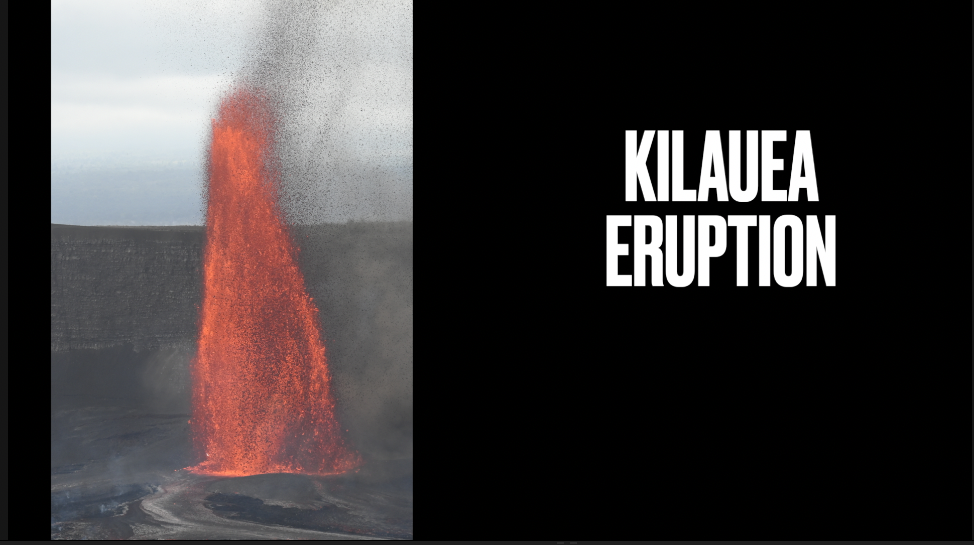
Kilauea, whose peak rises just around 30 miles from my home, resumed erupting in the summit caldera in December 2024. As September begins, there have been 32 eruption “episodes,” including some very dramatic fountaining reaching heights of over 1200 feet. Of the 32, I have observed 14 and captured a very large number of photos and videos. I began to create summary videos, and have settled on producing them in three month intervals.
My great thanks to Scott Buckley, composer of “Snowfall” which I’ve used as the background music for each video, both for writing a great piece and making at available for use with a Creative Commons license.
December 2024 – March 2025
This video includes material filmed from seven visits to the caldera during eruption events.
April 2025 – May 2025
This video includes material filmed from four visits to the caldera during eruption events. It probably includes footage of the highest fountains I have observed to date.
June 2025 – August 2025
This video includes material filmed from two visits to the caldera during eruption events.
During my sabbatical, which ran from February 1, 2025, to April 30, 2025, I had two major projects. In the end, I made progress on both but did not complete either.
I have a tentative list of stories which I will be preparing and submitting for publication. Just reading them took longer than I’d anticipated. I also didn’t make it to the islands of Maui or Moloka’i, in part because I’d had to schedule other needed appointments during that time. I do have a plan to complete that, however.
Something which hadn’t been on my list became enormously important: photography. Capturing the beauty I encountered really lifted my soul, and became the most restoring activity of my sabbatical.
For the time and for the wonders of the world formed by its Creator, I am deeply grateful.
On February 1st, I begin a three month sabbatical, a time to lay down my responsibilities as Pastor of Church of the Holy Cross UCC in Hilo, and to use the time to learn, to renew, and to take on some projects that I haven’t been able to accomplish amidst the daily tasks of ministry. I described my sabbatical objectives in today’s edition of What I’m Thinking embedded above; there is a transcript available here.
What, if anything, does my sabbatical mean for Ordained Geek?
I will be posting less material here. The weekly #lectionprayers are a part of my sermon preparation process. With no sermons to write for three months, I don’t plan to compose those poem/prayers. Likewise I don’t expect to write new stories for worship during this time. Again, I prepare those for worship services I won’t be leading in February, March, and April. The stories and the poem/prayers will certainly return in May, when I resume both my preaching responsibilities and my preparation practices.
That doesn’t mean I’ll have no posts during that time. I may share a story or two that I haven’t before. There are some stories I’ve written elsewhere, or never actually written in full, that I want to consider for the collection which is one of my sabbatical objectives. I anticipate posting them here to help me review them.
I also expect to write some other reflections. I have committed myself to commenting on injustices when I see them, and I already see them. It’s possible that I may turn to poetry for those, and it’s possible that I will write additional essays. One is taking shape in my head, and I expect to post it before long.
I may also prepare some other pieces arising from my sabbatical experience. I didn’t do that when I last took a sabbatical in 2014, but in those days I worked in electronic communications. I had to set much of that aside in order to find refreshment in the time. That’s less true now, so we’ll see how that goes. Besides, I rather hope to share a few photos from my travels around the Hawaiian Islands.
It is also vaguely possible that I’ll write and share new songs during this time. It’s not a part of my sabbatical plan, but I hope that some of my refreshment may come through music. If so, I may post them here.
And finally, I will commit to a Lenten discipline of some kind. I don’t know what it will be, but the chances are good it will be visual (for me, that usually means photography). If it makes sense, you’ll probably see the results here.
You’ll see less from me these three months, but there will be new things coming during that time, and certainly once May has arrived.
People who know me well may sigh at the title of this essay. They’d be right. Regret is a familiar presence in my life. I replay most of my disappointments in my memory quite often. I don’t “solve” them. I don’t develop theories about how I might have influenced a different outcome. I just… regret them.
Those who know me well might encourage me to shed regret, but neither they nor I expect me to do so.
I hope to prevent regret. Well, no. I hope to prevent one kind of regret.
In 1946 the Rev. Martin Niemoller addressed the Confessing Church in Frankfurt, Germany. In his speech he confessed the failures he and other church leaders had made as the Nazis consolidated their power in the 1930s. Later, his words were set poetically. This version is displayed at the United States Holocaust Memorial Museum in Washington, DC:
Then they came for me—and there was no one left to speak for me.
Niemoller’s confession is a sigh of regret for his silence.
I pledge that I shall not regret my silence.
I believe that the return of Donald Trump as President of the United States marks the end of this nation’s republican form of government. I do not believe that there will be another Presidential election, at least one in which anyone other than a single candidate can possibly emerge as victor. Frankly, I’d love to be demonstrated wrong about this, but the evidence is grave. In 2021, Mr. Trump’s words inspired thousands of people to invade the seat of the legislature as they were counting votes: the signature activity of a republic. With his first-day pardons of those criminally indicted and convicted, he has demonstrated that he will not tolerate limits upon his claims of power. Instead, he will promote those who support him with words, and also those who support him with violence.
How will this be accomplished? I do not know. I can think of more than one way, and I will not write them here. I don’t need to give anyone any ideas.
Already the President and his supporters have called for the punishment of a religious leader who dared to ask him – ask him – to act with mercy. The President himself insulted the Right Reverend Mariann Edgar Budde, Bishop of the Episcopal Diocese of Washington, DC. One of his followers, a member of Congress, called for her to be “deported.” Others have decried the use of a religious setting to make “political” statements, as if Christianity had no connection to, and no obligation to call for, mercy.
Let me be clear. Christians, and Christian leaders, have an obligation to call for mercy. They have an obligation to call for justice. They have an obligation to speak for those at risk of harm. Niemoller knew it – too late. Bishop Budde knew it, and spoke the truth of the Gospel.
May she inspire me.
In the weeks I have been considering this essay (it is weeks in the writing), I had initially intended to take as a guide the example of Dietrich Bonhoeffer, another of the German Confessing Church leaders but one whose words landed him in prison. He was executed after he was implicated in the 1944 assassination plot in which a bomb injured Adolf Hitler. Earlier than most, Bonhoeffer spoke against German violence against Jews, and passed up several opportunities to leave Germany for safer posts in England and the United States.
I will not leave.
More recently, however, I have reread the story of Sophie Scholl, a twenty-one year old university student executed by the Nazi German government for “treason” in February 1943. She and other students published The White Rose, naming the government’s sins and urging resistance. Caught after only seven months, she and two others, one of them her brother Hans, were executed within days.
They spoke out, and they paid the price.
I will speak out.
To be honest, I doubt that my words will have much influence. I doubt that my words will dissuade the administration from its administration of evils. I doubt that my words will prevent the dissolution of the republic. I even doubt that my words will annoy them enough to bother to silence me.
Nevertheless, I will speak out.
No regrets.
The image is the booking photograph of Sophie Scholl, taken in 1943 by an unknown German police officer – Stadtarchiv München[1]; Quellen zur Weissen Rose, 20.2.1943[2], Public Domain, https://commons.wikimedia.org/w/index.php?curid=114539963.
After three years of living a very different existence, in the midst of and in the decline of a global pandemic, I found much of it rather exhausting. 2024 felt like playing “catch up” on projects and plans that had been deferred while managing COVID-19. Frankly, that wasn’t easy.
Church of the Holy Cross was able to give energy and focus to things we hadn’t. We resumed welcoming people into membership, and we launched an Open and Affirming committee. We continued to live stream worship via YouTube, since it serves both people who live at a distance and people who cannot attend worship. Video did not replace people in a sanctuary, and it won’t. It’s a different experience, and still worthwhile.
I completed my service as Chair of the Hawai’i Conference Council in June, presiding over an in-person ‘Aha Pae’aina for the first time. The meeting included a lengthy debate over an issue that continues to trouble the Conference: what financial support the Conference should give toward a position in one of the Associations. During my four years, the delegates chose both to fund it and not to fund it by narrow margins. I’m pretty sure that it will take more time and discussion before people consider it resolved.
To my sorrow, I found myself returning to the Chair of the Hawai’i Island Association Committee on Ministry, from which I’d stepped down when elected as Conference Council Chair. I returned to the Committee in May in great part because of the shortage of ordained ministers on Hawai’i Island. During the summer our Chair, the Rev. Larry Walter, died. The Association asked me to fill in, and then elected me to continue the work in the fall. The Committee was further marked by tragedy when one of the lay members, David Williams, died unexpectedly in October.
I continued to make a lot of music. I wrote eight songs in 2024, and all eight are available at 2024: The Songs. The instrument count remained the same (this year’s major expense category was cameras). I sang the spring and fall seasons of the Big Island Singers, which was both great fun and a huge amount of work. The fall concert included my solo performance of “Creature of this World,” which is now two years old. I continued the weekly “Song from Church of the Holy Cross” and the monthly Community Sings. I decided to reduce my solo Community Concerts, however, to four times a year. As the year closed, the musical community of east Hawai’i made its way to Church of the Holy Cross the sing Handel’s Messiah together.
I continued to write weekly LectionPrayers here on my blog, and also contributed to The Living Psalms project of the UCC. Preparing for worship I wrote liturgical materials, sermons, and stories. In the fall, I was welcomed onto the Board of the UCC Media Justice Ministry, my first appointment to a national ministry of the denomination.
I didn’t have a lot of visitors this year – and after welcoming my brother by getting a stomach bug and my cousin by having my water heater break I don’t blame them. Ben and Dee Anderson (no relation) came to Hawai’i in February and Ben did a dialogue sermon with me in church that Sunday.
Kilauea summit, April 1, 2024.
My primary outlet this year (and the most expensive) has been photography. I returned to many of my favorite subjects in 2024, including flowers, sunrises, the occasional sunset, landscapes, and natural shapes. A couple of my favorite images this year were black-and-white. I gave a lot of my attention, however, to birds. I can no longer claim I am not a birder.
I not only pointed my camera at birds, I made plans to go photograph them. Rather foolishly, I promised a friend I’d take a picture of a bird I hadn’t seen in eight years (the i’iwi, a distinctive Hawaiian honeycreeper with a distinctive long curved orange beak). I got a photo, and I even liked it. I even saw (and got a bad photo of) a bird I hadn’t even heard of, the ‘akiapola’au, thanks to two birders who were seeking it by the trail.
Next year, I plan to spend some time on other islands, and yes, I’ll bring my camera.
I didn’t do a lot of traveling in 2024. I made three trips to O’ahu as part of my Conference work, and flew to the northeast in July/August to visit my more-scattered family in Connecticut, Massachusetts, Vermont, and New York. I could have added Maine to that list, but I spent too much time in the rental car as it was. With driving being my primary activity, my photos tended to be of people I love, and there’s nothing wrong with that. I will say that the day Paul Bryant-Smith and I kayaked down a river in New York State was great fun and amazing birding – I saw great blue herons and bald eagles veery closely – but fortunately for my camera, I didn’t bring it along to share my dips in the creek.
2025 will bring something I’ve been waiting for this year: the second sabbatical of my career. Expect to see less new writing, as I’ve got a project for the time, but also expect to see some more photographs.
I was ordained in my home church, Union Congregational Church UCC in Rockville, Connecticut, thirty-six years ago today.
A lot of things have changed in the intervening three and six-tenths decades. For one thing, my home congregation left the United Church of Christ, which is a lingering ache. My father retired from a distinguished career as a public school educator, completed a seminary degree, and was ordained himself. My daughter has also graduated from seminary and I look forward to celebrating her ordination. My son has kept his concentration on the writing and creating he wants to do, a quest that has taken him to the heartland of Arthurian stories in Wales.
The UCC has lost members and lost churches every one of these thirty-six years. We’re not alone. Similar things have happened in “mainline” Protestant denominations and in traditions that have rejected the mainline. The church has aged. Even now, as I have entered my sixth decade, I remain younger than a majority of my parishioners.
It seems like I ought to have learned something over all these years, and to have some wisdom to offer to colleagues, friends, church members, and church leaders. I feel like I should. If I do, I wish it were clearer to me.
The time has passed in the blink of an eye, a blink of an eye that has included innumerable endless days.
A couple weeks ago ministers of the Hawai’i Conference gathered for a retreat, which was held just a few miles from my home. On one of the afternoons, we participants could participate in “adventures.” For various reasons, including the vigorous advocacy of a young person in my congregation, I was asked to be the local pastor who accompanied (and joined) those who took part in a zipline adventure.
It wasn’t entirely outside my wheelhouse. While in Connecticut, I sought training as a ropes challenge course facilitator. I really enjoyed the training and the work of guiding people through an experience of testing their boundaries, trying something scary and finding a new sense of accomplishment. As I’ve put it more than once, facilitators spend their time safely on the ground, but in training we spent more time at the heights. The conference’s retreat center didn’t have a zipline, but I did get a chance to try one before moving to Hawai’i.
The simple truth is that I don’t have much fear of heights, and doing that training and that work taught me to trust the equipment.
I still wasn’t sure how I’d feel until I set off on the first zipline that afternoon. Would it be exhilaration? Had I developed a fear of heights without realizing it? Would something else happen that I didn’t anticipate?
It did. I settled into the harness, glided along the cable, and felt about as relaxed as I’ve felt in some time.
Yes. You read that right. I felt relaxed.
I was surprised, too.
Relaxation can be hard to come by in a pastor’s life. Sometimes pastoral duties come with a lot of anxious energy. The other day I received an urgent call to go to the hospital, as someone from another church, someone I have known and worked with, had been rushed there by ambulance. When I got there, nobody had a record. It turns out that they’d died in the ambulance without ever reaching the hospital.
That afternoon brought a lot of concern, anxiety, shock, and grief.
If I have any wisdom to offer on the thirty-sixth anniversary of my ordination, it’s this: Relax into the glide of the zipline. Ministry can feel like an uncontrolled glide over a yawning chasm at times: mercifully, not all the times. When it does, the mechanisms that keep me from falling aren’t readily apparent, or if they are, I may not be convinced of their strength. Those pitfalls look awfully deep.
Relax into the glide.
You’ll get to the other side.
It’s an imperfect metaphor, of course. One of the features of ziplines is that they make straight lines between one place and another. Ministry frequently doesn’t. You set off in one direction, and find yourself landing in a completely different place. Thirty-seven years ago, did I expect that I’d do interim ministry? Play the guitar and ukulele? Manage IT and publications for a Conference? Facilitate on a challenge course? Pastor a church in Hawai’i?
No, no, no, no, and no.
Not all of my transitions have been gentle (far from it) and not all of my landings have been soft (far from that, too). The ground that looked firm has crumbled beneath my feet both at the beginning and the end of the traverse. I still don’t really understand the systems that have kept from out of the crevasse all these times.
But if I have one piece of advice, it is: Relax into the glide.
You’ll get to the other side.
The photo shows me (a gray figure with an orange helmet) gliding down a zipline over a waterfall. Photo by Ben Sheets.
The last installment of this series, to my surprise, is nearly four years old. Since July of 2020 Church of the Holy Cross UCC returned to online-only worship when COVID infections rose dramatically that summer. In-person worship did not resume until April 2022.
When people returned to the sanctuary, we restored some, but not all, of the pews to the room, maintaining wider spacing. Eventually we returned nearly all of them. We continue to make masks and hand sanitizer available, and we have a policy that dictates when we will require masks, and when we will require online-only services. In the last two years, we have not had to implement that policy.
We found solutions to a number of our challenges during those two years of streaming. Having moved to the pulpit and lectern in the summer of 2020, we remained there, to give more of an in-person feel. We added more music. When people came to the sanctuary, we made some additional changes.
Moving the Consoles
With only the worship team in the sanctuary, we could place the mixing console with its PC, ATEM mini switcher, and remote control for the sound board where it was convenient for cable runs. As I’d noted in the previous piece in this series, we were near the limits of HDMI cable length. With a congregation in place, however, we needed to move the technical station, preferably to the back of the room. How could we get the camera signals there, however?
The answer was fiber-optic HDMI cables, whose prices had plummeted over the last few years. They carried signals over 100′ with no degradation. We initially laid them across the floor with cable covers, but then moved them along the walls above the windows.
In the meantime, Blackmagic Design had issued a series of upgraded ATEM Mini units. We purchased an ATEM Mini Pro. Its four inputs gave us the ability to connect three cameras plus the feed from our internal slides. Best of all, this piece of hardware can display a multiview on an external monitor, allowing us to retire the field monitors.
Camera Upgrades
The little Canon video cameras had done good service, but they were showing problems. They used a mini-HDMI connector, and it was not built for the strains of moving the camera back and forth. We began to suffer short dropouts on cameras, and I began to worry that one or both of the connectors would fail. In addition, we faced the need to move the cameras further back in the sanctuary as people returned. We looked for a better long-term solution.
We invested in three Blackmagic Design Studio Camera 4K Plus cameras. We equipped two of them with longer power zoom lenses and one with a wide power zoom. The wide lens camera stands raised at the back of the sanctuary and provides a shot of the entire room. It has no operator. Volunteers point the other two, permitting us to continue streaming a three camera production. I have really welcomed these new cameras, because for the first time I know which one is active. I recently discovered that a small tweak to their color balance has really improved the look.
Sound
Our Soundcraft Ui24R has continued to serve us well, allowing us to send separate mixes to the speakers in the room and to the live stream. Moving the control console forced us to a new solution for getting the feed to the stream. We’re much too far from the physical mixer to use USB. Instead, we run an analog connection from the appropriate Auxiliary Out port to the back of the room, where it connects to a sound input on the ATEM Mini Pro. With a little bit of delay to compensate for the delay built into HDMI, we have solid sound.
We did add a “house sound” microphone to the mix. It hasn’t been a rousing success. We haven’t been able to place it so that it picks up the congregation without picking up the internal sound as well. We use it primarily during responsive readings, but not much otherwise. I’d still like to improve that somehow.
Movement
When a congregation returned in 2022, one of our members led them in movement, generally to one of the hymns or a musical anthem. As we increased the number of hymns in the service, this became less needed, and eventually we began to schedule the hula with an anthem. Sadly, the member then went through surgery, and we haven’t got her back on the calendar.
On the other hand, there is more movement in the service. The candle lighters go back and forth, and we stand and sit for prayers and hymns. We seem to have returned to that balance of stillness and striding that fosters a sense of worship.
Lights
We replaced the lights illuminating the sanctuary and the chancel with brighter LEDs that have a consistent color temperature. That has improved the video quality as well as the experience of worshipers in the room. It also led us to replace our sanctuary projector. The brighter overhead lamps made it much more difficult to read the screen, and the old projector wasn’t bright enough.
On Video a Lot
In 2016, when I began to serve Church of the Holy Cross, I began a video series called What I’m Thinking, a short improvised reflection on the Scripture text for the coming Sunday. That series recently exceeded 350 episodes. That makes one appearance in front of the camera in a week.
On Wednesdays, I’ve continued to offer A Song from Church of the Holy Cross. I began this program to test camera and microphone solutions, but also to provide some music in what I anticipated would be an all-too-musicless pandemic environment.
On one Friday a month, I offer a one hour Community Concert, which includes songs in the public domain (because copyright) and a few original pieces.
And of course on Sunday, I’m there before the cameras with worship. I’d never imagined becoming a televangelist, but I have to admit I’ve become one.
I wrote this essay in 2011 as a Facebook Note. Those pieces are getting harder to find, so when I encounter ones I wish to save, I have been posting them here. I have made a few revisions. For one thing, the son in question has since earned both a bachelor’s and a master’s degree.
June, 2011
On Monday, my firstborn child will take a few more of the steps into adulthood. He will walk across the platform and receive the diploma that marks the close of his public school education. With scores of other parents in the seats, and thousands across the nation, I will applaud him. My heart will fill with joy and pride, and my eyes with tears.
Adulthood is not conferred by arbitrary markers such as age, education, or achievement, but it is suggested by them, sometimes even confirmed by them. My son will be very little more mature on Tuesday than he is today (I can hope for at least a little bit), but this is one of the milestones used by our society that shouts loudly indeed. Even though I’ll continue to support him for some time to come – college tuition comes to mind – even in my eyes he can no longer be the boy I’ve known so long.
I hope I’ve been a wise father. In some ways I suppose I resemble the metaphorical “helicopter parent,” hovering over my children. I still read aloud to my children every night, and they still tolerate it. I still walk to the bus stop in the morning with them. This Thursday I saw my son onto a school bus for the last time.
If I am a helicopter father, I’m one who has chosen to tell a central truth. Life comes with pain, and pain comes with life. I had few options about concealing this truth. At a very young age my son learned a great deal about pain and fear, when his baby sister needed treatment for a life-threatening illness. I didn’t try to lie to him about pain, and risk, and heartbreak, and fear. These are realities of the world, and even the most loving parent in the world lacks the power – not the desire, the power – to hold them all in check.
I hope I’ve succeeded in doing what I set out to do instead: to make it clear that though I could not necessarily protect him, I could be with him. There is pain, but there is also comfort. There is death, and there is life. There is sorrow, and there is joy.
I don’t know how well I did with that. It’s a life lesson, and he’s plenty of time to learn it. For the moment, I ache for his disappointments. I ache for mine as well, but I ache especially for his. To some extent, I know, he has made or found his own comfort. To some extent, I fear, his hurts endure.
And I know, imperfect person that I am, that I have inflicted or contributed to some of those hurts, for which, my son, I am most sorry.
I am a minister of the Gospel, and he’s paid some of the price for that. I spent too many evenings away from the supper table, unable to lend my voice to the bedtime story. He has endured the pressure of being a “P.K.,” pressures I can’t wholly know. I lost my relationship with his mother, and I can hardly imagine the tears he’s shed for that, only know that they had an echo in my own.
And it must be said that my flaws of personality, intelligence, and wisdom have nothing to do with that vocation at all, and he’s suffered for those, too.
My son sees, and he dreams. He dreams, and he thinks. He thinks, and he writes. He writes, and he speaks. He’s eloquent, and far more wise than I remember being at that age. He clothes himself in black, to make something of a suit of armor for himself, even though he knows it does not protect him and cannot. And he still he dreams of Camelot: of “the powerful fighting for the powerless, instead of exploiting them.”
My son, go forth and make it real. There is pain, and there is no armor that will keep it from you; there is no shield you can place before anyone else that will entirely prevent them from suffering. But there is also brilliance, and eloquence, and wisdom. There is generosity, and joy, and courage. There is strength and resilience and endurance. There is faithfulness and honor, there is love, and laughter.
My son, there is life. You have it in abundance.
So go forth into Tuesday morning, and the Tuesday mornings that follow. There are books and classes still to come for you, there is time to splash about in the lake. There are long trips and short excursions, there are embraces and there are kisses. There is sorrow and loss and disappointment, and son, there is life.
And if you’d like someone to stand with you when you stand in your armor, hoping your courage will last, call. I walked to the bus stop with you. It’s just one more step.
I wrote this essay on May 30, 2010, as a Facebook “Note.” Those Notes are getting harder to recover, and so when I’ve found one that I still appreciate, I’ve been adding them to my blog here. The original title was “Forgiving the Internet,” but I’ve revised that. I’ve also made revisions that reflect the intervening fourteen years since its composition.
My career in ministry has been marked with a consistent theme: I repeatedly find myself doing things that I either utterly failed to anticipate, or that I specifically said that I’d never do. I actually said aloud in seminary that I never wanted to serve as an interim pastor; I spent nearly ten years doing just that. For seventeen years I spent the vast majority of my time on electronic publishing and communication media that simply didn’t exist when I graduated from school over twenty years before. Today I serve a church on Hawai’i Island, a place I never imagined I’d visit, let alone live.
With the rise in social networking, I led a number of workshops on the Church’s relationship to social networking phenomena, and how to adapt ‘safe church’ practices to the virtual world. While these utilities were still very young themselves (Facebook was only six years old when I composed this essay), I was obviously just one step ahead of anyone in the workshop groups, and sometimes two or three steps behind…
But there’s a characteristic of the Internet that, I think, cries out for a word from the Church, from Christians, and from people of a wide variety of faiths. The characteristic is the longevity, the durability of information in the Internet. My workshop leadership partner successfully found the text of a paper she’d submitted for a class in the 80’s — somehow, it had been posted to a database, ‘spidered’ by Google, and there it was for anyone to find.
At the same time, we keep hearing of firms and institutions evaluating the applications of potential employees with searches of the Internet and, particularly, of their ‘personal’ social networking profiles. According to a 2009 Proofpoint study, 8% of US companies with over 1,000 employees had fired staff for misbehavior related to social networking. How many weren’t hired in the first place?
In the past, we’ve been able to leave our errors behind us. The indiscretions of youth, the sins of ignorance, and the painfully-overcome failures associated with addictions or with strongly-held, sadly mistaken beliefs. Graduation, change of residence, change of job, new affiliations all brought a New Start.
With the Internet, we’ve probably lost that, and it’s probably gone for good.
So we’re going to have to learn to forgive.
I can’t think of anything more counter-cultural, neither at the time I first composed this reflection or at this moment. This is a judgmental time. The ideological politics we bewail has deep roots in the inability to tolerate or forgive dissent. A political victory in one issue makes collaboration on another issue prohibitively difficult.
In 2008, the United States led the world in the percentage of its population which was behind bars. I strongly suspect that in prior years, and in other countries, at least some of those imprisoned offenders would have been confronted differently than they are today.
With the political mechanisms paralyzed, with huge numbers of citizens released from prisons and anticipating a short stay ‘outside’ before they’re returned, with all of our long-since-forgotten but electronically preserved peccadilloes waiting for us to find them again, we’d better learn to forgive.
Forgiveness is not the same as forgetting, and it never was. Forgiveness does not release anyone from responsibility. I’d argue that until there is repentance, there can be no forgiveness.
Forgiveness is the restoration of relationship; it is the acknowledgement of prior failure and the commitment to a new way of success. Forgiveness reinforces responsibility even as it relieves the offender from the consequences of offending.
Forgiveness has always been a foundational Christian value. It has always strengthened families and communities. It has always been praised when publicly displayed — remember Pope John Paul II and his attempted assassin, Mehmet Ali Agca — while simultaneously dismissed as a virtue with utility in the ‘real world.’
The real world and the virtual world now, I think, demand that we deliberately, systematically, and steadfastly employ this virtue of forgiveness. When forgetfulness will no longer permit new life, then forgiveness must take its place.
I think this is one of the central challenges for the Church of Jesus Christ in this age: to summon society to this new virtue, for its survival and salvation.