Story: The Best

October 1, 2023

Philippians 2:1-13
Matthew 21:23-32

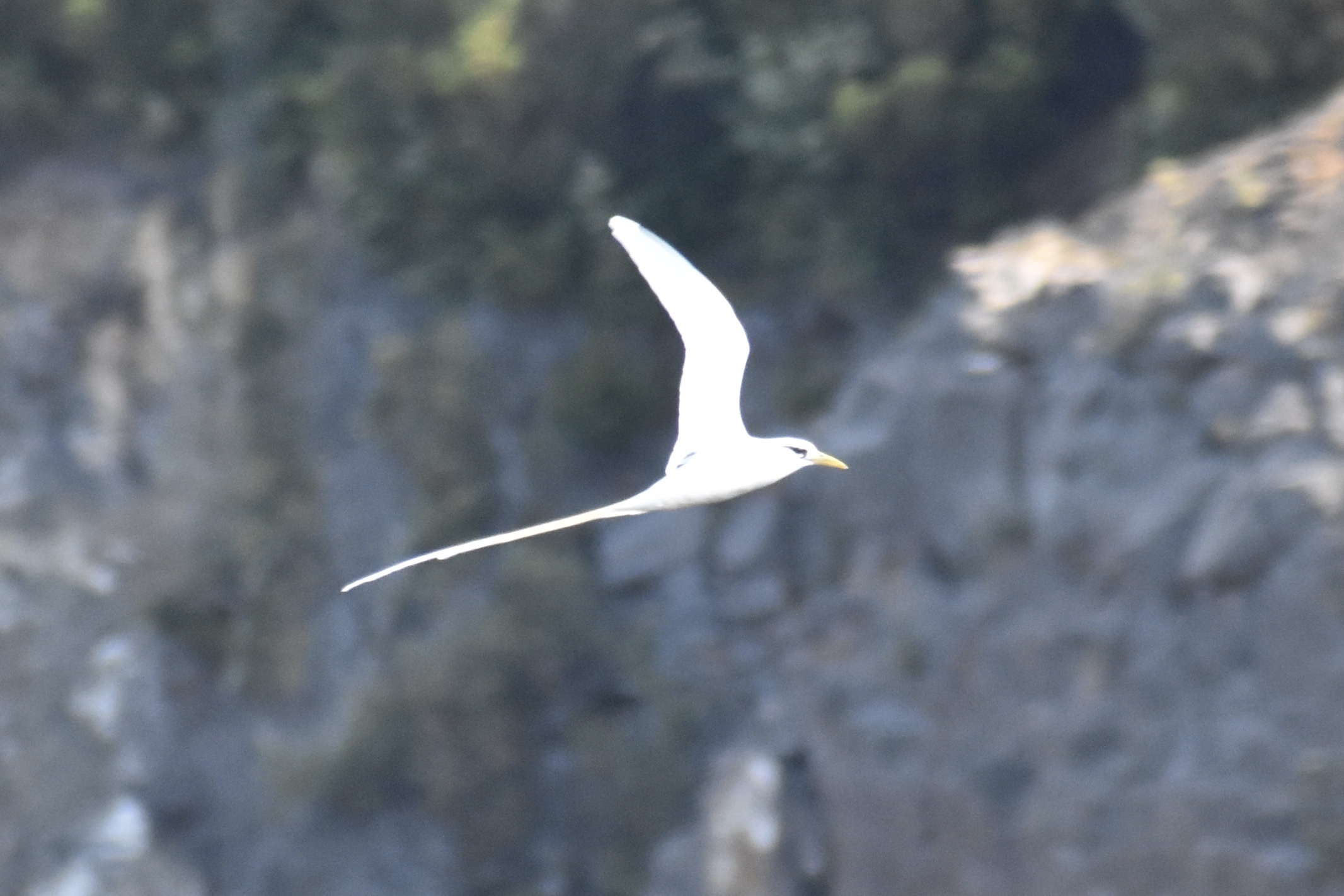
She was the best. Everybody knew it. When young koa’e kea began learning to fly, they aspired to fly like her. She was the best.

Koa’e kea move awkwardly on land, and so did she, but the grace with which she’d take off had everyone gasping with amazement. One moment she was stationary on the ground, the next moment she was in the air, moving as if she’d never been anywhere else. When fishing, she would dive straight down, and only stray to the side to intercept the moving fish in the water below. Her take-offs from the water were as seemingly miraculous as her take-offs from land. One moment bobbing in the waves, the next moment climbing to the skies.

When young koa’e kea tried to race her, they rapidly fell behind. When they tried to turn more sharply than she, they either skittered away or fluttered helplessly down until they’d caught themselves and controlled their flight again. She landed so gently that her legs barely flexed. From time to time she’d gently roll through the air. Those who imitated her went through day after day of struggle, turning this way and that and descending rapidly, until they finally mastered those subtle movements of the feathers. Then they’d roll, but never with the same grace and power.

When she wanted to relax, she’d catch the rising air above Halema’uma’u Crater, soaring in rising circles with barely a wingbeat, higher than any of the other koa’e kea dared to go, a spot of white against the blue sky.

She was the best.

One young koa’e kea was determined to be her successor – in fact, to fly even better than she did. He studied every move she made. He exercised his wings. He spent hours facing into the trade winds and seeing what happened when he moved this feather like this, or that feather like that. He was going to be the best.

There was one difference, though. He announced it.

“I will be the best!” he said at some point during just about any conversation. He knew he wasn’t the best, not yet, but every koa’e kea on the mountainside knew what he aspired to be.

As for the best flyer among them? She said nothing, did nothing, but flew her best over the ocean, and over the pali, and over the mountain. When someone asked her help or advice she gave it (she was a willing teacher), but there was never a word from her about who the best flyer among the koa’e kea was.

There were plenty of words from the younger one. “I’ll be the best!” he said. “I’ll be the best very soon!” And indeed, that seemed like it might be true. He was taking turns almost as sharply as she. His take-offs were almost as magical. When he soared, he rose nearly as high.

So his grandmother took him aside one day. “Grandson,” she said, “I am very proud of you. You are the best flyer of your generation, and you may become the best flyer of us all. I’m so proud of all your hard work.”

“I’ll be the best,” he said.

“But one thing, grandson,” she said, “will prevent you from being the best if you keep doing it.”

“What’s that?” he asked. “Is it the way I hold my tail on takeoff? I’ve been working on that.”

“No,” she said. “It’s the way you keep talking about becoming the best.”

He was confused. “If I’m the best, or nearly the best, shouldn’t I say so?”

“Does the best flyer among the koa’e kea need to say it?” his grandmother asked.

As he thought about it, he realized that she never said a word about it. Even when she was doing something showy – like those rolls through the air – she never did it in a way that upset the other birds. She relaxed through those rolls, and in those rising circles, so that nobody ever thought her skill was a taunt or an insult to them. It was just an expression of her joy in flight.

“No, I don’t think she does,” he replied.

“You’re more than a good enough flyer,” said his grandmother, “that you don’t need to say a thing about it, either.”

It took a while to break the habit – bad habits are hard to break, aren’t they? – but on the day that his soaring circle reached higher than hers, he said nothing about it. She did – she congratulated him on his skill – and the two of them were the wonder of the koa’e kea of Hawai’i Island, rising, turning, diving, and soaring so beautifully that everyone else watched in wonder and in awe.

by Eric Anderson

Watch the Recorded Story

I write these stories first, and tell them from memory – which means things change. Today that includes the addition of sound effects.

Photo of a koa’e kea (white-tailed tropicbird) by Eric Anderson.

Story: Love Isn’t Fair

September 24, 2023

Jonah 3:10-4:11
Matthew 20:1-16

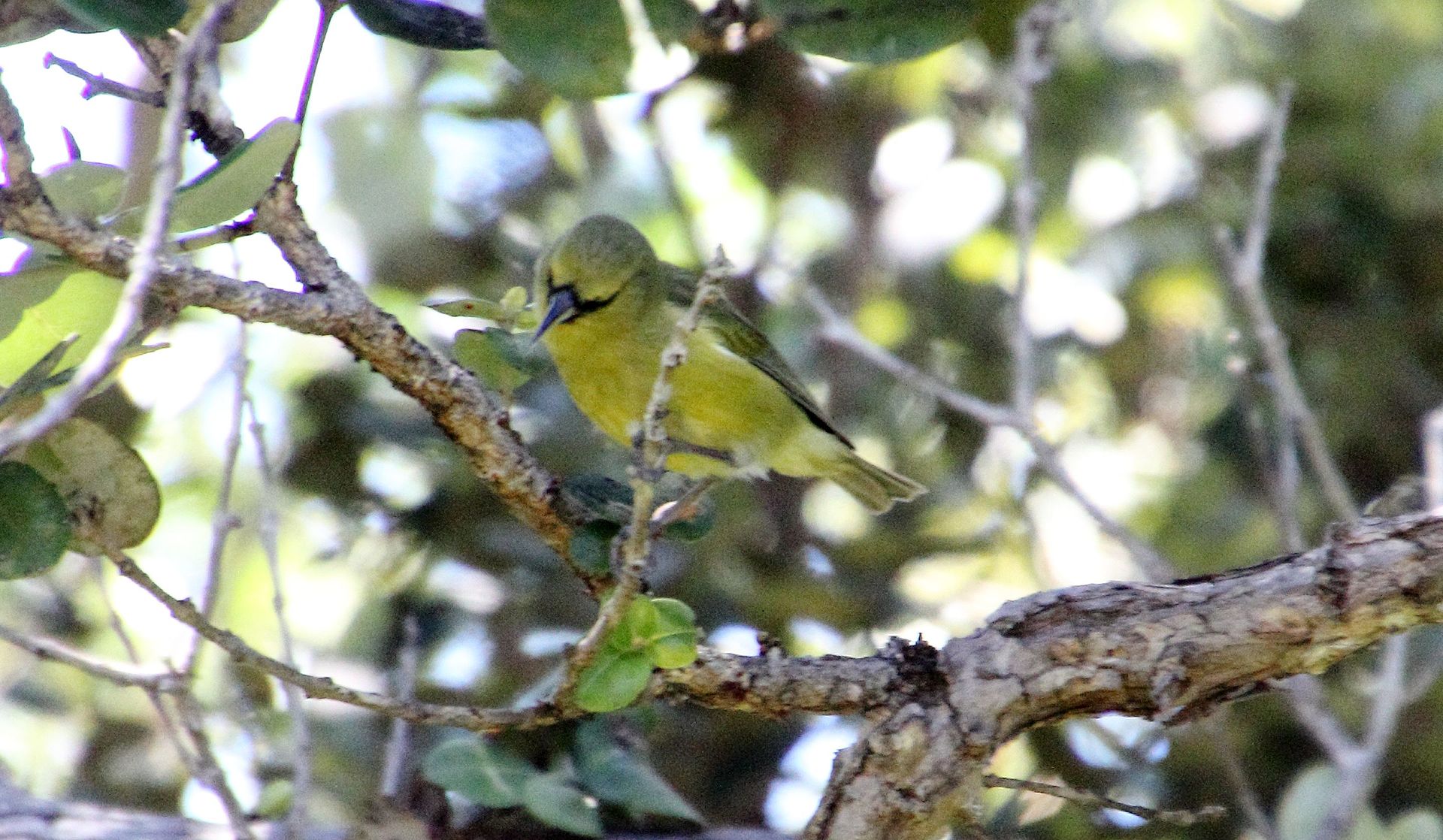
He was the oldest of the three ‘amakihi, so he thought he would get everything the first and the best.

In fact, he did get fed first after he’d emerged from the shell and was breathing deeply for the first time. Getting out of an eggshell sounds easy, but he didn’t find it so. Next to him the other two eggs continued to rock and creak for some time as he ate his first bug from his mother’s beak. It tasted wonderful.

I know you and I might not think so, but he thought it tasted wonderful.

Truly, though, he wasn’t born first by much. His sister emerged from her shell within an hour, and his brother was eating his first bug a half hour after that. Still, he was first. And if you’re the first born – um, first hatched – that comes with some benefits, right? First hatched, first fed – at every meal. First hatched, first flight lesson. First hatched, first singing lesson. First hatched, first… well, everything.

But his parents didn’t seem to have learned that rule.

When they came with bugs for their nestlings, they tended to put it in the first handy little beak. Our oldest little ‘amakihi didn’t like it, but in all the chaos of pushing about in the little nest he thought they were just careless and making mistakes. As they grew, he learned to get his beak in place just a little more quickly at mealtimes, but he thought his parents had figured out how to feed him first. And at singing lessons, he didn’t wait for them to say, “Who wants to sing first?” He just sang first.

Flying lessons, though, were different.

Flying, obviously, has to be taken seriously. ‘Amakihi may be small birds, but gravity pulls them just like it pulls you and me. Mother and father didn’t ask for volunteers or pay any attention to his volunteering. They called on the one who was ready, not the one who was eager.

It made him mad.

“That’s completely unfair!” he shrieked one morning when his younger sister took off before he did. He launched himself into the air, flapping madly (and angrily) and not very well, because he wasn’t paying attention to what he was doing, he was paying attention to what he was feeling. He landed rather painfully in a nearby tree and sulked.

The branch jumped a little bit as another bird landed near him. He looked up to see his mother.

“What’s not fair?” she asked.

“It’s not fair for you to teach the others before me. I was born first. I’m always first. I’m always supposed to be first. I’m first!” he said. And he cried angry tears.

She waited until the crying had settled down some, and said, “No, it’s not fair. And it won’t be fair. Not because being born first, you always go first – that’s not true, son, and it’s about time you learned that – but because love isn’t fair.”

It was a shock to hear that he wasn’t always going to be first, but it was more of a shock to hear that love isn’t fair.

“I love everyone in our family equally,” she said. “I love them equally even when they peck at me, like your sister did yesterday, or when they ignore me, like your brother did this morning. I love them equally when your father eats the bug I was following or when your grandmother tells me how to do something that I already know how to do. If I were being fair, I’d love your sister more when your brother annoys me, and I’d love your brother more when your father makes me angry.”

“And you’d love everyone else more when your oldest son gets mad and flies off in a huff,” said her oldest son.

She didn’t have to reply.

“Thank you for not being fair,” he said.

“You’re welcome,” she said. “Now, shall we work on that takeoff? And landing? And paying attention to where you’re going in flight?”

That little ‘amakihi family went right on being unfair – and loving one another each day.

by Eric Anderson

Watch the Recorded Story

I write these stories ahead of time, then tell the story from memory. Memory plus improvisation, that is.

Photo of an ‘Amakihi by Bettina Arrigoni – Hawaii Amakihi (male) | Palilia Discovery Trail | Mauna Kea | Big Island | HI|2017-02-09|12-21-50.jpg, CC BY 2.0, https://commons.wikimedia.org/w/index.php?curid=74674240.

Story: It Starts with Truth

September 17, 2023

Romans 14:1-12
Matthew 18:21-35

They were building their first nest together as an ‘apapane couple. An ‘apapane nest is a pretty impressive piece of engineering, taking a week or even a day or two more. That’s a lot of grass and twigs and moss to move.

They weren’t the only ones, of course. In a tree not far away his sister and her husband were also building a nest, their first one, too. They’d got started a little earlier, so their nest was taking shape while the brother’s nest looked pretty ragged. Everyone was having trouble finding the grass and moss and twigs for their nests, and flying farther to find them.

That’s when he got his clever idea.

When his sister and her husband (and his own wife) were away looking for more material, he flew quickly over to his sister’s nest. He pulled out a particularly nice twig that would be perfect for his own nest and flew back. When his wife returned she found him proudly settling that twig into position.

“Well done!” she said.

“There’s more,” he said.

They both flew off, she to search the forest and he to his sister’s nest. Before his wife came back he’d made three trips to it, taking grass and moss as well as another good structural twig.

“Where are you finding this so quickly?” his wife wondered.

“I found an old nest that nobody’s using,” he said.

“Oh, good! Show me and I’ll come, too.”

“I wish I could. This was the last of it,” he told her.

But he went back to his sister’s nest again for more.

He was careful to make sure his sister and her husband were absent. It was clear that they had had a difficult time replacing the things he’d taken. They were still ahead in their nest’s construction, but not so much as before.

He pulled a piece of moss from his sister’s nest and turned around. There, sitting silently on a nearby branch, was his wife.

“Abandoned nest?” she said.

“I’ll stop with this one,” he said.

“That’s not enough,” she told him. “You have to put that piece back, first of all. Then you have to wait for your sister and her husband and tell them what you’ve been doing. Then you have to help them build this nest that you’ve been stealing from.”

“Isn’t it enough that I just stop and let it be?” he asked.

“No, it isn’t. It’s nowhere near enough. You’ve been pulling their nest apart and you need to help them put it back.”

“Couldn’t I just do that? Leave out that I’ve been taking things?”

She gave him a very sharp look indeed. “She’s your sister. Do you think she’d be content with a lie?”

He admitted that she wouldn’t.

“Ask anyone among the ‘apapane,” she said. “We can live together when we make mistakes and make amends for them. We can’t live together with lies. It begins with truth. So tell the truth.”

He told the truth. His sister had some true and truly angry things to say to him about it, but she did accept his help in repairing the damage and, during family gatherings, was sometimes heard to say, “It begins with truth. Thank you, brother, for the truth.”

by Eric Anderson

Watch the Recorded Story

I write these stories ahead of time, but I tell them from memory rather than reading them. As a result, they change.

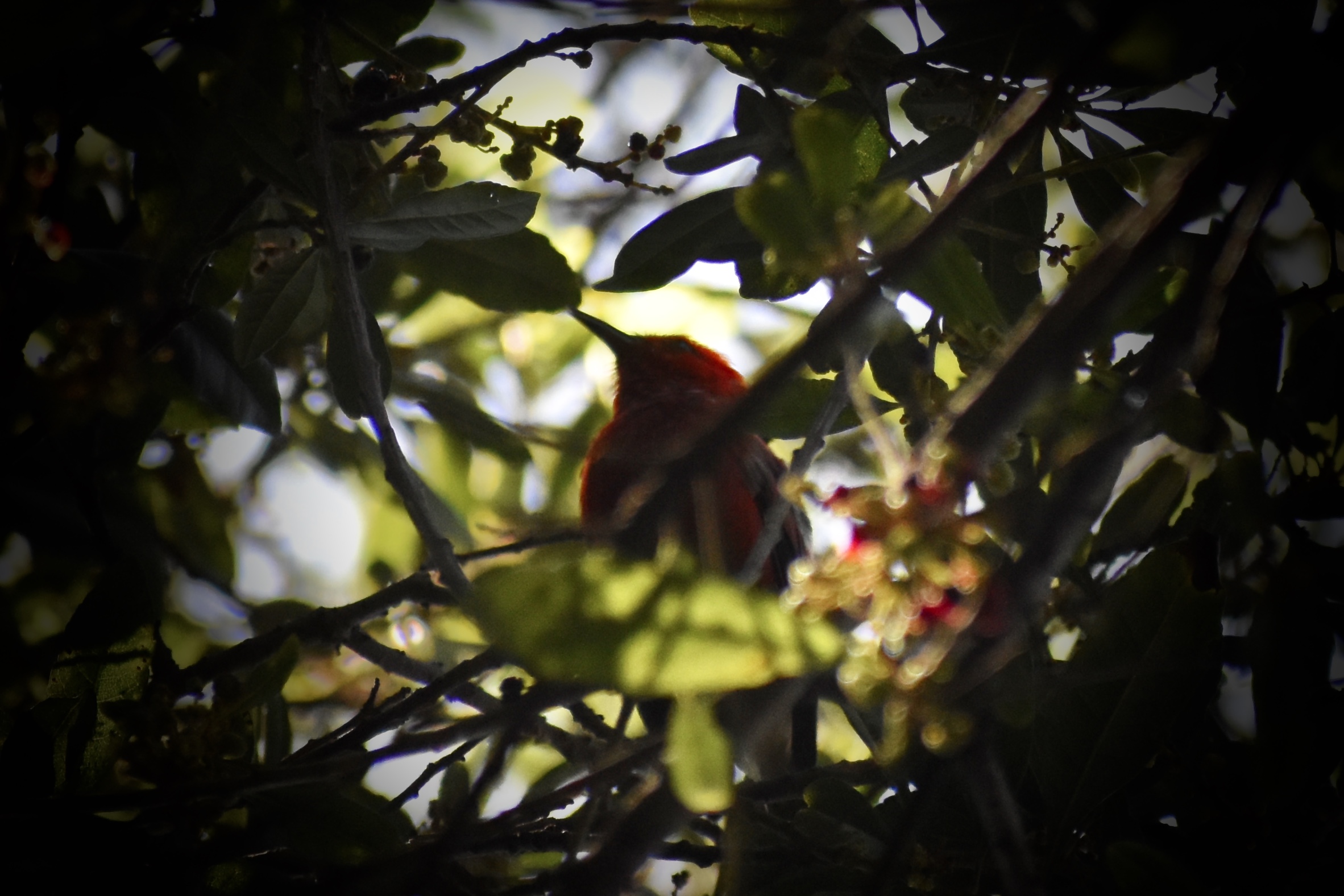
Photo of an ‘apapane by Eric Anderson.

Story: Ready

September 10, 2023

Exodus 12:1-14
Matthew 18:15-20

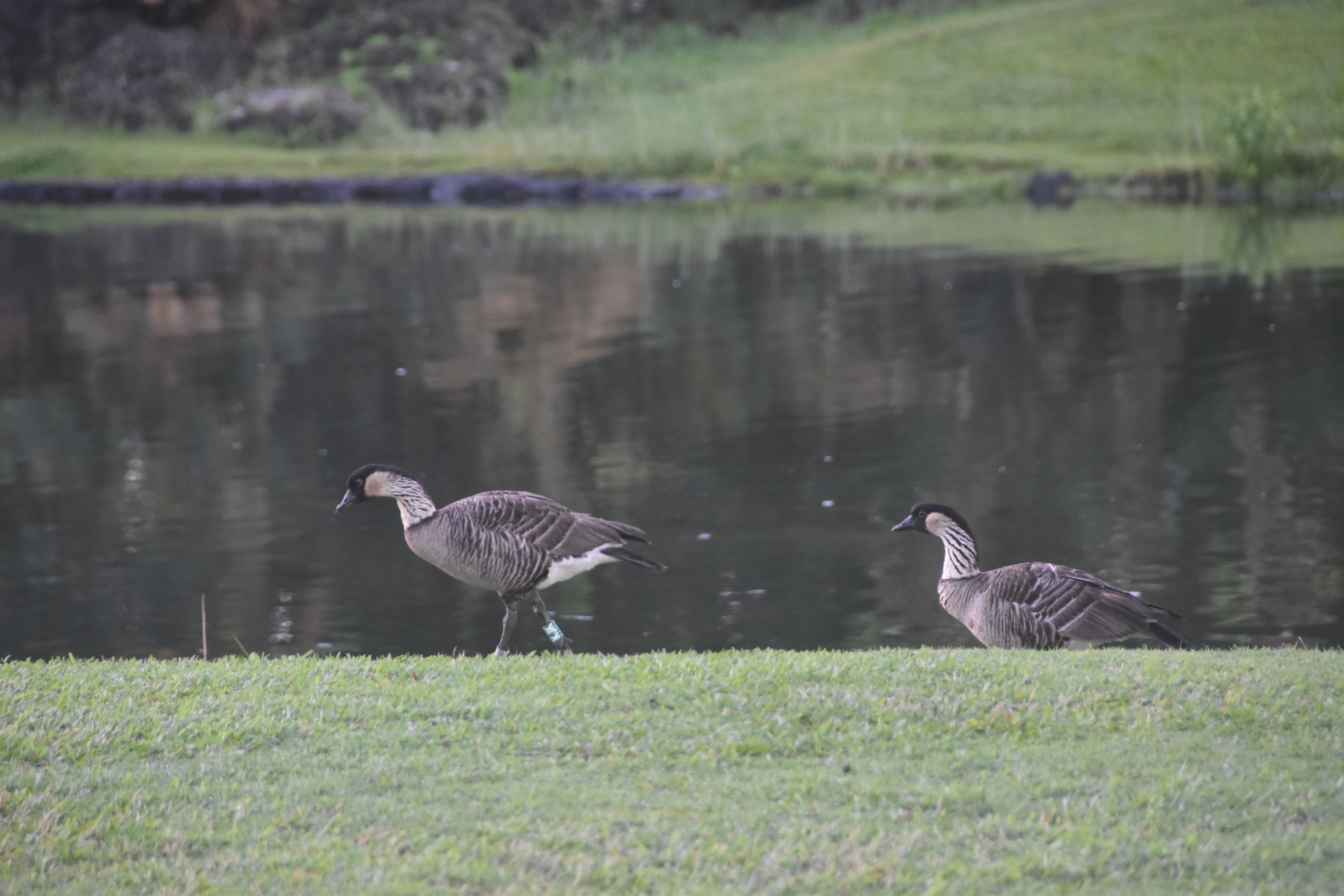
We’re back to flight school today. Nene flight school.

The first part of the day had been occupied with eating lessons, because nene believe very strongly in the virtue of a good breakfast. And lunch. And mid-afternoon snack. And don’t get me started on dinner, because a nene is pretty much always ready to start on dinner.

Now, however, the young goslings were ready for some flying time. They were very young, and they hadn’t been going to school very long. In fact, they were still on the first lesson, which is:

Taking off.

That’s kind of an issue for a nene. It’s a good-sized bird, and relative to some similar looking geese, it’s got smaller wings. A nene will fly better than you or I, but there’s a lot to know about getting started.

A nene has to get the hops right, and the wing downbeats right, and the leap and the downbeats timed right, and most important of all: face into the wind.

Face into the wind.

One of the young nene was having a lot of trouble facing into the wind.

Do you have friends who are distracted easily? Any little noise or movement draws their eye? Well, he was distracted by everything. A stray ‘ohelo berry. An unfamiliar noise. A familiar noise. A puff of wind. A stillness of wind. A bug. A waving blade of grass.

So when the teacher lined everyone up, had them face into the wind, led them through a couple of practice hops and a couple of practice wingbeats, she also turned into the wind with them and called out, “Ready?”

There was a chorus of “Ready”s behind her, except for one voice that said, “For what?”

He’d been distracted by a sunbeam on some lava glass.

She got him turned in the right direction, led the practice hops and the wingbeats, and called out, “Ready?”

She got the expected reply. Several nene “Ready”s and one nene “Oops.”

She dismissed the rest of the class back to eating lessons, but asked the ever-distracted-one to stay. “I know you’re easily distracted,” she told him, “but the problem is, you have to get everything ready before you take off.”

“Are you sure?” he asked. “Can we try it?”

“Yes,” she said, “we can try it.”

They tried it. It was a disaster. When he didn’t focus, he didn’t time his hops and his wingbeats, and he fell forward. When he forgot to hop at all, he stayed firmly on the ground. When he didn’t face into the wind and stay that way, he’d tip himself right over.

“How about we try it with me paying attention?” he asked.

A few minutes later his classmates looked up from their mid morning snack to see their teacher and their friend flying gently through sky above them. They cheered.

He paid a lot of attention when it came time for landing.

by Eric Anderson

Watch the Recorded Story

I write these stories first (it’s what you’ve just read) but tell them from memory. Memory and creative inspiration, that is.

Photo of two nene by Eric Anderson.

Story: Simple Song

September 3, 2023

Exodus 3:1-15
Romans 12:1-8

‘Apapane are known for their singing – the ohi’a and koa forests echo with it during the cooler parts of the day. ‘Apapane are sensible creatures and when it’s hot they save their breath for breathing.

They are also known for the complexity of their singing. They sing high and they sing low, they squeal and whistle, they making clicking sounds, and my goodness can they trill. An ‘apapane concert is often a trilling experience.

Sorry about that.

There was one ‘apapane, however, who didn’t seem to have received the word that he could sing high, low, middle, whistle, trill, click, and squeal. Instead, he sang one very simple song. It was pretty, to be sure, a low note that rose and then flourished into this marvelous little trill. Other ‘apapane really enjoyed his song, and so did ‘akepa and ‘amakihi so on. It was so lovely that it would soothe a grumpy ‘i’iwi, and when an ‘i’wi is grumpy, they usually stay grumpy.

His parents and brother and sister and miscellaneous aunties and uncles and cousins and tutus all waited for his second song. They were expecting something else to thrill the ears – I’m sorry, that should have been “trill the ears.”

But it didn’t come.

When he found ohi’a in blossom, he sang a low note that rose and flourished into a marvelous little trill. When he had just filled up on insects, he sang a low note that rose and flourished into a marvelous little trill. When the sun was bright and warm on his feathers he sang a low note that rose and flourished into a marvelous little trill. When he was just feeling content with life he sang a low note that rose and flourished into a marvelous little trill.

Nobody actually became bored with his song, but they did become concerned.

Parents, grandparents, friends, aunties, uncles, and so forth began to ask him about his one single song. He’d just smile in an ‘apapane way (they don’t have lips to curve up, so I think it’s got something to do with the way they move their head, but to be honest I don’t know), and he didn’t say anything about it. They’d ask about his next song, and he’d smile. They’d ask if he was all right with only one song, and he’d smile. They’d ask what it meant for him to have only one song, and he’d smile.

It was his sister who figured it out. She didn’t peck him with questions (or with her beak, which brothers and sisters sometimes do and they shouldn’t). She just hung out with him, flying from tree to tree, talking with him about nothing in particular, and enjoying his company. He enjoyed hers as well.

She watched as he sang his one song when the sun rose, and when the sky was clear, and when the hot sun went behind a cloud, and when there was lots of nectar, and… that’s when she realized it.

“You sing a song about being happy,” she said. He smiled.

“Nobody else has figured that out,” he said, and smiled again.

“They’re all waiting for you to sing about something else,” she said.

He smiled. “I like to sing about being happy,” he told her.

She smiled back. “That’s a song about everything,” she said.

“And nothing,” he said.

“Everything and nothing,” she said, “is a good thing to sing about.”

by Eric Anderson

Watch the Recorded Story

I write these stories ahead of time, and then tell them without notes. Sometimes that means that the pre-planned puns don’t make it in, as was the case today. You can decide whether that’s a good thing or a bad thing.

Photo of two ‘apapane by Eric Anderson.

Story: Following the Heroines

August 27, 2023

Exodus 1:8-2:10
Romans 12:1-8

This story is not about a Hawaiian bird, although this bird does have relatives in Hawai’i. She was a black-crowned night heron. Black-crowned night herons live all over the world – they’ve been seen on all seven continents. They live here in Hawai’i, where you can find them in the shallow waters hunting for fish. The Hawaiian name is ‘auku’u.

I’m not sure what this bird called herself, partially because she lived a long time ago and languages change, partially because she lived in Egypt and I don’t know the Egyptian name for an ‘auku’u, and partially because I strongly suspect that birds don’t call themselves by the names people use for them anyway. She lived up to the name “night heron,” though, because she slept through most of the day and hunted the shallows of the Nile River at night. Hawaiian ‘auku’u, by the way, sleep and night and fish during the day.

This ‘auku’u, however, had had her sleep interrupted by the sounds of soldiers marching by. Although she hunted fish, she had no trouble concluding that they were hunting something. They went into little homes with their swords and spears ready, frightening the poor people within, most of whom worked hard all day with other people standing nearby with whips. Sometimes the ‘auku’u had seen the whips used on those poor people and she’d felt very sorry for them.

The soldiers didn’t seem to find what they were looking for, so they gathered together and marched away. A few minutes later, the heron heard voices from one of the little huts. A young girl rushed out, dashing from house to house and asking those within for things. When she returned, she had jars of sticky oil and pine pitch.

The ‘auku’u settled back to sleep again, but then the door to the hut opened again and the girl returned, this time accompanied by her mother. The mother carried a shallow bowl that glistened with newly applied oil and pitch. The two walked down to the riverbank, where the ‘auku’u watched unnoticed in the reeds.

The bowl wasn’t a bowl after all, but a woven basket, and the ‘auku’u was surprised to see that the oily pitchy coating worked to keep it afloat as they laid it in the water. The ‘auku’u was even more surprised to see that the improvised boat held a baby, a human baby. The mother and daughter cried as they pushed it out to where it could be caught in the current. It began to float slowly away.

The girl followed along on shore, moving slowly among the reeds to hide as best she could. The ‘auku’u was too curious to go back to sleep. She followed the girl and the girl followed the basket, rocking gently on the water.

They all three – baby, girl, and bird – heard the splashing ahead. Another group of women were swimming in the river. One saw the basket get caught in the reeds. Another went to fetch it. They gathered around the child, who was awake and yawning.

The ‘auku’u watched as one of the women adopted the baby as her own. She watched as the girl emerged from hiding, offering her mother’s services to care for the child. She watched as they all left the riverbank together.

The ‘auku’u didn’t understand all of what was going on, of course, but she recognized this: those soldiers had been a danger to this infant, one which would only get worse. The mother and sister had done their best to get him to place of safety, and they had succeeded. This new woman in the baby’s life had given him a home in which to grow.

The ‘auku’u didn’t know it, and frankly neither did any of the women, but the baby whose life they’d saved that day would grow up to deliver those enslaved people and lead them to a new home. We know him as Moses. He lived because of what those women had done.

by Eric Anderson

Watch the Recorded Story

I write these stories first, then tell them from what I remember of what I wrote. That process includes both a certain amount of, well, misremembering, and somewhat more improvisation.

Photo of an ‘auku’u in Hilo Bay by Eric Anderson.

Story: Stranger

August 20, 2023

Isaiah 56:1, 6-8
Matthew 15:10-28

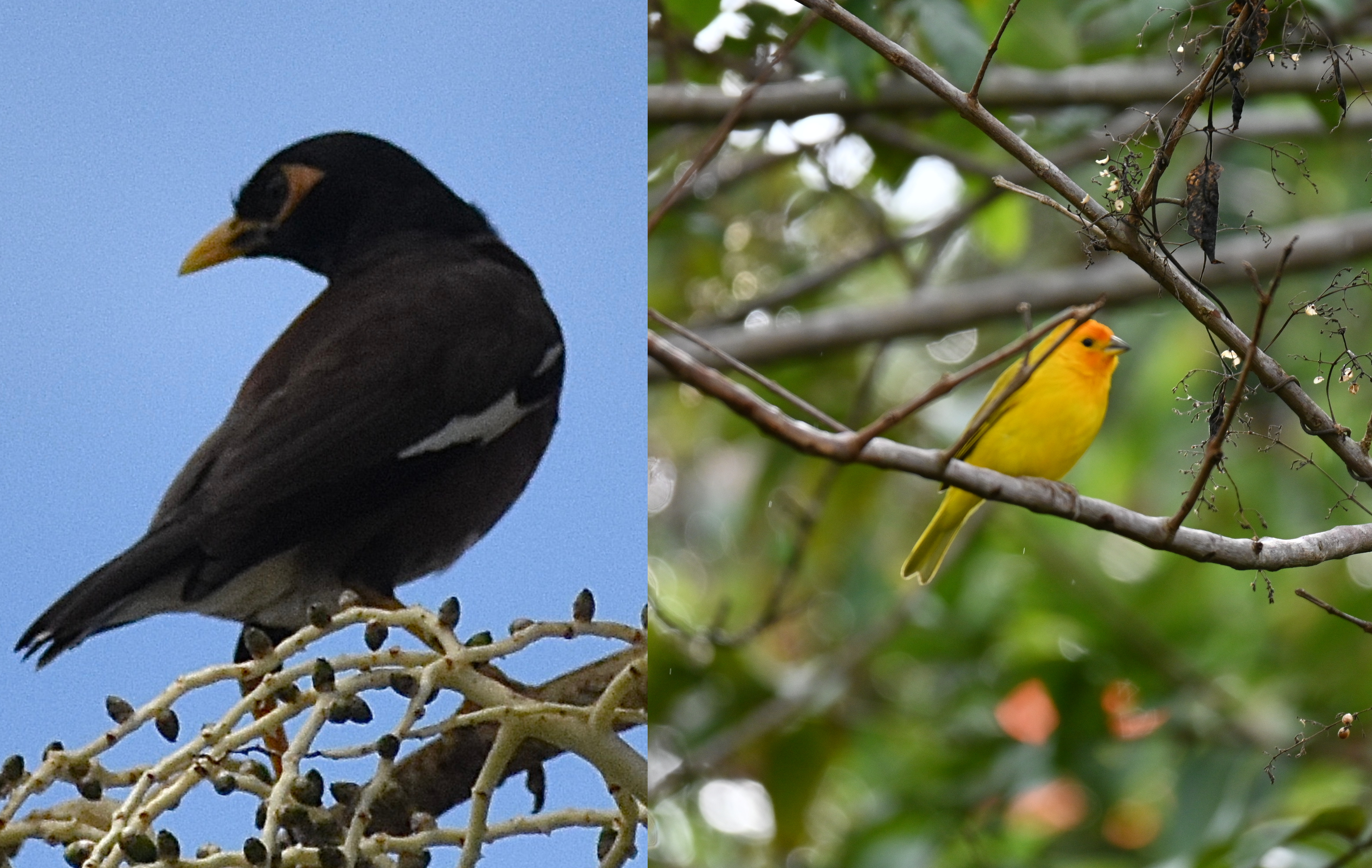
When the young myna was a fledgling, he didn’t pay much attention to other birds around. As he grew he took more of an interest in the little flock and those around.

Mynas don’t typically pay a lot of attention to other birds – they save most of their squawks and shrieks for other mynas – but this young myna was a little more territorial. He thought the grasses and seeds and bugs and worms on his turf should be for the mynas, and pretty much only for the mynas. Other birds weren’t worthy. They could go wait in a corner until the mynas were done.

He would fly and shriek at the cardinals and finches and waxbills that settled on his flock’s patch of grass until they flew off to find a quieter place for lunch. The other mynas mostly ignored this; some birds go through this stage, they told one another. He’ll grow out of it.

To their surprise, there was one bird he was particularly mean to. He didn’t actually peck at this bird, but he’d get closer and scream louder and flap his wings harder at the kolea than any spotted dove. It might be because the kolea was actually slightly bigger than he was, so he put more effort into his, well, I guess we’ve got to call it bullying, don’t we? than he needed to for a little yellow-beaked cardinal. And I’m afraid the other reason was that the kolea was always alone. The saffron finches usually fed in pairs, but the kolea was always alone.

To this bully of a myna, that just made him vulnerable.

He’d scream and flap and chase and generally make himself obnoxious. The kolea never said a word, just hopped or flew aside until the myna was satisfied. And he always came back.

Until one day when the kolea wasn’t there, and the myna thought he’d won.

“I drove that one off for good!” he exclaimed, but there was a big myna argument going on so nobody heard him to correct him.

Months passed, and one morning he landed on his flock’s favorite grassy area to find the same kolea, resting peacefully and feeding on grasses and bugs and worms. The myna was furious.

“How dare you come back?” he shrieked. “You’ve no business here, you coward. I drove you off once, I’ll drive you off again!”

“Hold on a minute,” said an older, somewhat wiser myna. “What are you talking about?”

“I drove this pest away months ago. He hasn’t dared to show his beak since.”

“You didn’t drive him off,” said the older myna. “He spends the summers in Alaska.”

“Where?” said the bully myna, who’d never heard of Alaska, and of course the older myna had never been to Alaska, so it took some time to explain that the kolea had flown 3,000 miles over the ocean to get there, and another 3,000 miles to get back.

“That kolea’s no coward,” said the older myna in conclusion. “Nor are the saffron finches or the northern cardinals or the spotted doves. They just don’t like all the noise while they eat.”

The bully myna was silent. He couldn’t fly 3,000 miles and back, and he knew it.

“The kolea’s more worthy of eating here than I am,” he said.

“Everyone’s worthy of eating here, youngster,” said the older myna. “’Worth’ has nothing to do with being hungry and needing food.”

After that the young myna still had to be reminded to let other birds alone from time to time, but that was OK, because it usually meant that he got to screech at other mynas instead, and that, as we know, is just what mynas love to do.

by Eric Anderson

Watch the Recorded Story

I tell these stories live without notes – so they will always be different from the text I’ve prepared.

Photo of a myna by Eric Anderson

Story: Favorite

August 13, 2023

Genesis 37:1-4, 12-28
Romans 10:5-15

In the old days, ‘elepaio followed the canoe makers through the koa stands as they searched for tree trunks that were suitable for a canoe. They were and are curious birds, and they would watch the trees fall and the people removing the limbs and branches so they could bring the trunk down to the shore for a canoe.

The people watched the ‘elepaio, because as well as being curious, they were hungry. If an ‘elepaio settled onto a koa tree and began to chase bugs and spiders, or if an ‘elepaio did the same on a log they’d just cut down, the canoe makers would move on. If the ‘elepaio was interested, they concluded, the tree must be too full of burrowing bugs to make a good hull.

People don’t cut koa for canoes much any more, but the ‘elepaio are still curious and will still follow people through the forest.

Which doesn’t have much to do with this story, because there aren’t any people in it. There’s an ‘elepaio, of course. And there are koa trees. There is one specific koa tree, and one specific ‘elepaio, and that koa tree was his favorite koa tree.

I’m not sure why. There were plenty of koa trees in that part of the forest, and to my untutored eye they looked rather the same. Oh, some were a little taller, and some were a little shorter, and some were wider, and some were thinner, but his favorite tree wasn’t the tallest or the shortest or the widest or the thinnest. It was just his favorite tree.

When people choose things as their favorite, they tend to act differently around it. It turns out that ‘elepaio do, too. On all the other koa trees he would search long and hard for the bugs and spiders that made up his breakfast, lunch, dinner, and any-time-of-the-day snacks. On his favorite tree, however, he’d sit quietly. It was too special, he thought, to be hunting on it. To his distress, the tree wasn’t doing well. Some of its leaves were turning brown.

“What’s wrong with my favorite tree?” the ‘elepaio asked himself out loud one day. “I think it’s sick.”

“What have you been doing to it?” asked an ‘akepa who overheard.

“Nothing,” said the ‘elepaio. “It’s my favorite tree. I don’t even hunt on it.”

The ‘akepa hopped over to the favorite koa, and said, “That might be the problem. There are lots of bugs in this tree. I don’t think that’s good for it.”

Sure enough, the bugs the ‘elepaio hadn’t been hunting on his favorite tree were making that tree rather ill.

“How can I treat my favorite tree just like everything else?” he asked.

“What about if you thought about it the other way around?” asked the ‘akepa. “What if you treat your favorite tree as well as you can think of – including cleaning off all the bugs – and then treat all the other trees as well as you treat your favorite tree?”

“You mean, treat all of them really well?” marveled the ‘elepaio.

“Treat all of them really well,” agreed the ‘akepa, and that is what the two of them did.

by Eric Anderson

Watch the Recorded Story

I write these stories ahead of time, and then tell them in worship without the manuscript or notes. As a result, the telling is somewhat… improvised.

Photo of an ‘elepaio (not in a koa tree) by Eric Anderson

Story: Ohi’a at Rest

August 6, 2023

Isaiah 55:1-5
Matthew 14:13-21

How tall an ohi’a tree grows depends a lot on where its seed falls. If it falls into old, deep soil, rich with nutrients and able to hold water, the seed will spread its roots wide and raise its stem tall, until its leafy crown can wave eighty feet above the forest floor.

If the seed falls on the bare expanse of an old lava flow, however, the seed may struggle to sprout at all. It needs some soil, and the soil has to hold some water, but with time, an ohi’a’s roots can actually crumble some of the rock into more soil. In this way a plant with just a couple branches can grow into a tree – granted, still a small tree, but recognizably a tree and not a bush hugging the ground.

One such ohi’a seed had done just that. It had found a crack in an old lava flow, one that had contained some sand and some soil and would hold water. The ohi’a grew, and as it grew its roots found new spaces in the rock and filled them with soil. It took years, but one morning as the sun rose scarlet flowers bloomed along its branches, the red tendrils tipped with gold that gleamed in the morning light.

An ‘amakihi had already been visiting the little tree, because its leaves sheltered – almost – some of the bugs and spiders she liked to eat. She was the first bird to discover the ohi’a flowers in full bloom. She sipped their nectar and she ate the insects that had followed the scent of blossoms and basically enjoyed a good breakfast.

This went on for a while, with flowers blooming, then fading. After some time no new flowers grew, but where they had been, seed pods took shape. The ‘amakihi watched with interest as the pods split open and the winds took the tiny seeds and scattered them about the landscape.

And then… the tree did nothing. Well, it spread its green leaves, and it pushed out its roots, and maybe it got a little taller. But there were no new flowers, no new seed pods. Just… leaves and roots and stems.

One morning the ‘amakihi came by again to find the little tree aglow with crimson blossoms again. She rejoiced – she’d come to really like this tree – and she enjoyed her breakfast and lunch and dinner. She watched again as the blooms faded and the seed pods formed. She watched the tiny seeds sail away on the wind.

And then… nothing.

“What are you doing tree?” she asked one night as she settled in to sleep among its branches. “Why do you bloom and then stop?”

As I’ve noted before, trees talk in a dream. Sure enough, the tree replied in the whispery voice of air moving among leaves, “I’m resting.”

“Why do you rest?” asked the ‘amakihi, although she was resting as she asked (dreams happen while you’re resting most of the time).

“It takes a lot to make those flowers,” said the tree, “and to share that nectar with you and with the other creatures. Then it takes a lot to transform those flowers into seeds. I’m happy to do it, I’m happy to share, and I’m happy to be part of a new forest of ohi’a trees on this rocky ground – but I can’t do it all the time. Could you? Could you do anything day in, day out, forever?”

The ’amakihi wanted to say, “I could eat all the time,” but she was an honest bird and she knew she was asleep, and if that’s not resting what is?

“Rest well, tree,” she whispered.

“Rest well, bird,” came the soft reply.

All God’s creatures – including us – need our rest.

by Eric Anderson

Watch the Recorded Story

I write these stories first and then tell them from my (faulty) memory of the text I’d prepared. Differences are… inevitable.

Photo of an ohi’a in blossom (not resting) by Eric Anderson.

Story: The ‘Apapane Who Lied

July 30, 2023

Genesis 29:15-28
Romans 8:26-39

Generally, ‘apapane are pretty honest birds. They give warning calls when there’s danger near, they sing “Waiting for the rain to end” songs when it’s raining, and they sing “Oh, look what I’ve found!” songs when they’ve discovered a tree particularly rich in ohi’a blossoms.

One day an ‘apapane had a different idea. He had sung his “Waiting for the rain to end” song when it was cloudy, not raining, mostly because he was sure it was going to rain. Even though nothing ever fell from the sky, a number of birds, ‘apapane but also i’iwi and ‘amakihi, took shelter for a few minutes. It didn’t take long for them to come out again when the rain didn’t happen, but it started him thinking.

A day or two later he found a lovely ohi’a tree just dripping with nectar and already attracting a number of the bugs he liked to eat as well. He told some members of his family and a few close friends to wait for him in a certain spot, while he flew over to a place where there were trees with a few blossoms on them, but nothing like what he’d found on that one tree.

There, surrounded by mostly greenery, he sang his “Oh, look what I’ve found!” song.

When he heard wings approaching he flew off low to one side and circled back around to where his friends and family were.

“Somebody’s found something,” said his sister. “We should go see.”

“I just found something better,” he said. “Follow me.” And they did.

As a result, their little group of ‘apapane had quite some time enjoying the nectar-rich flowers before other birds discovered it – as a result, I should say, of them singing their own, “Oh, look what I found!” song.

He repeated the trick a few days later when he discovered another very nice tree, and about two days after that, and a couple days after that, and he was very pleased with himself.

He was caught, of course, and that was by his grandfather. There were rumors going about that some of these “Oh, look what I found!” songs seemed to be overly optimistic at best and downright deceptive at worst. Grandfather had perched at the top of a tall ohi’a and heard the early morning call from a group of trees he knew was pretty sparse for flowers. He looked for the flash of red and black wings, and when he spotted it, he followed. To his surprise, they led first to a little flock of his own family, and then to a tree that glowed red in the morning light.

As the birds fed, he perched next to his grandson. “Come,” he said, pointing to a neighboring tree. “We need to talk.”

When they both had landed on a branch with enough flowers for a breakfast that wasn’t nearly as extravagant as the other tree, the younger ‘apapane wanted to know what it was about.

“Grandson,” said the elder. “You’ve been lying.”

“Not to you, tutu,” protested the younger one. “Not to any of our family or my friends.”

“I appreciate that,” said grandfather, “but truth isn’t just for family or friends. Truth is for everyone.”

“What’s the harm?” demanded the grandson. “Everyone is getting fed. I haven’t prevented anyone from finding good trees. I mean, I haven’t driven anyone away.”

“You’ve misled them – and concealed that it was you doing it,” said grandfather.

“Well, sure. Because then they wouldn’t trust my song,” said the younger one, and that was when he realized.

“Because I wouldn’t be worthy of trust, would I?” he asked.

Grandfather said nothing.

“Because I haven’t been worthy of trust, have I?” he asked.

Grandfather and grandson sat quietly for a few moments.

“I’ll be worthy of trust, Tutu.”

“I know you will.”

by Eric Anderson

Watch the Recorded Story

I tell these stories from memory of what you’ve just read – without a manuscript or notes. Inevitably, it varies from the text I’ve prepared, as it does today.

Photo by Eric Anderson

Author’s note

I found myself with a real quandary in developing a story that comments on Genesis 29, a text with so much that just makes me stop and go, “That’s not right.” Bringing its themes to children (or even to adults) looked impossibly difficult. Finally I settled on one theme of Jacob’s saga, something that happens again and again to cause pain and distress to the people involved: deception and lies. Thus this story about lies and truth.