“And he began to speak and taught them, saying: ‘Blessed are the poor in spirit, for theirs is the kingdom of heaven.'” – Matthew 5:2-3
By God, you’ve got it so wrong, Jesus. Do you really not know? That’s not how it works.
The poor in spirit won’t receive the kingdom of heaven. The poor in spirit are poor by their own negligence. They could be rich, you know, if they made the right choice, invested in the things that bring them gain, ignored the claims of other obligations, engaged in fraud, then they’d be rich…
In spirit. Right. Of course. In spirit.
The ones who mourn, will they be comforted? There’s a whole industry to comfort them. They’ll pay for it, of course, because who wants to write insurance for a mental health distress? If they were rich, they’d comfort themselves…
In spirit. Right. Of course. In spirit.
The meek? Don’t make me laugh. The earth belongs to those who take and seize and hold it firm. The meek are those who follow orders barked by armed and masked anonymous authorities. The meek are not entitled to the earth…
In spirit. Right. Of course. In spirit.
Now how can you assert that anyone is hungering for righteousness? We have the law (that serves me well) and isn’t that enough? And if we bend it some to punish those we’ve in advance condemned, we will not satisfy this thirst of sentimental saps…
In spirit. Right. Of course. In spirit.
I see the people who cry, “Mercy!” stand between the human vultures and their prey, and hear them ask the victims if they are OK, and tell the wolves, “That’s fine, dude. I’m not mad at you,” and they receive the mercy I expect…
In spirit. Right. Of course. In spirit.
As for the pure in heart, they can be pure as pure they wish to be. But if they live where I don’t want them to, and if they live on land I want, well. They’ll just have to move. If they resist, they will see God for sure…
In spirit. Right. Of course. In spirit.
Now if I claim to be a peacemaker and threaten nations with invasion after blowing boats to kingdom come and killing their survivors, you’ll give to me the prize of Child of God? That’s right…
In spirit. Right. Of course. In spirit.
Once more I tell you, Jesus, not one soul is persecuted for their righteousness. They suffer for their crimes, the crimes that I decide, the story that I tell, and I alone. Not heaven theirs, but hell, and hell on earth…
In spirit. Right. Of course. In spirit.
And tell me, Jesus, who you think has been oppressed or injured for their loyalty to you? We pepper spray the ministers who resist us, not for their faith in you. Do you maintain that they are marching in the streets on your behalf?
In spirit. Right. Of course. In spirit.
By God, you’ve got it so wrong, Jesus. Do you really not know? That’s not how it works.
And Jesus wept.
A poem/prayer based on Matthew 5:1-12, the Revised Common Lectionary Gospel Reading for Year A, Fourth Sunday after the Epiphany.
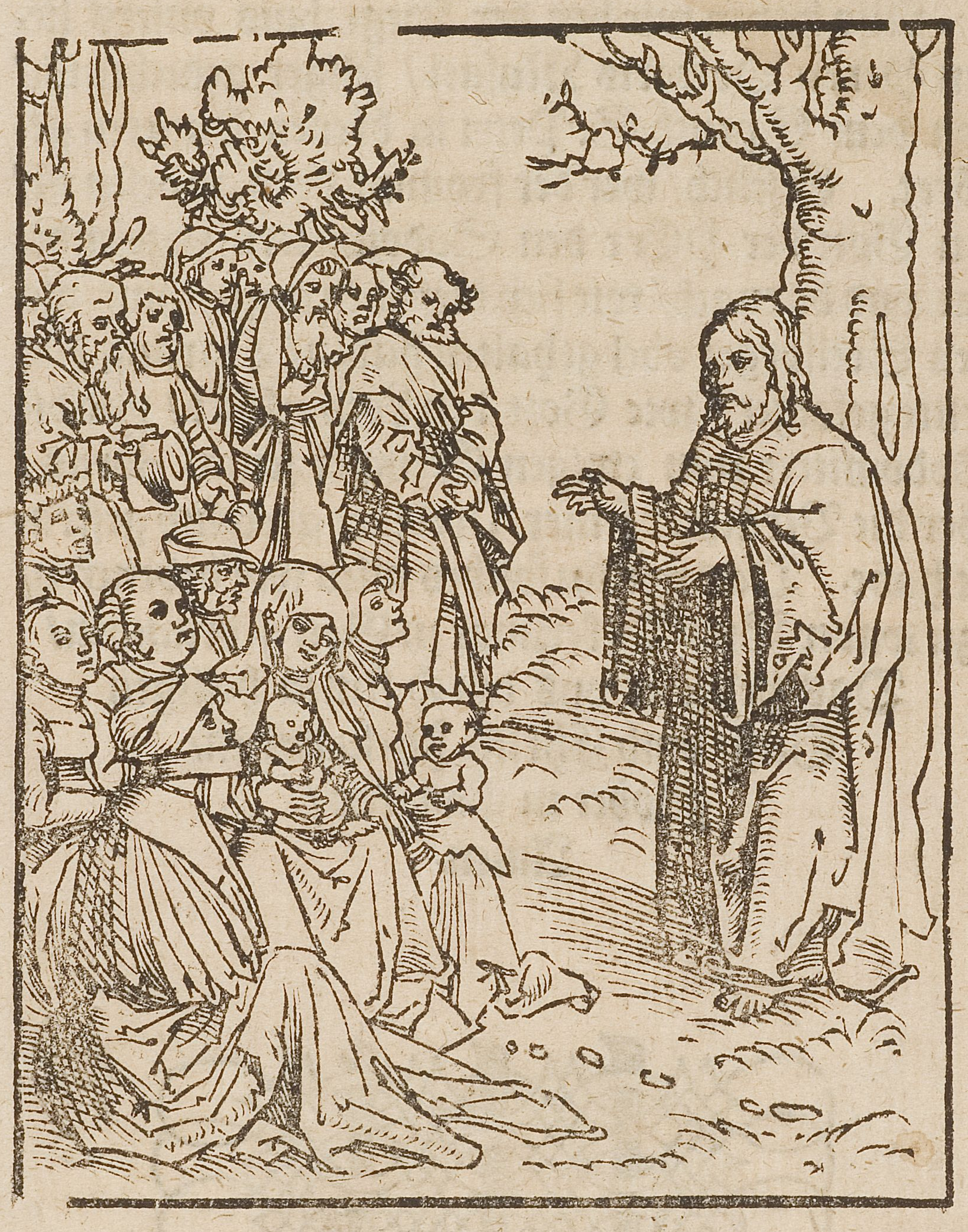
The image is “The Sermon on the Mount,” woodcut by Lucas Cranach the Elder, from his Passion Christ und Antichrist, Herzog Anton Ulrich-Museum, Braunschweig (1582) – Digitised image, Rheinisches Bildarchiv, Köln, Public Domain, https://commons.wikimedia.org/w/index.php?curid=50665418.
“As he walked by the Sea of Galilee, he saw two brothers, Simon, who is called Peter, and Andrew his brother, casting a net into the sea for they were fishers. And he said to them, ‘Follow me, and I will make you fishers of people.'” – Matthew 4:18-19
Matthew left it out, of course. What did you tell them, Jesus?
“Hey, guys, I’m sort of on the run since they took John, although they probably don’t know my name, so that’s all right, you think? Come follow me.
“Now mind you, folks will hear my name, and quickly, too, if I am any judge. They’ll come even from Syria to seek some healing for their bodies and their souls. Come follow me.
“I’m sure no one will think to look for me atop a mountain peak – unless they follow those who follow me, and frankly guys, I hope to leave a wide and beaten track. Come follow me.
“Now come along. We’ve work to do that doesn’t need a net. No, we’re as likely to be caught in Roman or Herodian nets as John. They’ll lift us high – but not as high as God will raise us all. Come follow me.”
A poem/prayer based on Matthew 4:12-23, the Revised Common Lectionary Gospel Reading for Year A, Third Sunday after the Epiphany.
“When Jesus turned and saw them following, he said to them, ‘What are you looking for?'” – John 1:38
Well, Teacher, I’ve been following you for forty-five years and more, and yet: I don’t think I can tell you what I’m looking for.
It’s such an awkward question.
Like Andrew and his long-forgotten friend (what happened to him, anyway?), if you asked me I’d say something inane.
“Where are you staying, Teacher?”
You know, I know, they knew that wasn’t why they took those steps from John the Baptist’s side to yours.
But how were they to answer what they didn’t know?
And I, with decades as a follower, with decades as a teacher of your flock, with years of writing poem prayers to you,
I still don’t know.
What am I looking for in you? A place of honor, a big frog in what seems like a shrinking pond?
That would be silly, wouldn’t it?
Might I be looking for some meaning in a world that seems to shed its sense and sense of morals, too?
Can you make sense of what’s nonsensical?
Could I be looking for a safe embrace, for arms extended wide, to hold me fiercely, gently, for all time?
I could. I could indeed.
But most of all, dear Teacher, I suspect I’m looking for the One who’ll listen to my babbled nonsense answer, and
Reply with, “Come and see.”
A poem/prayer based on John 1:29-42, the Revised Common Lectionary Gospel Reading for Year A, Second Sunday after the Epiphany.
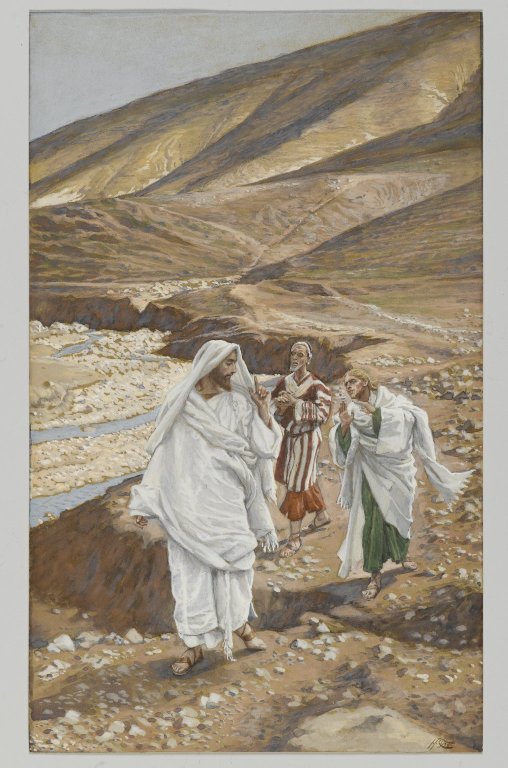
The image is Vocation de Saint Jean et de Saint André (The Calling of Saint John and Saint Andrew) by James Tissot (between 1886 and 1894) – Online Collection of Brooklyn Museum; Photo: Brooklyn Museum, 2008, 00.159.55_PS2.jpg, Public Domain, https://commons.wikimedia.org/w/index.php?curid=10195829.
Shepherd 1: A tender of sheep Shepherd 2: A tender of sheep and one goat Sheep: A wooly creature Goat: A non-wooly creature Lead Angel: A messenger to shepherds Angels: A backup chorus of messengers Mary: A young woman Joseph: A young man Magi 1: A scholar dressed a lot like a king Magi 2: Another scholar dressed a lot like a king
SCENE 1: A hillside
[SHEPHERD 1, SHEPHERD 2, GOAT, and SHEEP enter]
Shepherd 1: I can’t believe you brought a goat.
Shepherd 2: Why not bring a goat? Goats are cool. They don’t get lost as often as sheep. And they give milk. That’s useful.
Shepherd 1: OK, all that is true. But you only brought one goat. Shouldn’t you have brought a herd of goats?
Shepherd 2: Of course I’ve heard of goats.
Shepherd 1: Ha, ha. I’m not sure that joke is going to be funny even if two thousand years go by.
Shepherd 2: I thought it was funny. And I’m sure the goat heard. Did you think it was funny?
Goat: Bah!
Sheep: Bah!
Shepherd 1: Why did you bring just one goat?
Shepherd 2: I’m picky.
Shepherd 1: So brought just one goat because…
Shepherd 2: It’s the best goat.
Shepherd 1: Just how do you choose the best goat?
Shepherd 2: The best goat has great hair, great hooves, great ears, and most of all, great horns.
Shepherd 1: And this one is the best goat, is it?
Goat: Bah!
Sheep: Bah!
Shepherd 2: You hear them? They agree.
Shepherd 1: That sounded like “Bah” to me.
[The LEAD ANGEL and the ANGELS enter]
Shepherds: Aaaggghhhh!
Sheep: Bah!
Goat: Bah!
Lead Angel: Do not be afraid!
Shepherd 1: Why not? I’m terrified!
Shepherd 2: Me, too! I planned on the best goat, not the Lead Angel.
Angels: Us, too!
Shepherd 2: Plus the other angels. Sorry.
Lead Angel: I bring you good news!
Shepherd 1: We’re getting good grass this season?
Shepherd 2: The price of goat’s milk is going up?
Shepherd 1: My family is going to learn to spin and weave wool?
Shepherd 2: This really is the best goat ever?
Sheep: Bah!
Goat: Bah!
Angels: Hush and you’ll learn something!
Lead Angel: Think bigger, shepherds.
Angels: Much bigger!
Shepherd 2: I need a bigger goat?
Goat: Bah!
Lead Angel: No. Down the hill in the City of David…
Shepherd 1: The what?
Lead Angel: Bethlehem. It’s where King David came from.
Angels: Now stop interrupting!
Lead Angel: Down in the City of David a child has been born to save all people. He is the Messiah, the Lord.
Shepherd 1: Wow.
Lead Angel: Go to the city and look for a newborn who is wrapped in swaddling cloths and lying in a manger.
Shepherd 2: Excuse me. I don’t mean to interrupt, but… what are swaddling cloths?
Lead Angel: You don’t have children, do you?
Shepherd 2: No. I have the best goat, though.
Goat: Bah!
Sheep: Bah!
Lead Angel: Swaddling cloths are light blankets you wrap around a baby to keep him warm.
Shepherd 2: Oh. OK. Good. And… One other thing?
Lead Angel: Really? All right. What else do you want to know?
Shepherd 2: A manger? Like, a feeding trough? We should be looking for the Messiah in a stable?
Lead Angel: Where else would you look?
Shepherd 1: Don’t argue with the angel.
Goat: Bah!
Sheep: Bah!
Shepherd 2: Right. We’ll look in the stables.
Shepherd 1: Thanks for the good news!
Angels: Hallelujah! Glory to God!
[ANGELS and LEAD ANGEL exit]
Shepherd 2: What do we do now?
Shepherd 1: You might want to argue with angels, but not me. We’re going to Bethlehem.
Goat: Bah!
Shepherd 1: Don’t forget your goat.
[SHEPHERD 1, SHEPHERD 2, GOAT, and SHEEP exit]
SCENE 2: A Stable
[MARY and JOSEPH enter with baby]
Mary: Did I just have a baby in a stable?
[JOSEPH looks at the bundle Mary is carrying]
Joseph: That’s a baby you’ve got. I’d say yes. Yes, you just had a baby in a stable.
Mary: No wonder I’m so tired. Can you hold him for a bit?
Joseph: Sure. Wait. There’s a manger here. It’s got straw in it. That should be soft for a baby, right?
Mary: Put him in it and see if he cries.
[JOSEPH puts the baby in the manger. No crying]
Joseph: No crying.
Mary: Not from him, maybe. I’m about ready to cry. What a night!
Joseph: It’s all right, Mary. It’ll all be quiet from here.
[SHEPHERD 1, SHEPHERD 2, GOAT, and SHEEP enter]
Shepherd 1: Hi. Sorry to bother you, but is there a baby here in a manger?
Shepherd 2: This is our sixth stable tonight and boy are my feet tired.
[GOAT looks in the manger]
Goat: Bah!
Sheep: Bah!
Shepherd 2: Would you look at that?
Shepherd 1: It’s a baby in a manger!
Shepherd 2: And my goat found it. He really is the best, you know.
Joseph: Excuse me, but who are you?
Mary: And why are you looking for a baby in a manger? Why would you even think to look for a baby in a manger?
Shepherd 1: Oh, we didn’t think of it.
Goat: Bah!
Sheep: Bah!
Shepherd 2: We don’t think very much, really.
Shepherd 1: Some angels came and told us to look for a baby in a manger.
Shepherd 2: It was pretty scary, actually.
Shepherd 1: It was scarier after you started arguing with the angels. Who does that?
Goat: Bah!
Sheep: Bah!
Shepherd 2: I don’t do it often.
Joseph: Slow down. You say angels told you to come here?
Shepherd 1: They told us to look here.
Shepherd 2: And six stables later, here you are!
Mary: Why? Why did the angels tell you to look for a baby in a stable?
Shepherd 2: Oh. Didn’t we mention that?
Goat: Bah!
Sheep: Bah!
Shepherd 1: I guess we didn’t. You see, the angel told us that this baby is…
Goat: Bah!
Shepherd 2: The Messiah!
[Everyone looks at the baby]
Shepherd 1: So… that’s what a Messiah looks like?
Mary: When he’s just been born.
Shepherd 2: Oh. So you knew already?
Mary: Let’s just say I’ve had my own conversation with an angel.
Shepherd 1: I’m sure she didn’t argue the way you did.
Mary: I just asked questions.
[LEAD ANGEL and other ANGELS enter]
Lead Angel: You didn’t argue at all.
Mary: It was weird, though.
Lead Angel: Of course it was unusual. You don’t think we send Messiah every day, do you?
Goat: Bah!
Sheep: Bah!
Lead Angel: Well said.
Angels: Hallelujah!
Shepherd 2: Of course it’s well said. He’s the best goat.
[MAGI 1 and MAGI 2 enter. MAGI 1 is really tired.]
Magi 1: Greetings, favored one! The Lord is with you.
Lead Angel: Hey, that’s my line!
Mary: Yes, I’ve heard that one before.
Magi 2: I’m sorry. You’ll have to forgive him. He’s been carrying the heavy stuff.
Joseph: If you don’t mind, who are you, and why are you barging into our baby’s bedroom – er, stable – at this hour?
Magi 1: Barging? We haven’t got a barge. Not a sign of a boat at all. No, we’ve had camels.
Magi 2: Our other friend is parking the camels.
Magi 1: Why didn’t he bring them in here? It’s a stable, after all.
Magi 2: Because of the newborn baby? Really. Put the gold down. It’s not helping you think.
[The MAGI put their bundles down]
Shepherd 1: Did he say, “Gold”?
Shepherd 2: I think he said “Gold”.
Mary: Gold?
Joseph: Gold?
Goat: Bah!
Sheep: Bah!
Lead Angel: Yes, he said gold.
Mary: Why are you carrying gold?
Magi 1: I’m not carrying it any more. I put it down.
Magi 2: What my exhausted friend means is that we’re here to celebrate the birth of the newborn Messiah. That’s him, isn’t it? In… Why is he in a feeding trough?
Joseph: There wasn’t any room in the inn.
Magi 1: I guess the inn was an “out.”
Magi 2: That’s not going to be funny if you wait for two thousand years.
Goat: Bah!
Sheep: Bah!
Magi 1: Is that a goat criticizing my sense of humor?
Shepherd 2: Yes, sir, but rest assured, he’s the best goat. The best goat ever.
Magi 1: Oh. Well, that’s different. The best goat ever.
Joseph: Could we go back to why you’re here?
Magi 2: We’re here to welcome the newborn king, and to make sure he’s greeted with proper respect.
Magi 1: And presents.
Magi 2: Right. Presents for a king.
Mary: Kings get presents?
Goat: Bah!
Sheep: Bah!
Magi 1: Oh, yes. Kings definitely get presents. And given that this one is sleeping in a manger, it seems like a good thing.
Joseph: He’s got a point.
Lead Angel: Oh, while we’re talking about it, you’ll probably want to sell the presents and go to Egypt for a while. And, wise men? Don’t go back to tell Herod where this baby is. OK?
Goat: Bah!
Sheep: Bah!
Angels: Amen!
Magi 2: Well. All right. We’ll go home another way.
Lead Angel: Good plan.
Mary: Could you tell me one more time why you’re all here in this stable with my baby in the middle of the night?
Shepherd 2: Well, you see, we’ve got the best goat…
Shepherd 1: I can’t believe you brought up the goat.
Shepherd 2: No, really. We’ve got the best goat. But when I listen to the wise men here, and when I listen to the angels…
Lead Angel: When you’re not interrupting the angels…
Shepherd 2: I realize that while I might have the best goat, here in this manger you’ve got, I mean, we’ve got, I mean, the whole world has got:
The young people of Church of the Holy Cross UCC in Hilo, Hawai’i, performed “The GOAT” on December 21, 2025.
Author’s Note
I began writing Christmas pageants a few years ago when I realized that we could violate copyright if we streamed a commercially available script via live stream. It says something about me that I was more willing to write a script than I was to dig through the marketing of pageants to find one that included a streaming license.
It also means that I can adapt the script to the available actors. I once wrote a script with no Joseph because we simply didn’t have a youngster willing to do the role. In this case, the children were very impressed with a story featuring a goat that our Associate Conference Minister, the Rev. Jonathan Roach, told them some months ago. One of them announced that he wanted to be a goat in the pageant, and therefore the pageant needed to include a goat.
As is the way of some creatures, the goat took over.
One of the things I like about this pageant is the way everyone notices all the things that simply don’t make sense, such as a newborn monarch born in a stable rather than a palace. It emphasizes the truth that God does what God does, not what we expect God to do. A Messiah was born in a stable. What more might be waiting in God’s imagination?
“But just when he had resolved to do this, an angel of the Lord appeared to him in a dream and said, ‘Joseph, son of David, do not be afraid to take Mary as your wife, for the child conceived in her is from the Holy Spirit. She will bear a son, and you are to name him Jesus, for he will save his people from their sins.'” – Matthew 1:20-21
Let me dream with you, Joseph, just for a moment.
Let us dream together that our trust is well placed. Let us dream together of a promise fulfilled.
Let us dream together of a God who is with us. Let us dream together of a break in the gloom.
Let us dream together, waking newly resolved. Let us dream together and see a new day.
Let me dream with you, Joseph, just for a moment.
A poem/prayer based on Matthew 1:18-25, the Revised Common Lectionary Gospel Reading for Year A, Fourth Sunday of Advent.
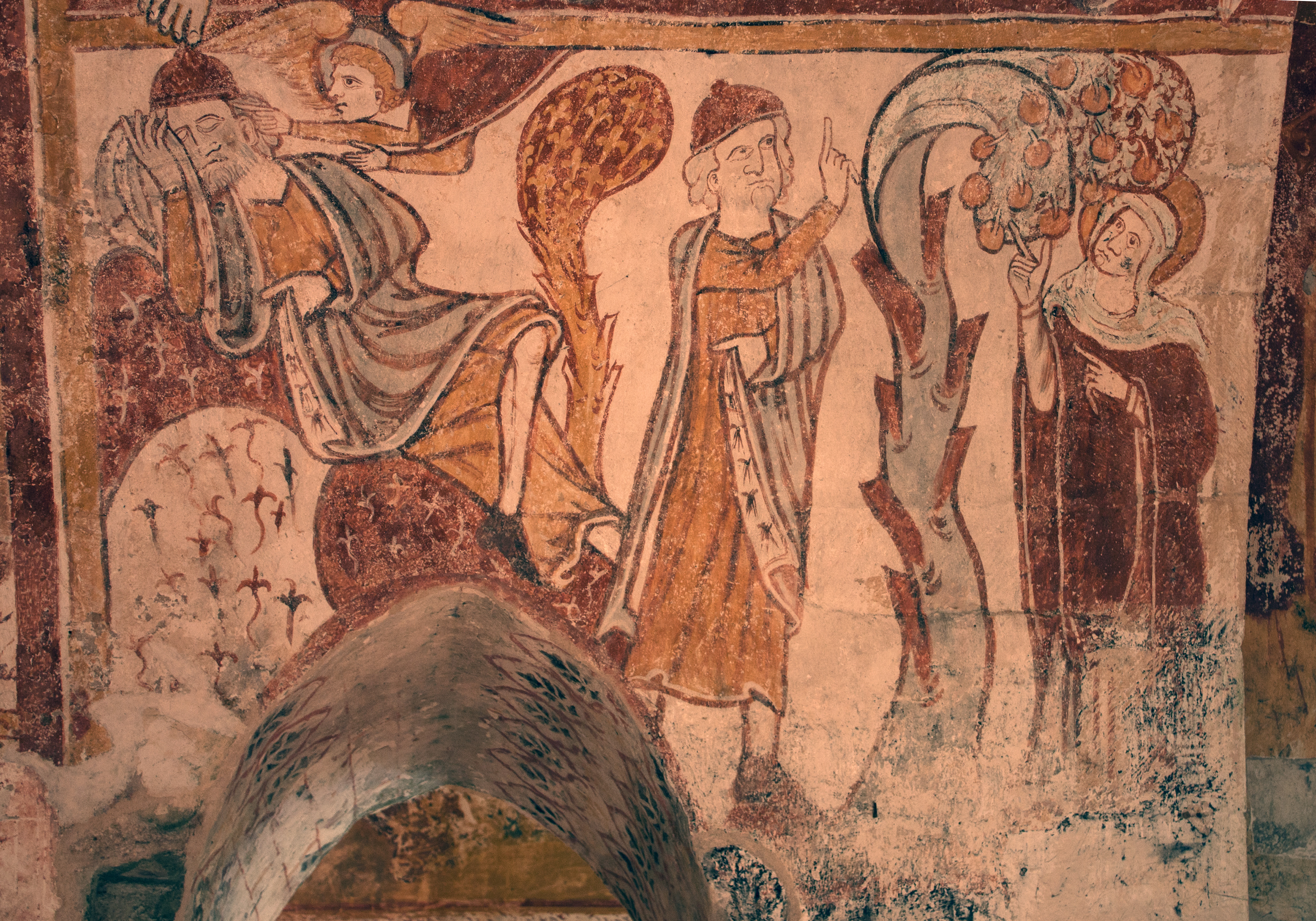
The image is a 12th century fresco of Joseph’s Dream and Joseph and Mary with the Cherry Tree (bizarrely misunderstood as Adam and Eve) in the crypt of the Notre-Dame Gargilesse church, Gargilesse-Dampierre, France. Photo by Daniel VILLAFRUELA, CC BY-SA 3.0, https://commons.wikimedia.org/w/index.php?curid=19347294.
A shoot shall come out from the stump of Jesse, and a branch shall grow out of his roots. The spirit of the Lord shall rest on him, the spirit of wisdom and understanding, the spirit of counsel and might, the spirit of knowledge and the fear of the Lord.
Isaiah 11:1-2
I hate to break it to you, Isaiah. But then, perhaps you know already. You saw it, after all, in Hezekiah, who trusted in the word of God and watched the army of Assyria retreat from Jerusalem’s walls, but then succumbed to royal pride and showed his wealth to greedy eyes.
These shoots of Jesse had their moments, true, the worst had flashes of your wisdom. But they let the widows cry for justice, let the orphans cry for food, while they enriched the wealthy, fed the full. The best of them, like Hezekiah, fell afoul of hubris like their ancestors before.
And then, Isaiah, came a child anointed by the Holy Spirit, who embraced your words, declared they’d been fulfilled, and best of all with mercy, stories, grace, and healing brought them to fulfillment. You would have cheered to see this shoot of Jesse blossom and bear fruit.
You would have cheered to see the fishermen, the shepherds and the farmers, even tax collectors, daughters of Jerusalem, embark on journeys up and down the land to seek his healing and his word.
They cheered to see the lepers cleansed. They told his stories to their neighbors with excitement and enthusiasm. They affirmed a humble man from Galilee as Christ.
They could not save him, though, Isaiah, from the fear and might of powerful men. They seized him and they beat him.
They called him rebel, and they nailed him to a tree, and jeered to see him suffer there and die.
Isaiah, human folly is enough to break your heart.
A poem/prayer based on Isaiah 11:1-10, the Revised Common Lectionary First Reading for Year A, Second Sunday of Advent.
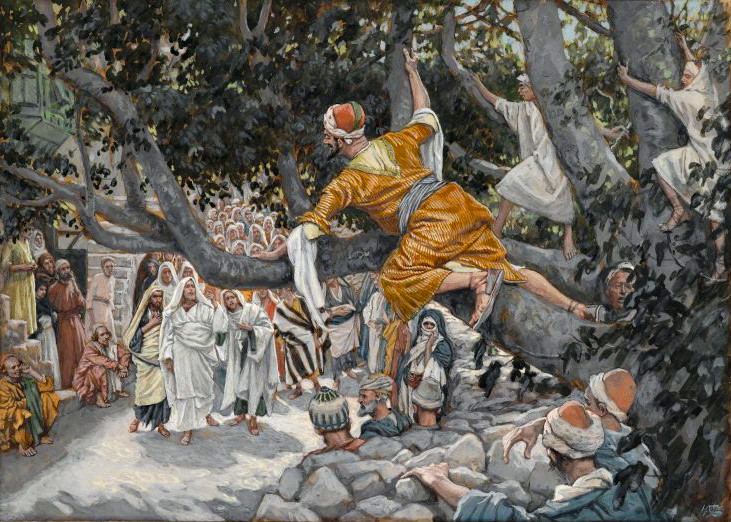
“So he ran ahead and climbed a sycamore tree to see him, because he was going to pass that way.” – Luke 19:4
I didn’t think my hands could grip so tight. I also didn’t think I’d ever be this high. So let’s be clear that I regret this choice. I wish I hadn’t scaled these heights.
Were I to fall, the people down below would step aside. I grant you that not one of them could cushion me. We’d both be left in broken bones and tears upon the road.
I really wish I hadn’t climbed this high into this tree or into my career. I used to see my neighbors’ faces as they doled out coins. Now I just see the coins.
Their faces turn away before I can pronounce their names, but not before I recognize their scorn, their bitter fear, and their disgust at just how high I’ve gone.
Too high. Too high. When branches creak at heights like this, the climber’s soul sways unassuaged by creature comforts, linen, gold, attentive slaves.
I got myself into this tree. I don’t know how to get myself down to the ground. My hands are knotted to this limb. My breath is hoarse as I cling on.
Ignore me, Jesus, Just pass by. Don’t look up. Don’t notice me. Don’t speak. Don’t call. Don’t ask me anything. Above all else, don’t ask me to come down.
A poem/prayer based on Luke 19:1-10, the Revised Common Lectionary Gospel Reading for Year C, Proper 26 (31).
The image is Zachée sur le sycomore attendant le passage de Jésus (Zacchaeus in the Sycamore Awaiting the Passage of Jesus) by James Tissot – Online Collection of Brooklyn Museum; Photo: Brooklyn Museum, 2008, 00.159.189_PS2.jpg, Public Domain, https://commons.wikimedia.org/w/index.php?curid=10904526.
“[Jesus said,] ‘But woe to you who are rich, for you have received your consolation.'” – Luke 6:24
What’s new, Beatitudes? Woe, woe, woe!
OK, Jesus. I’ll get serious with you, since you’ve got serious with me. I’m hardly rich, you know (except by global standards). I’m hardly full, except when I’ve scraped bare my dinner plate. Nor do I laugh, except, of course at my own jokes (a punster’s lot). And people don’t speak well of me, or, well, I guess they do. From time to time.
What’s new, Beatitudes? Woe, woe, woe!
I’d claim I do not need this list of warnings if I could maintain the case that I would honor them without them. And… as I’m relatively rich, and definitely full, and able to make merry, granted honor that is probably beyond my worth, it looks as if I haven’t taken heed of warnings you have made.
What’s new, Beatitudes? Woe, woe, woe!
Well, bring them on, these challenges to what I’ve done and do. Charge me once again to love my enemies and pray for them, to do them good and not bring harm. I’ll note they do not do the same for me. I’d rather not be struck upon the cheek, but if it comes, I’ll not strike back. I’ll turn the other way, and wait, and hope my tears dissuade a second blow.
A poem/prayer based on Luke 6:20-31, the Revised Common Lectionary Gospel Reading for Year C, All Saints Day.
The image is a detail of the figure of Mary Magdalene in the sculpture The Entombment of Christ in the Church of St. Martin, Arc-en-Barrois, France. Photo by User:Vassil – File:Sépulcre_Arc-en-Barrois_111008_12.jpg, CC BY 3.0, https://commons.wikimedia.org/w/index.php?curid=16942922.
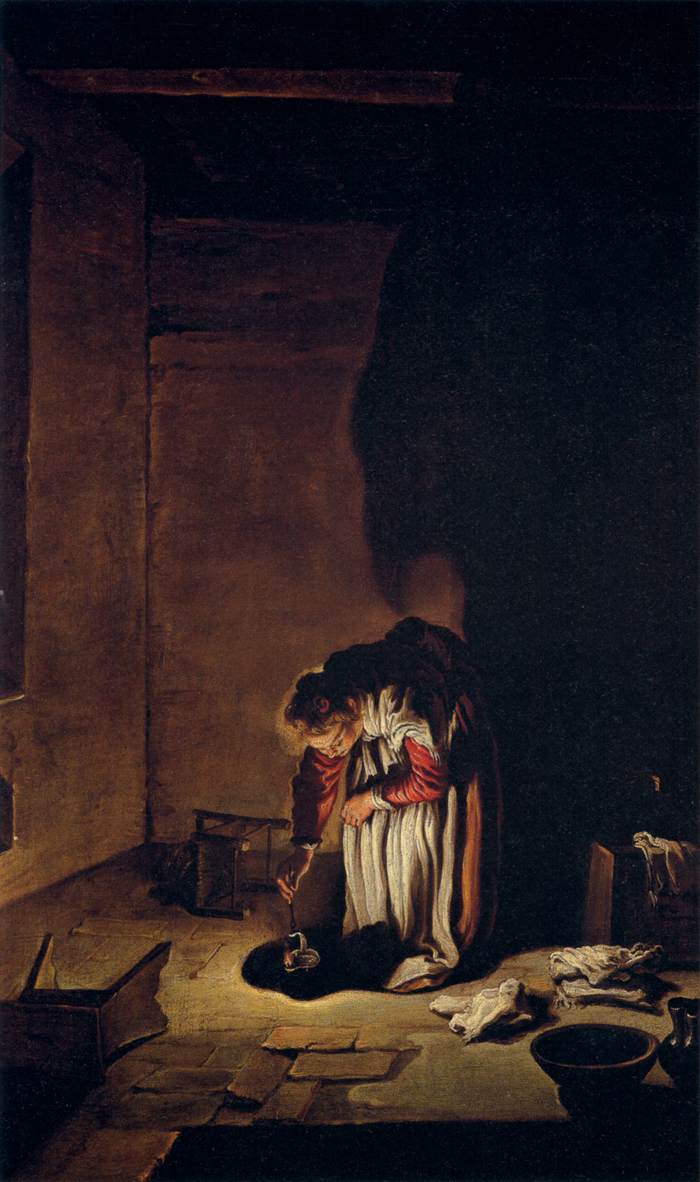
“[Jesus said,] ‘Or what woman having ten silver coins, if she loses one of them, does not light a lamp, sweep the house, and search carefully until she finds it?'”
What is the value of a single coin? Not much today, when we make money with printing upon paper, or with electronic imagination.
What is the value of a single coin? It might be little even in those ancient days, unless, of course, it was a tenth of everything she owned.
What is the value of a single coin? It might be food to take me through the day, or into a coming week, or possibly next year.
What is the value of a single coin? Enough to set me searching high and low, to bear the cost of burning oil in the lamp, to celebrate the sudden silver gleam amidst the dark.
What is the value of a single coin? A better question might be this: What is the value of a single human soul? Enough, said Jesus, for the heavens to rejoice.
A poem/prayer based on Luke 15:1-10, the Revised Common Lectionary Gospel Reading for Year C, Proper 19 (24).
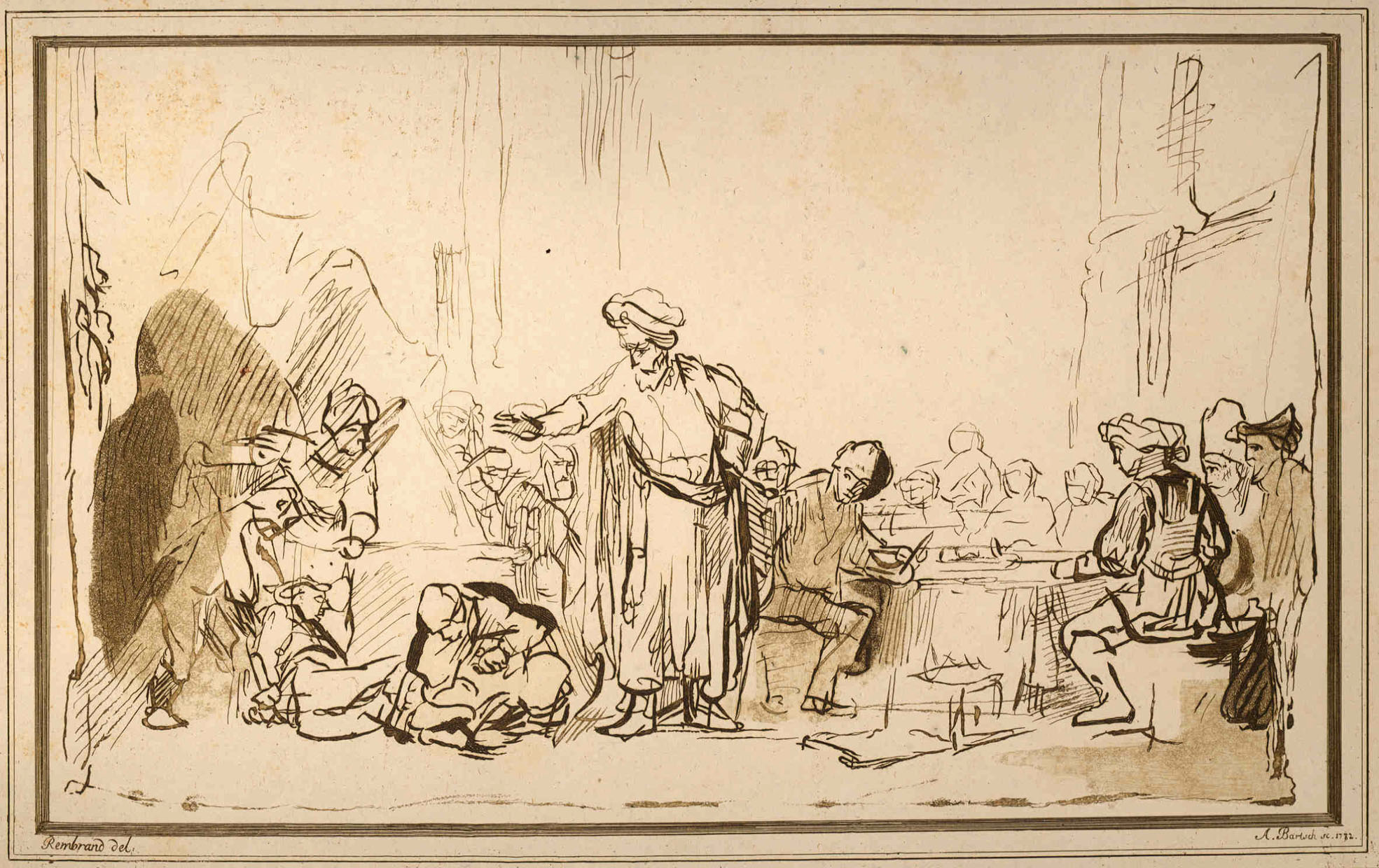
“[Jesus said,] ‘But when you are invited, go and sit down at the lowest place, so that when your host comes, he may say to you, “Friend, move up higher”; then you will be honored in the presence of all who sit at the table with you.'” – Luke 14:10
Is it fair to tell you I’m waiting, Jesus? Yes, waiting for you to return in power. Yes, waiting for resurrection’s dawn. Yes, waiting for the Day of the Lord.
But I’m also waiting for your advice to work.
For truly, and sadly, I’m just as proud as ever I was. When others are honored, a part of me waits to hear my name called though I know that it’s not about me.
But Jesus, you know, it’s still about me.
I’ve no cause to complain. I’m aware that the praise I’ve received is more than I’m due. I know it, and know I should head for the end of the room, and take my place there,
But Jesus, you know I don’t like to be there.
I like the limelight, the spotlight, the office. I like the small pond where my frog looks big. I like it, and sure I’ve received it quite often. I’ve heeded the summons of, “Friend, move up higher.”
But Jesus, I don’t always think I should be.
I can’t say I’ve bidden the poor to my table. I can’t say I’ve done all the work I could do. I can’t say I’ve lifted the spirits beside me. I can’t say I’ve always been guided by you.
So Jesus, I’ll wait, and I’ll pray that you call.
A poem/prayer based on Luke 14:1, 7-14, the Revised Common Lectionary Gospel Reading for Year C, Proper 17 (22).



 ordainedgeek