May 11, 2025
Acts 9:36-43
John 10:22-30
How is a young bird, or a young turtle, or a young person supposed to figure out how to be an adult bird, or an adult turtle, or an adult human being? People, at least, get some instructions from their elders. We get taught how to get dressed, and what things are good to eat (or at least good for you to eat; opinions differ on whether things that are good for you are tasty enough to eat), and especially important things like, “Don’t touch the boiling tea kettle on the hot stove!”
Birds probably don’t get quite that much teaching. Certainly they don’t get the years of it that we do as we’re growing up.
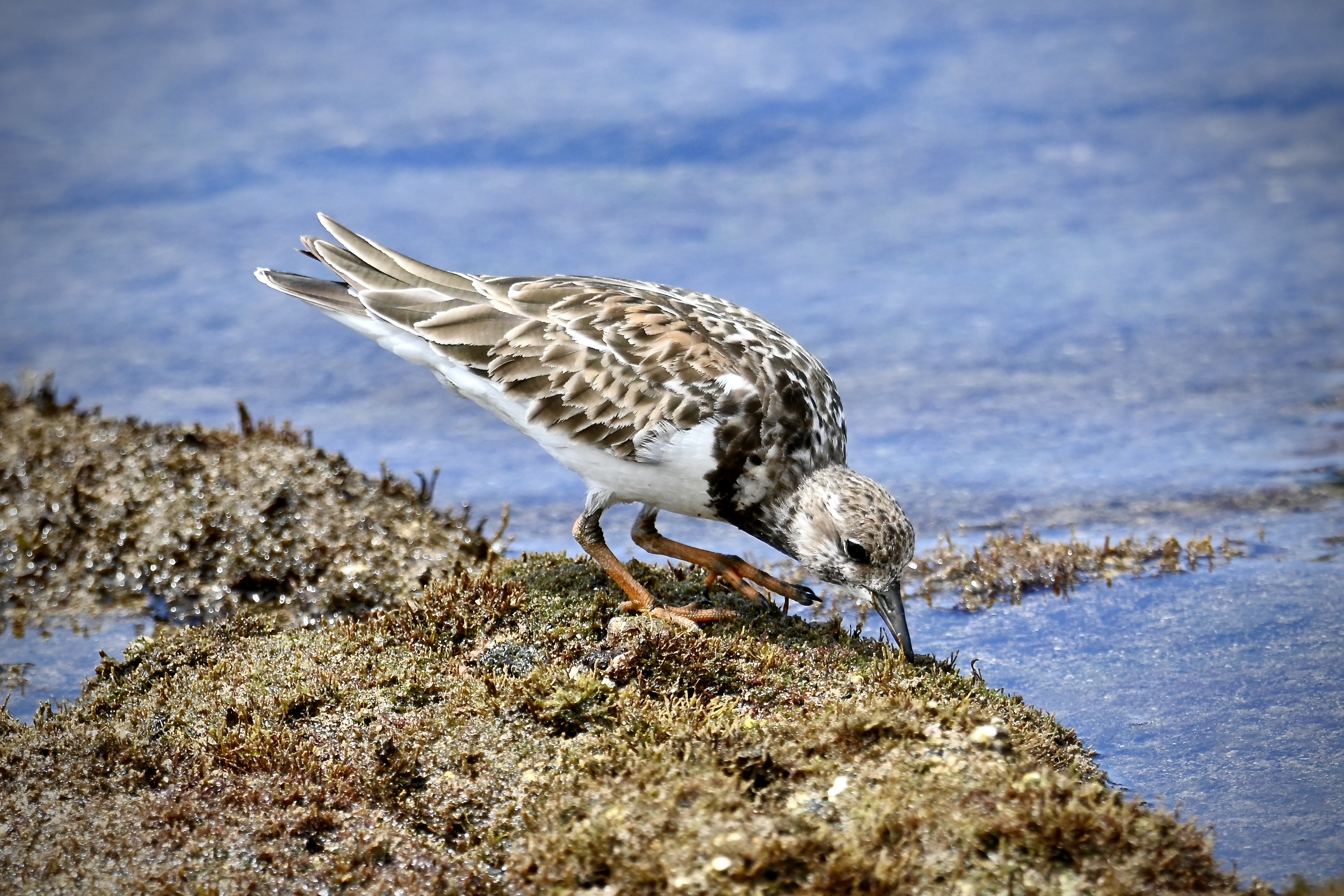
A young ‘akekeke was learning how to be an ‘akakeke. He’d already made one trip from Alaska to Hawai’i, just as the kolea do, and he’d been sleeping and eating and flying about ever since. But he was confused.
You see, there were creatures who did very different things than ‘akekeke did, and he wondered if their ways might be better.
Mind you, there were plenty of creatures who did very similar things. Kolea and hunakai and ‘akekeke all hunted through the grasses and tidepools and rocks for insects, snails, and so on. If he imitated them, things went pretty well. He tried to imitate the ae’o, but he didn’t have long pink legs to hold his body out of the water of the fishpond and he ended up gasping and spluttering as he flapped his miserable way to shore.
The least successful of all was when he tried to imitate a honu. He flopped into the water in a calm spot and lingered below the surface. Then he tried to eat some seaweed on the underwater rocks. He choked on the water, of course, and once more hauled his bedraggled self onto the beach.
He looked about and saw his mother.
She asked, “What are you up to, son?”
“I’m learning,” he said. “I’m learning to be an ‘akekeke.”
She looked around at the other ‘akakeke on the shore, none of whom were trying to feed like a honu. “How?”
“By imitating what I see,” he said.
“Are you learning anything?” she asked.
“I’m learning that some things don’t work,” he said, and coughed up a little more water.
“I’m not saying you can’t learn anything from a honu,” said his mother, “but for basic things like eating and flying, I don’t think there’s much they can teach you. I don’t think you can eat the way they do, and they certainly can’t fly the way you do.”
“I suppose not,” said the ‘akekeke, who was a little sad about not learning anything with his imitations that day.
“You have taught me something today, something I can imitate,” he said.
“What’s that, son?” asked his mother.
“You’ve taught me to be kind.”
Whether we wear feathers, shells, or rubbah slippahs on our running feet, let’s all imitate those who are kind.
by Eric Anderson
Watch the Recorded Story
I write these stories ahead of time, but I tell them from memory (plus improvisation) during worship. What you have just read is not necessarily how I told it.
Photo of an ‘akekeke (ruddy turnstone) by Eric Anderson. Not far away, grazing in a shallow pool, there was a honu (green sea turtle).





 ordainedgeek
