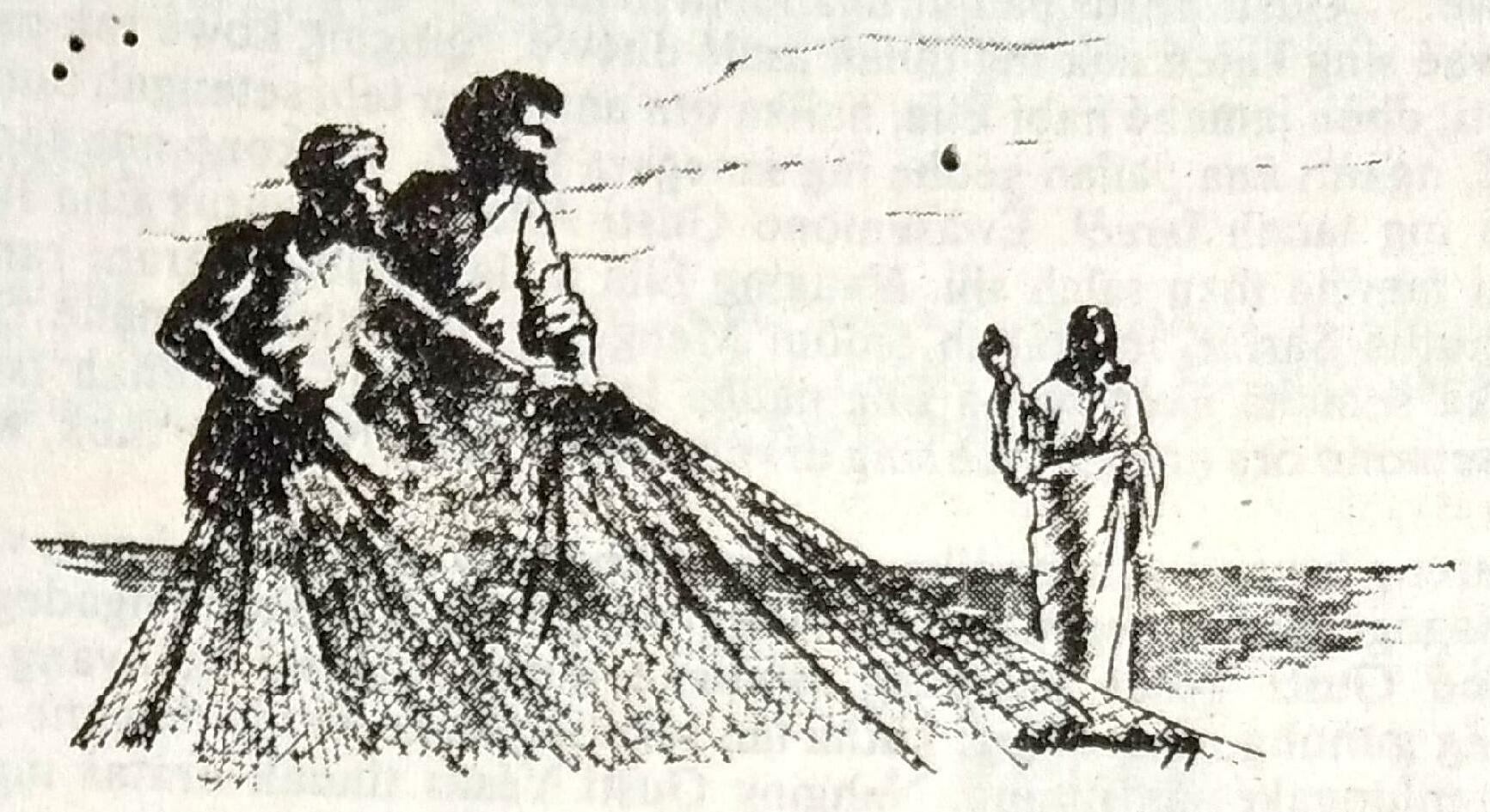
“As he walked by the Sea of Galilee, he saw two brothers, Simon, who is called Peter, and Andrew his brother, casting a net into the sea for they were fishers. And he said to them, ‘Follow me, and I will make you fishers of people.'” – Matthew 4:18-19
Matthew left it out, of course. What did you tell them, Jesus?
“Hey, guys, I’m sort of on the run since they took John, although they probably don’t know my name, so that’s all right, you think? Come follow me.
“Now mind you, folks will hear my name, and quickly, too, if I am any judge. They’ll come even from Syria to seek some healing for their bodies and their souls. Come follow me.
“I’m sure no one will think to look for me atop a mountain peak – unless they follow those who follow me, and frankly guys, I hope to leave a wide and beaten track. Come follow me.
“Now come along. We’ve work to do that doesn’t need a net. No, we’re as likely to be caught in Roman or Herodian nets as John. They’ll lift us high – but not as high as God will raise us all. Come follow me.”
A poem/prayer based on Matthew 4:12-23, the Revised Common Lectionary Gospel Reading for Year A, Third Sunday after the Epiphany.
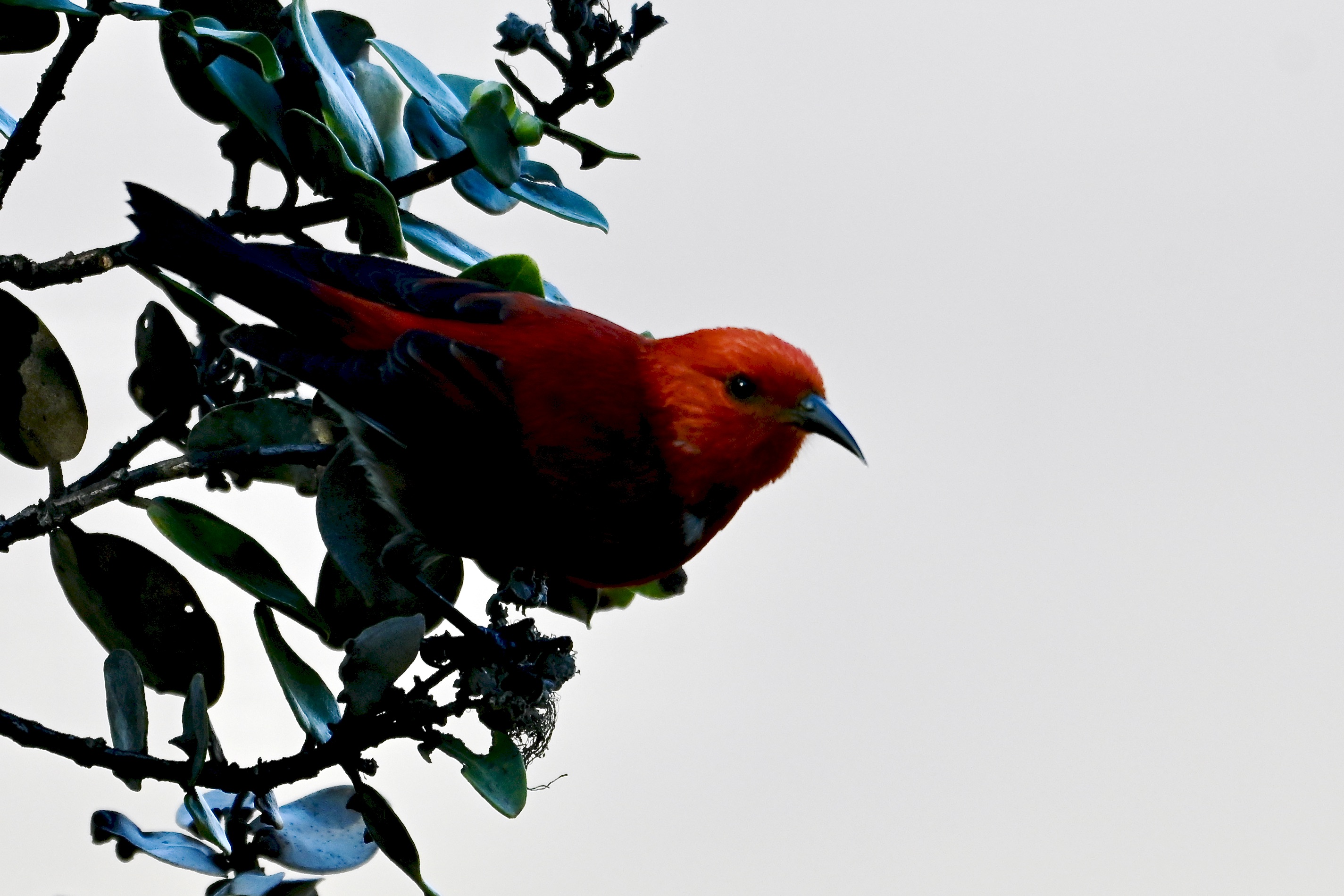
At this time of the year, you might forgive an ‘apapane for looking a little flustered. Or just for looking around. And flying around. A lot. This time of the year can be complicated.
For one thing, it’s time to get pairs together. When two birds have decided they’ll be parents with one another, they’ve got to find a spot for a nest. Then they’ve got to build the nest. Then there are eggs to lay and brood over, and then there will be chicks to feed and fledglings to teach fly, and during all of that, they still need to watch out for cats and hunker down in the storms and, of course, find themselves enough to eat.
One ‘apapane, one who had become something of a tutu to the younger birds, noticed another ‘apapane looking a little frantic.
“What are you looking for?” she asked.
“I can’t remember,” said the other ‘apapane.
“Have you eaten?” said the first one.
“I don’t think so,” said the frantic one.
“Go eat something,” she told him. “There’s some ohi’a in blossom over there, and there will be plenty of bugs there, too. I’m sure you’ll remember better after that.”
Another frantic ‘apapane landed nearby.
“What are you looking for?” asked the tutu.
“I can’t find my husband,” she said.
“Did you find a place for a nest?” asked the tutu.
“We found two, and they’re not in the same tree,” said the younger bird.
“Perch half way between the two, and watch for him,” said the tutu. “I’m sure he’s looking for you, too.”
About a minute after the younger bird flew off, a male ‘apapane flew up.
“What are you looking for?” said the tutu.
“I can’t find my wife!” he said.
“Did you pick two likely nest sites?” asked the tutu. When he said yes, she sent him off to find his wife between those two trees. “You’ll find her,” she said. “She’s looking for you.”
She did this all day, in between sipping nectar and snacking on bugs. She sent some birds after nest materials and some after food and more than you’d expect to find their missing spouses.
“How do you do it?” asked another ‘apapane who’d been watching it all.
“It’s simple,” she said. “I ask them what they’re looking for. Once I know that – actually, once they know that – I can probably help them, or send them to somebody who can help them.
“It’s really hard to find anything when you don’t know what you’re looking for.”
by Eric Anderson
Watch the Recorded Story
I write these stories in advance, but I tell them from memory plus inspiration. The story you just read does not precisely match the way I told it.
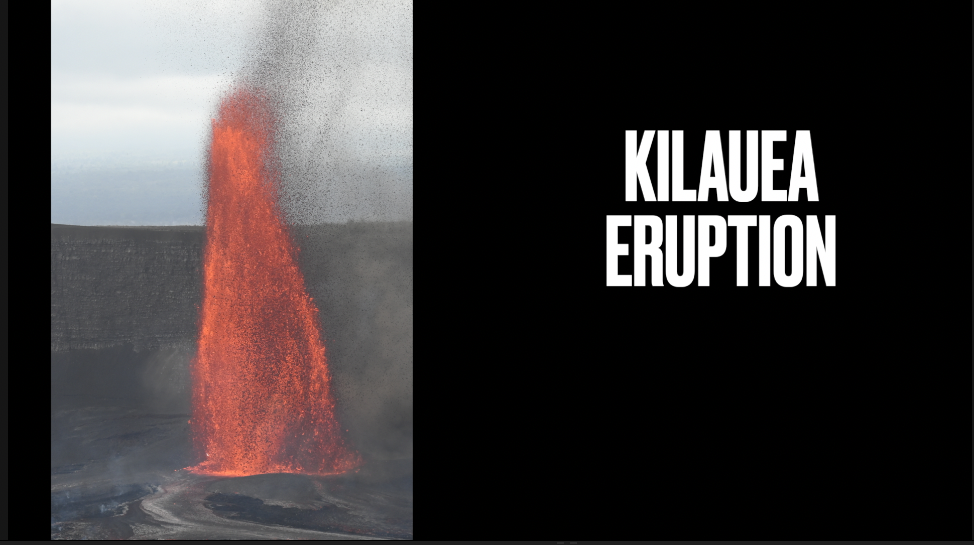
Kilauea, whose peak rises just around 30 miles from my home, resumed erupting in the summit caldera in December 2024. As 2026 begins, there have been 40 eruption “episodes,” including some very dramatic fountaining reaching heights of over 1200 feet. Of the 40, I have observed 18 and captured a very large number of photos and videos. I began to create summary videos, and have settled on producing them in three month intervals.
My great thanks to Scott Buckley, composer of “Snowfall” which I’ve used as the background music for each video, both for writing a great piece and making at available for use with a Creative Commons license.
December 2024 – March 2025
This video includes material filmed from seven visits to the caldera during eruption events.
April 2025 – May 2025
This video includes material filmed from four visits to the caldera during eruption events. It probably includes footage of the highest fountains I have observed to date.
June 2025 – August 2025
This video includes material filmed from two visits to the caldera during eruption events.
September 2025 – December 2025
I visited the Kilauea summit nine times between September and December, including four fountaining events. There was visible surface lava during a couple of the other visits, and, of course, there were always the stunning sights of the Kilauea caldera. This video does not include the dramatic fountains of episode 40, which took place January 12, 2026.
“When Jesus turned and saw them following, he said to them, ‘What are you looking for?'” – John 1:38
Well, Teacher, I’ve been following you for forty-five years and more, and yet: I don’t think I can tell you what I’m looking for.
It’s such an awkward question.
Like Andrew and his long-forgotten friend (what happened to him, anyway?), if you asked me I’d say something inane.
“Where are you staying, Teacher?”
You know, I know, they knew that wasn’t why they took those steps from John the Baptist’s side to yours.
But how were they to answer what they didn’t know?
And I, with decades as a follower, with decades as a teacher of your flock, with years of writing poem prayers to you,
I still don’t know.
What am I looking for in you? A place of honor, a big frog in what seems like a shrinking pond?
That would be silly, wouldn’t it?
Might I be looking for some meaning in a world that seems to shed its sense and sense of morals, too?
Can you make sense of what’s nonsensical?
Could I be looking for a safe embrace, for arms extended wide, to hold me fiercely, gently, for all time?
I could. I could indeed.
But most of all, dear Teacher, I suspect I’m looking for the One who’ll listen to my babbled nonsense answer, and
Reply with, “Come and see.”
A poem/prayer based on John 1:29-42, the Revised Common Lectionary Gospel Reading for Year A, Second Sunday after the Epiphany.
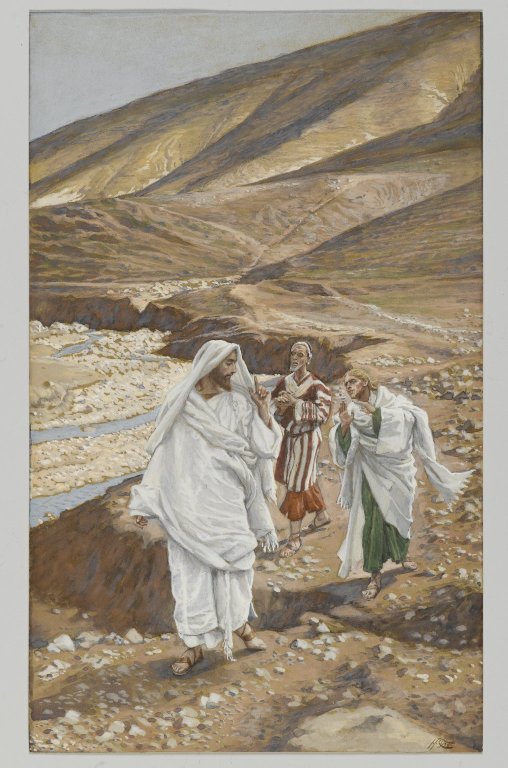
The image is Vocation de Saint Jean et de Saint André (The Calling of Saint John and Saint Andrew) by James Tissot (between 1886 and 1894) – Online Collection of Brooklyn Museum; Photo: Brooklyn Museum, 2008, 00.159.55_PS2.jpg, Public Domain, https://commons.wikimedia.org/w/index.php?curid=10195829.
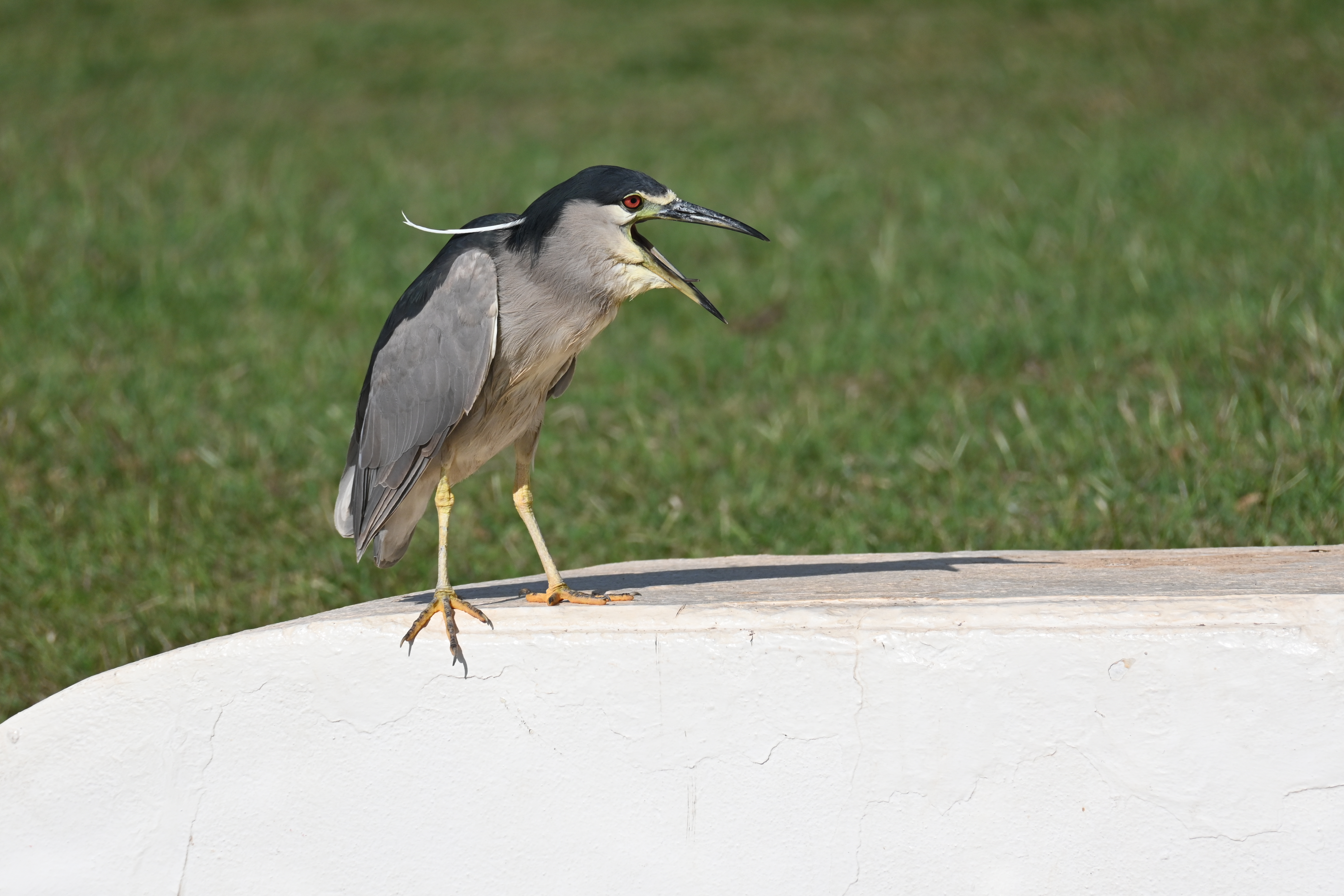
‘Auku’u are cool birds. They’re the most widespread heron in the world (black-crowned night heron). Our Hawaiian ‘auku’u have relatives across all the continents, including Antarctica. They’ve got startling orange eyes when they’re young and even more startling red eyes when they get older. Their blue and gray feathering is very smart, and who can forget those long black and white feathers trailing back from the head. They’re cool birds.
One of them knew it.
Like most ‘auku’u, he spent a good deal of his perching time settling his feathers. They all do that; it’s kind of like the way you and I wash our hands pretty often. Since he knew he was a really cool bird, though, and wanted to make sure everybody else knew it, he spent a lot more time, twice as much time as the other ‘auku’u.
Which is OK, I guess, if you’re a cool bird and want to make sure you stay a cool bird. The problem was, he decided that since he was a cool bird he would also be the best fed bird.
‘Auku’u do tend to warn other birds away when they’re feeding, but he took it to another level. If he saw a bird land nearby, he’d squawk and screech. If it flew away, he’d squawk until it was out of sight. If it landed, he’d take off and fly right at it, screeching until it took to the air again.
He squawked at other ‘auku’u. He squawked at ae’o. He squawked at ale’e ke’oke’o. He squawked at cattle egrets and kolea and akekeke. All in all, he screeched at everyone.
Then he’d settle back down, settle his feathers, and turn his attention to fishing once more – except that by this time another bird would usually settle nearby and he’d be screeching again.
Not too far away, some other ‘auku’u watched all this with some puzzlement.
“What good is all that doing him?” asked one of the other.
“Is he eating any better?” asked the second of the first.
“I don’t think so,” she answered. “Does he look any better to you?”
“Not to me,” her friend said. “He mostly looks unhappy.”
“With all that preening,” said the first ‘auku’u, “he should look more stylish than that.”
“You know, I hate to say it,” said the second ‘auku’u, “he doesn’t look cool.”
“Not cool at all,” said his friend.
“It’s a pity,” said the second, “that a cool bird looks so uncool.”
The screeching started again from across the pond, and the two birds shrugged, settled some of their own feathers, and turned back to fishing.
by Eric Anderson
Watch the Recorded Story
I write these stories in advance, but I tell them from memory and inspiration. As a result, the story you just read will not be precisely as I told it.
Photo of an ‘auku’u (a black-crowned night heron) by Eric Anderson.
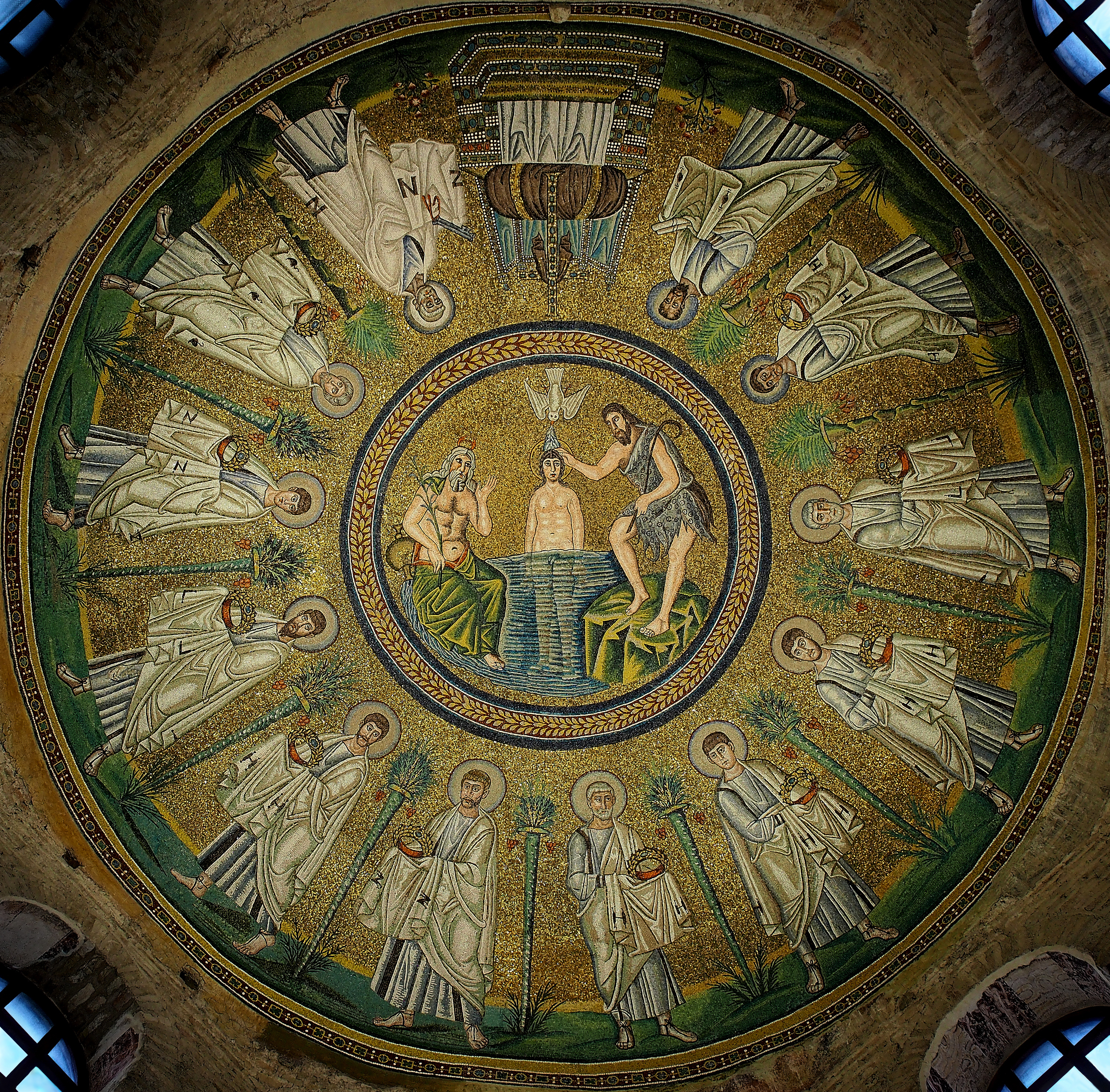
“Then Jesus came from Galilee to John at the Jordan, to be baptized by him. John would have prevented him, saying, ‘I need to be baptized by you, and do you come to me?’ But Jesus answered him, ‘Let it be so now, for it is proper for us in this way to fulfill all righteousness.’ Then he consented.” – Matthew 3:13-15
I wonder.
How many of the senior teachers, how many of the higher priests who gathered with the laborers, the tax collectors, soldiers, on the riverbank in search of some forgiveness through the flowing stream, thought secretly or not so secretly that they, not John, should wash away the sins to be forgiven, or would rather send the penitent to climb the slopes and pay the price charged by the Temple vendors who would scatter later at the wrath of Christ?
How many would have said, “Let it be so for now,” and bowed their heads to wash as Jesus did? Or did they huff upon the bank and claim that they were justified no matter what they’d done, or others seen, recorded, understood, and known for wrong? How many would have roared that they alone determined right or wrong, despite the blood which dripped into the Jordan from their hands?
How many would have humbled pride of place?
Events of then or now suggest it would be very few.
Perhaps: just one.
A poem/prayer based on Matthew 3:13-17, the Revised Common Lectionary Gospel Reading for Year A, Baptism of Christ.
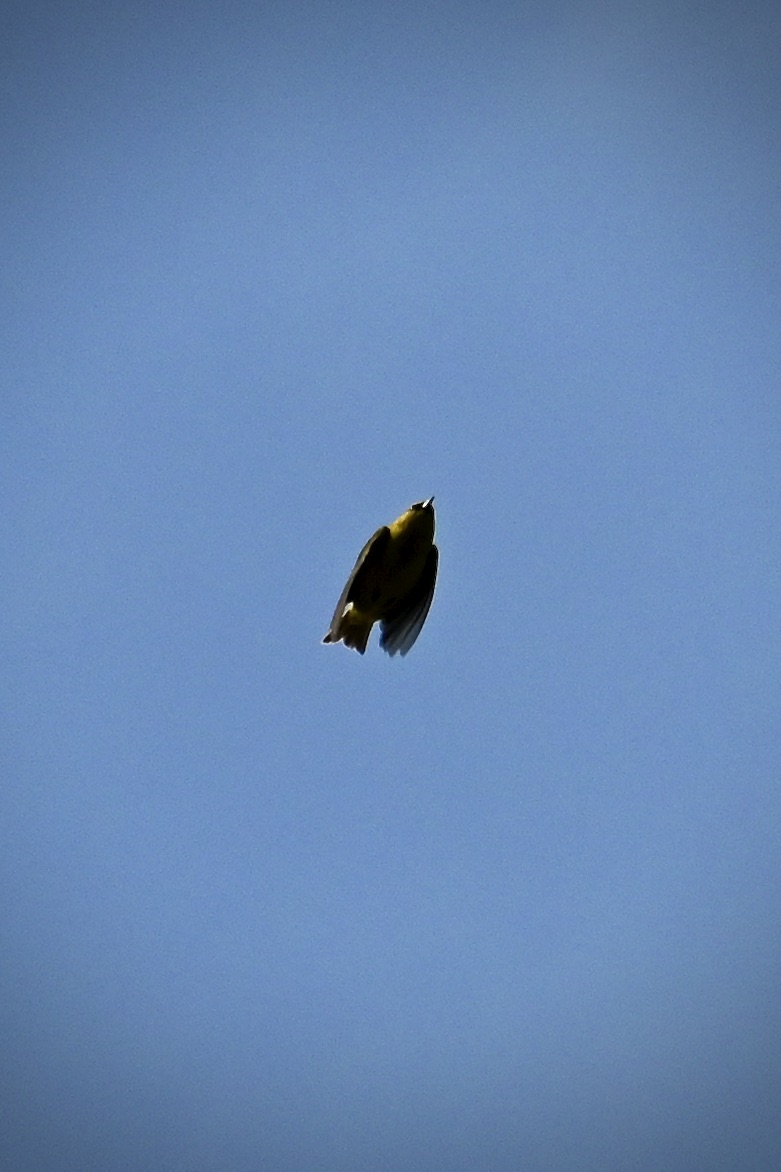
“What is wisdom?” wondered the ‘amakihi as he flew through the sky.
“What is wisdom?” wondered the ‘amakihi as he sipped on ohi’a nectar.
“What is wisdom?” wondered the ‘amakihi as he settled down to sleep at night.
“What is wisdom?” wondered the ‘amakihi as he woke in the morning.
“What is wisdom?” is, in fact, an extremely good question whether you’re an ‘amakihi or a human being. Wisdom, after all, tends to prevent a lot of foolishness. Foolishness, on the other hand, tends to happen in the absence of wisdom.
“What is wisdom?” wandered the ‘amakihi over the course of the day.
One of the features of wisdom is that when someone who is wise doesn’t know or doesn’t understand something, they do things to learn more about it. They look around at things. They measure and they think about what they’ve measured. If they’re human, they might read something, or a lot of somethings. They ask others to see what they know.
Whether you’re a human or an ‘amakihi, a good one to ask would be tutu.
“Tutu,” asked the ‘amakihi, “what is wisdom?”
Tutu was pleased. It was a wise question – if you don’t know something, wisdom says, “Ask.” He’d made a wise choice about who to ask – grandparents often know things. And he was asking about something important, wisdom itself.
She replied with a question of her own: “What is knowledge, grandson?”
“Knowledge?” he asked. “I hadn’t thought much about that… it seemed kind of obvious. If I know something that’s true, that’s been demonstrated to me, that’s knowledge. If I think I know something that isn’t true, or if I simply don’t know something, that’s not knowledge. Is that right?”
“That’s right,” said Tutu. “Now let me ask something else.”
“Are you going to answer my question?” asked her grandson, who was starting to worry that if he answered all her questions she wouldn’t get around to answering his.
“I am,” she said. “Now here’s my question: Can you fly with your wings closed?”
He opened his beak to reply, then stopped. It doesn’t make much sense, but he realized that sometimes while flying, he would close his wings. Not for long. Not all the time, obviously. But for a few moments in many flights, he would be flying with his wings closed.
“Yes,” he said carefully. “For a moment or two.”
“How do you know whether to close your wings in flight?”
“It’s complicated,” he said. “How high up am I? How much do I need to rest my wings for a moment? Will I need to make a quick turn or slow down to land? There isn’t a simple answer.”
“That’s right, there isn’t,” she told him. “Knowing that you can fold your wings in flight is knowledge. You know it’s something you can do. Choosing the right moment to do it – or the right moment not to do it – that’s wisdom.
“Wisdom is when you consider what you don’t know for certain, what might happen, or what might not happen if you do something, and then make a good choice. Wisdom looks at what you know, and asks whether you should.
“That, grandson, is wisdom.”
by Eric Anderson
Watch the Recorded Story
I write these stories in advance, but I tell them from memory and inspiration on Sunday mornings. What you have just read does not precisely match how I told it.
In 2025 I took my first sabbatical since arriving at Church of the Holy Cross UCC in April 2016 – which was, shall we say, overdue. Several friends and colleagues have been either asking me about my plans or, shall we say, nudging me to make them. I won’t go into the reasons why I delayed it. Some of them are obvious given the world of 2020 to 2023. Some of them are, shall we say, entirely my own fault.
I took it in time.
The last time I took a sabbatical was from my position with the historic Connecticut Conference. I’d delayed that one, too, for reasons that seemed good at the time. It meant that when I did take it, I basically collapsed for quite a long time. I didn’t have enough energy to learn many new things or to do things that refreshed me. This time, I was able to make the journeys that nourished my soul.
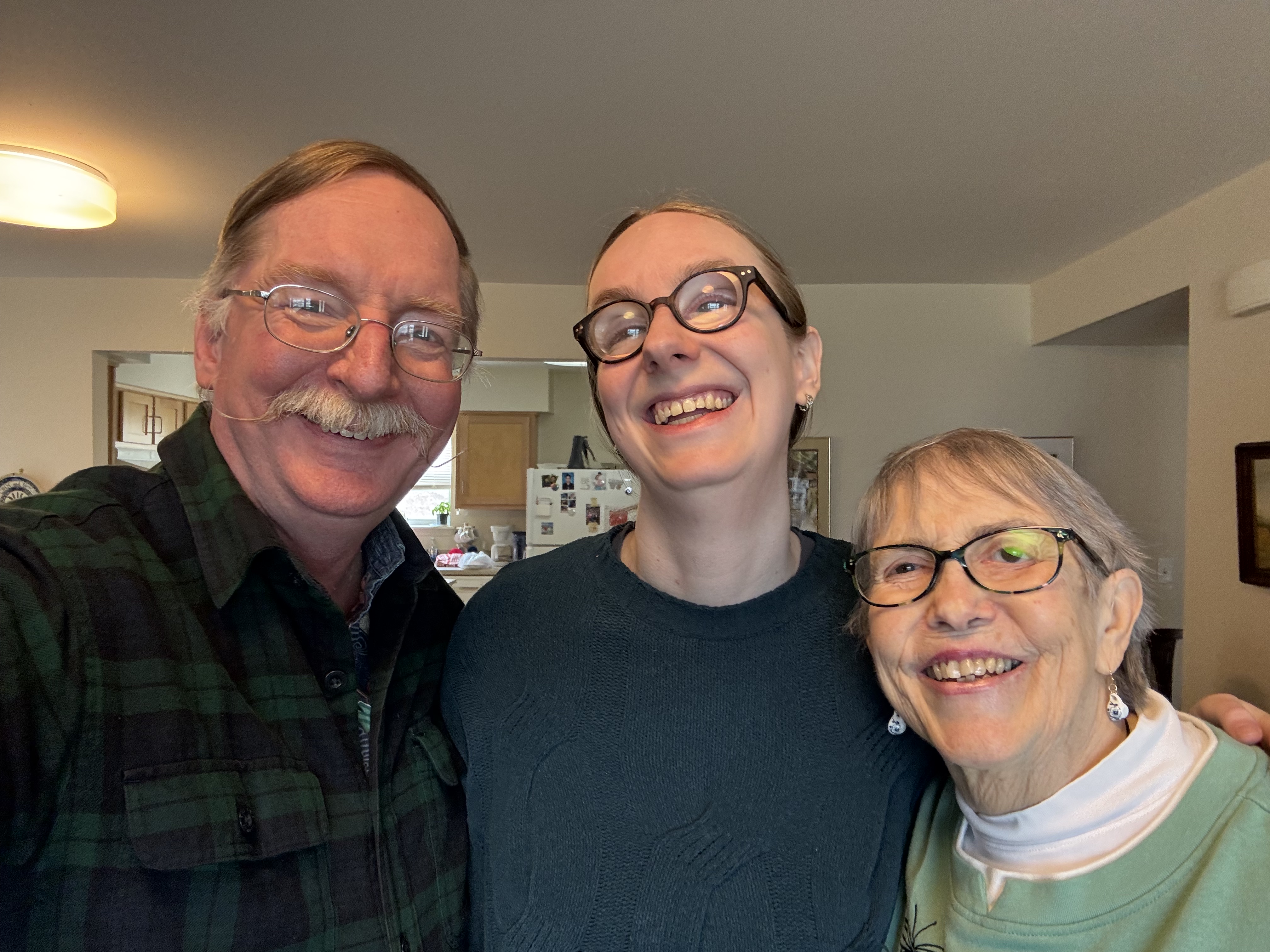
I traveled a lot during 2025, eventually becoming grateful for the times I wasn’t traveling. I made trips to O’ahu, Kaua’i, and the northeast during my sabbatical. For the first time since 2016, I celebrated Easter with family, attending church with my daughter Rebekah in Northampton, Massachusetts. We drove to Watertown, New York, to see my stepmother and her grandmother Shirley, and I also visited my son Brendan in Burlington, Vermont, and aunt and uncle in New Hampshire. The trips around the Hawaiian islands were related to one of my sabbatical projects, which was to visit all the islands – which almost happened. I didn’t make it to Maui (though I’d been there before) or Molokai, so that still needs to happen.
Me, Rebekah, and Shirley
In June I was back on Kaua’i for the Hawai’i Conference’s ‘Aha Pae’aina, or annual meeting. I took the opportunity to visit two birding sites and was rewarded with lots of new birds and amazing images. I also headed for the rear tables in the meeting itself to leave room for the new Conference Council Chair to do her work as moderator, which she did very well.
A week later I was back in New England for a cousin’s wedding, which I never attended as I came down with Covid and had to keep separate from everyone. It was a pretty bitter disappointment.
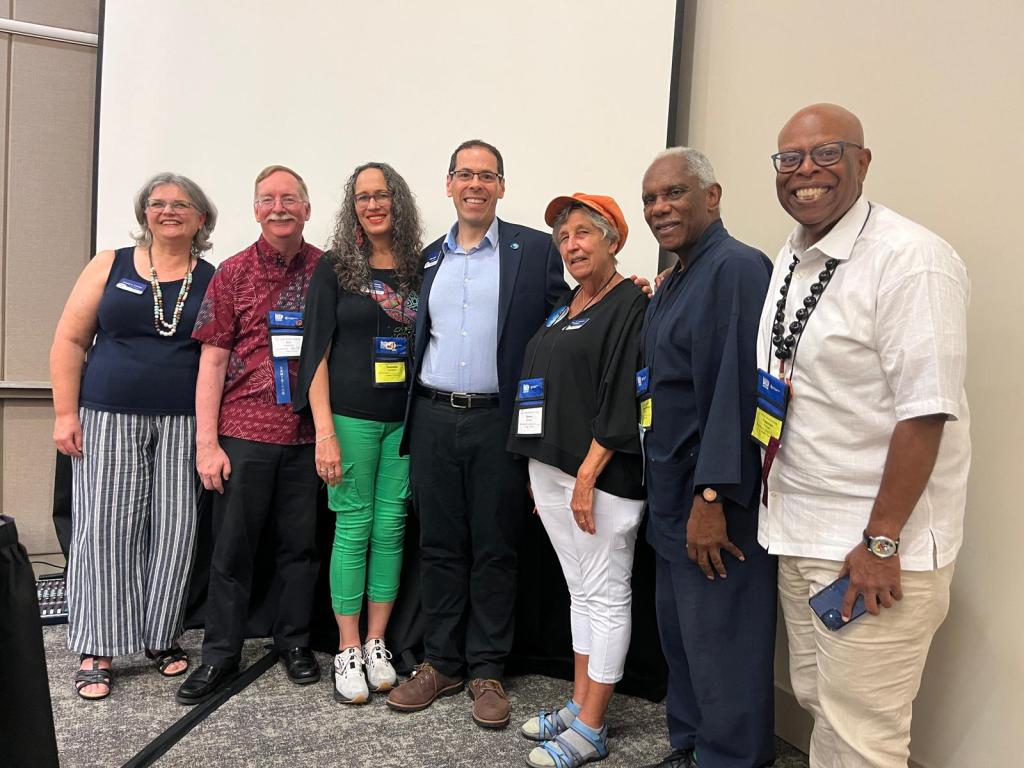
Two weeks later and recovered I was off again, this time to the General Synod of the United Church of Christ, held in Kansas City this year. I had a brand new set of responsibilities: as a member of the Board of Directors of the UCC Media Justice Ministry, I was one of the leaders of a workshop led by the Ministry and helped staff our exhibit hall booth. I’ve attended quite a number of Synods as a reporter/photographer, and a couple as a delegate. This was a much more relaxed schedule, but it still kept me busy.
Members of the UCC Media Justice Ministry Board
Back from Synod, I was able to turn my attention to a gap in our church staff. Our choir director, Doug Albertson, retired at the end of 2024. With me absent we’d put off the search for a new director. In the fall we brought on Bob Grove, a wonderfully talented and tender person who brought our choir to a lovely debut on Christmas Eve. With the choir working up, I continued to sing a solo one Sunday a month during the anthem time.
I took something of a musical break during my sabbatical. I wrote no songs at all during those three months, which suggests to me that composition had lost some of its creative release for me. Over the course of the year, however, I did write seven songs, which are collected in 2025: The Songs. In the fall I rejoined the Big Island Singers (I didn’t sing with them in the spring) and even took their portraits for the electronic program. As the year ended, illness took its toll on some of our planned performances. Bob Grove gathered a men’s trio for a Sunday, and one of it members couldn’t sing and we had to cancel. On Christmas Eve Bekah and I planned to sing together, and illness brought her low.
August brought a terrible shock: the death of my stepmother, Shirley Anderson. She had been my stepmother, in fact, longer than I’d had my mother. Shirley was one of the world’s great souls, bringing love and cheer and compassion with a quiet determination that I’ve never seen match. As her son Ken said, she was one of the best of us. We all miss her terribly. In October I made yet another trip to New England – the third of the year – to lay her to rest.
During and after my sabbatical, photography provided my creative anchor and outlet. A lot of those photos featured birds. I added thirty-two species to my official “life list,” but that’s partially because I only started keeping one a couple years ago. A species I grew up with, the Northern Cardinal, I “officially” recorded for the first time in 2025. Still. I saw several birds I’d simply never seen before and got photos of nearly all of them. I got really satisfying images of i’iwi, ‘akiapola’au, ‘apapane, kolea, ‘akekeke, kioea, and more. At year’s end, I produced a self-published children’s story book of “The ‘Apapane’s Christmas Pageant.” I took most of the photos for it this year. There’s some excitement about it within the church and we hope to make it more widely available in the coming year. You can read the story here.
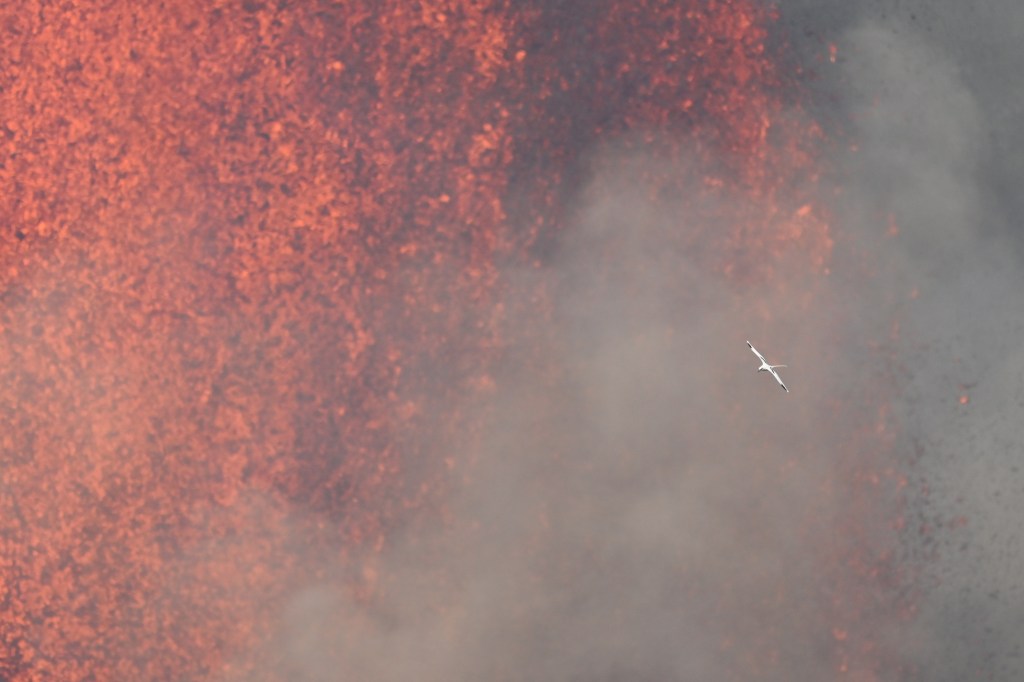
A koa’e kea flies near a lava fountain (one of the images in “The ‘Apapane’s Christmas Pageant”)
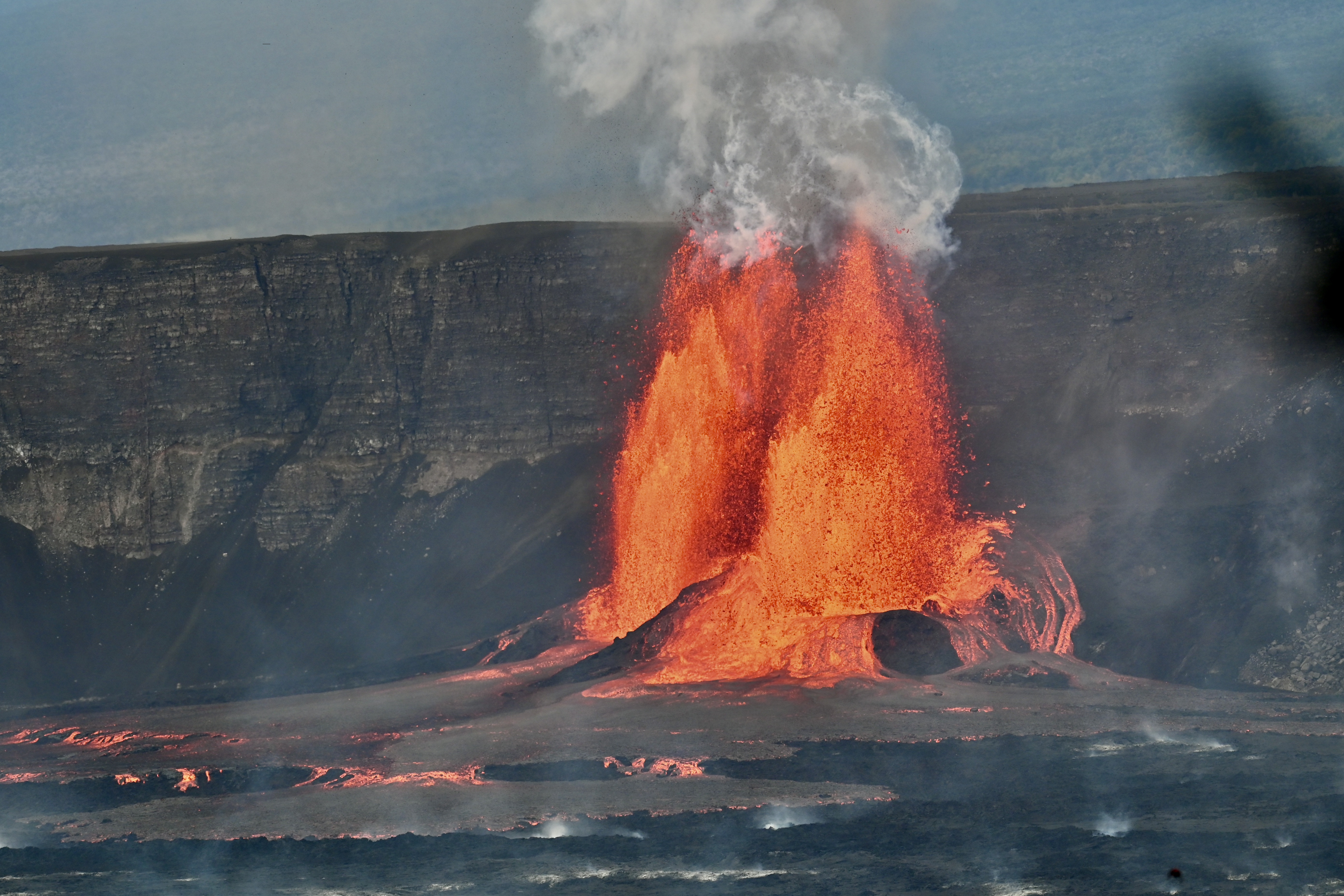
It wasn’t just birds. I still like to take pictures of flowers, and I took quite a few. Over and over again, the Kilauea volcano drew me to the summit. There have been 39 eruptive events since last December, and I have seen around half of them. The result is hundreds of photos and videos.
Twin fountains on March 23, 2025.
The year ended with a deep delight: my son Brendan and daughter Rebekah visited from just before Christmas until New Year’s Eve. As I hinted above, Bekah promptly fell ill and left Brendan and I to do some exploratory hikes while she recovered. Regrettably, they missed a fountain event the night after they arrived, but the timing was really poor to drive up to see it, and the next morning Bekah reported she was sick.
Brendan and Rebekah at the Kilauea summit.
My tenth anniversary as pastor of Church of the Holy Cross UCC comes up this April, a solid decade of life and work and music and photography in this precious place, a literal thin spot of the Earth. May it bring life, work, music, and wonders.
I took a three month sabbatical this year, and I rather expected that I would write more songs than I had in 2024. It turned out that songwriting was one of the activities I needed a break from, so I wrote no new music between the beginning of January and the middle of May. To my surprise, however, by year’s end I had written seven songs despite the hiatus.
Water and Spirit
First performed January 12, 2025.
This is a song for the Baptism of Jesus. I tried to bring a sense of melancholy sweetness to the melody and to the lyric.
Who Are the People of Spirit?
First performed May 18, 2025.
Freshly back from sabbatical, I wanted to sing about Simon Peter’s encounter with a Roman family and the Holy Spirit’s movement among people. I also wanted to sing, of course, about the activity of the Spirit among the people of today.
You’ve Got to Bring a Little with You
First performed July 23, 2025.
I’ve written a song for our Vacation Bible School program for the last few years – at least, when I haven’t had a conflict (which the leaders try very strenuously to avoid). I’ve written a song about the Bible story before, which is the feeding of the five thousand. This song is a little more energetic and, if I do say so myself, more catchy.
You’ve Got to Hold On
First performed October 19, 2025.
Why, yes! It’s another song about a Bible story! In this case, it’s the wrestling match between Jacob and a mysterious figure (God? an angel?) in Genesis 32. It struck me that when Jacob was losing, his last ditch effort was simply to hold on. Hold on. It seemed like a good model for you and me.
Inspired to Do Well
First performed November 16, 2025.
This song doesn’t have a Biblical story for its foundation (can you believe it?), though I’d claim it has clear roots in Biblical spirituality. Frankly, it’s a song that comes from pique. I was getting very tired of people being lionized for doing selfish and greedy things, for bringing harm to others. I want to be inspired to do well.
Everybody Lift Your Voice
First performed November 25, 2025; first recorded November 26, 2025.
I wrote this song for the Community Thanksgiving Celebration held by Interfaith Communities in Action in Hilo on the Tuesday before Thanksgiving. Ordinarily our church would have been represented by our choir, but we brought in a new choir director just a month or two earlier, and the choir’s first performance didn’t take place until Christmas Eve. The evening’s theme was the title of the great hymn “Lift Every Voice and Sing,” and took let a variant of that lyric lead the chorus.
This Child Will Make a Joyful Morning
First performed December 24, 2025.
When I look to write songs for the great Christian holidays of Easter and Christmas, I tend to look for moments in the story that haven’t received a lot of attention. A few years ago I wrote a Christmas Eve lullaby – sung by Joseph to Mary – and last year it was a song about Christmas morning (nobody writes about that, have you noticed?). This year I hoped to perform the song with my daughter, who was visiting over the Christmas holiday, but she fell ill and I had to sing this song which looks ahead to Christmas morning by myself.
Shepherd 1: A tender of sheep Shepherd 2: A tender of sheep and one goat Sheep: A wooly creature Goat: A non-wooly creature Lead Angel: A messenger to shepherds Angels: A backup chorus of messengers Mary: A young woman Joseph: A young man Magi 1: A scholar dressed a lot like a king Magi 2: Another scholar dressed a lot like a king
SCENE 1: A hillside
[SHEPHERD 1, SHEPHERD 2, GOAT, and SHEEP enter]
Shepherd 1: I can’t believe you brought a goat.
Shepherd 2: Why not bring a goat? Goats are cool. They don’t get lost as often as sheep. And they give milk. That’s useful.
Shepherd 1: OK, all that is true. But you only brought one goat. Shouldn’t you have brought a herd of goats?
Shepherd 2: Of course I’ve heard of goats.
Shepherd 1: Ha, ha. I’m not sure that joke is going to be funny even if two thousand years go by.
Shepherd 2: I thought it was funny. And I’m sure the goat heard. Did you think it was funny?
Goat: Bah!
Sheep: Bah!
Shepherd 1: Why did you bring just one goat?
Shepherd 2: I’m picky.
Shepherd 1: So brought just one goat because…
Shepherd 2: It’s the best goat.
Shepherd 1: Just how do you choose the best goat?
Shepherd 2: The best goat has great hair, great hooves, great ears, and most of all, great horns.
Shepherd 1: And this one is the best goat, is it?
Goat: Bah!
Sheep: Bah!
Shepherd 2: You hear them? They agree.
Shepherd 1: That sounded like “Bah” to me.
[The LEAD ANGEL and the ANGELS enter]
Shepherds: Aaaggghhhh!
Sheep: Bah!
Goat: Bah!
Lead Angel: Do not be afraid!
Shepherd 1: Why not? I’m terrified!
Shepherd 2: Me, too! I planned on the best goat, not the Lead Angel.
Angels: Us, too!
Shepherd 2: Plus the other angels. Sorry.
Lead Angel: I bring you good news!
Shepherd 1: We’re getting good grass this season?
Shepherd 2: The price of goat’s milk is going up?
Shepherd 1: My family is going to learn to spin and weave wool?
Shepherd 2: This really is the best goat ever?
Sheep: Bah!
Goat: Bah!
Angels: Hush and you’ll learn something!
Lead Angel: Think bigger, shepherds.
Angels: Much bigger!
Shepherd 2: I need a bigger goat?
Goat: Bah!
Lead Angel: No. Down the hill in the City of David…
Shepherd 1: The what?
Lead Angel: Bethlehem. It’s where King David came from.
Angels: Now stop interrupting!
Lead Angel: Down in the City of David a child has been born to save all people. He is the Messiah, the Lord.
Shepherd 1: Wow.
Lead Angel: Go to the city and look for a newborn who is wrapped in swaddling cloths and lying in a manger.
Shepherd 2: Excuse me. I don’t mean to interrupt, but… what are swaddling cloths?
Lead Angel: You don’t have children, do you?
Shepherd 2: No. I have the best goat, though.
Goat: Bah!
Sheep: Bah!
Lead Angel: Swaddling cloths are light blankets you wrap around a baby to keep him warm.
Shepherd 2: Oh. OK. Good. And… One other thing?
Lead Angel: Really? All right. What else do you want to know?
Shepherd 2: A manger? Like, a feeding trough? We should be looking for the Messiah in a stable?
Lead Angel: Where else would you look?
Shepherd 1: Don’t argue with the angel.
Goat: Bah!
Sheep: Bah!
Shepherd 2: Right. We’ll look in the stables.
Shepherd 1: Thanks for the good news!
Angels: Hallelujah! Glory to God!
[ANGELS and LEAD ANGEL exit]
Shepherd 2: What do we do now?
Shepherd 1: You might want to argue with angels, but not me. We’re going to Bethlehem.
Goat: Bah!
Shepherd 1: Don’t forget your goat.
[SHEPHERD 1, SHEPHERD 2, GOAT, and SHEEP exit]
SCENE 2: A Stable
[MARY and JOSEPH enter with baby]
Mary: Did I just have a baby in a stable?
[JOSEPH looks at the bundle Mary is carrying]
Joseph: That’s a baby you’ve got. I’d say yes. Yes, you just had a baby in a stable.
Mary: No wonder I’m so tired. Can you hold him for a bit?
Joseph: Sure. Wait. There’s a manger here. It’s got straw in it. That should be soft for a baby, right?
Mary: Put him in it and see if he cries.
[JOSEPH puts the baby in the manger. No crying]
Joseph: No crying.
Mary: Not from him, maybe. I’m about ready to cry. What a night!
Joseph: It’s all right, Mary. It’ll all be quiet from here.
[SHEPHERD 1, SHEPHERD 2, GOAT, and SHEEP enter]
Shepherd 1: Hi. Sorry to bother you, but is there a baby here in a manger?
Shepherd 2: This is our sixth stable tonight and boy are my feet tired.
[GOAT looks in the manger]
Goat: Bah!
Sheep: Bah!
Shepherd 2: Would you look at that?
Shepherd 1: It’s a baby in a manger!
Shepherd 2: And my goat found it. He really is the best, you know.
Joseph: Excuse me, but who are you?
Mary: And why are you looking for a baby in a manger? Why would you even think to look for a baby in a manger?
Shepherd 1: Oh, we didn’t think of it.
Goat: Bah!
Sheep: Bah!
Shepherd 2: We don’t think very much, really.
Shepherd 1: Some angels came and told us to look for a baby in a manger.
Shepherd 2: It was pretty scary, actually.
Shepherd 1: It was scarier after you started arguing with the angels. Who does that?
Goat: Bah!
Sheep: Bah!
Shepherd 2: I don’t do it often.
Joseph: Slow down. You say angels told you to come here?
Shepherd 1: They told us to look here.
Shepherd 2: And six stables later, here you are!
Mary: Why? Why did the angels tell you to look for a baby in a stable?
Shepherd 2: Oh. Didn’t we mention that?
Goat: Bah!
Sheep: Bah!
Shepherd 1: I guess we didn’t. You see, the angel told us that this baby is…
Goat: Bah!
Shepherd 2: The Messiah!
[Everyone looks at the baby]
Shepherd 1: So… that’s what a Messiah looks like?
Mary: When he’s just been born.
Shepherd 2: Oh. So you knew already?
Mary: Let’s just say I’ve had my own conversation with an angel.
Shepherd 1: I’m sure she didn’t argue the way you did.
Mary: I just asked questions.
[LEAD ANGEL and other ANGELS enter]
Lead Angel: You didn’t argue at all.
Mary: It was weird, though.
Lead Angel: Of course it was unusual. You don’t think we send Messiah every day, do you?
Goat: Bah!
Sheep: Bah!
Lead Angel: Well said.
Angels: Hallelujah!
Shepherd 2: Of course it’s well said. He’s the best goat.
[MAGI 1 and MAGI 2 enter. MAGI 1 is really tired.]
Magi 1: Greetings, favored one! The Lord is with you.
Lead Angel: Hey, that’s my line!
Mary: Yes, I’ve heard that one before.
Magi 2: I’m sorry. You’ll have to forgive him. He’s been carrying the heavy stuff.
Joseph: If you don’t mind, who are you, and why are you barging into our baby’s bedroom – er, stable – at this hour?
Magi 1: Barging? We haven’t got a barge. Not a sign of a boat at all. No, we’ve had camels.
Magi 2: Our other friend is parking the camels.
Magi 1: Why didn’t he bring them in here? It’s a stable, after all.
Magi 2: Because of the newborn baby? Really. Put the gold down. It’s not helping you think.
[The MAGI put their bundles down]
Shepherd 1: Did he say, “Gold”?
Shepherd 2: I think he said “Gold”.
Mary: Gold?
Joseph: Gold?
Goat: Bah!
Sheep: Bah!
Lead Angel: Yes, he said gold.
Mary: Why are you carrying gold?
Magi 1: I’m not carrying it any more. I put it down.
Magi 2: What my exhausted friend means is that we’re here to celebrate the birth of the newborn Messiah. That’s him, isn’t it? In… Why is he in a feeding trough?
Joseph: There wasn’t any room in the inn.
Magi 1: I guess the inn was an “out.”
Magi 2: That’s not going to be funny if you wait for two thousand years.
Goat: Bah!
Sheep: Bah!
Magi 1: Is that a goat criticizing my sense of humor?
Shepherd 2: Yes, sir, but rest assured, he’s the best goat. The best goat ever.
Magi 1: Oh. Well, that’s different. The best goat ever.
Joseph: Could we go back to why you’re here?
Magi 2: We’re here to welcome the newborn king, and to make sure he’s greeted with proper respect.
Magi 1: And presents.
Magi 2: Right. Presents for a king.
Mary: Kings get presents?
Goat: Bah!
Sheep: Bah!
Magi 1: Oh, yes. Kings definitely get presents. And given that this one is sleeping in a manger, it seems like a good thing.
Joseph: He’s got a point.
Lead Angel: Oh, while we’re talking about it, you’ll probably want to sell the presents and go to Egypt for a while. And, wise men? Don’t go back to tell Herod where this baby is. OK?
Goat: Bah!
Sheep: Bah!
Angels: Amen!
Magi 2: Well. All right. We’ll go home another way.
Lead Angel: Good plan.
Mary: Could you tell me one more time why you’re all here in this stable with my baby in the middle of the night?
Shepherd 2: Well, you see, we’ve got the best goat…
Shepherd 1: I can’t believe you brought up the goat.
Shepherd 2: No, really. We’ve got the best goat. But when I listen to the wise men here, and when I listen to the angels…
Lead Angel: When you’re not interrupting the angels…
Shepherd 2: I realize that while I might have the best goat, here in this manger you’ve got, I mean, we’ve got, I mean, the whole world has got:
The young people of Church of the Holy Cross UCC in Hilo, Hawai’i, performed “The GOAT” on December 21, 2025.
Author’s Note
I began writing Christmas pageants a few years ago when I realized that we could violate copyright if we streamed a commercially available script via live stream. It says something about me that I was more willing to write a script than I was to dig through the marketing of pageants to find one that included a streaming license.
It also means that I can adapt the script to the available actors. I once wrote a script with no Joseph because we simply didn’t have a youngster willing to do the role. In this case, the children were very impressed with a story featuring a goat that our Associate Conference Minister, the Rev. Jonathan Roach, told them some months ago. One of them announced that he wanted to be a goat in the pageant, and therefore the pageant needed to include a goat.
As is the way of some creatures, the goat took over.
One of the things I like about this pageant is the way everyone notices all the things that simply don’t make sense, such as a newborn monarch born in a stable rather than a palace. It emphasizes the truth that God does what God does, not what we expect God to do. A Messiah was born in a stable. What more might be waiting in God’s imagination?



 ordainedgeek