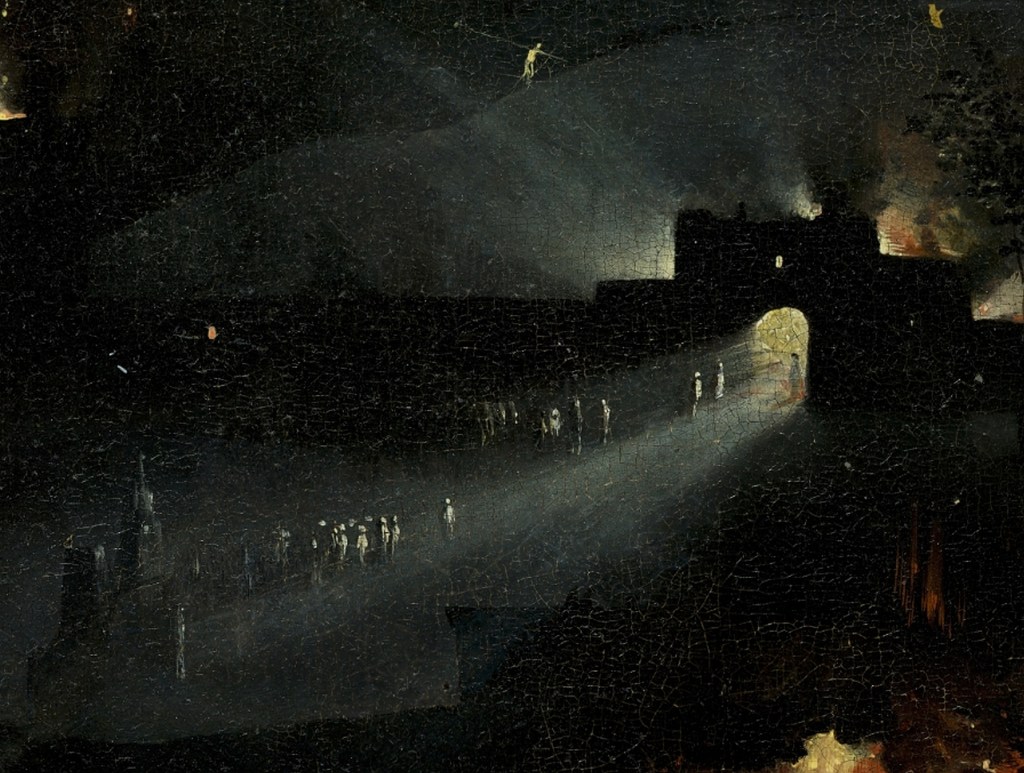
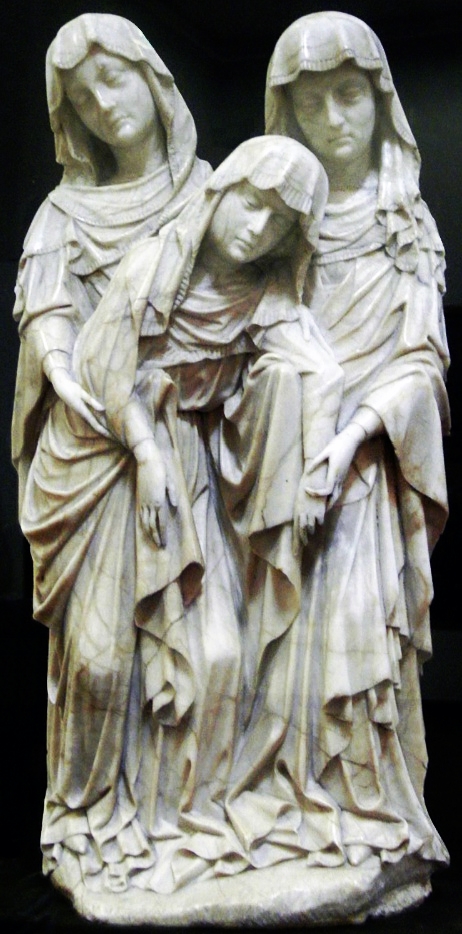
Father of orphans and protector of widows is God in his holy habitation. God gives the desolate a home to live in; he leads out the prisoners to prosperity, but the rebellious live in a parched land. – Psalm 68:5-6
I am grateful, O God, to know the people for whom You labor, the people for whom You care.
You care for the homeless. You care for the resource-less. You care for the refugee.
I am grateful, O God, to know the people for whom You care. Do You wonder why people do not?
A poem/prayer based on Psalm 68:1-10, 32-35, the Revised Common Lectionary Psalm Reading for Year A, seventh Sunday of Easter.
[Jesus said,] “I will not leave you orphaned; I am coming to you.” – John 14:18
Technically, I have been an orphan now for twenty months and three. My mother died as I was starting to believe that I was an adult – perhaps, of course, before I had achieved that title – in the waning months before my second decade reached its close. It seems so odd to be now older than she ever was.
My father lived much longer, though afflicted so in latter years by Parkinson’s Disease, he could not make the trip to visit me, his eldest son, in the Hawaiian Islands. The flowers of this place adorned his passing when I wish they could have welcomed him as honored guest. But he greeted eighty years with such a smile.
So I have been left orphaned well into my middle age, a kinder fate than many folk endure. If none of us were perfect in our love, we had at least the grace to learn and grow, to love anew when older means to love had passed. So Jesus, if you would, come visit me, I pray, for I am orphaned, and I weep for your embrace.
A poem/prayer based on John 14:15-21, the Revised Common Lectionary Gospel Reading for Year A, sixth Sunday of Easter.
The photo is of my father and my mother on their wedding day in 1962; photographer unknown.
This poem/prayer fails to honor the woman my father married in 1995; they met while both pursuing M.Div. degrees at Andover Newton Theological School. She has been the mother-to-an-adult my own mother could not be. My son said it best. His grandfather had had the privilege to marry the love of his life twice.
[Jesus said,] “If in my name you ask me for anything, I will do it.” – John 14:14
I’m asking.
I’m asking for deliverance from a virus. I’m asking for deliverance from all-encompassing folly. I’m asking for deliverance from the demands of greed. I’m asking for deliverance from injustice.
I’m asking.
I’m asking for deliverance from my loneliness. I’m asking for deliverance from my narcissism. I’m asking for deliverance from my burdens. I’m asking for deliverance from my sin.
I’m asking.
I’m asking for deliverance from my grief. I’m asking for deliverance of the world’s grief. I’m asking for deliverance of the world’s violence. I’m asking for deliverance from… it all.
I’m asking.
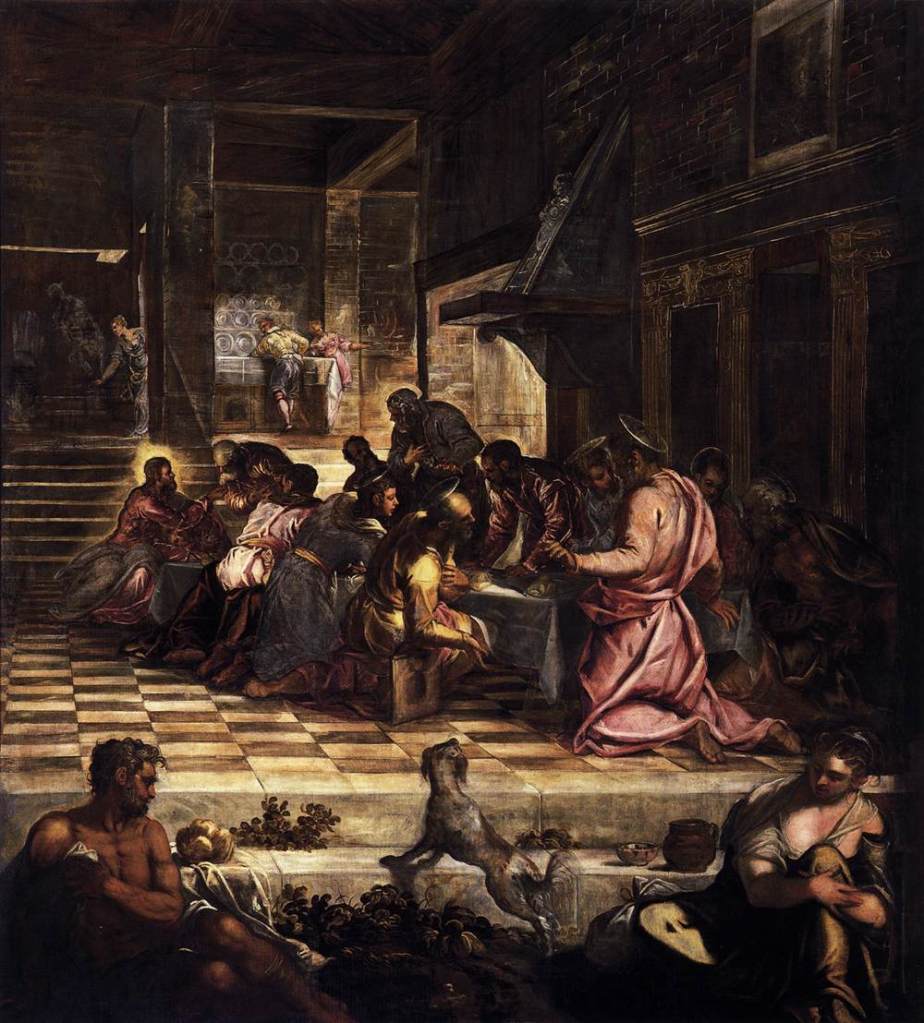
What say you, Jesus? Shall we wait at this table until it comes to pass? Here, at least, we have the bread to sustain us… Except that it has not been broken yet in you.
A poem/prayer based on John 14:1-14, the Revised Common Lectionary Gospel Reading for Year A, fifth Sunday of Easter.
Too many earthly shepherds flail with rod and staff; they maim and kill their flock, and leave the predators untouched.
My enemies enjoy the feast that I will never taste.
This is place from which I cry, “De profudis clamavi ad te!” “Mimma’amaqqim qeratika!” “Mai loko o na wahi hohonu, ua kahea aku au ia ‘oe!” “Out of the depths I cry to you!”
Reassure me with your implements of protection, Holy Shepherd, for the night is long. I am afraid. I turn my prayers to you.
A poem/prayer based on Psalm 23, the Revised Common Lectionary Psalm Reading for Year A, fourth Sunday of Easter, Good Shepherd Sunday.
The truth is that I’m pretty hungry now. This walk from city to Emmaus has been tiring, more than any walk I can remember, since my heart is wrapped in grief and fear because, you know, you’re dead and gone and I refused to take much comfort from the words the women shared (is it because they’re women, now, I ask “enlightened” me?).
So I am famished when I sit to eat with you (the you I do not recognize) and my companion (oops, whose name I have forgotten to report to history). Can we get to it now? Just break the bread and share it round, replenish my depleted stores of stamina and strength of mind. I’ll wait. You break. Then we can eat in peace.
Now hours and miles later, gasping with the sweet exhaustion of a joy-filled run, I find that you have traveled swifter yet than I, to share the miracle of your renewed and resurrected life. I share the wonder that “The Lord has risen indeed;” because I left the bread untasted on the table when the Lord appeared to me.
A poem/prayer based on Luke 24:13-35, the Revised Common Lectionary Gospel Reading for Year A, third Sunday of Easter.
This is, perhaps, my way of emulating your three days away, to let a silence fall between a midday and a morn, to wait and see if resurrection lifts the weary bones once more, restores connections, grants the boon of inspiration.
Perhaps.
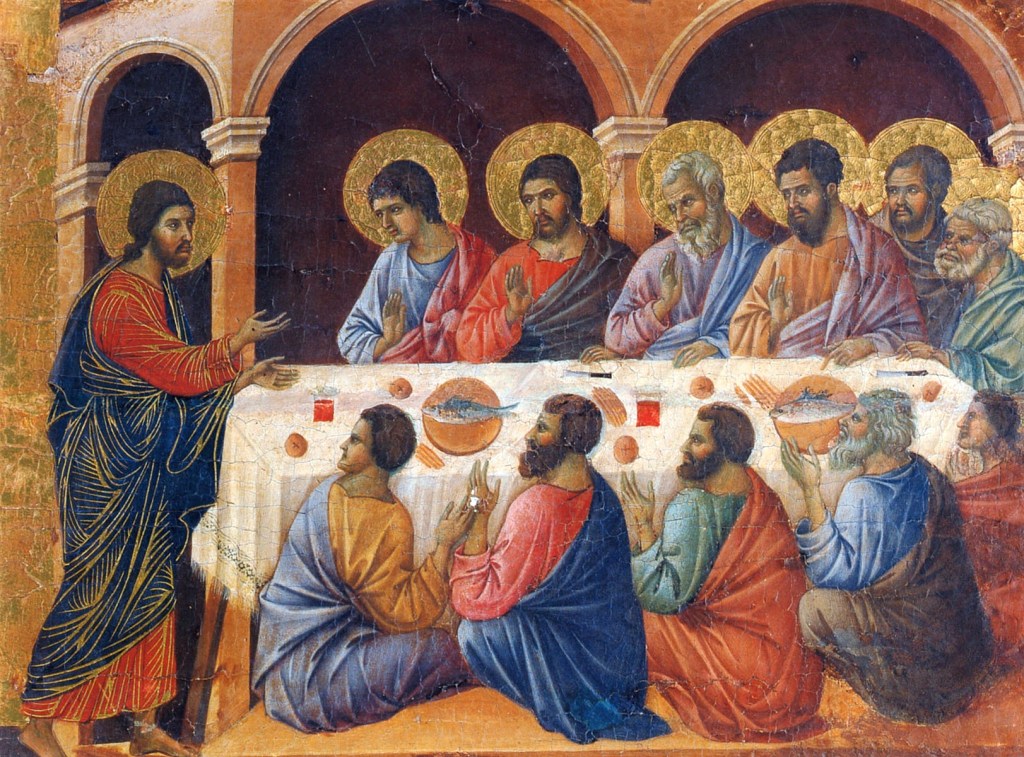
But truth to tell, my risen friend, I yearn much more that you would speak to me and all the weary world as you addressed your friends that night behind the fast-closed door. Come wish me peace, dear Jesus. Come and wish us peace.
A poem/prayer based on John 20:1-18 the Revised Common Lectionary Gospel Reading for Year A, Easter Sunday.