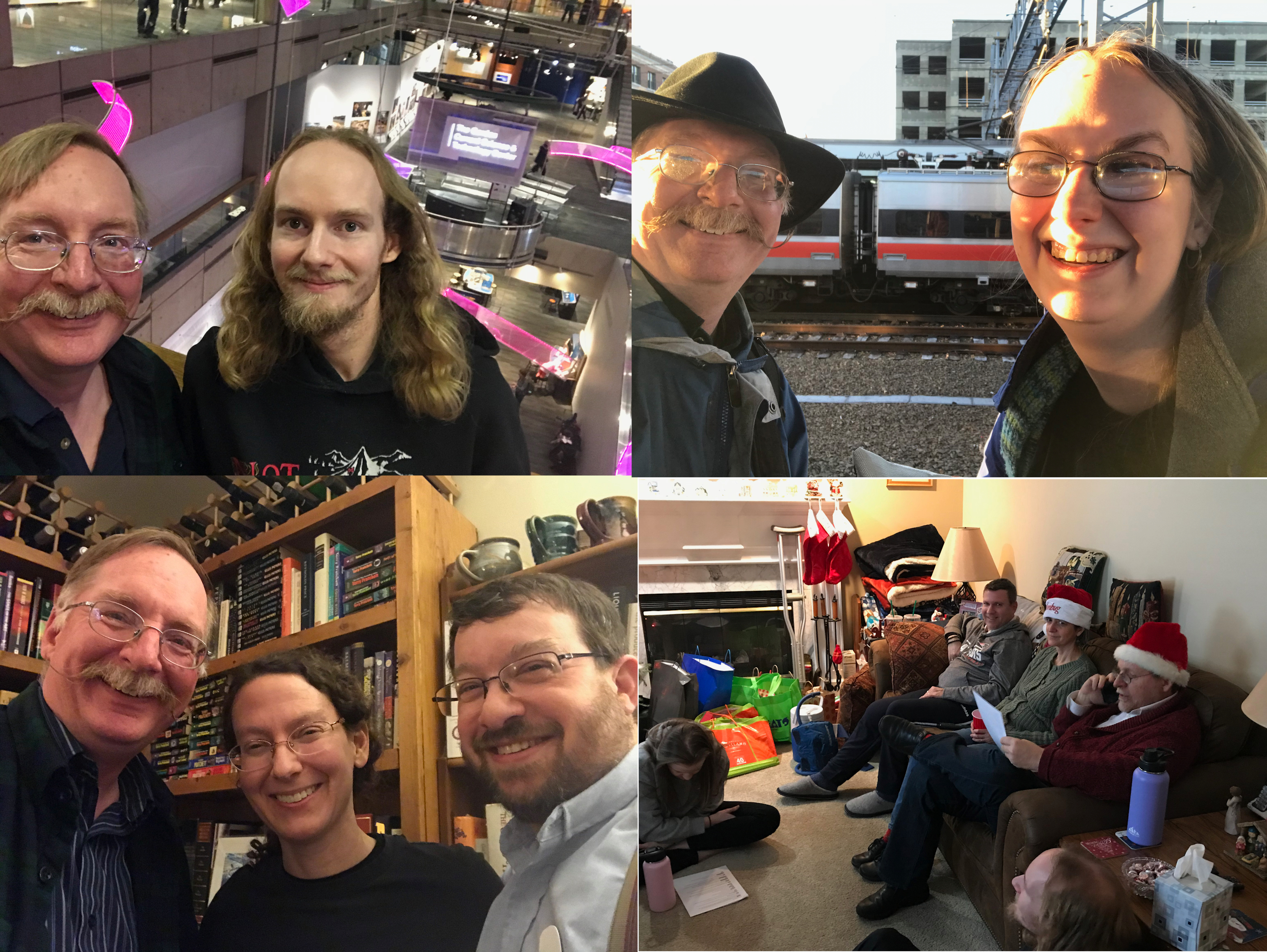
It started so well…
My only significant trip of the year started in 2019. I joined the Society of Christmas Day Travelers (Um. Is there an official organization called such? If there is, I didn’t formally join it) and flew east to spend time with friends and family in New Haven, Connecticut; Boston, Massachusetts; Norwalk, Connecticut; Westfield, Massachusetts; and New York, New York. It was lovely and, because I’d allocated two full weeks to the trip, not exhausting.
I returned to pick up the regular busyness of pastoring. In fact, I met with a family about a funeral for a dear church member on my first day in the office. We welcomed new members into the church. I planned a study of the Wisdom literature of the Old Testament for Lent. I attended the Church Leaders Event on O’ahu in February, the last time I would board an airplane in the year. That doesn’t sound like much of a milestone, but I had anticipated a number of trips to Honolulu in 2020 as part of my work with the Hawai’i Island Association Committee on Ministry. Only one took place.
Shrove Tuesday on February 25 saw me elected as President of Interfaith Communities in Action. On Ash Wednesday I welcomed the Rev. Jonathan Lee, a long-time friend who works for the Pension Boards, United Church of Christ, and we made plans for another visit that included him preaching at Church of the Holy Cross late in Lent. February ended (on the 29th; did you remember it was a Leap Year?) with an anniversary celebration for a wonderful couple in the church.
As March began, however, the spread of COVID-19 in the United States at large began to affect Hawai’i. The first diagnosis was confirmed on March 6th, someone who had contracted it aboard a cruise ship. The first case on Hawai’i Island was diagnosed ten days later. I shared my state of mind at the time in the essay, “Lessons from a Slow Motion Disaster.” I took my last daily walk with friends in Lili’uokalani Gardens on March 20th. On Sunday, March 22nd, we held our first online-only experience of worship. We hoped we might safely resume gatherings two weeks later. We did not.
Like pastors everywhere in 2020, I had no experience in leading or comforting a congregation during a pandemic. My work with the Connecticut Conference UCC gave me a foundation in Internet publication and video production most of my colleagues do not have. Even with that background, it all felt like an ongoing improvisation. To some extent it still does. I recorded those struggles in “An Ordained Geek Becomes a Televangelist” Parts One, Two, and Three. There should probably be a Part Four sometime…
Being me, I also turned to music. One of the questions asked early and answered early was about the risks of group singing. They turned out to be unacceptably high. How, then, to continue to enjoy vocal music? I launched “A Song from Church of the Holy Cross” on March 25th. I’d hoped to write an original song each week of the pandemic. That ambition didn’t survive the second week, but I did succeed in writing some new pieces throughout the year. I also transformed the twice-monthly Community Sings into hour-long live streamed Community Concerts. My Music playlist on YouTube includes both the single songs and the concerts.
I’m too old a hand at communication, however, to believe that current technology would work for everyone. In addition to live streams, the continuation of What I’m Thinking (which reached episode 200 this year), and the church’s electronic newsletter The Weekly Chime, we changed the print newsletter The Messenger to weekly and I began sending hand-written notes to those we believed did not have Internet access about once a month. My writing this year included all those additional essays for The Messenger as well as the #LectionPrayers here at Ordained Geek.
Church went on.
Jonathan Lee returned to preach electronically rather than in person, delivering the Palm Sunday sermon from his living room in Connecticut on April 5th. Unlike some of my colleagues, I did not experience a rush of additional video conference meetings among congregational leadership. In fact, we held far fewer meetings and managed to continue the work of the church pretty well. I really commend the members and the leaders for demonstrating that level of confidence in one another. There have been and continue to be strains and struggles – Church of the Holy Cross lost the bulk of its facility use income in 2020 – but we have continued to care for one another even as we have tried to figure out how to do that safely.
I have presided at three funerals since the pandemic struck. Other families have chosen to defer services until a public gathering is safe. This is one of the places where the isolation has taken a severe toll. It hurts to see grieving people keeping six feet away from other grieving people. It hurts to not see the supportive faces of those come to honor the departed. It hurts, and this is a pain that will not fade quickly.
The economic impact on Hawai’i has been considerable. Though our island relies less on tourism than O’ahu or Maui, service workers have been furloughed or laid off as hotel incomes fell away. In the interfaith community, we greatly fear the end of the state’s moratorium on evictions. Without substantial aid, jobless working families will not be able to pay rent. Landlords who have their own bills to pay will evict them, and then have trouble finding new tenants with cash in hand. I cannot stress how important it is to prevent this. It is always easier to keep someone housed than to find housing for them once they have become homeless.

As summer arrived, case counts fell in Hawai’i. Church of the Holy Cross replaced the pews with folding chairs to maintain distance between households and resumed gathering for worship on July 5th, though we continued to stream the service as well. Six weeks later, rising diagnosis rates prompted us to return to online-only worship. We have done this ever since, and have made no attempt to guess at how soon we might welcome a congregation again.
A couple of other organizations asked for my services this year. During the summer, I accepted an invitation to join the board of the Kuikahi Mediation Center. Among my contributions was vocals and instrumentals for a jingle in the fall (oh, and some video production as well). I was also nominated to become Chair of the Conference Council for the Hawai’i Conference United Church of Christ. The members elected me in October at the delayed ‘Aha Pae’aina and I took office then. I stepped down from the Hawai’i Island Association Committee on Ministry as the month ended.
In September, I joined an incredibly talented panel of ministers speaking about “The Sermons That Keep Preaching,” during which I confessed that I had, in fact, written nearly the same sermon about two years apart. For the October ‘Aha Pae’aina, I interviewed some of my Micronesian colleagues on camera to be included in a live streamed workshop. In November, I assembled the contributions of religious communities around East Hawai’i for the Interfaith Communities in Action Thanksgiving Celebration. The song from Church of the Holy Cross was my own composition, “Hard Season.” For December, I accompanied soprano Joanne Pocsidio on guitar for the University of Hawai’i at Hilo’s Kalikimaka 2020 video.
The strange truth is that during this past year, I have been in front of a camera at least three times in most weeks, and four times in just under half of them. Televangelist indeed.
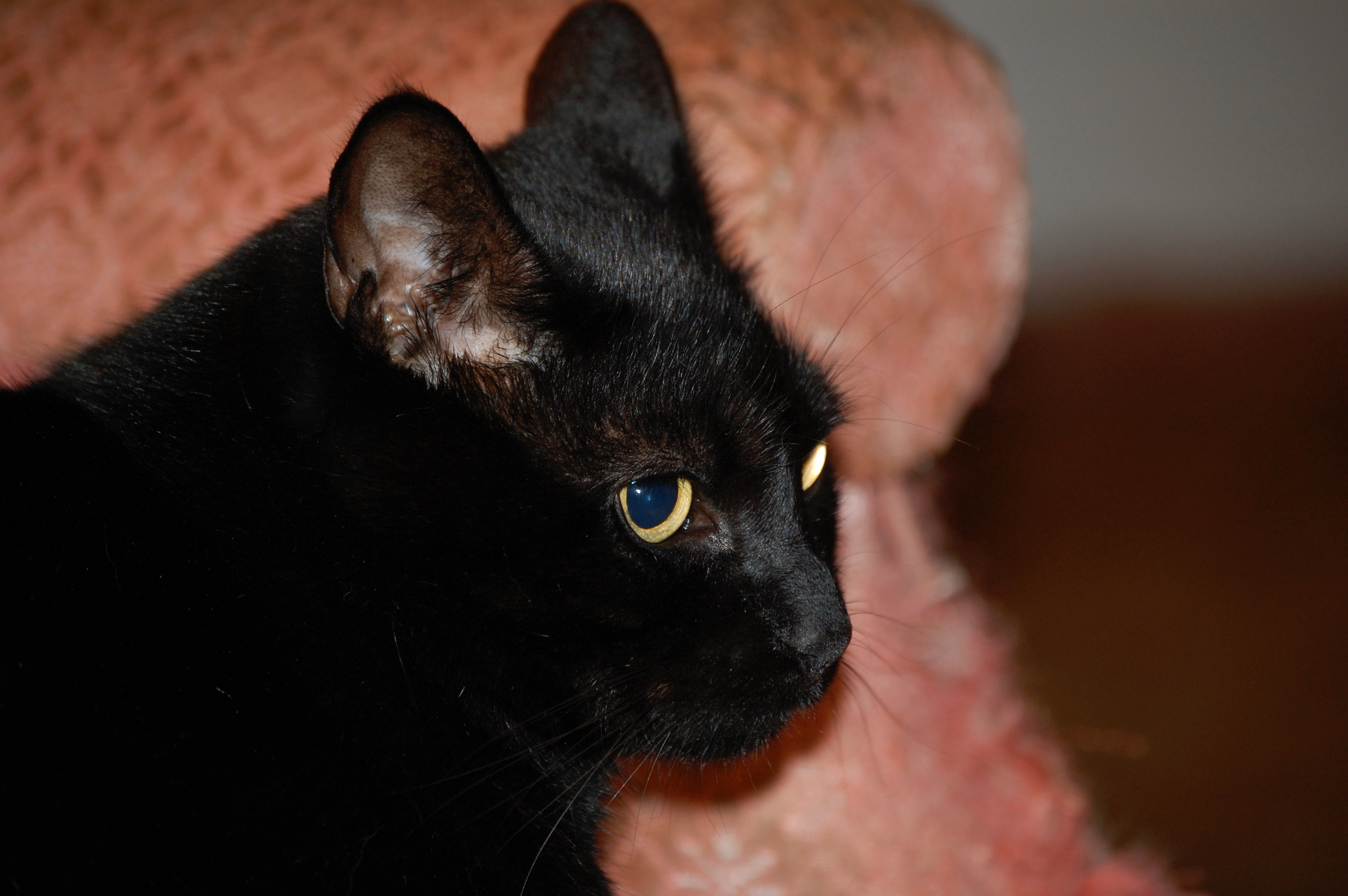
As all this was happening, my son Brendan gained acceptance to a Master’s degree program at the University of Bangor in Bangor, Wales (yes, on the island of Great Britain). After COVID-related (and bureaucracy-related) delays he flew to the United Kingdom in October. Rebekah continued her seminary education at Union Theological Seminary in New York City, though with classes online and growing case counts she left the city for some months. Sadly for her and for all of us, her cat Morwen died as 2020 ended, putting another capstone of grief on a year with too much for everyone.

It is now 2021. We have – those reading this – survived 2020. Others did not. Some died of “the usual” causes: age, illness, violence (Usual? Yes, tragically usual), neglect, accident, suicide. Others died of COVID-19: 45 on Hawai’i Island, 286 in the state of Hawai’i, 346,000 in the United States, 1.82 million worldwide. Vaccines are in production, but they can not be manufactured and administered at the rate anyone would prefer. 2020 will linger into 2021.
Another essay is in the back of my mind – lessons to take away from 2020. Let’s see if that one takes shape this weekend before I return to ministry in a pandemic as my vacation ends on January 5th.
Whether it does or not, may we have health of body, mind, and spirit in this new year. Love to you all!