November 22, 2026
Ezekiel 34:11-16, 20-24
Matthew 25:31-46
How do you consider someone else’s idea? That is, when someone thinks of something, how do you think about it, and how do you discuss it, so that it gets the consideration it deserves without getting lost in your own ideas of how things go?
And, how do you consider someone else, that is, the person? How do you make sure that you’re listening and thinking carefully before you decide that someone is good, and right, and helpful, or before you decide that they’re bad, or wrong, or a problem?
Something I was taught some time ago is that when this kind of question comes up, whether about a new idea or about a new person, the first thing you offer in a discussion is a good thing about it. What’s a good thing about school? You see your friends. What’s a good thing about going to sleep? You’ll have more energy the next day. What’s a good thing about a pastor?
Well, he might tell you a story.
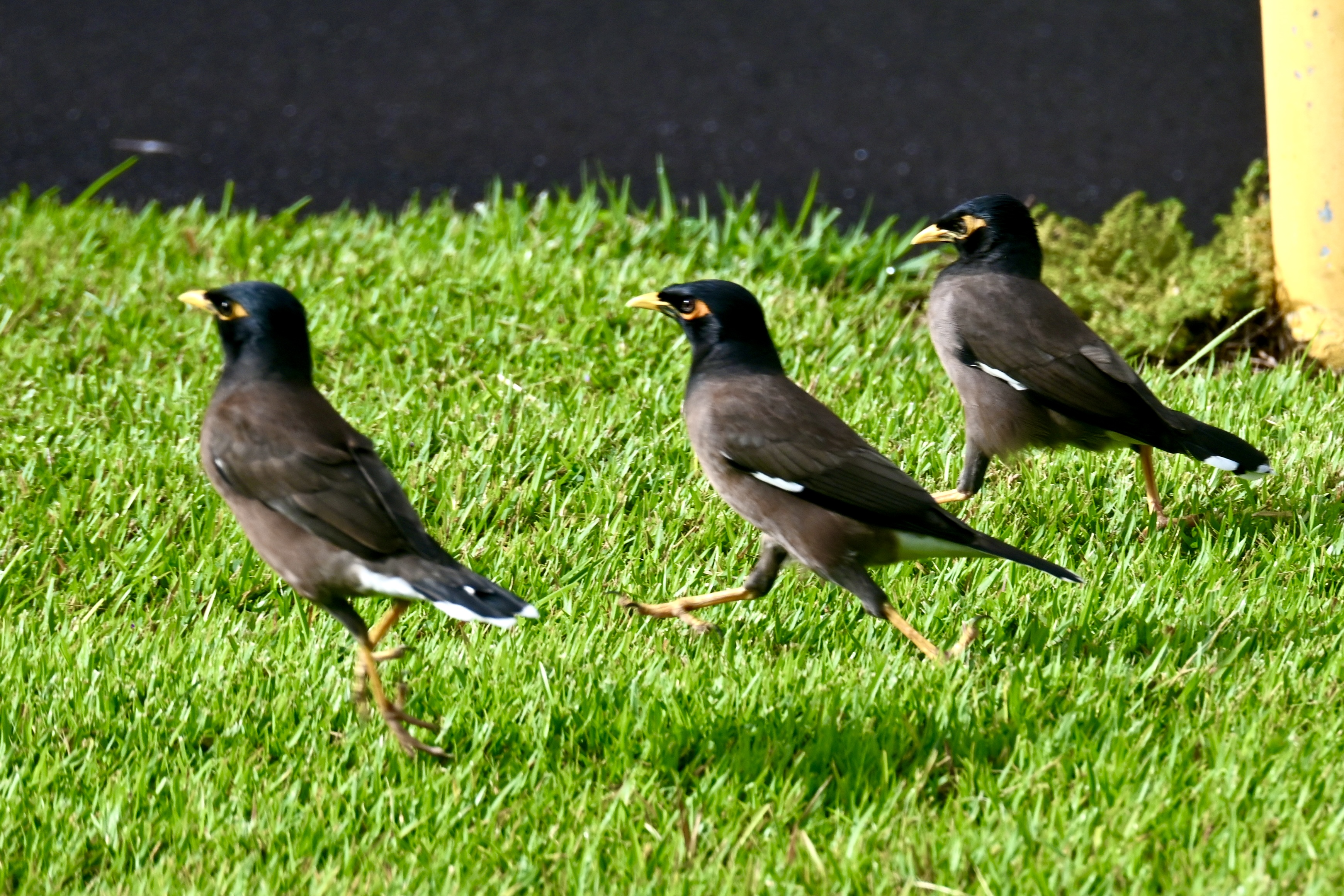
The saffron finch didn’t think much about mynas. Mynas, he thought, were too loud. Mynas, he thought, got angry too easily. Mynas, he thought, got angry too often, and when they got angry, they got too loud. As I think I’ve said before, a minor myna argument becomes a major myna argument pretty quickly.
The saffron finch didn’t like that.
But he had a friend who thought like those people who taught me to think one good thing about someone, and he thought she was pretty smart (she was his tutu, after all), so when she asked him to say one good thing about a myna, he had to come up with an answer.
“They’re noisy,” he said first, hoping that she’d decide that was a good thing and let the question go. She didn’t.
“You don’t think that’s a good thing,” she told him. “Tell me a truth.”
“They’re quiet when they sleep at night,” he said, and she didn’t let him get away with that, either.
“So are you,” she said. “Try again. What’s a good thing about a myna?”
He thought and thought. He thought about mynas in screeching flocks and he thought about them in screeching pairs. He thought about them flying about and landing around him. He thought about them feeding in the new-mown grass alongside each other and the yellow-billed cardinals and the house finches and… that’s when he thought of it.
“They don’t push other birds out of the way when we’re eating,” he said softly.
He looked around and sure enough, there were mynas on the lawn, and alongside them other birds of different kinds, and nobody was pushing anyone out of the way. “They’re bigger,” said the saffron finch. “They could do it. They could push me away from the seeds.”
He looked at his grandmother, who nodded.
“They could,” he said, “but they don’t. And that’s a good thing about a myna.”
She nodded.
“They’re still noisy,” he said.
“Well, yes,” she acknowledged. “Still, you know something good about them, and that’s a start.”
by Eric Anderson
Watch the Recorded Video
I write these stories in full ahead of time, but I tell them live from memory and improvisation.
Photo of three common mynas by Eric Anderson.

