August 14, 2022
Jeremiah 23:23-29
Luke 12:49-56
It might surprise you to hear that young nene go to school. Many of us wish that their classes included one in staying away from roads that have cars moving on them, but apparently they don’t.
As you’d expect, though, they teach a lot about two of the big components of nene life. Eating and flying. They do learn about eating and flying from their parents, of course, but there’s definitely more to learn about both topics for a growing nene.
A little flock of young nene had gathered with their teacher and had just finished the eating section of the day. Eating lessons for a nene are both complicated and simple. They’re complicated because nene like to eat a lot of different things. If it’s green and its leaves are grass-shaped, they probably eat it. So there’s a lot to explore in an eating class.
What’s simple about it, of course, is that if it’s green and the leaves are grass-shaped, they’ll try to eat it.
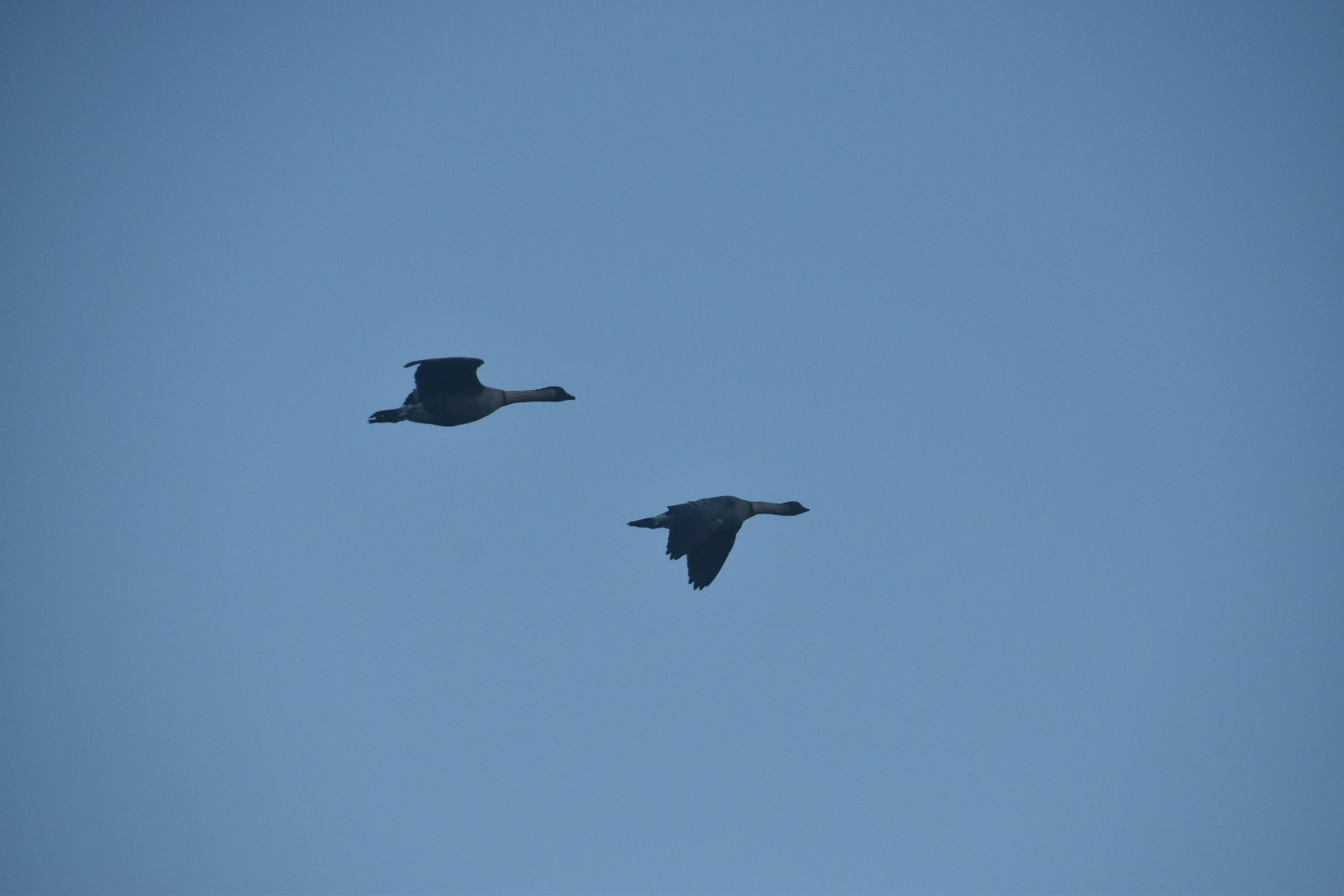
Flying, however, is definitely an advanced topic. Nene have smaller wings for the size of their body than you’ll find on other birds. It requires effort to get that much bird off the ground. When there’s a few of them in the air, they fly carefully spaced in formation. That takes some learning. And, of course, they will pull a few special tricks from time to time, like making a barrel roll in midair.
The class this day had got pretty excited during the eating session and the young students were eagerly debating the merits of the various grasses they’d tried. Their teacher was talking with one of the young goslings who wanted some help with take-offs. As she spoke with him, the other nene got louder, and louder, and louder.
“Class, settle down,” said the teacher (I’m afraid teachers everywhere of every creature say that phrase a lot). “I’ll be right with you, and if you listen you can learn something about take-offs, too.”
They were quiet for a few moments, but rather like human students, the chatter started up again, and grew rapidly until the teacher couldn’t hear herself.
“Class, settle down!” she called.
They were quiet. For… a little bit. And despite the very helpful things she was saying about wing position on takeoff, the quickly raised the volume from a murmur to a racket.
The teacher honked in complete exasperation and shouted, “Class dismissed!” Then she flew away.
The students were shocked. This had never happened before. They looked at one another – and for once, they were silent. The one who’d been getting take-off instructions looked at them unhappily.
“Come on,” he said after a few minutes. “We need to go find her.”
They found her in a clump of ‘ohelo, taking a berry, then honking in frustration, then taking a berry. They waited until she’d slowed down on berries and on honking.
“We’re sorry,” they said.
“What are you sorry for?” she asked.
That was a question they hadn’t expected. What, after all, had they done? They weren’t sure they knew, except for the one who’d been getting take-off help.
“We’re sorry we didn’t pay attention when you were teaching us the things we want and need to learn,” he said.
“Are all of you sorry for that?” she asked.
Now that somebody had said it, they were.
You see, that’s when nene teachers get cranky: when they’re sharing the things young nene need and want to know, and the students ignore them. Fortunately, there are things that help. There’s ‘ohelo berries, of course, and a soothing turn around in the sky. Best of all, there’s the students who think to say, “I’m sorry,” and come back ready to learn.
by Eric Anderson
Watch the Recorded Story
The story is told from an imperfect memory of this manuscript. To responsive children. The story as told is not identical to the story as written, oh, no, not for a moment it isn’t.
Photo of nene on the wing by Eric Anderson.